61 Stunning Farmhouse Kitchen Ideas for 2026 That Will Inspire Your Dream Home Renovation

As we look ahead to 2026, the allure of the farmhouse kitchen continues to captivate, evolving yet retaining its timeless charm. It’s more than just a design trend; it’s a lifestyle choice reflecting a desire for comfort, connection, and a touch of nostalgia in our increasingly fast-paced world. This article delves into the freshest interpretations and enduring elements that will define these beloved spaces, offering inspiration for anyone looking to infuse their home with warmth and character. Whether you’re planning a full renovation or simply dreaming of a refresh, prepare to discover how the heart of the home is being reimagined.
1. The Enduring Charm of Shiplap
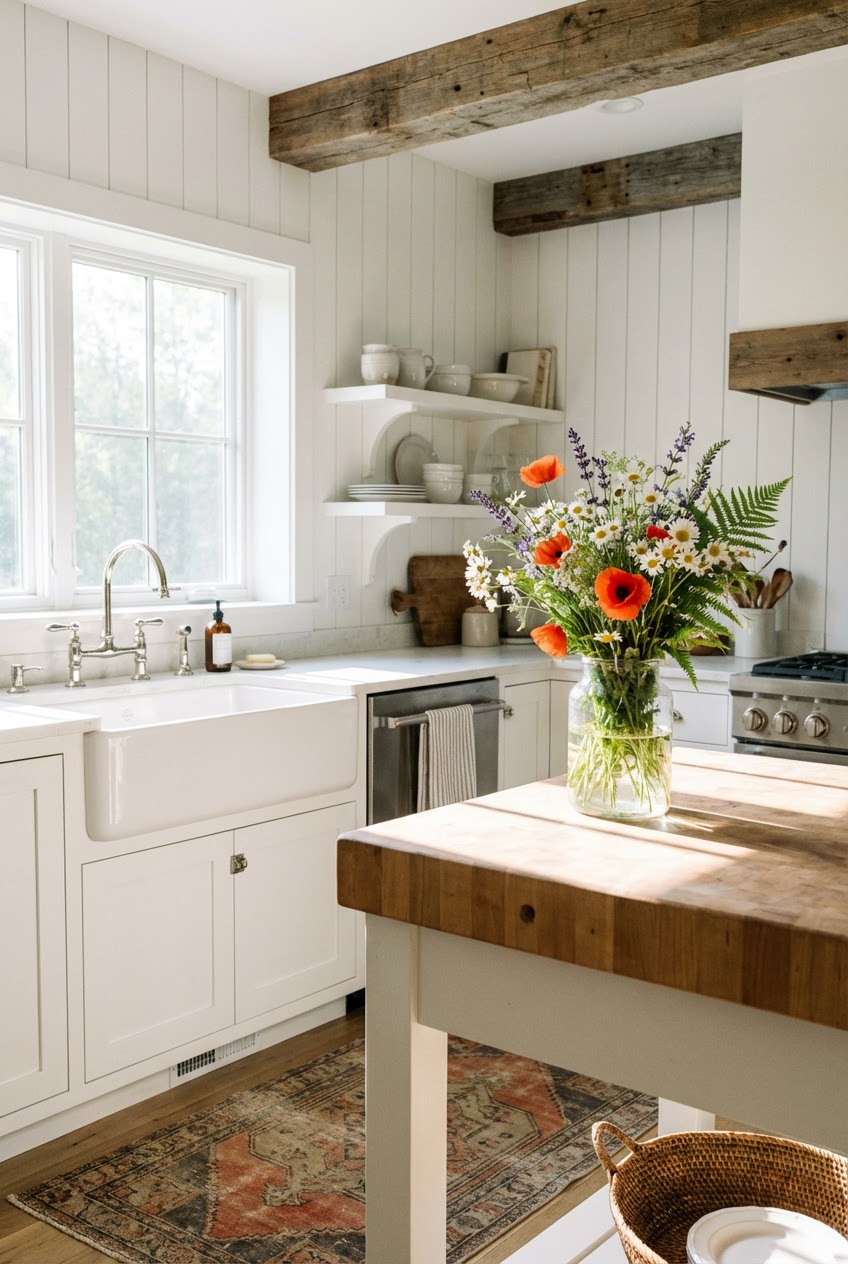
Shiplap remains a cornerstone of the modern farmhouse kitchen, offering a rich texture and a subtle nod to classic architectural styles. Its clean lines provide a perfect backdrop for both rustic and contemporary elements, allowing homeowners to personalize their space without overwhelming it. Imagine vertical shiplap in a crisp white, extending from floor to ceiling, creating a continuous flow and amplifying natural light. It’s a versatile material that truly defines the aesthetic, providing a sense of comfort and understated elegance that feels both fresh and familiar.
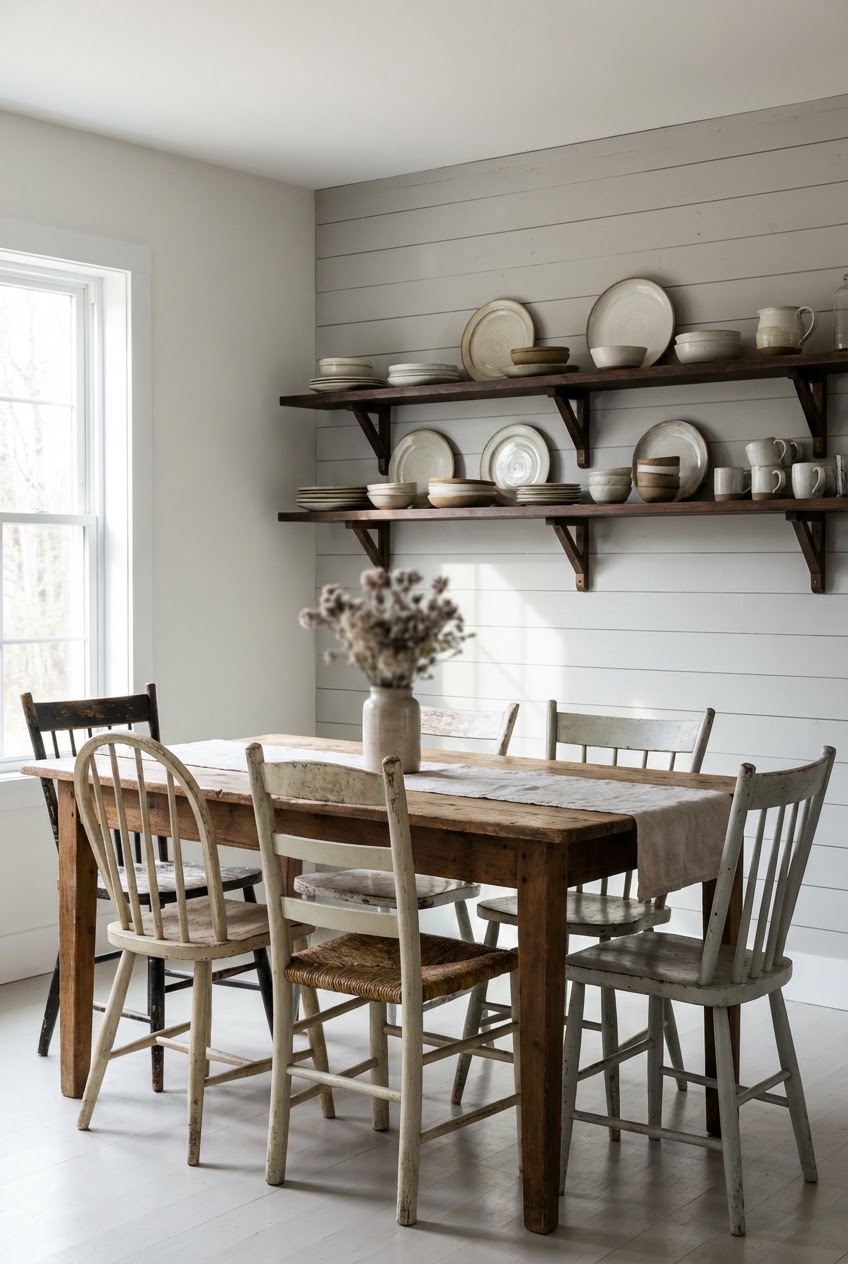
While often associated with rustic aesthetics, shiplap’s adaptability means it can easily transition into more refined or eclectic designs, providing a canvas rather than dictating the entire style. For homeowners on a budget, choosing a strategic accent wall for shiplap can deliver maximum impact without requiring a full-scale renovation, proving that timeless style doesn’t always come with a hefty price tag. It’s about creating a focal point that anchors the room.
2. Open Shelving for Display
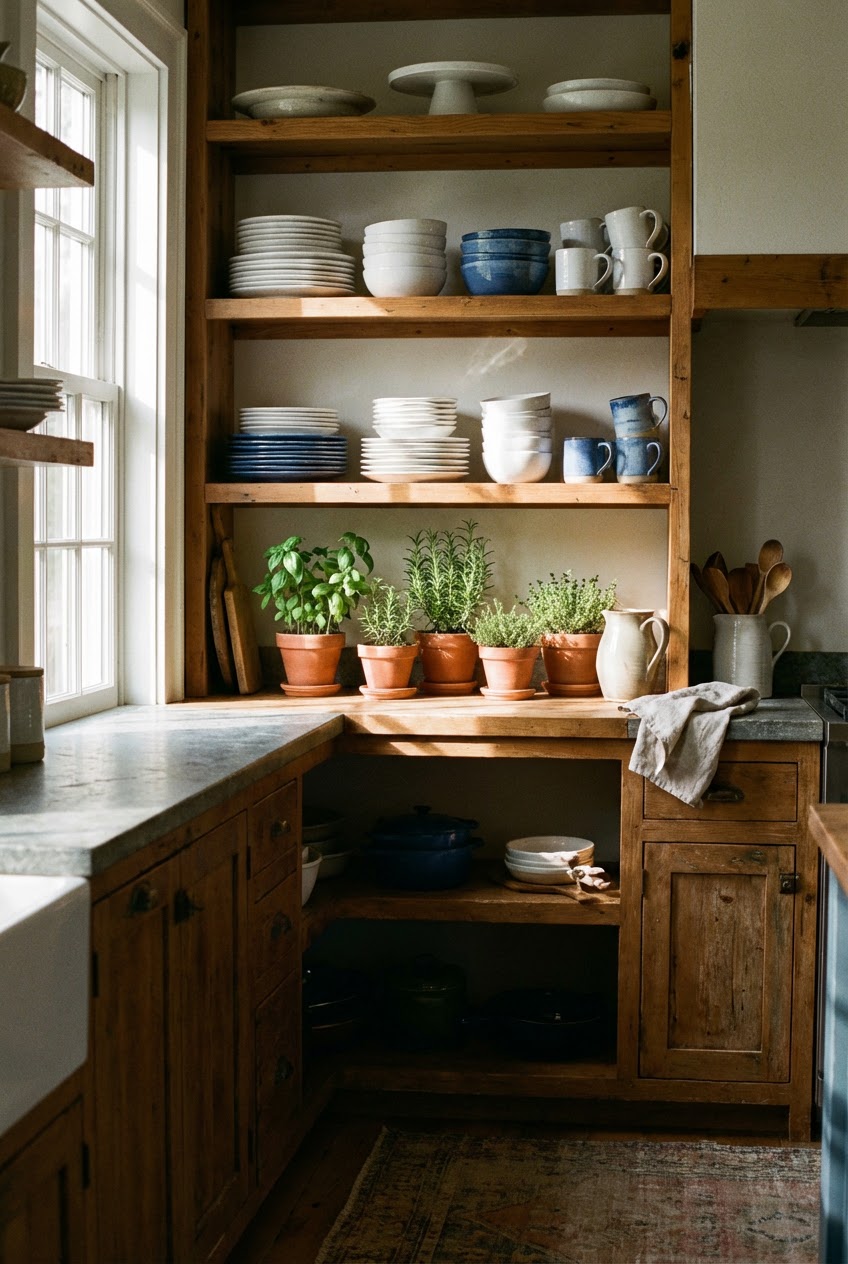
Open shelving continues to be a favorite in the farmhouse kitchen, allowing homeowners to showcase cherished dishware, cookbooks, and decorative items. This approach to storage encourages thoughtful curation, turning everyday essentials into visual elements that contribute to the room’s character. Instead of hidden clutter, imagine beautifully arranged stacks of ceramic plates, vintage copper pots, or delicate glassware, all adding texture and personality to the space. It’s an intimate peek into the home’s soul, making the kitchen feel lived-in and inviting.
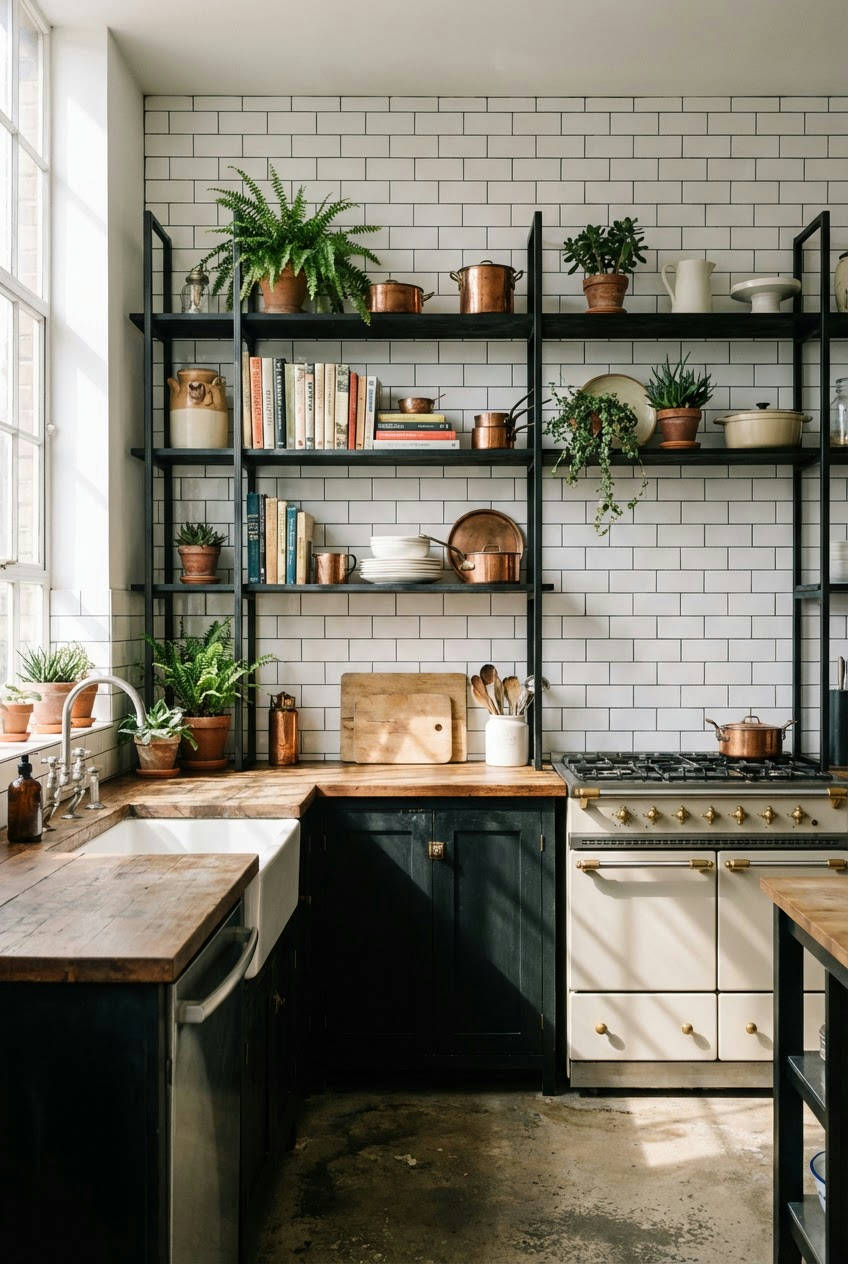
While open shelving is aesthetically pleasing, it’s also a practical choice for frequently used items, ensuring easy access during cooking. It’s perfect for those who enjoy the visual story their home tells, transforming functional necessities into decorative statements. However, remember the golden rule: only display items that are genuinely appealing or frequently used, avoiding the common mistake of overcrowding, which can quickly turn charm into visual chaos.
3. The Timeless Farmhouse Sink
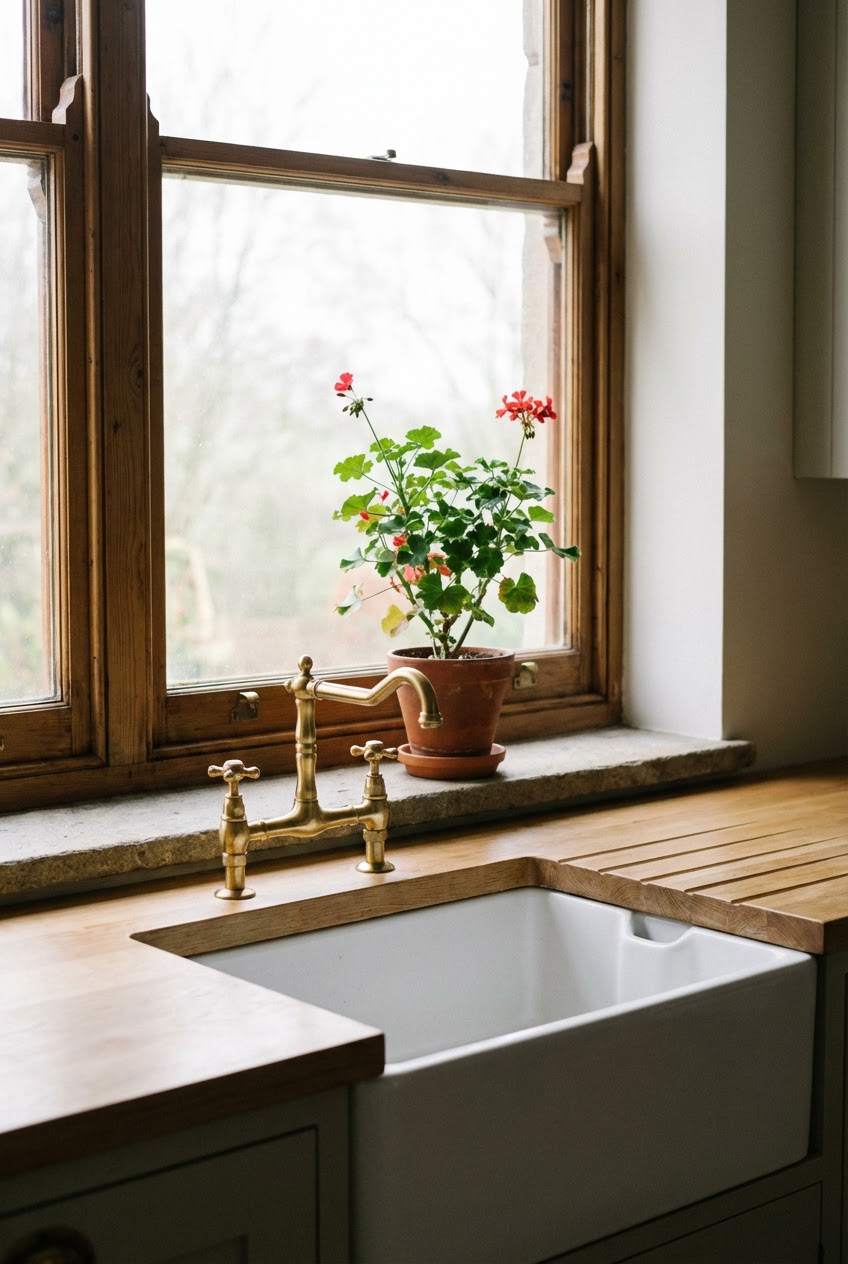
No discussion of a farmhouse kitchen is complete without highlighting the iconic farmhouse sink. Its deep basin and exposed apron front are not just attractive; they are incredibly functional, ideal for washing large pots and pans or even bathing a small pet. In 2026, we’re seeing continued innovation with materials beyond the traditional white ceramic, including copper, stainless steel, and even concrete, offering new dimensions to this classic fixture. It’s a focal point that anchors the entire space, drawing the eye and inviting hands-on activity.
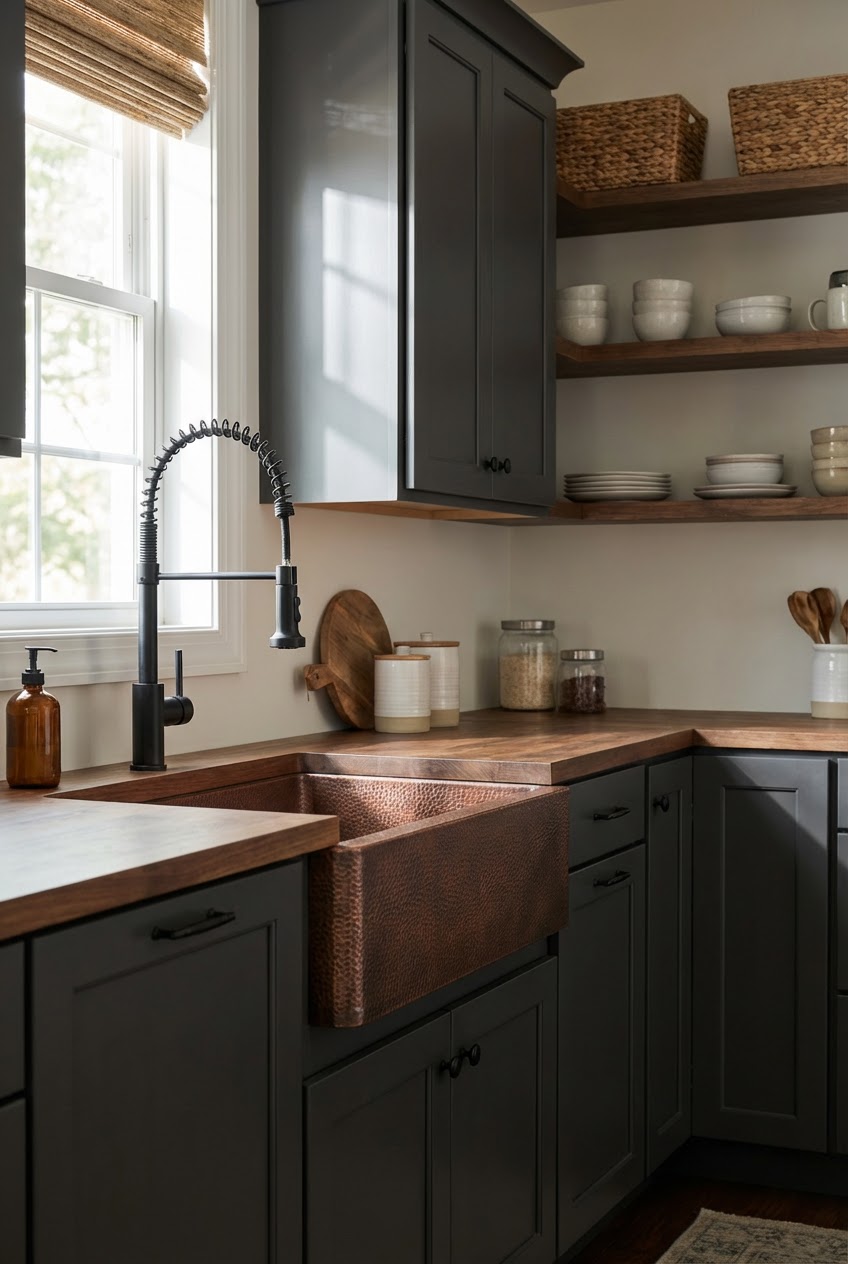
Choosing the right farmhouse sink involves considering not only aesthetics but also the material’s durability and maintenance requirements. While fireclay is a traditional choice, stainless steel offers a more contemporary and durable option for busy families. My friend just installed a black granite farmhouse sink and it totally transforms her kitchen, adding a dramatic, sophisticated edge while still feeling true to the rustic aesthetic.
4. Warm Wood Tones
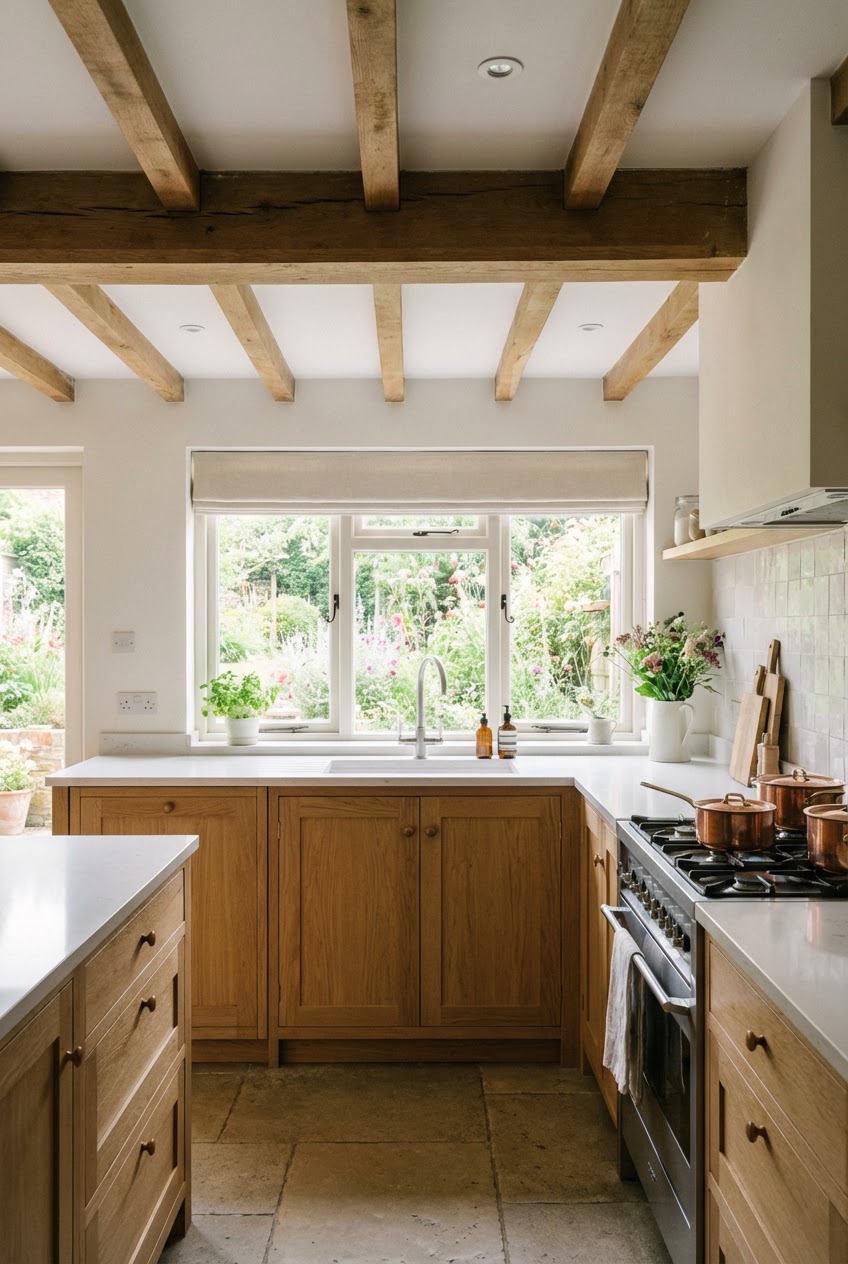
In 2026, natural wood tones are essential for injecting warmth and authenticity into the farmhouse kitchen. From rich oak cabinetry to reclaimed wood beams, these elements bring an organic, grounded feel to the space. Light, natural finishes often paired with white walls create an airy ambiance, while darker woods can evoke a more traditional, cozy atmosphere. The grain and texture of wood add a layer of visual interest that synthetic materials simply can’t replicate, making the kitchen feel genuinely inviting and connected to nature. It’s about celebrating imperfection and natural beauty.
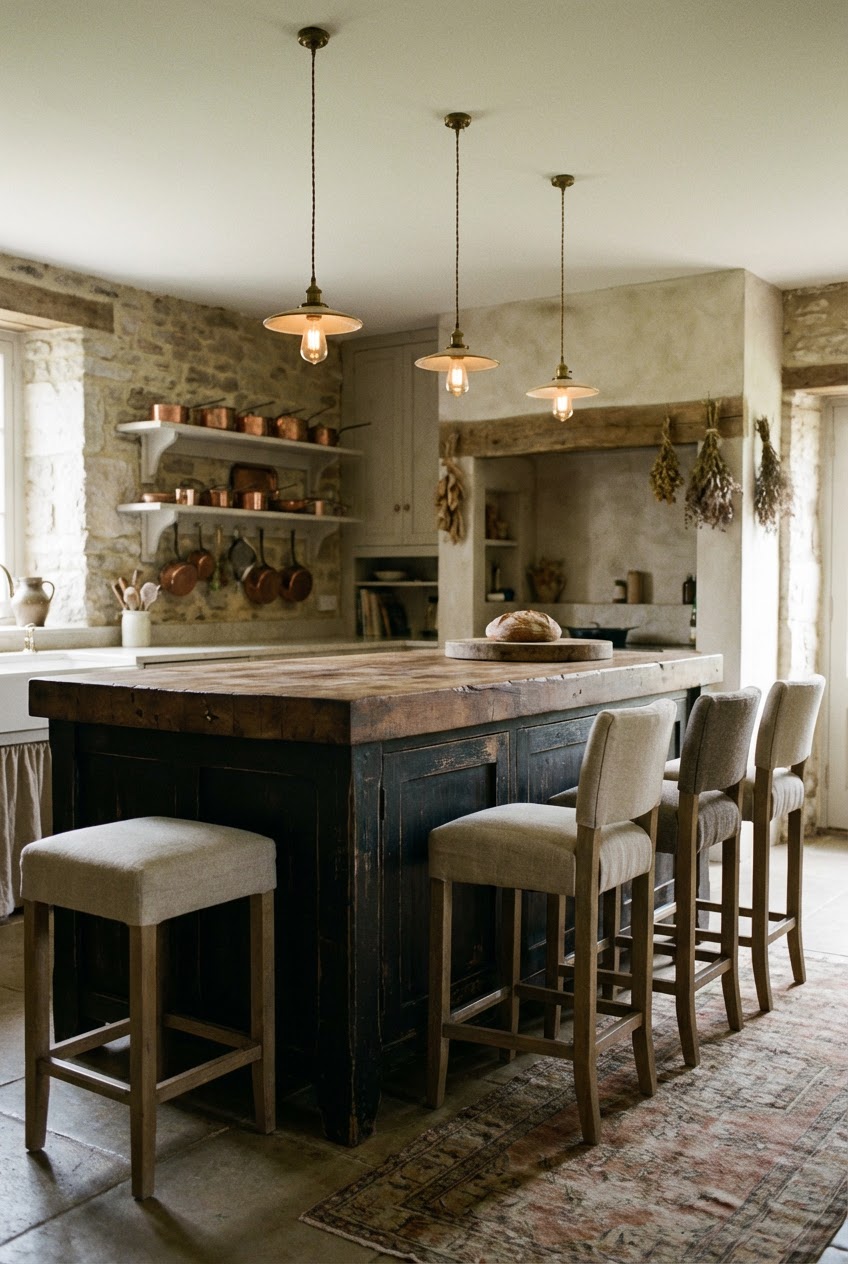
The beauty of incorporating warm wood tones lies in their versatility; they pair beautifully with almost any color palette, from crisp whites to deep blues. An expert-style commentary would emphasize integrating various wood finishes harmoniously, perhaps mixing light cabinetry with a darker island, to add depth without making the space feel heavy. This layering of textures and hues is what gives a farmhouse kitchen its rich character.
5. Integrated Appliances
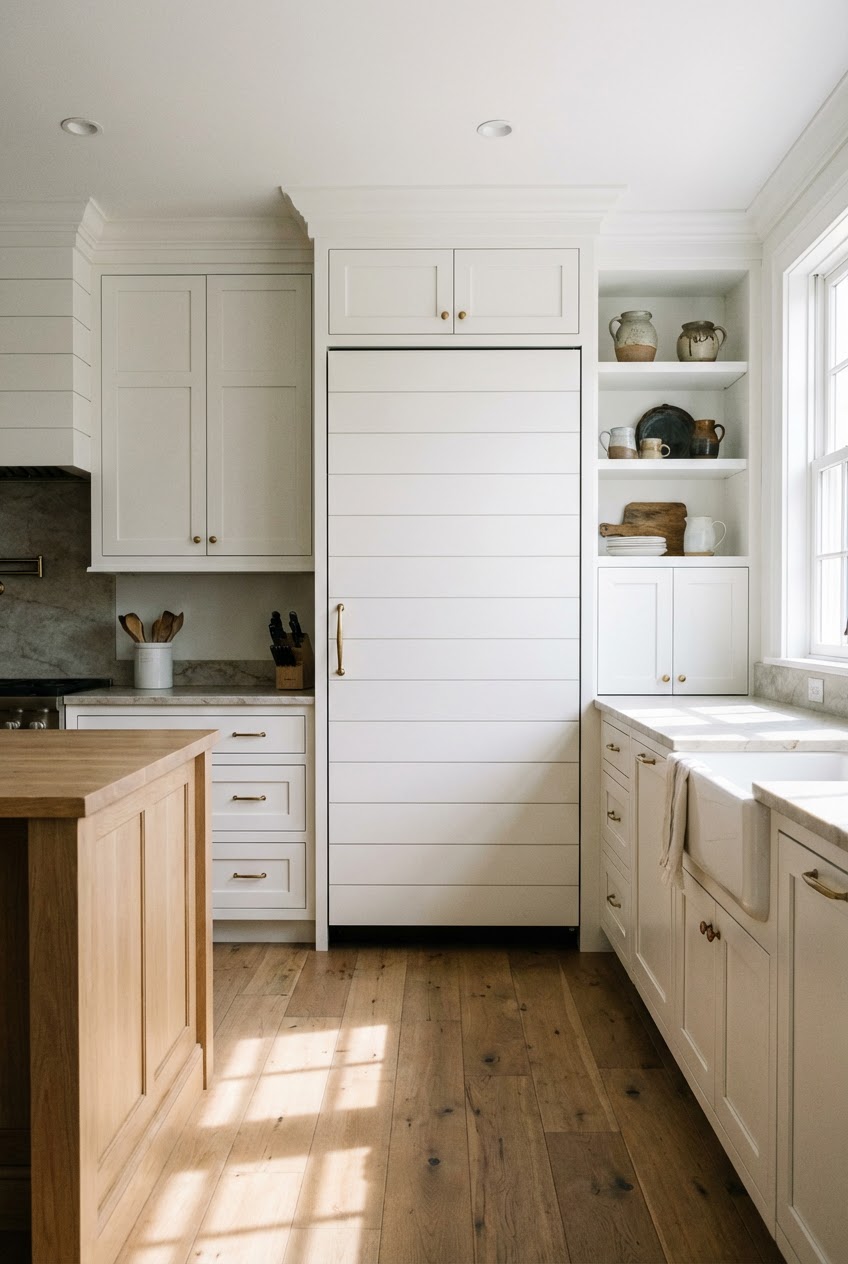
For a seamless and sophisticated farmhouse aesthetic, integrated appliances are gaining significant traction. Panel-ready refrigerators, dishwashers, and even microwaves discreetly blend with cabinetry, maintaining the cohesive design of the kitchen. This approach creates a clean, uncluttered look that allows the architectural and decorative elements to truly shine. It’s a subtle way to balance modern convenience with rustic charm, ensuring that technology doesn’t detract from the desired pastoral ambiance. The result is a kitchen that feels both highly functional and beautifully designed.
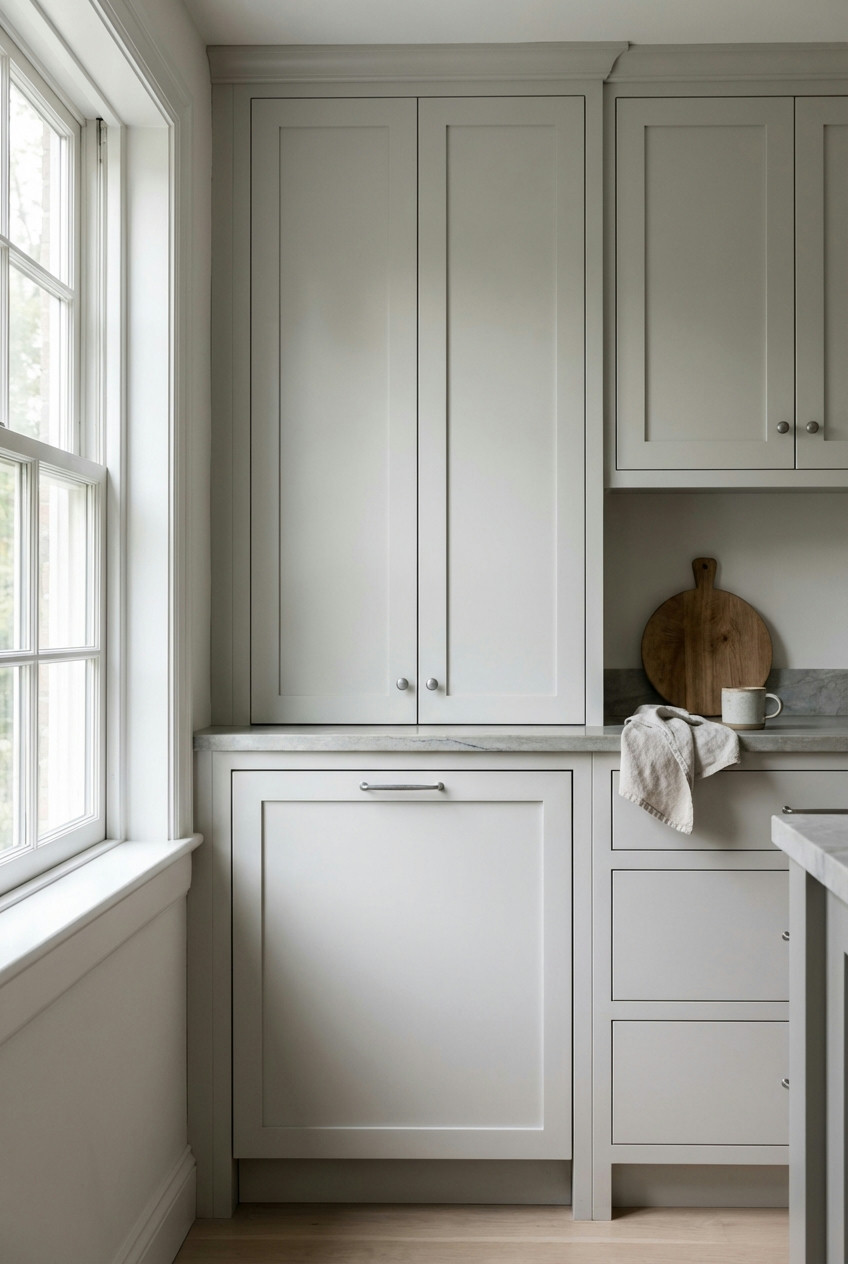
While integrated appliances might represent a higher upfront investment, they significantly enhance the overall aesthetic value and resale potential of a home. For real homeowner behavior, many young families prioritize this sleek look to create a calm atmosphere, contrasting with the often-chaotic demands of daily life. It’s about creating a tranquil space where functionality meets understated elegance seamlessly, without compromising on the authentic farmhouse feel.
6. Statement Lighting Fixtures
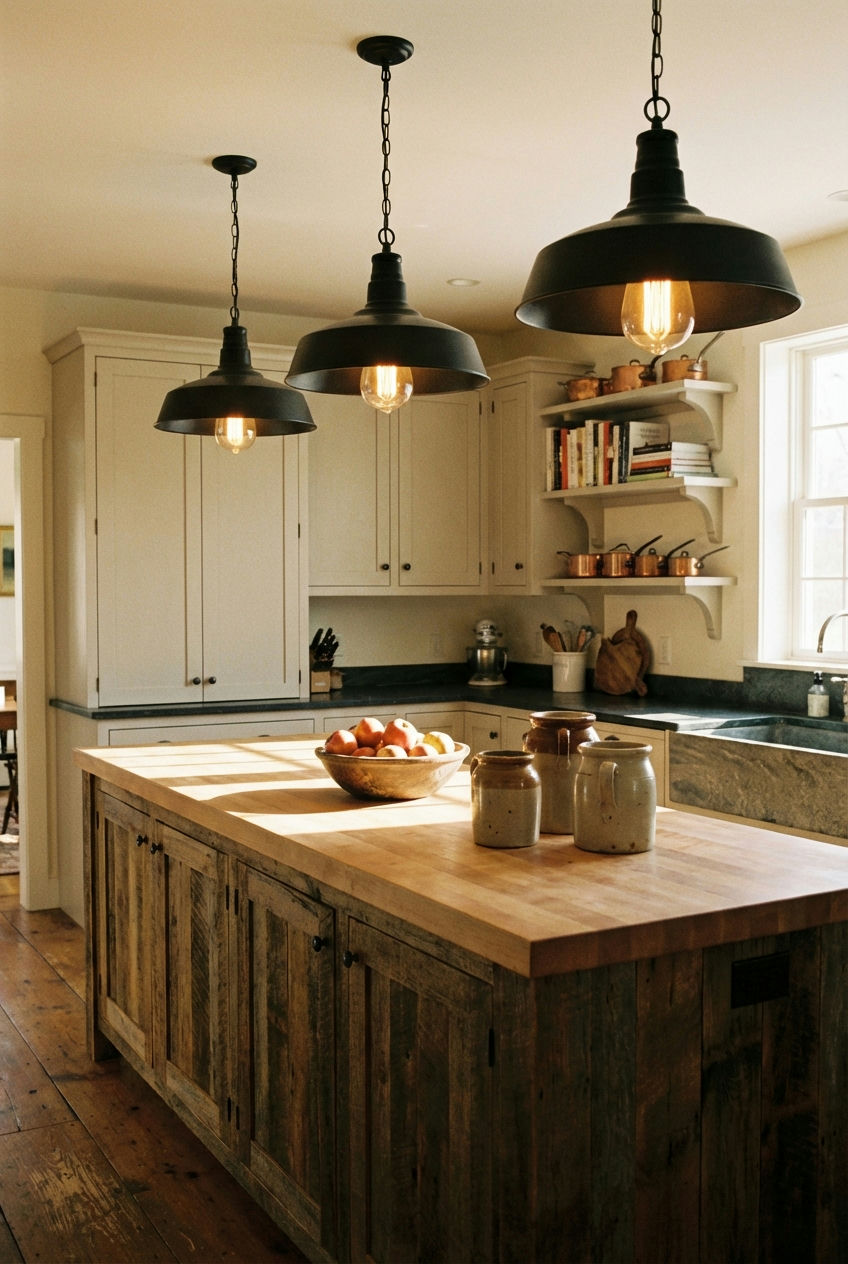
Lighting is paramount in setting the mood for any farmhouse kitchen, and in 2026, statement fixtures are taking center stage. Think oversized pendants above an island, a wrought-iron chandelier in the dining nook, or elegant sconces flanking a window. These pieces not only provide essential illumination but also serve as significant decorative elements, adding character and a touch of drama. They can range from industrial-inspired designs to more traditional lantern styles, all contributing to the overarching aesthetic. It’s an opportunity to inject personality and elevate the room’s design.
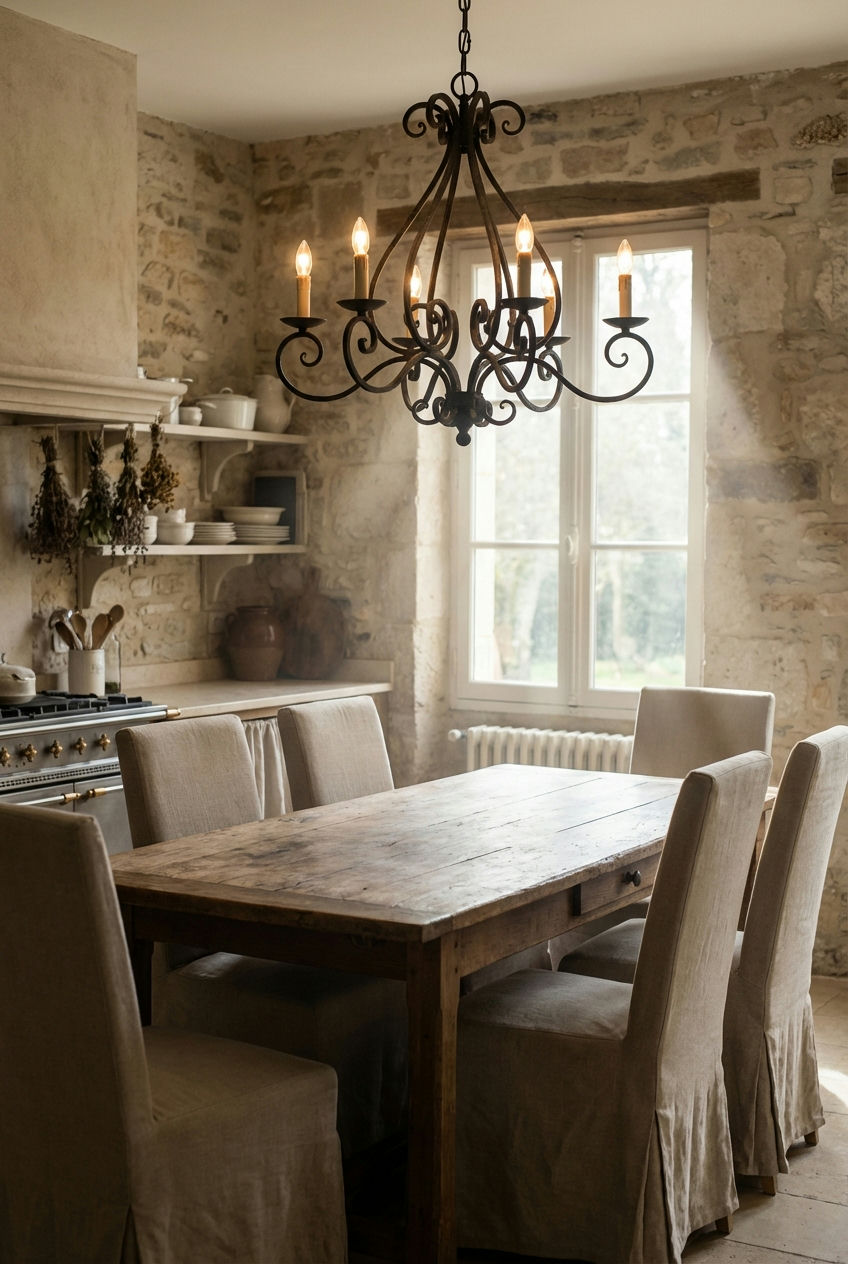
When selecting statement lighting for your farmhouse kitchen, consider the scale of your space and the height of your ceilings to ensure the fixture feels proportionate. Practical insight dictates that dimmers are a must, allowing you to adjust the ambiance from bright task lighting to a soft, romantic glow. Don’t be afraid to mix metals to add an eclectic touch, as long as there’s a cohesive element like style or finish unifying the different pieces.
7. Butcher Block Countertops
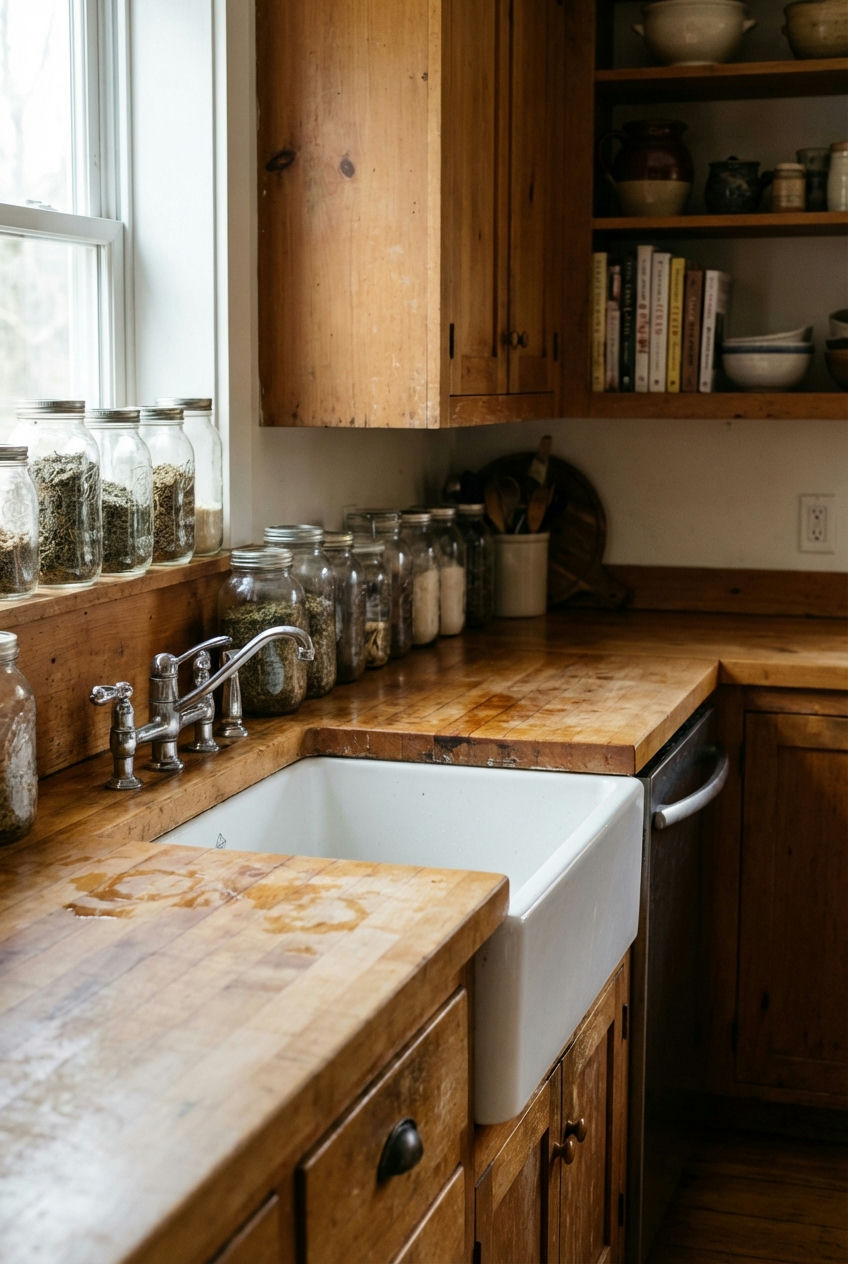
Butcher block countertops continue to be a beloved choice in the farmhouse kitchen for their natural beauty, warmth, and functionality. Made from various wood species, they offer a tactile experience that connects the space to traditional craftsmanship. Beyond their aesthetic appeal, butcher block surfaces are incredibly practical for food preparation, and their ability to age gracefully, developing a unique patina over time, adds to their charm. They seamlessly blend with other natural materials, creating a cohesive and inviting environment that feels both rustic and refined. It’s a touch of authenticity that resonates deeply.
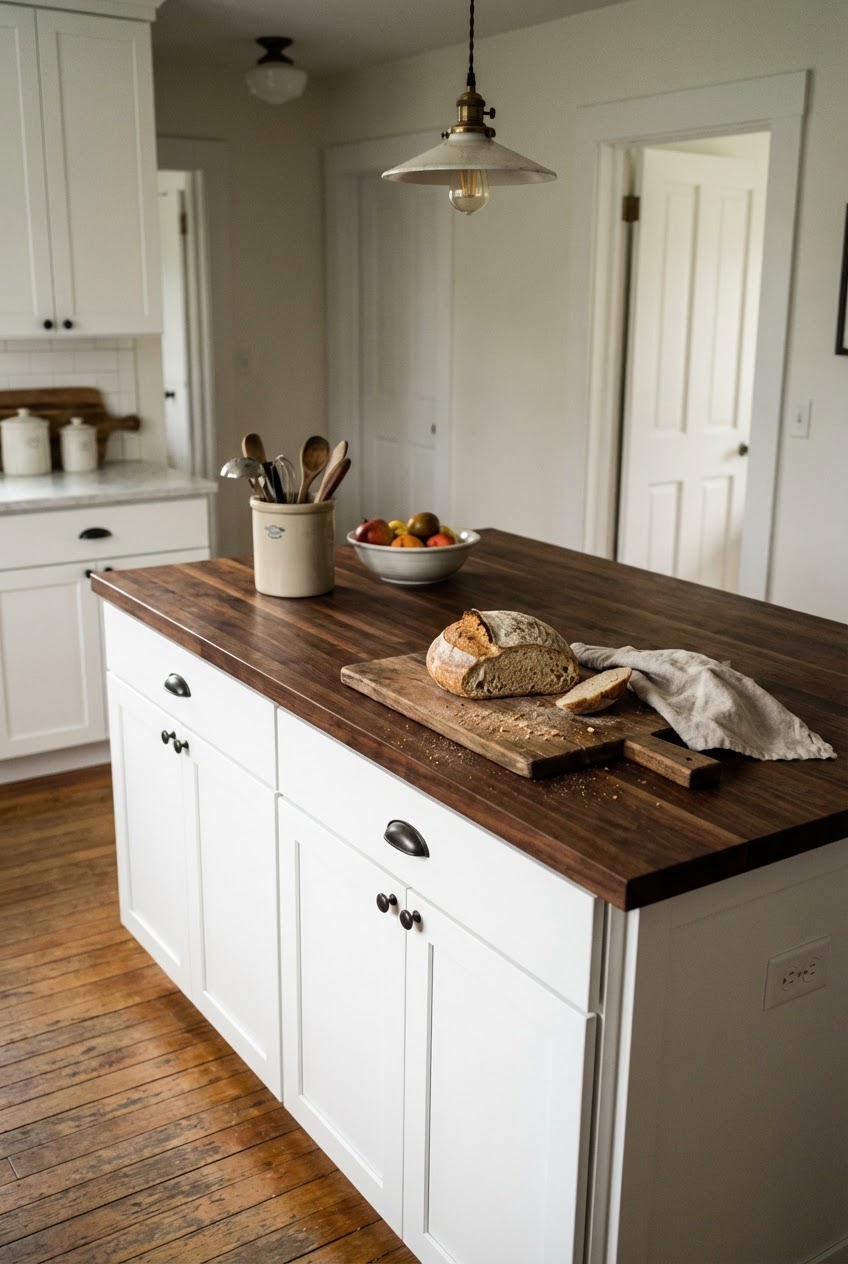
While butcher block countertops are stunning, they do require regular maintenance, including oiling, to protect them from moisture and stains. This is where a common mistake often occurs: neglecting this essential care, leading to premature wear. However, the effort is well worth it for the character and warmth they bring to the space, truly embodying the spirit of the farmhouse aesthetic. They’re an investment in both utility and enduring style, proving that beauty can be hardworking.
8. A Pop of Color with Cabinetry
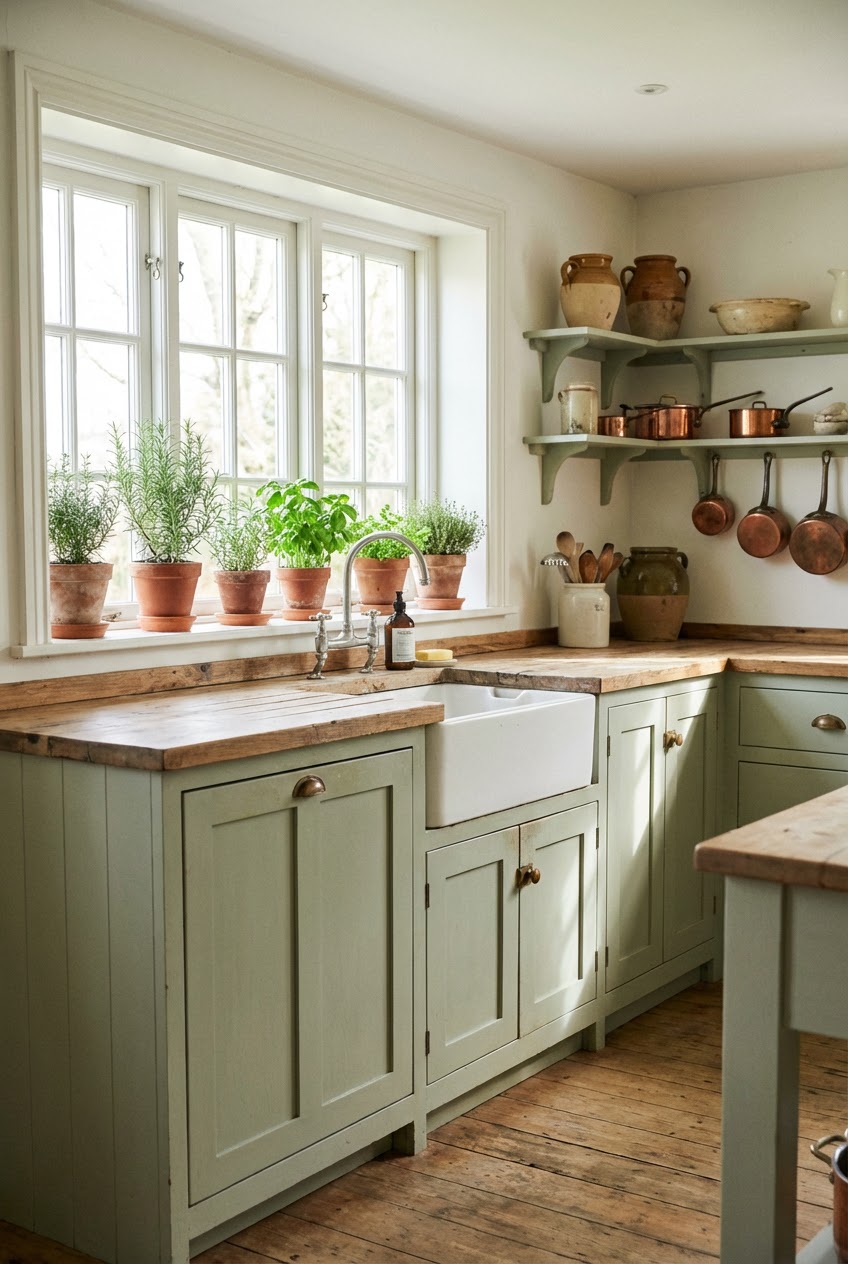
While white and natural wood cabinetry remain popular, 2026 is seeing a delightful embrace of color in the farmhouse kitchen. Soft greens, muted blues, and even deeper charcoal tones are becoming popular choices for base cabinets or islands, offering a refreshing departure from traditional neutrals. This introduction of color adds personality and breaks up the monotony, creating a more dynamic and visually engaging space. It’s a way to infuse a modern sensibility while retaining the inherent warmth and charm of the farmhouse style, making the kitchen feel utterly unique. This is where personal expression truly shines.
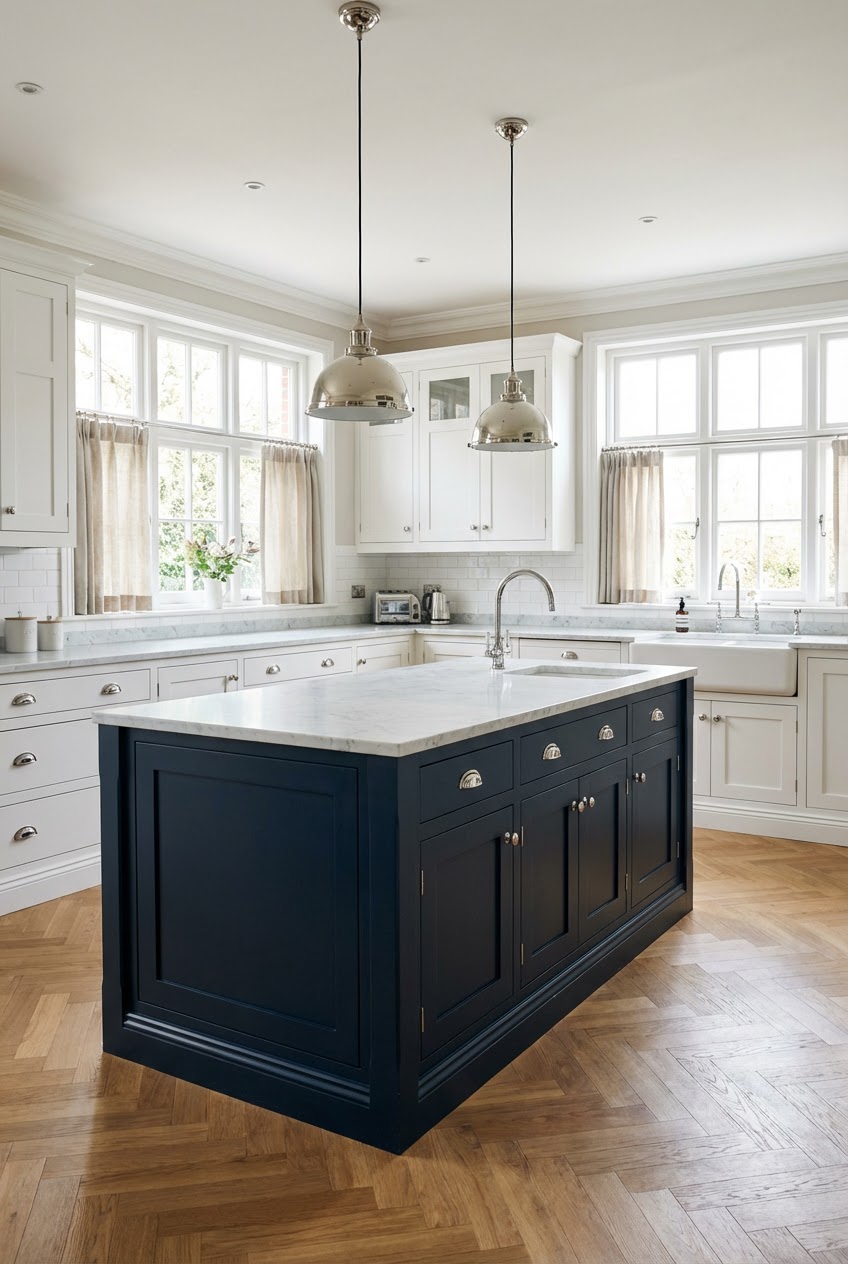
Where it works best, a carefully chosen color for cabinetry can define different zones within an open-concept farmhouse floor plan, subtly delineating the cooking area from the dining or living space. This thoughtful implementation ensures that the splash of color feels intentional and harmonious, rather than an afterthought. It’s a sophisticated way to add character without overwhelming the room, tying into the broader design scheme of the home. Think of it as a subtle anchor for a vibrant personality.
9. Mixed Metal Accents
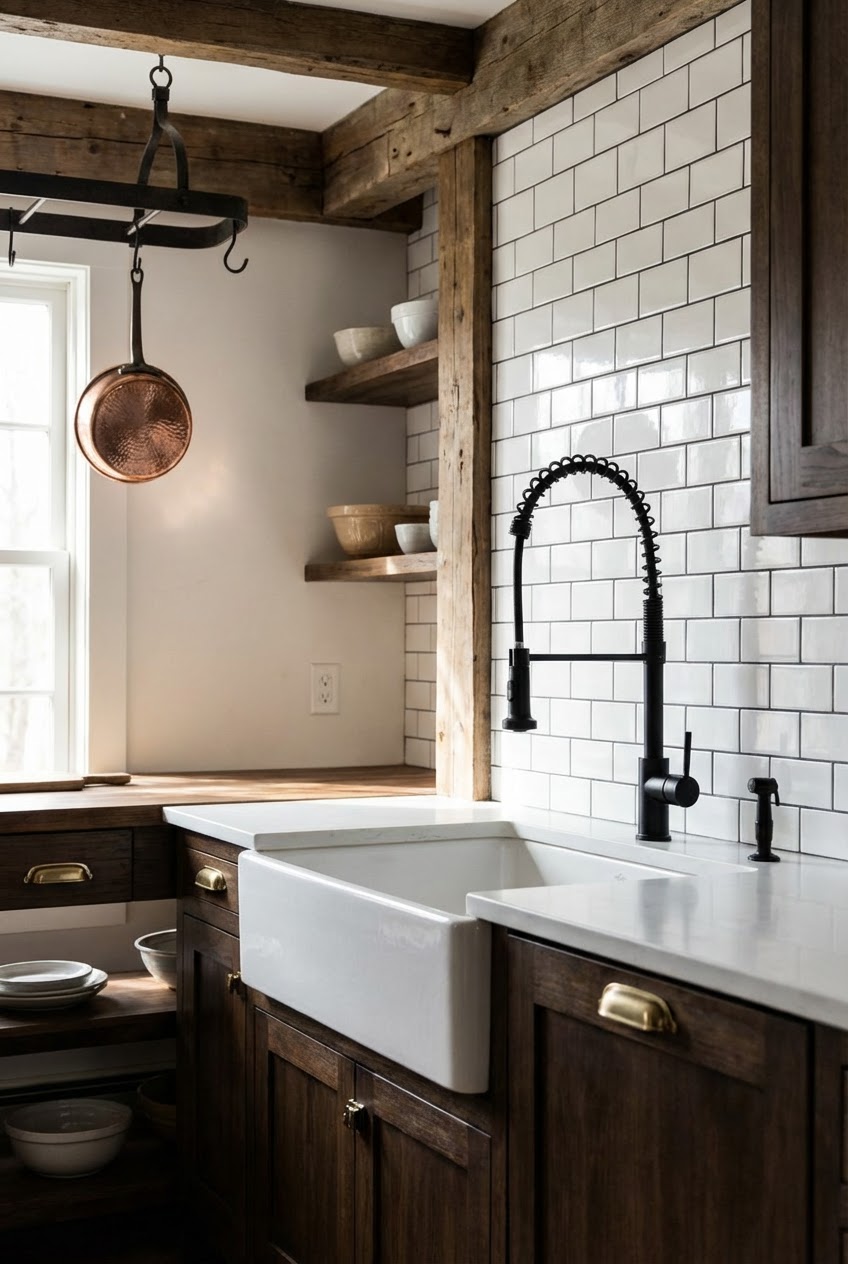
Breaking from the matchy-matchy aesthetic, mixed metal accents are a growing trend in the farmhouse kitchen, adding depth and visual interest. Pairing brass hardware with black matte faucets, or introducing copper pendant lights alongside stainless steel appliances, creates a dynamic and curated look. This eclectic approach fosters a more lived-in, collected feel, moving away from overly pristine interiors. The key is to ensure balance and choose metals that complement each other, rather than clash, resulting in a sophisticated yet approachable space. It’s about celebrating individuality and character.
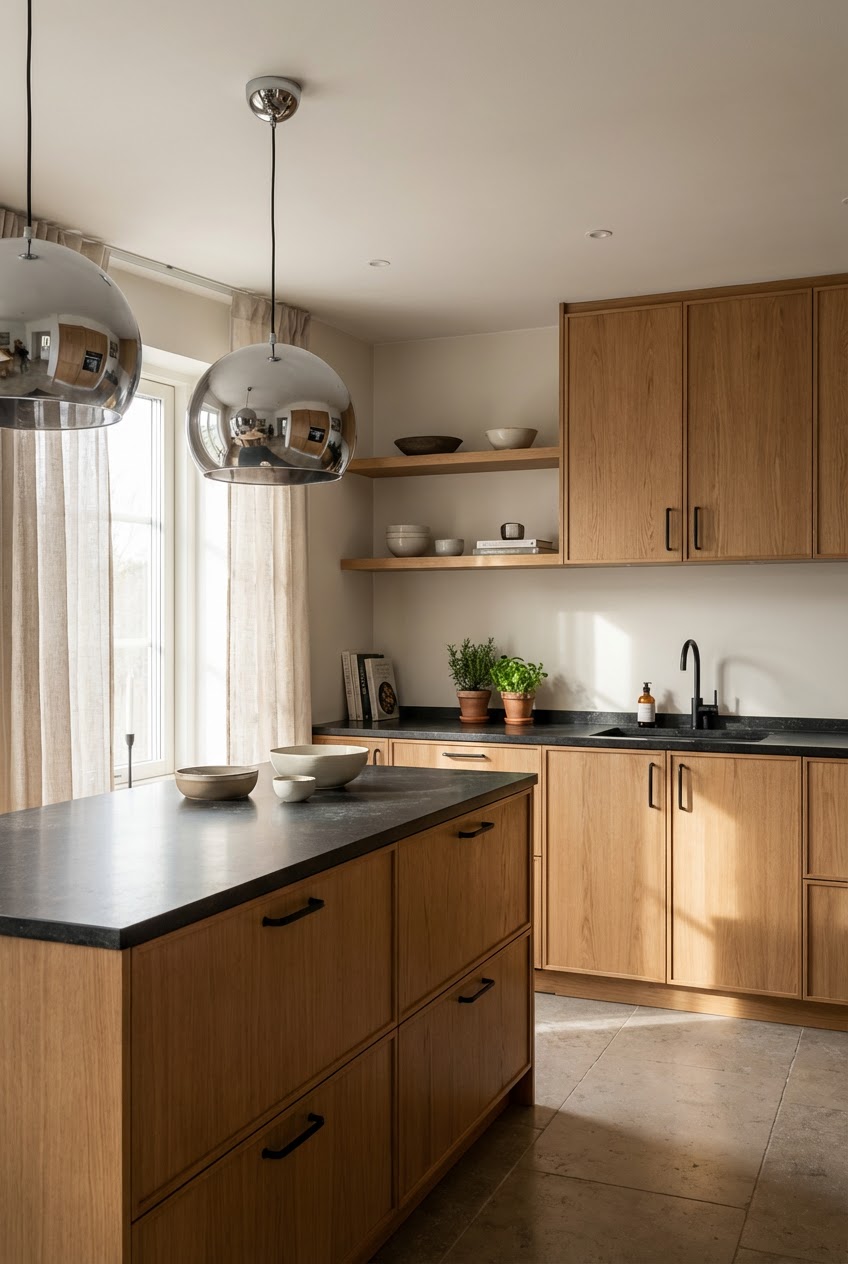
This trend allows for personal expression, enabling homeowners to infuse their unique style into the design. An expert-style commentary would advise using one dominant metal and then introducing one to two accent metals to maintain a cohesive look. For example, if brass is your primary hardware, consider hints of brushed nickel in lighting or plumbing fixtures. This nuanced approach prevents the space from looking chaotic, ensuring a sophisticated blend rather than a mismatched jumble.
10. A Vintage Range Hood
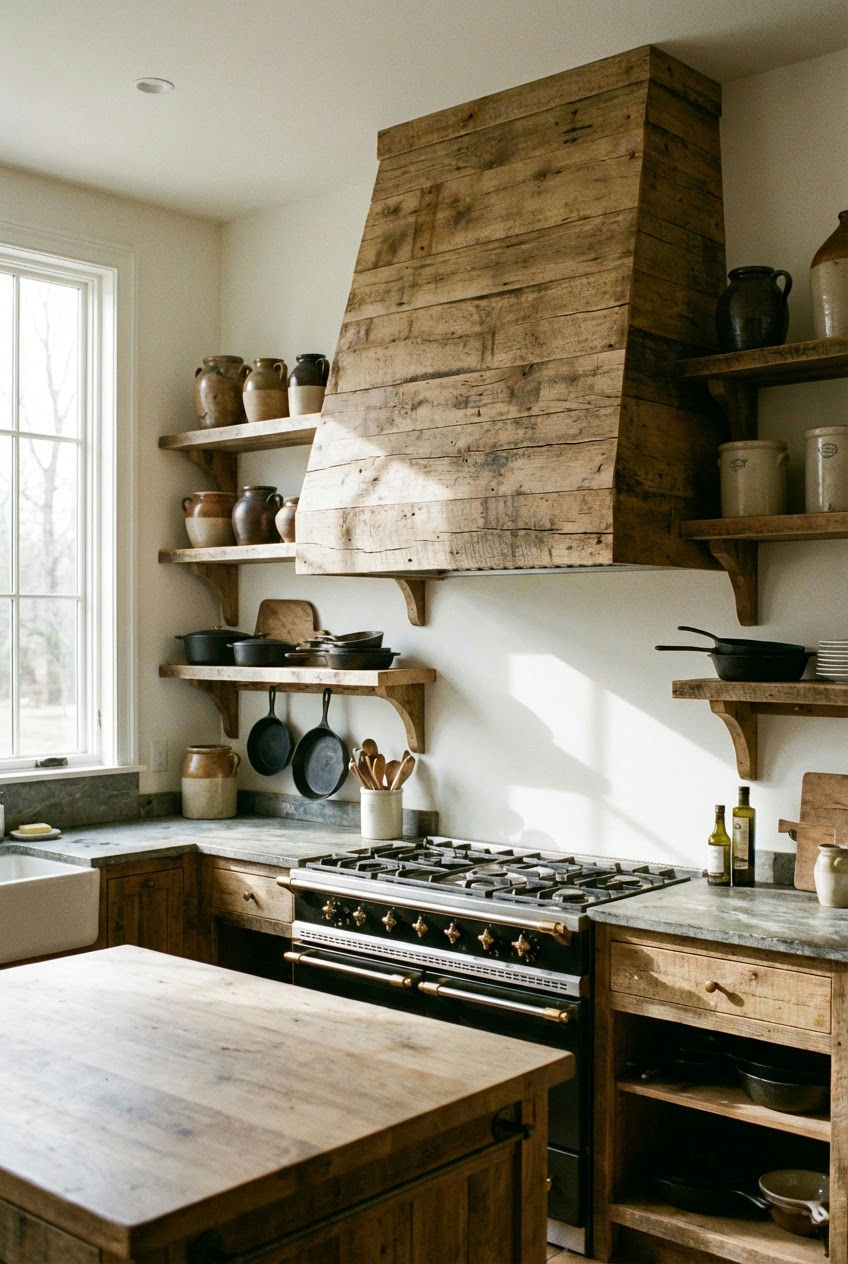
Beyond its utilitarian purpose, the range hood in a farmhouse kitchen is increasingly being treated as a major design statement. In 2026, we’re seeing a resurgence of vintage-inspired range hoods, often custom-built from hammered copper, distressed wood, or plaster. These elements provide a powerful focal point above the stove, grounding the entire cooking area and adding a layer of architectural interest that elevates the space. It’s a deliberate choice to integrate historic charm with modern functionality, creating a kitchen that feels both established and exceptionally stylish, telling a story of craftsmanship. This is truly where form meets function with character.
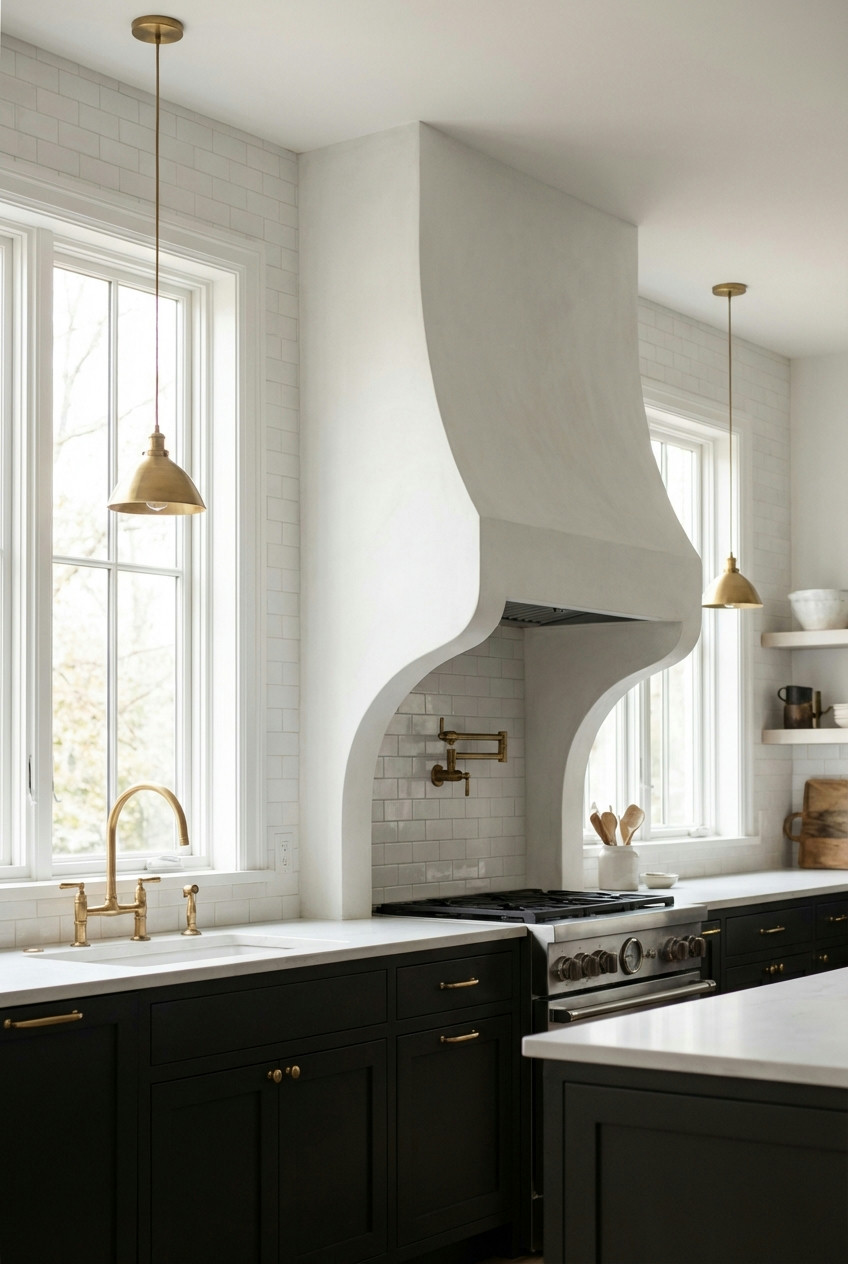
The placement and design of a statement range hood can significantly influence the kitchen’s overall symmetry and flow. This is a practical insight: ensure that the hood’s scale is appropriate for the stove and the room, as an oversized hood can overwhelm a small kitchen, while one too small will look lost. Investing in a beautiful, eye-catching hood is a worthwhile expense for anyone aiming to create an unforgettable farmhouse aesthetic.
11. Reclaimed Wood Elements
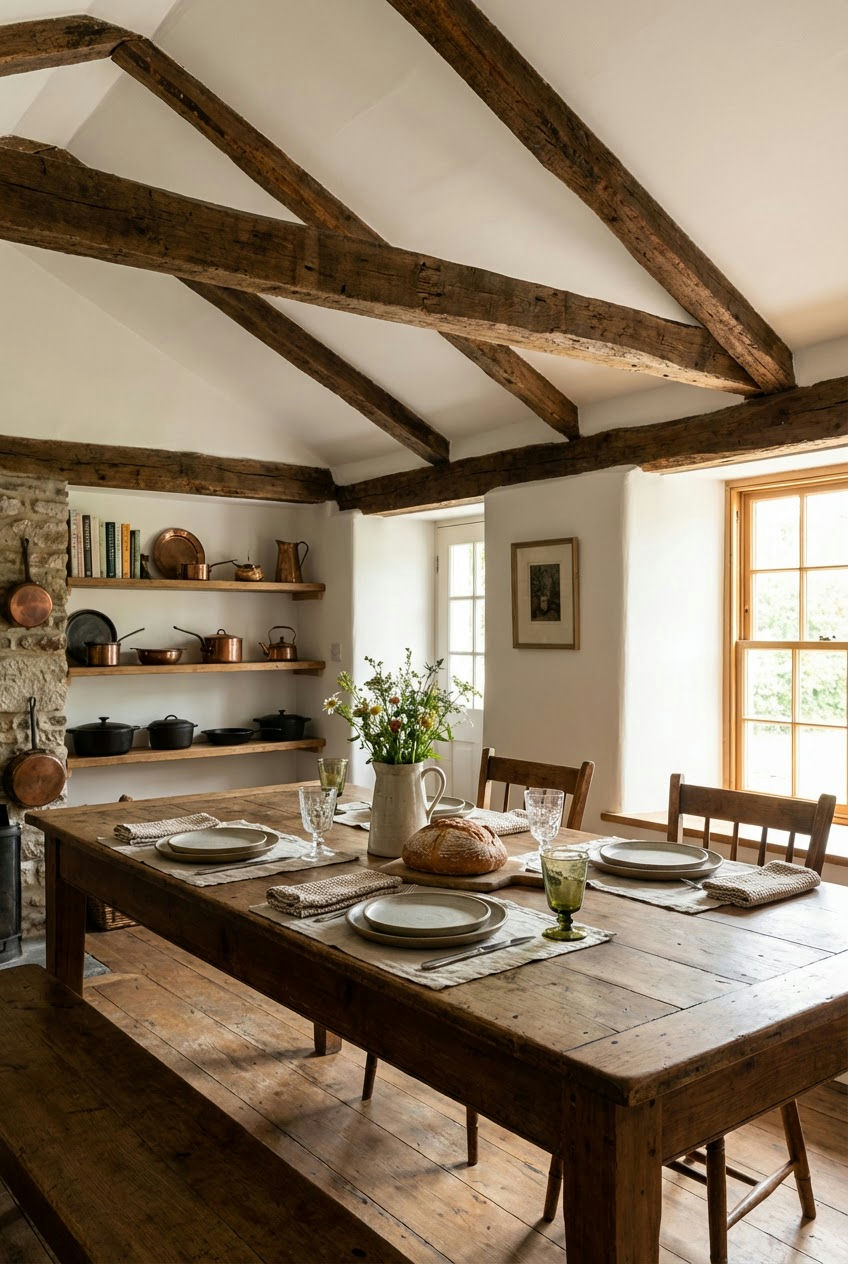
Reclaimed wood continues to weave its way into the farmhouse kitchen, imparting a sense of history and sustainable charm. Whether it’s used for ceiling beams, an accent wall, or even a custom island, the unique character of reclaimed timber adds unparalleled depth and warmth. Each piece tells a story through its imperfections, knots, and aged patina, making every kitchen truly one-of-a-kind. This eco-friendly choice not only looks beautiful but also supports environmental consciousness, aligning with a more thoughtful approach to interior design. It’s a rustic elegance that feels deeply authentic.
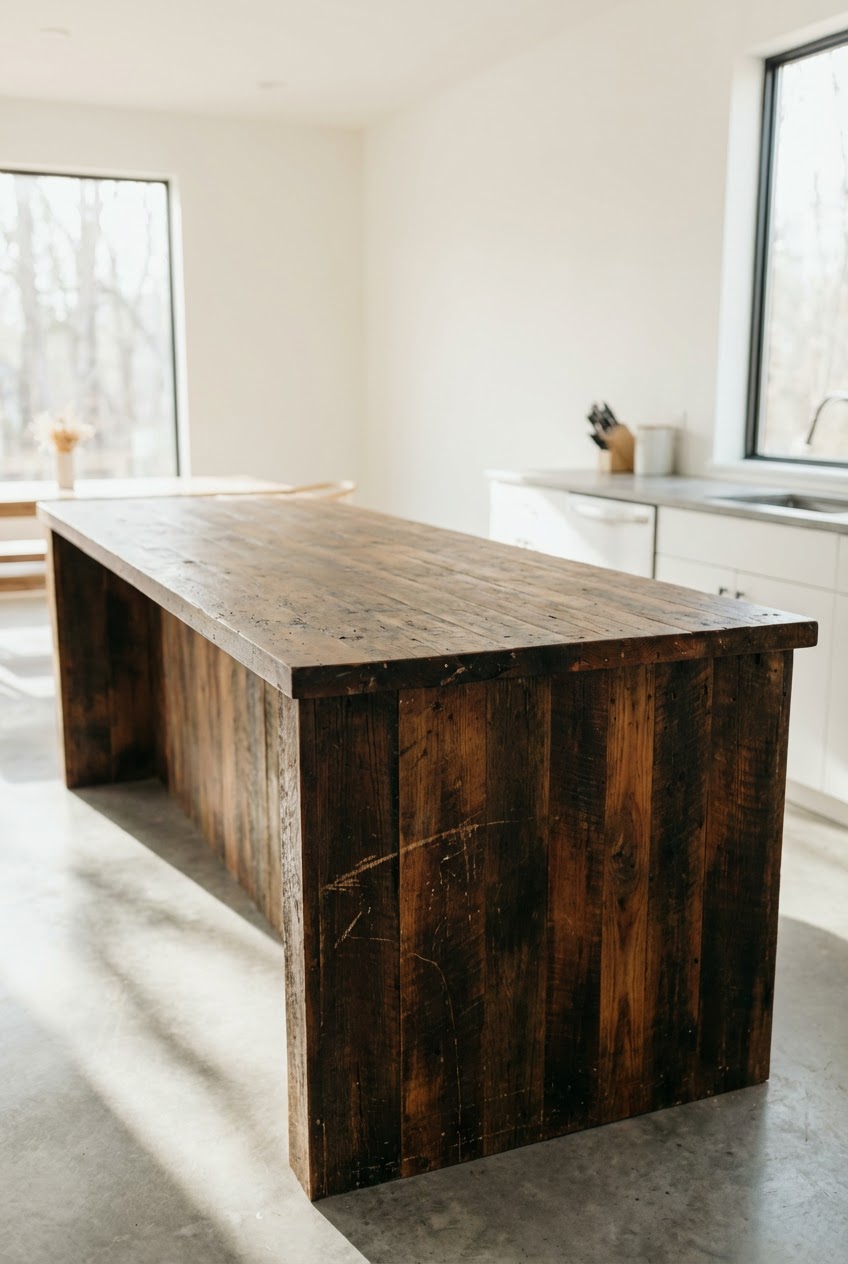
For those living an American lifestyle, incorporating reclaimed wood often connects to a sense of heritage and enduring craftsmanship, evoking images of old barns and sturdy homesteads. My neighbor, who lives in a converted farm, sourced all his ceiling beams from a derelict stable on his property, giving his kitchen unparalleled authenticity. It’s about bringing the outside in, creating a dialogue between past and present within the heart of the home, a hallmark of the true farmhouse aesthetic.
12. Patterned Tile Backsplashes
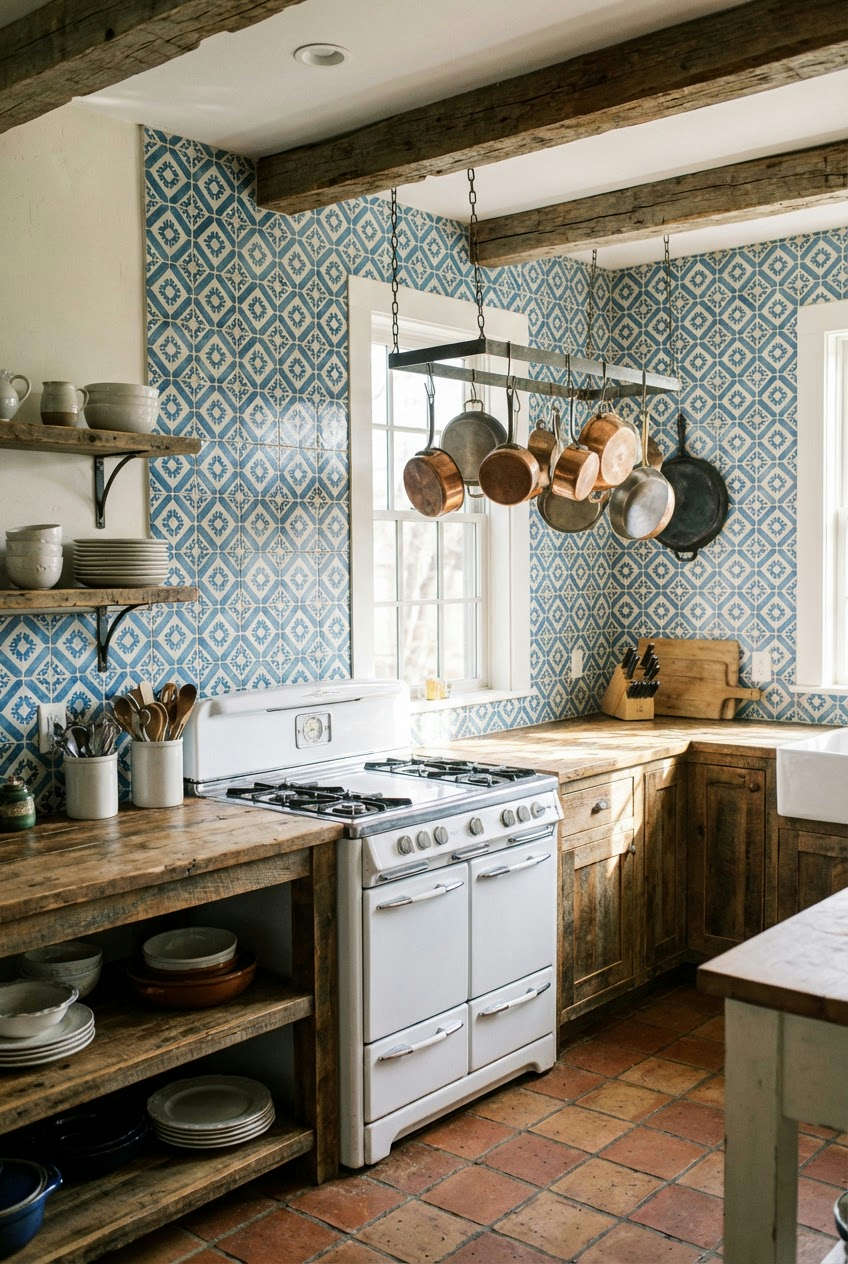
Adding a patterned tile backsplash is an excellent way to introduce personality and a touch of the unexpected to a farmhouse kitchen. Moving beyond simple subway tiles, homeowners are exploring intricate geometric designs, charming floral motifs, or classic encaustic patterns. These tiles become a piece of art, drawing the eye and infusing the space with color and visual texture. They can create a focal point behind the stove or run the entire length of the counter, transforming a utilitarian area into a statement of style and craftsmanship. It’s a bold yet beautiful decision that can truly define a kitchen’s character.
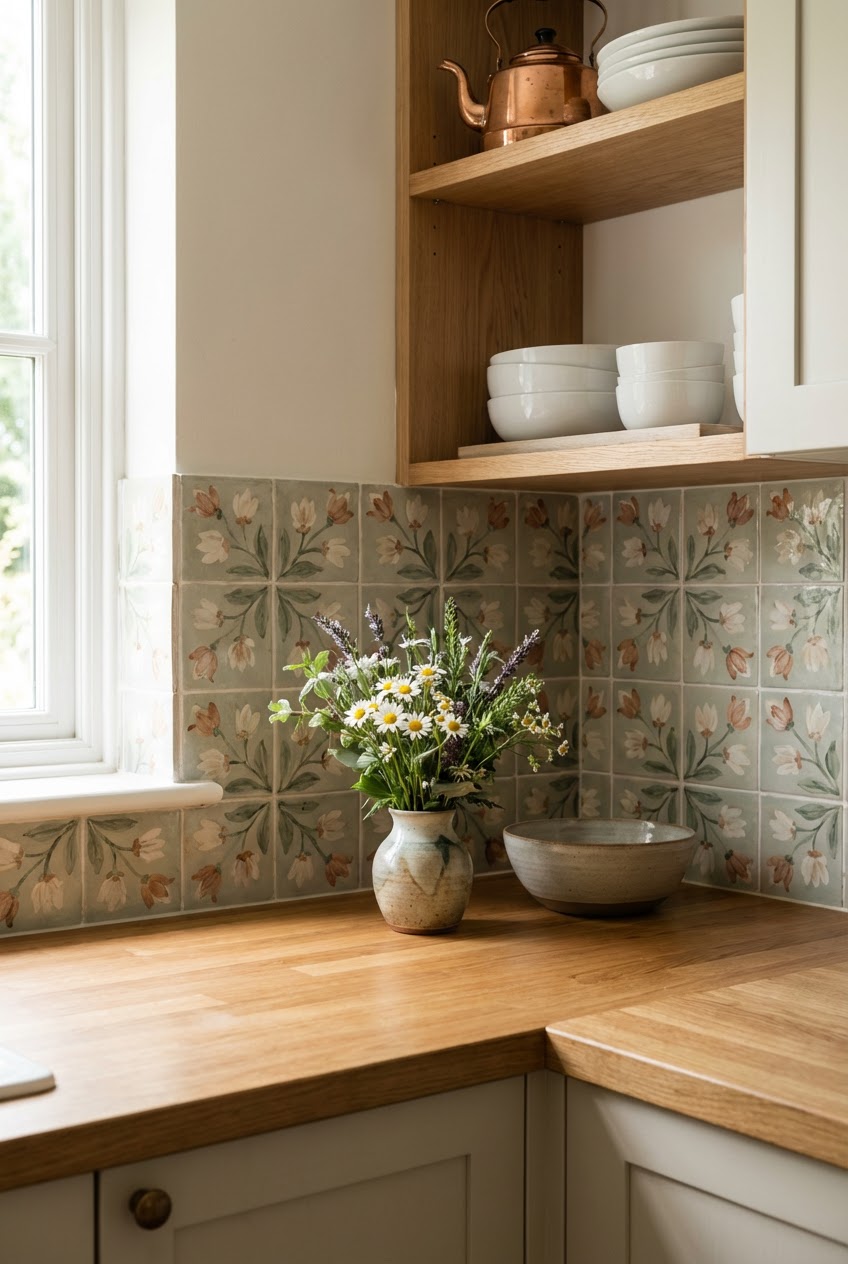
The beauty of patterned tiles is that they allow for significant impact even in small doses, making them a relatively budget-friendly way to upgrade your farmhouse space without a complete overhaul. Just ensure the pattern complements the overall kitchen design, rather than competing with it. A common mistake is choosing a pattern that is too busy for the scale of the kitchen, creating visual clutter instead of serene beauty. Always consider the balance between boldness and harmony for a truly stunning result.
13. Walk-In Pantry Perfection
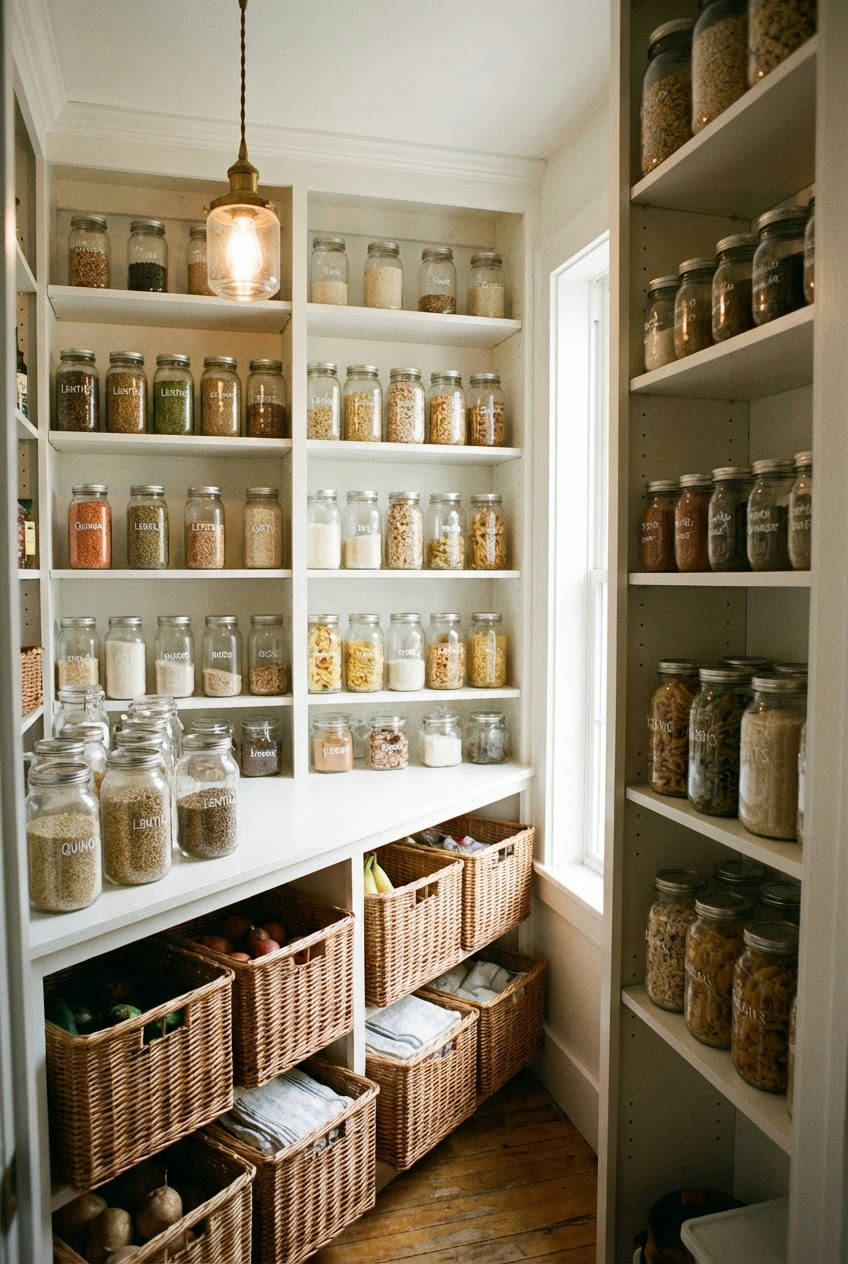
A well-organized walk-in pantry is becoming an indispensable feature in the farmhouse kitchen, offering both practical storage and a touch of nostalgic charm. Beyond simply housing groceries, these pantries are evolving into extensions of the kitchen itself, with stylish shelving, sometimes a small prep counter, and even vintage-inspired lighting. They provide a dedicated space to keep clutter out of sight, while still allowing for easy access to essentials, embodying the organizational ideals of a busy household. It’s the ultimate luxurious utility space, merging function with aesthetic pleasure.
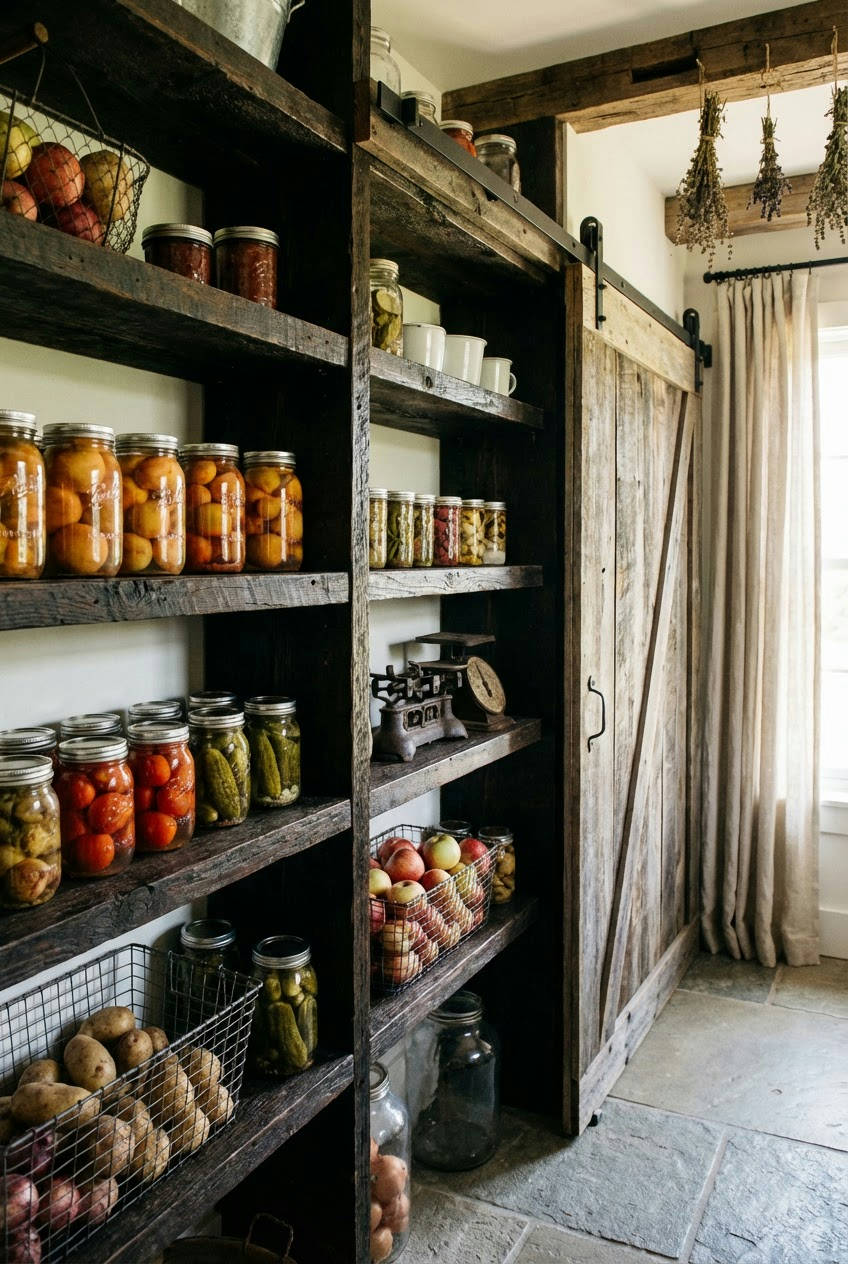
For those living an American lifestyle, the walk-in pantry harks back to an earlier era of self-sufficiency, making it particularly appealing for its blend of practicality and tradition. This feature is especially valued in larger family homes where bulk buying and home cooking are frequent. It offers an invaluable layer of storage that elevates the daily functionality of the entire farmhouse layout, allowing the main kitchen area to remain clean and visually appealing. It’s where practicality meets enduring rural charm.
14. Cozy Breakfast Nook
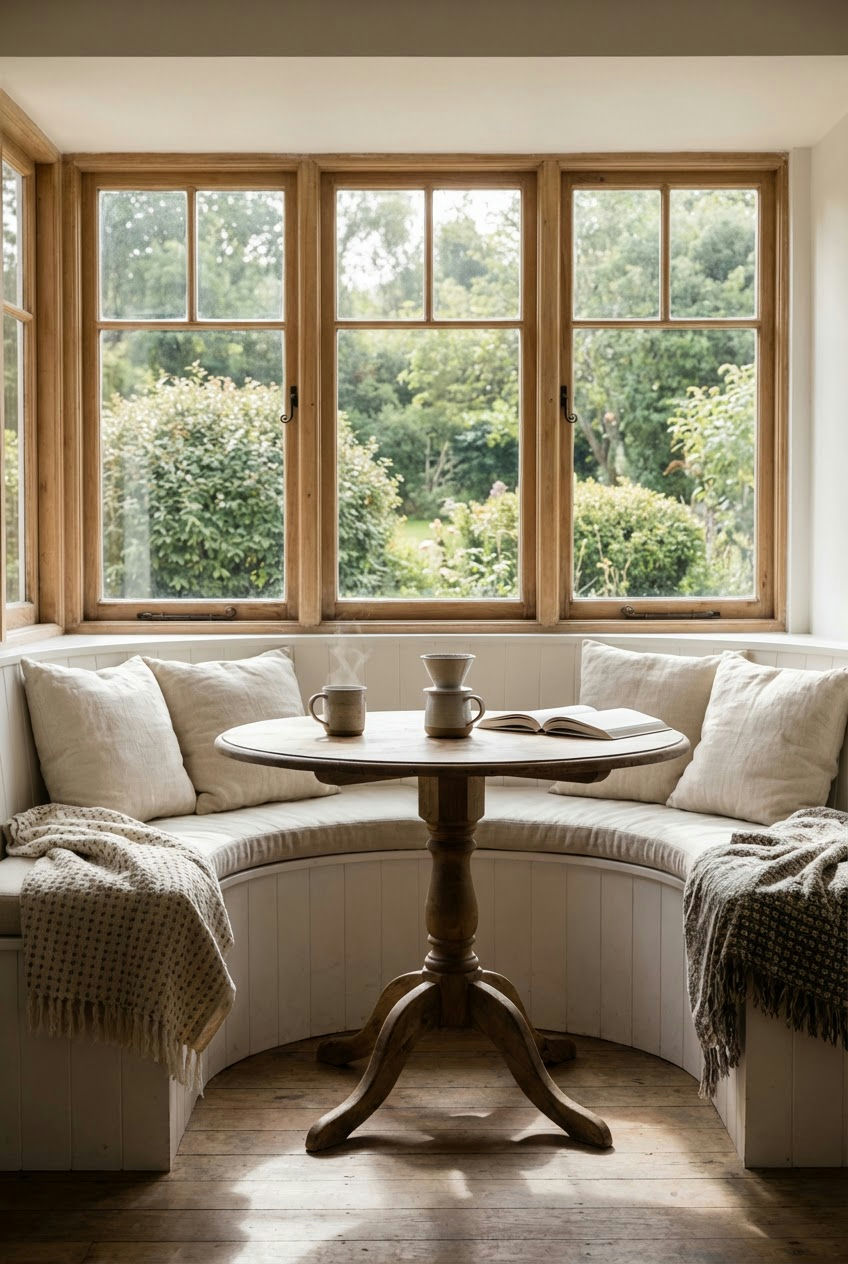
A dedicated cozy breakfast nook is a delightful addition to any farmhouse kitchen, offering an inviting spot for casual meals, morning coffee, or even homework. These intimate spaces often feature built-in banquettes with soft cushions, a sturdy wooden table, and charming pendant lighting. They create a distinct zone for gathering and connection, fostering a sense of community within the home. It’s about more than just eating; it’s about making memories and enjoying quiet moments, perfectly embodying the warm, family-centric spirit of the farmhouse aesthetic. This personal corner becomes a delightful retreat.
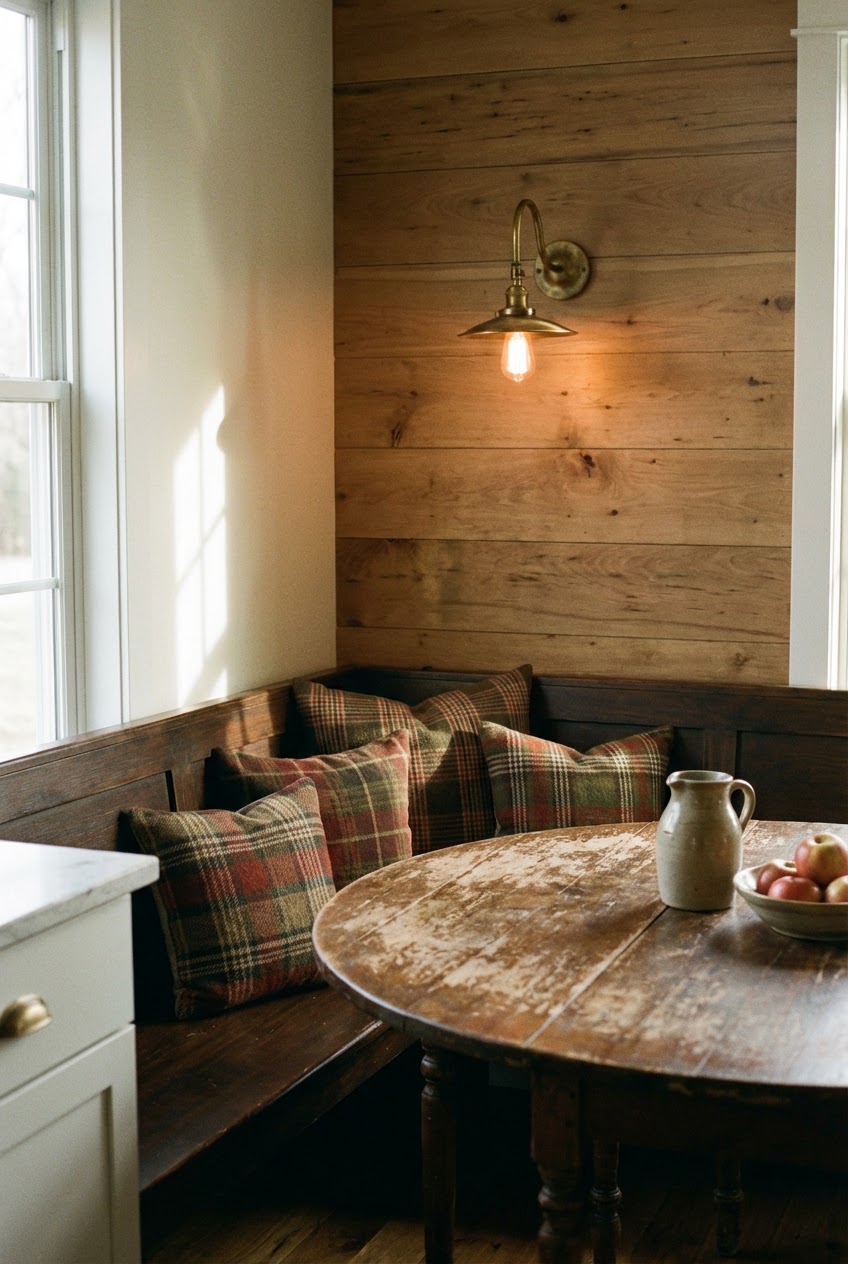
When designing a breakfast nook, it’s a practical insight to consider the flow of traffic in the kitchen to ensure it doesn’t impede movement. A corner banquette is often the most space-efficient solution. This thoughtful planning helps integrate the nook seamlessly into the overall layout, ensuring it’s a comfortable and functional extension of the farmhouse kitchen rather than an awkward addition. It’s about creating a harmonious environment where every element serves a purpose.
15. Rustic Island Accents
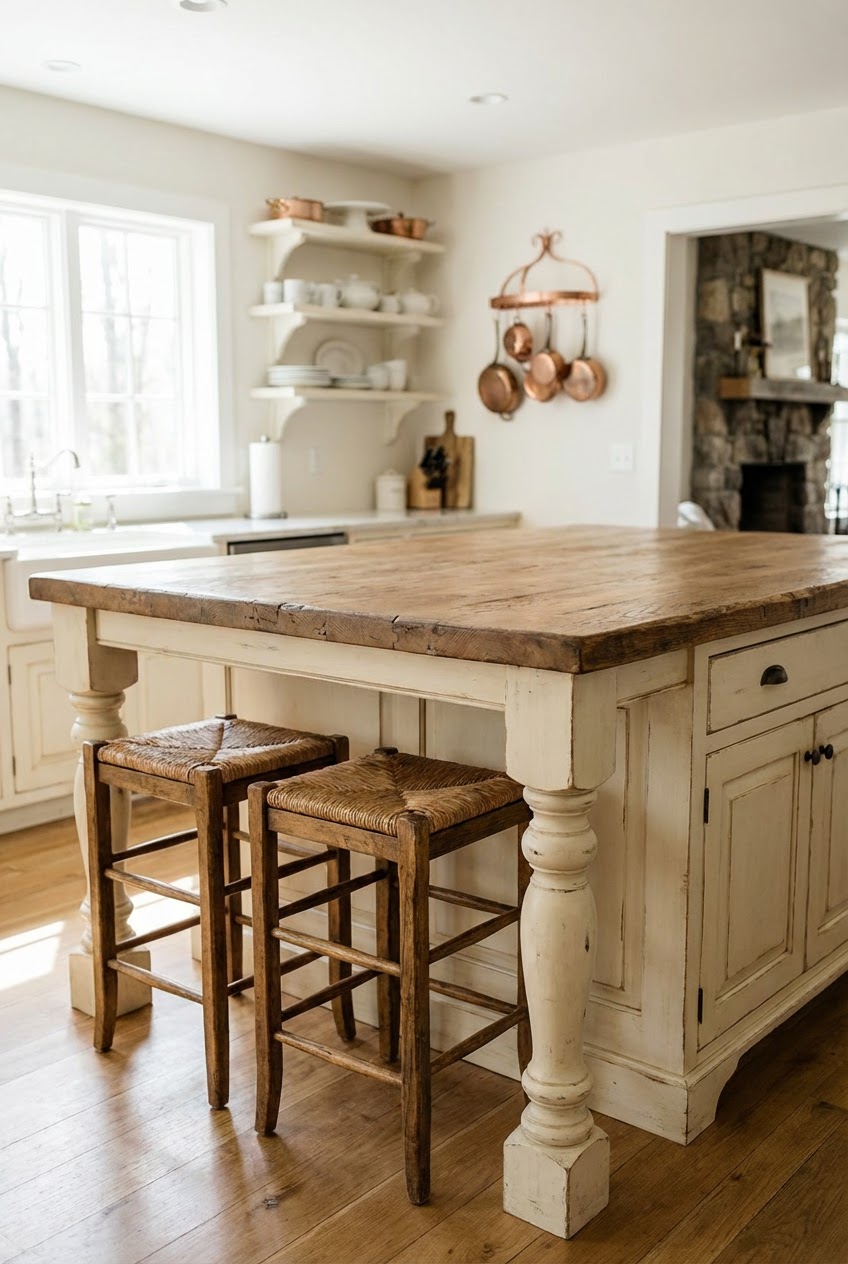
The kitchen island is a natural focal point in the farmhouse kitchen, and in 2026, it’s being enhanced with rustic accents that add unique character. This might include using distressed wood finishes, incorporating vintage-style legs or supports, or adding open shelving to display charming decor. These details transform a simple functional piece into a statement of style, reinforcing the classic rustic aesthetic. Imagine a substantial island with a raw wood top and painted base, providing a central gathering spot that feels both practical and undeniably charming. It’s an anchor that brings the whole space together.
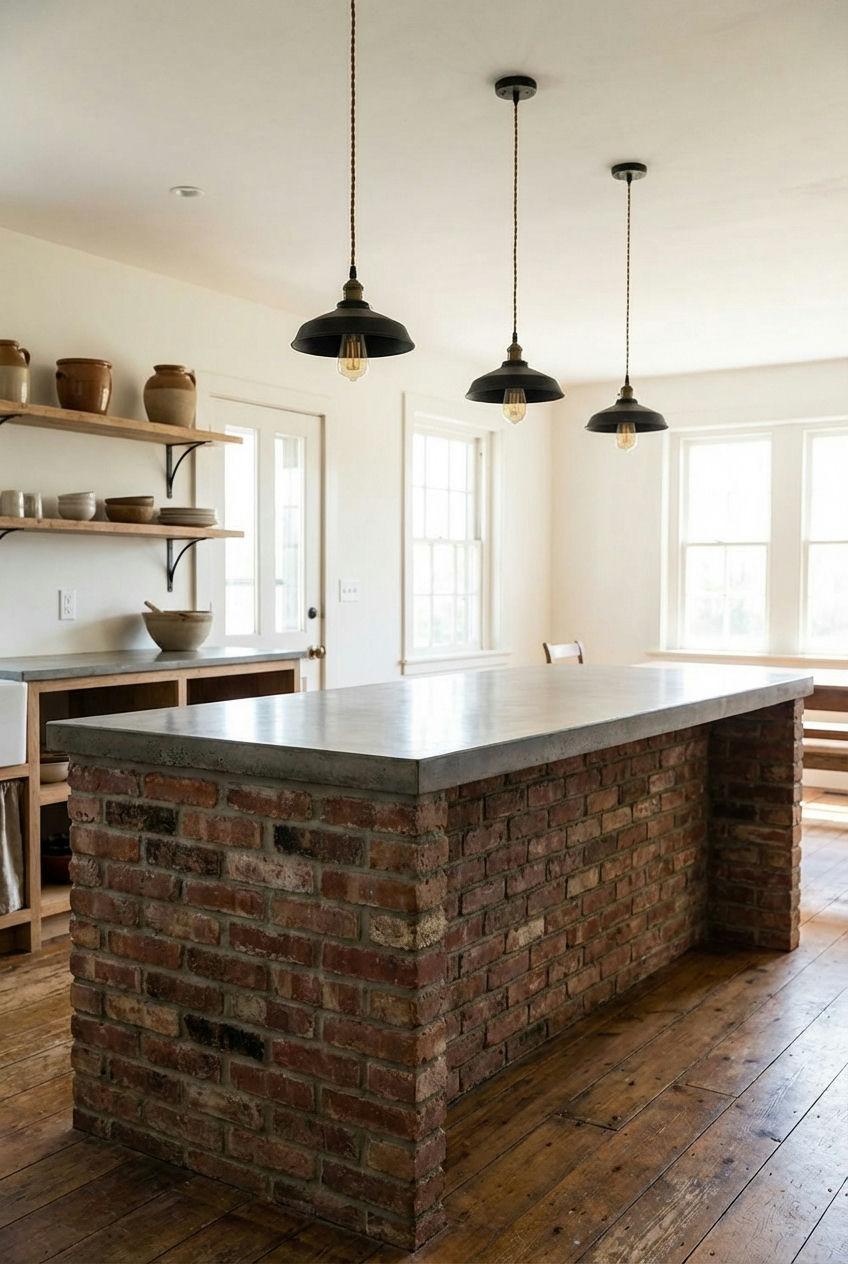
When considering rustic island accents, homeowners often get excited about the visual appeal but forget about incorporating essential functionality. An expert-style commentary would highlight the importance of planning for ample storage, seating, and potentially even a prep sink, ensuring the island is not just beautiful but also highly efficient. This balance of form and function is key to a truly successful farmhouse design, making the most out of this central component. It’s about creating a hardworking centerpiece that also delights the eye.
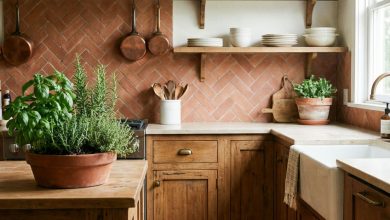
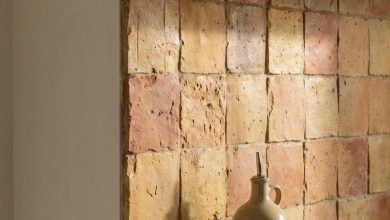
16. Terracotta Tile Floors
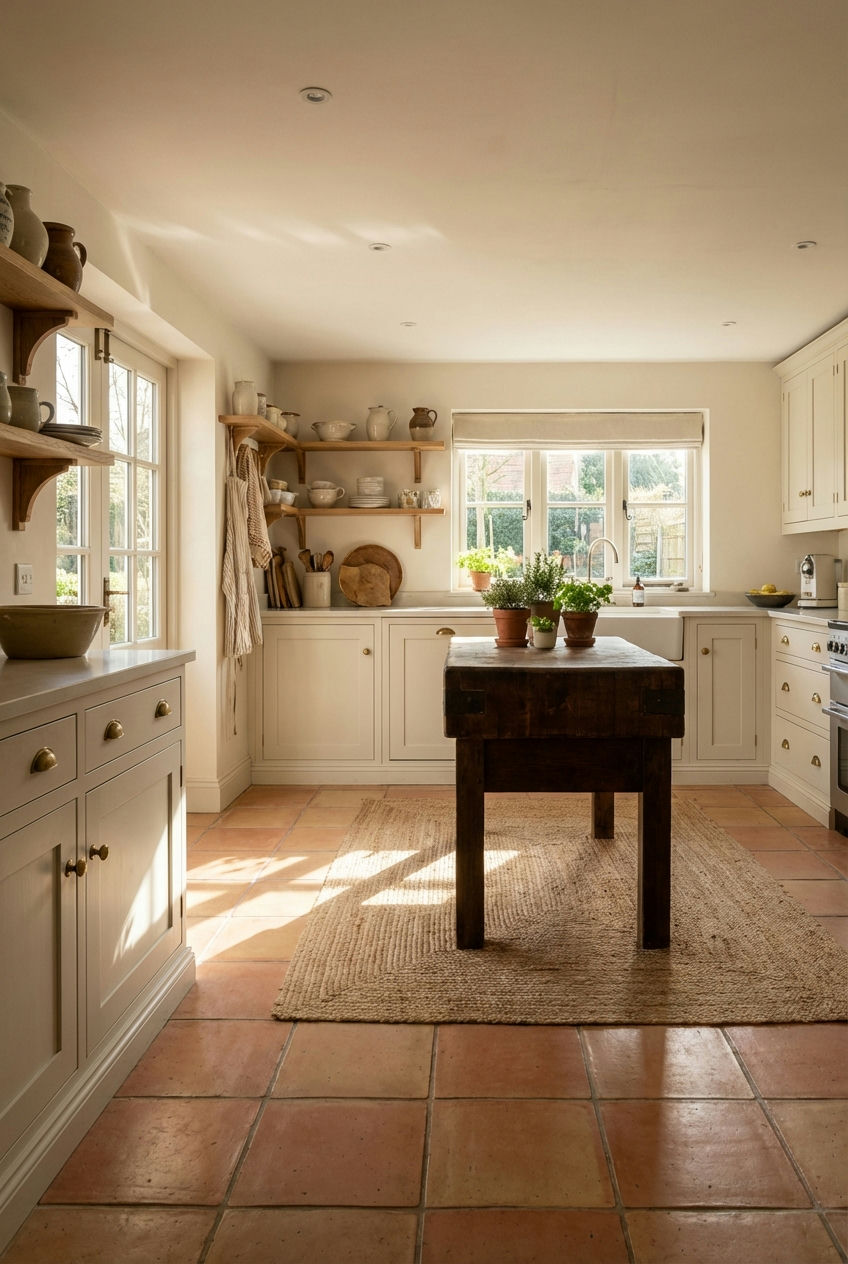
Terracotta tile flooring is making a warm and earthy comeback in the farmhouse kitchen, offering a beautiful alternative to traditional wood or white tile. Its rich, rustic hues and natural texture bring a Mediterranean-inspired charm that grounds the space. These durable tiles are incredibly forgiving and develop a beautiful patina over time, enhancing their classic appeal. Paired with crisp white cabinetry or natural wood, terracotta creates a stunning contrast that feels both inviting and sophisticated. It’s a timeless choice that evokes a sense of enduring craftsmanship and sun-drenched European countryside. This choice truly tells a story of warmth and tradition.
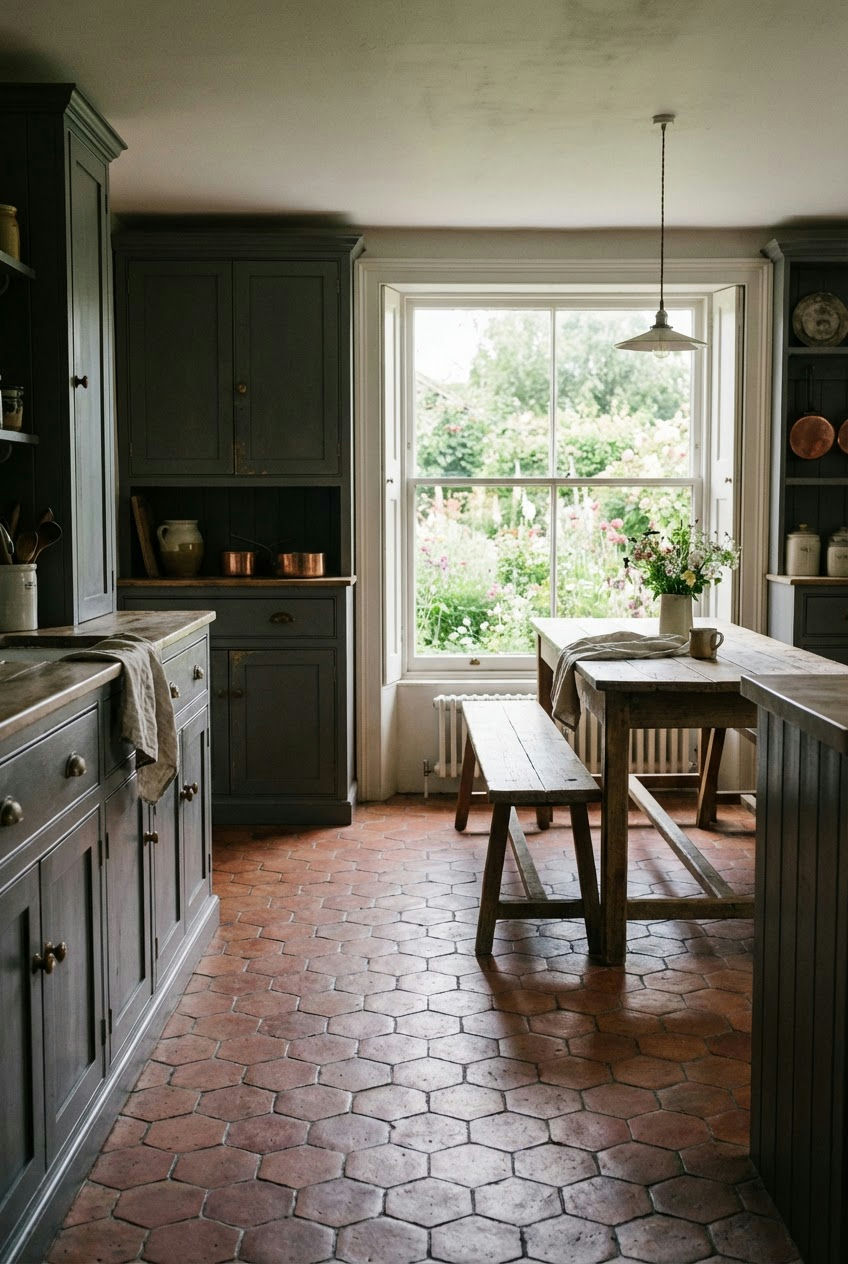
While terracotta tile is beautiful, it does require sealing to protect against stains and moisture. This is a practical insight for anyone considering this flooring: regular sealing is crucial to maintain its integrity and appearance over time. However, its natural variations and durability make it an excellent choice for high-traffic areas, providing a lasting foundation for any farmhouse design. Its rich character and resilience truly make it a standout choice for the heart of the home, bringing a touch of the Mediterranean to an American lifestyle.
17. Exposed Brick Walls
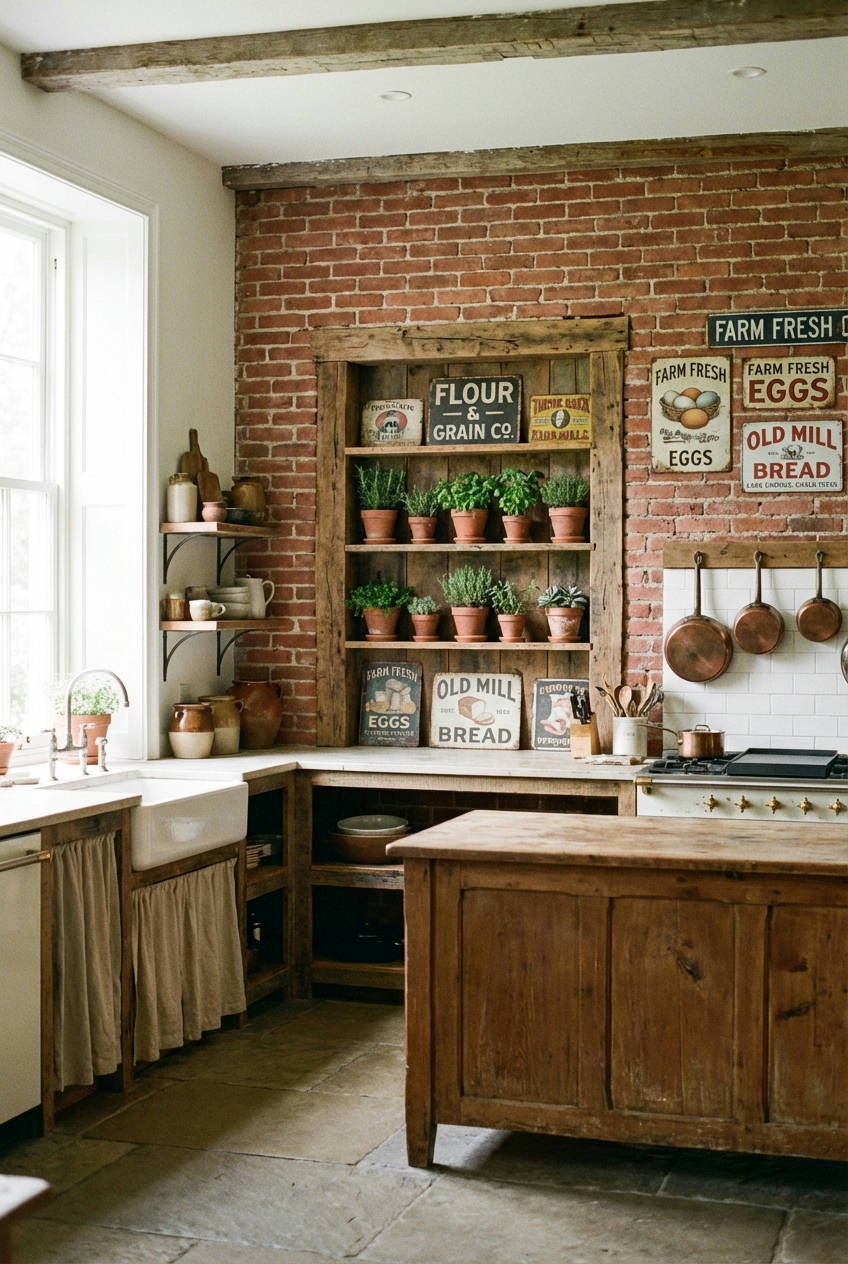
An exposed brick wall brings a wonderful industrial-meets-rustic vibe to the farmhouse kitchen, adding incredible texture and character. Whether left in its natural state or lightly limewashed, brick tells a story of history and authenticity, creating a stunning backdrop for modern amenities. It’s a robust element that grounds the space, lending an immediate sense of warmth and permanence. This architectural feature can be a powerful focal point, especially when juxtaposed with clean lines and contemporary fixtures, making the kitchen feel both raw and refined. It’s a testament to enduring material and craftsmanship.
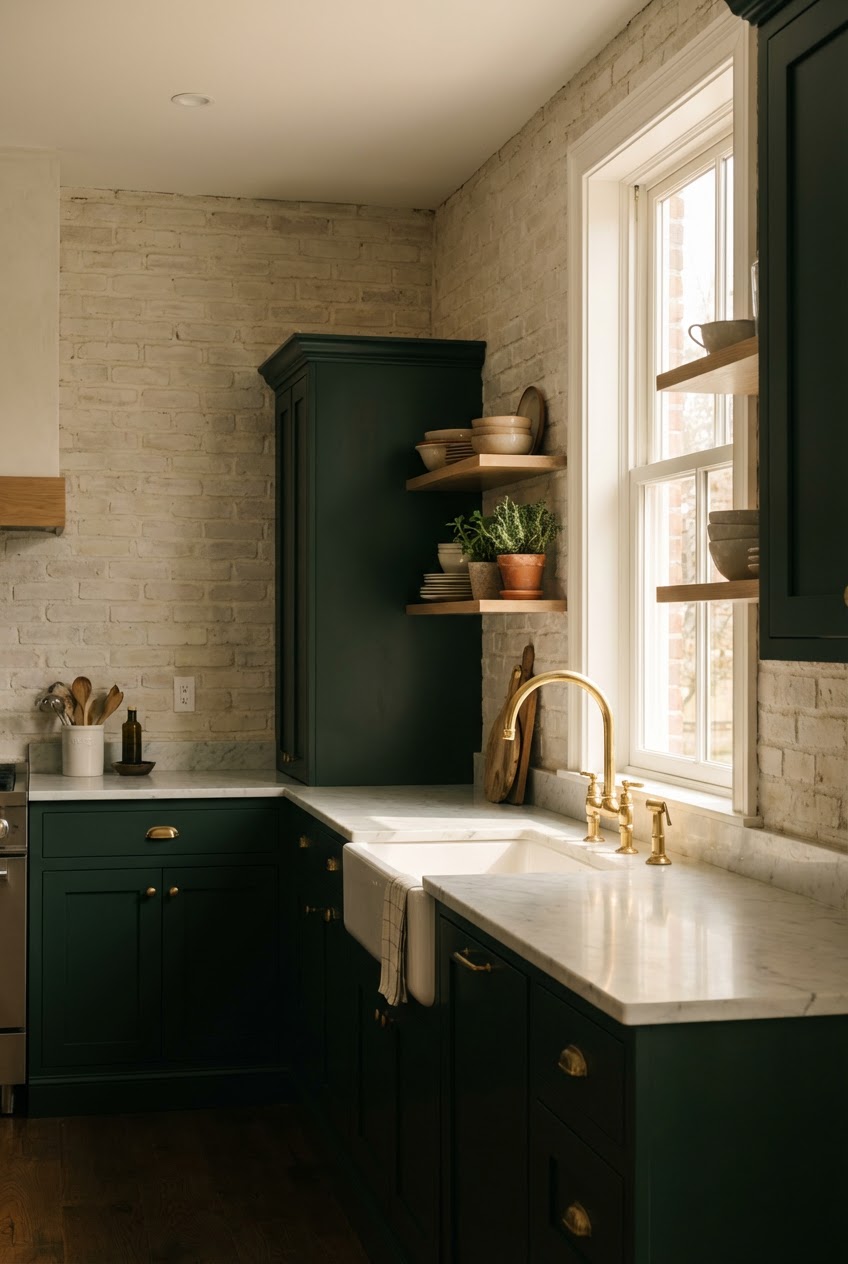
Where it works best, an exposed brick wall can define a specific zone, such as the range area or a breakfast nook, creating a subtle division within an open-concept farmhouse layout. It’s important to consider sealing the brick to prevent dust and make it easier to clean, especially in a kitchen environment. This thoughtful approach ensures that the raw beauty of the brick remains a feature, rather than becoming a maintenance headache, perfectly balancing rustic charm with practical living, a key element of the American lifestyle.
18. Vintage Rugs or Runners
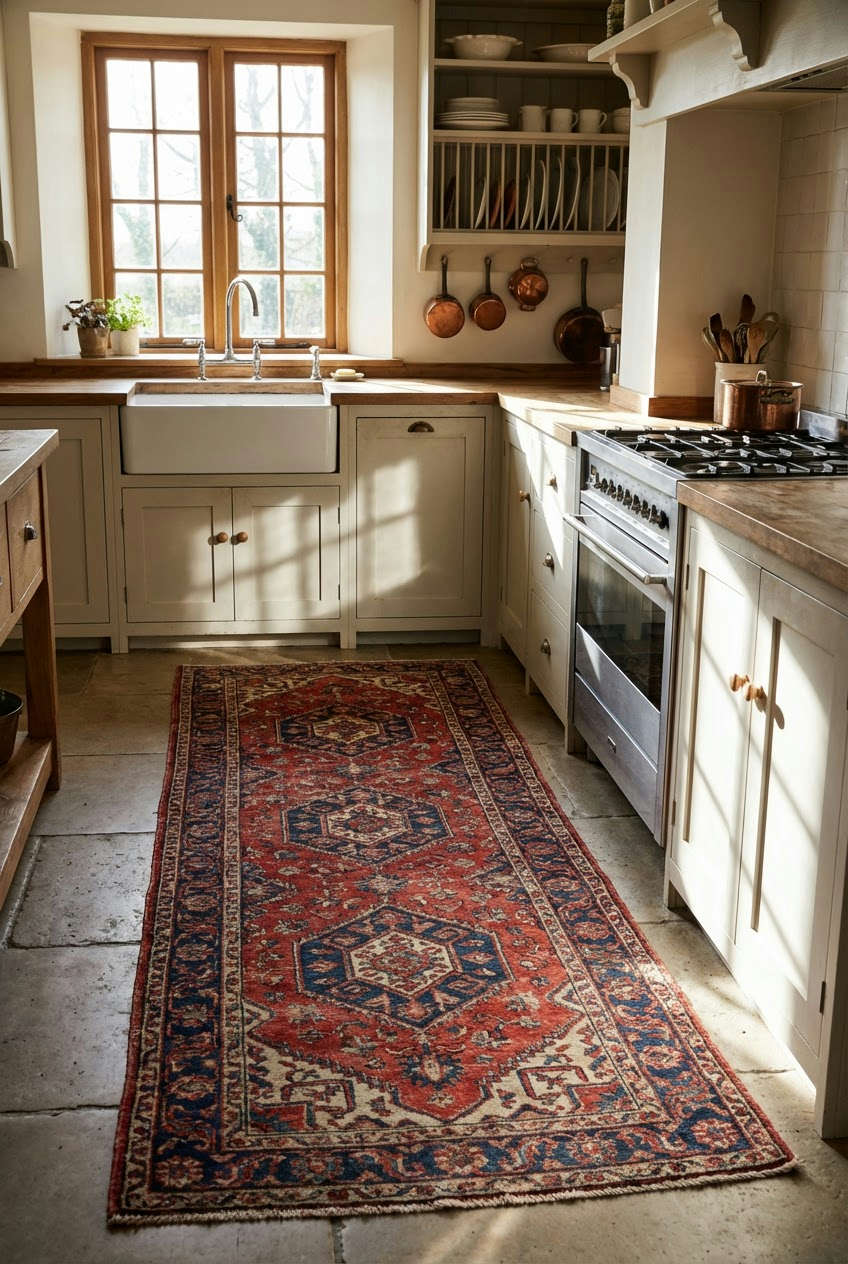
Layering a vintage rug or runner is a simple yet impactful way to add color, texture, and warmth to a farmhouse kitchen. These textiles bring a sense of history and lived-in charm, softening the hard surfaces typically found in a kitchen. A beautifully aged Oushak or a classic Kilim rug can introduce subtle patterns and rich hues that complement the rustic aesthetic. Placed in front of the sink or along a busy thoroughfare, they also offer a comfortable footing, making the space feel more inviting and less sterile. It’s a delightful touch of heritage and comfort. Real homeowner behavior reflects this trend, as they adore the character these items bring.
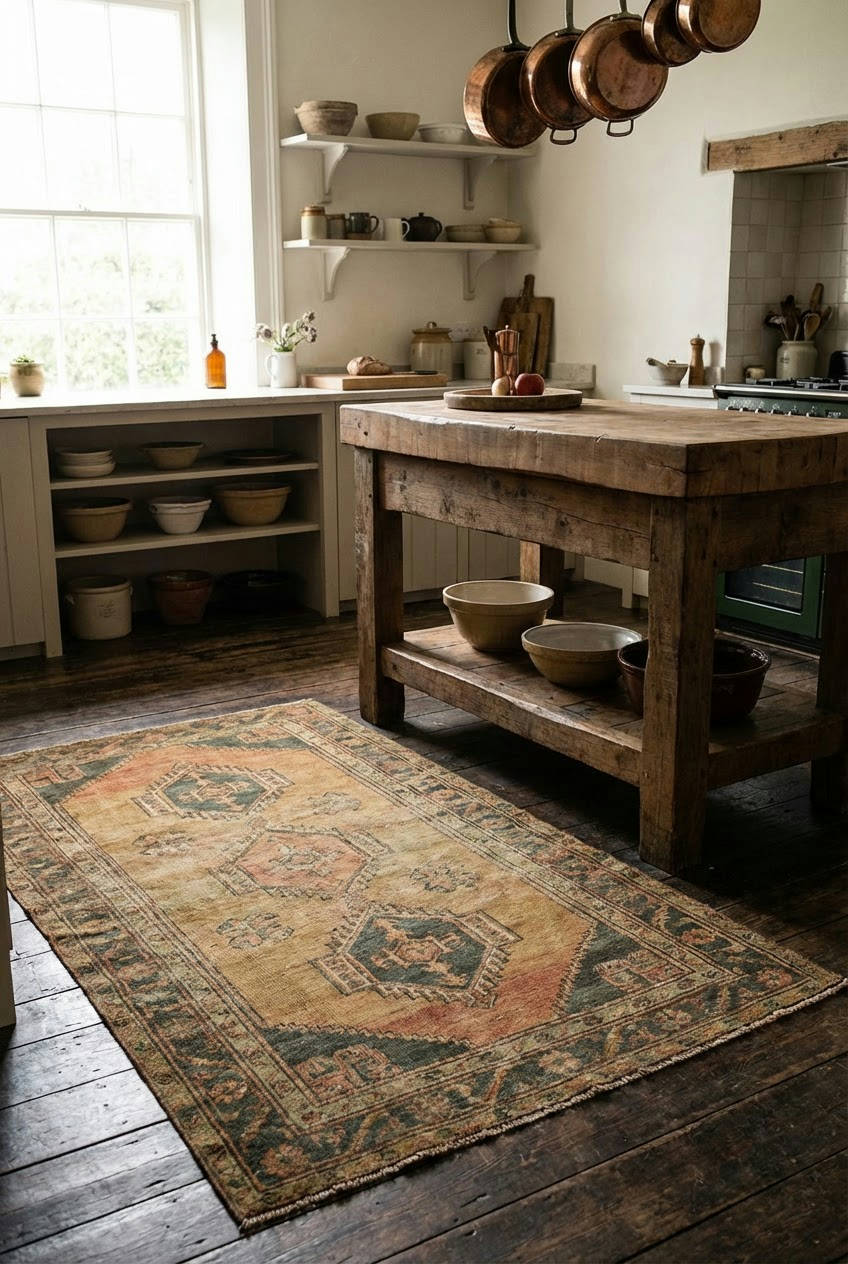
When choosing a rug for the kitchen, opt for low-pile options that are easy to clean and can withstand high traffic. Rubber rug pads are essential to prevent slipping, ensuring safety in a bustling environment. While a larger rug can anchor an open-concept space, a strategically placed runner can define a work zone. This practical insight ensures that your beautiful vintage piece remains both aesthetically pleasing and functional, maintaining the inviting yet hardworking nature of any farmhouse design strategy.
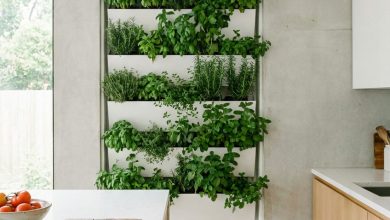
19. Vertical Garden or Herb Wall
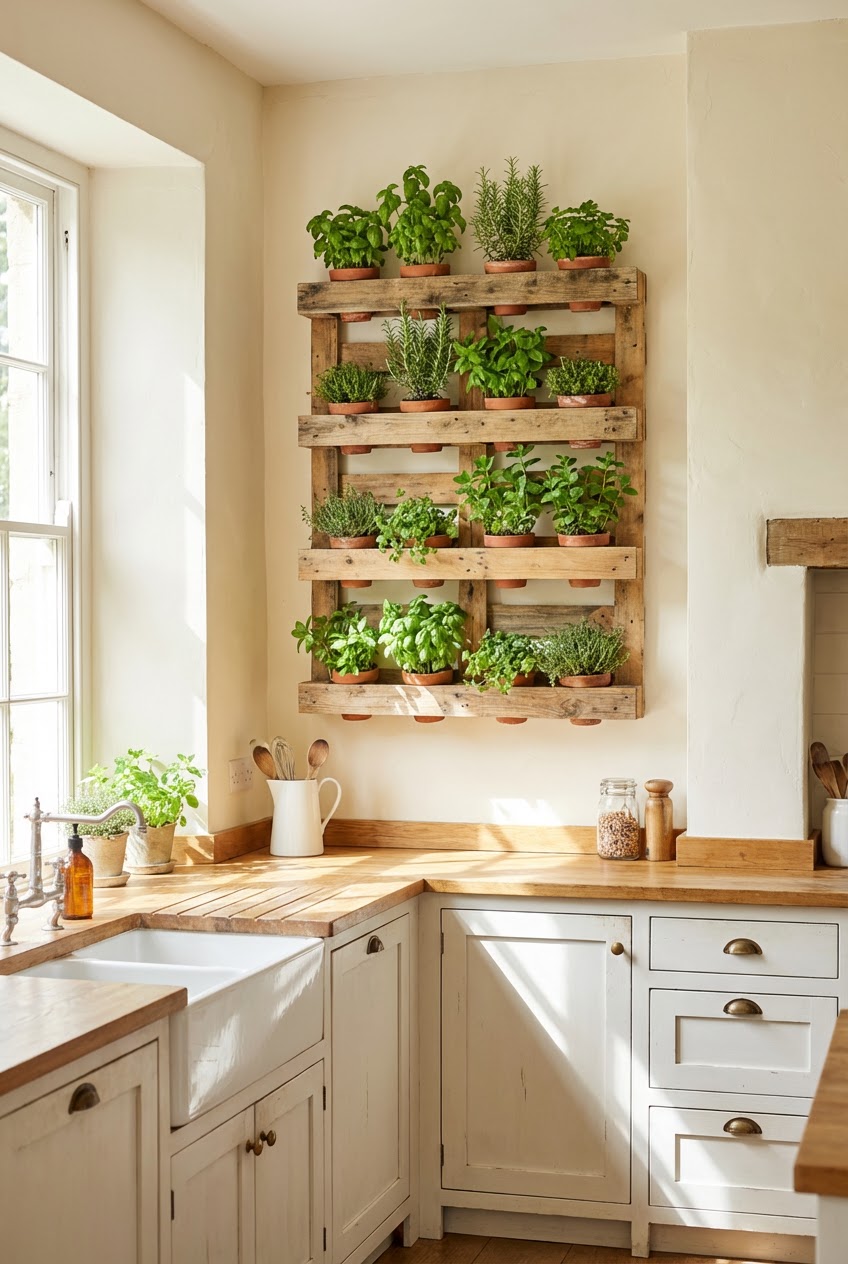
Bringing the outdoors in, a vertical garden or herb wall is a fresh and practical trend for the farmhouse kitchen. This innovative feature not only adds a touch of vibrant greenery but also provides a ready supply of fresh herbs for cooking. Whether it’s a simple wall-mounted planter system or an elaborate hydroponic setup, it introduces an organic element that enhances the natural aesthetic. It’s a focal point that connects the kitchen to nature, contributing to a sense of well-being and freshness, embodying the wholesome spirit of farmhouse living. Imagine the aromatic delight of fresh basil and rosemary just a reach away.
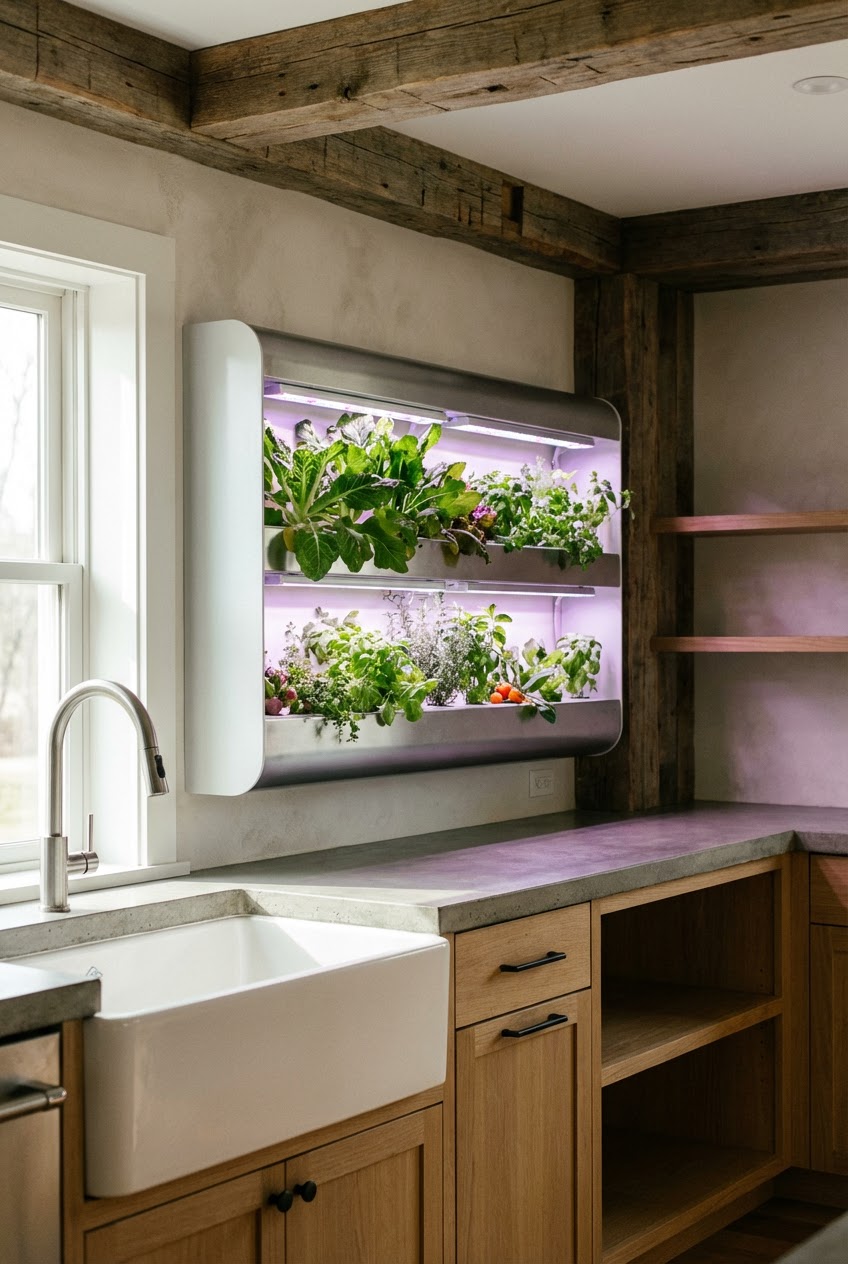
For those interested in sustainable living and fresh ingredients, a vertical garden is a perfect fit for the American lifestyle. It is a budget-friendly way to introduce biophilic design elements without excessive cost. You can start small with a few wall-mounted pots, scaling up as your green thumb grows. This simple addition not only looks good but also contributes to a healthier cooking environment, making your kitchen feel alive and dynamic, truly enhancing the experience of a farmhouse dwelling. It’s about bringing nature’s best right into your culinary space.
20. Scullery or Prep Kitchen
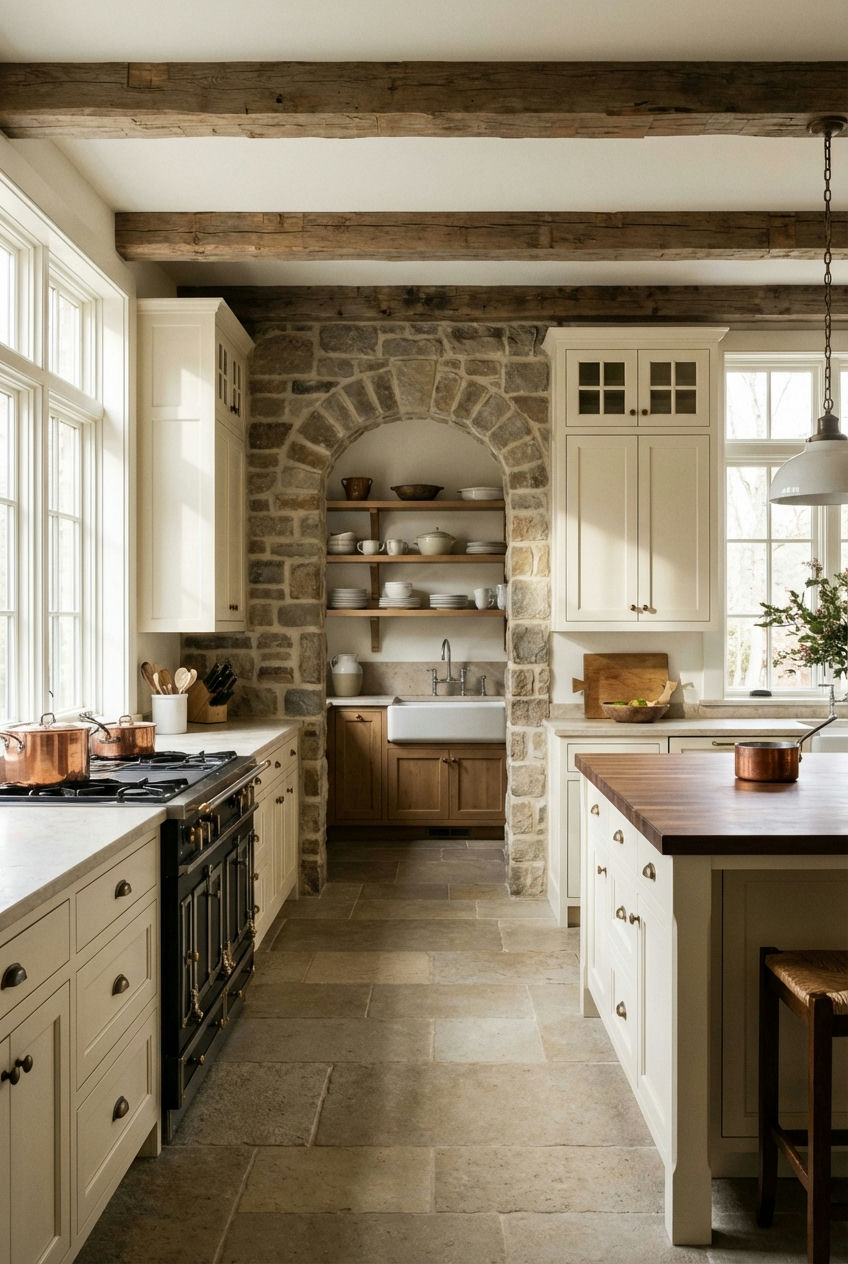
The concept of a scullery or prep kitchen is making a grand return in the modern farmhouse kitchen, especially in larger homes. These secondary kitchens, often hidden behind the main showpiece, provide dedicated space for messy prep work, dishwashing, and appliance storage. This allows the primary kitchen to remain immaculate and entertainment-ready, embodying a sophisticated division of labor. It’s a luxurious practical addition that elevates the functionality of the home while preserving the aesthetic purity of the main space, making entertaining a breeze. It’s the ultimate backstage area for culinary magic.
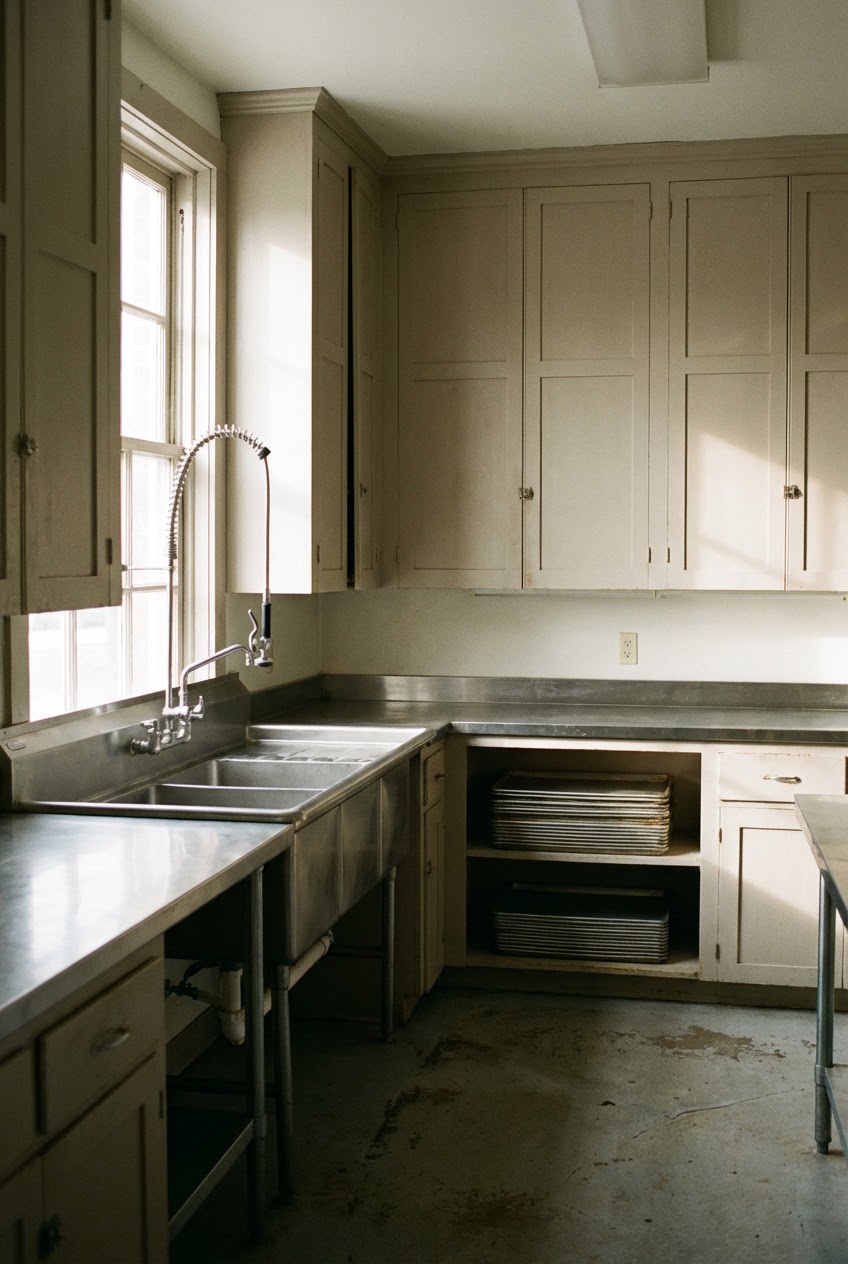
While a full scullery might be a significant investment, its value lies in preserving the elegance of the main living areas, a coveted feature in the American lifestyle. This is where it works best: in homes that frequently host guests or where extensive cooking is a daily affair. It allows for a beautifully designed farmhouse setting to coexist harmoniously with the practical demands of a busy kitchen, ensuring that your entertaining space always looks impeccable, even when the real work is happening just out of sight.
21. Industrial Touches
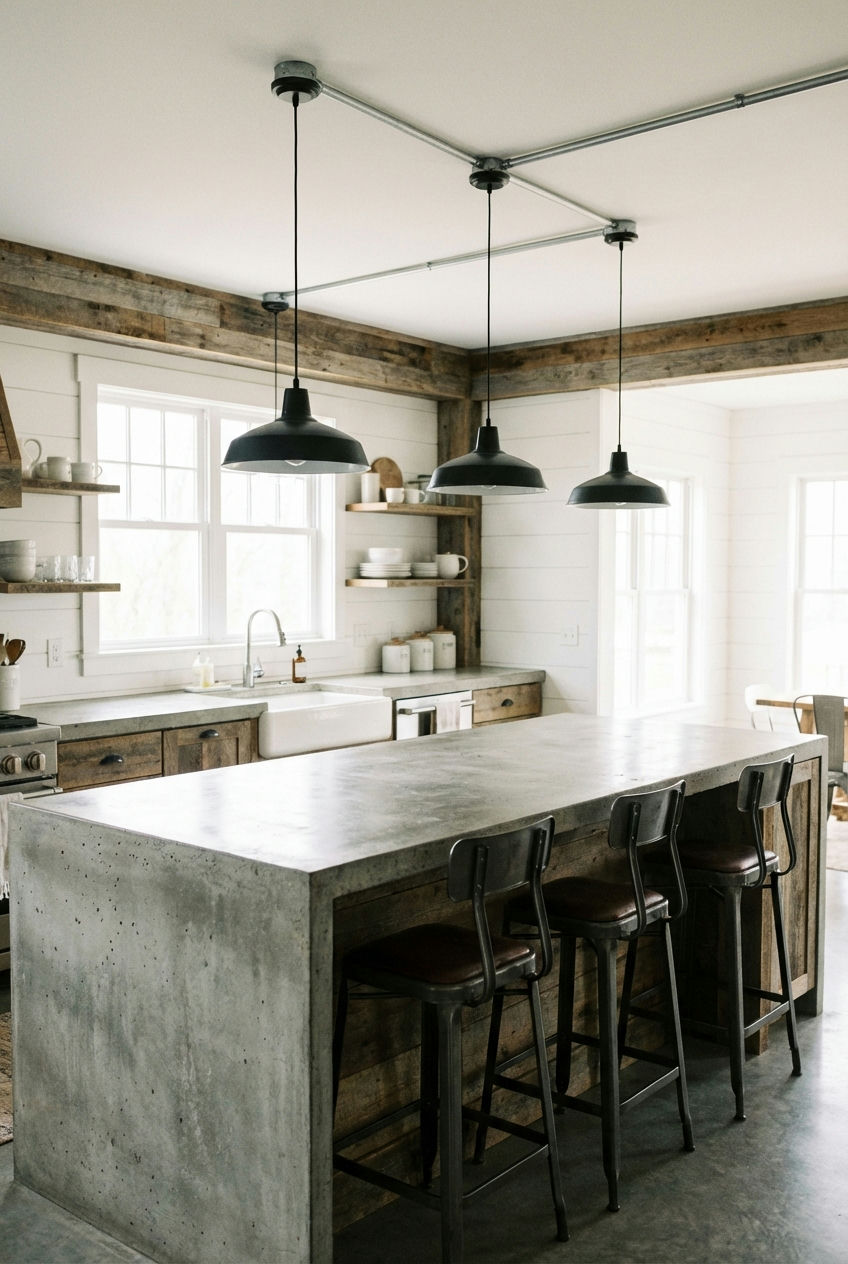
Integrating industrial touches provides an edgy, contemporary twist to the classic farmhouse kitchen. Think exposed piping, black metal light fixtures, galvanized steel elements, or concrete countertops. These raw and rugged materials create a striking contrast with softer, more rustic textures, adding a layer of sophistication and urban grit. The blend of country charm with industrial chic results in a dynamic, modern aesthetic that feels incredibly current and personal. It’s about finding that perfect balance between charming past and vibrant present, redefining what a farmhouse truly means. This juxtaposition creates unexpected beauty.
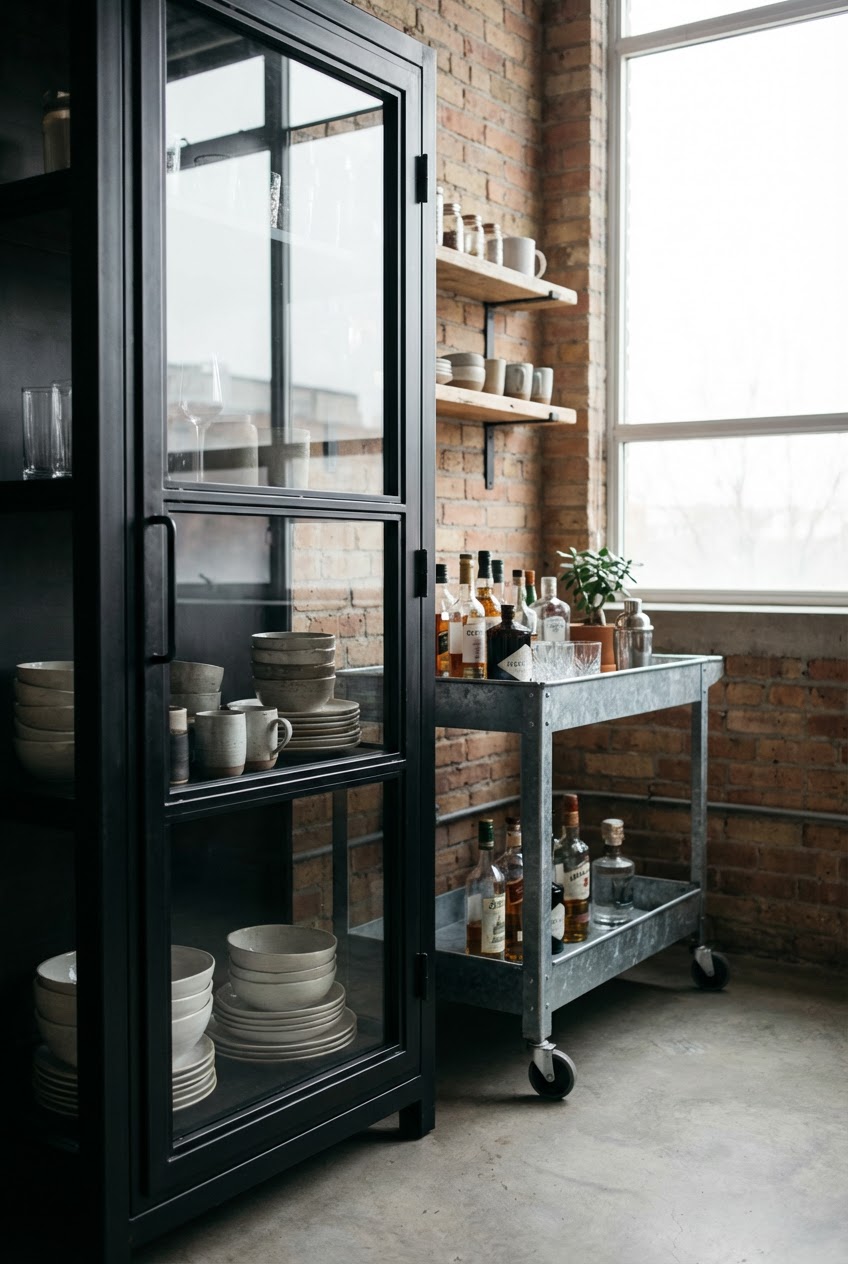
When experimenting with industrial elements, an expert-style commentary would suggest starting small, perhaps with a single light fixture or a striking piece of hardware, to get a feel for the aesthetic. Overdoing it can quickly pivot the space from charming farmhouse to cold urban loft. The key is to blend, not overwhelm, ensuring the inherent warmth of the farmhouse design remains paramount, with industrial details serving as intriguing accents rather than the main theme.
22. Window Seats or Bay Windows
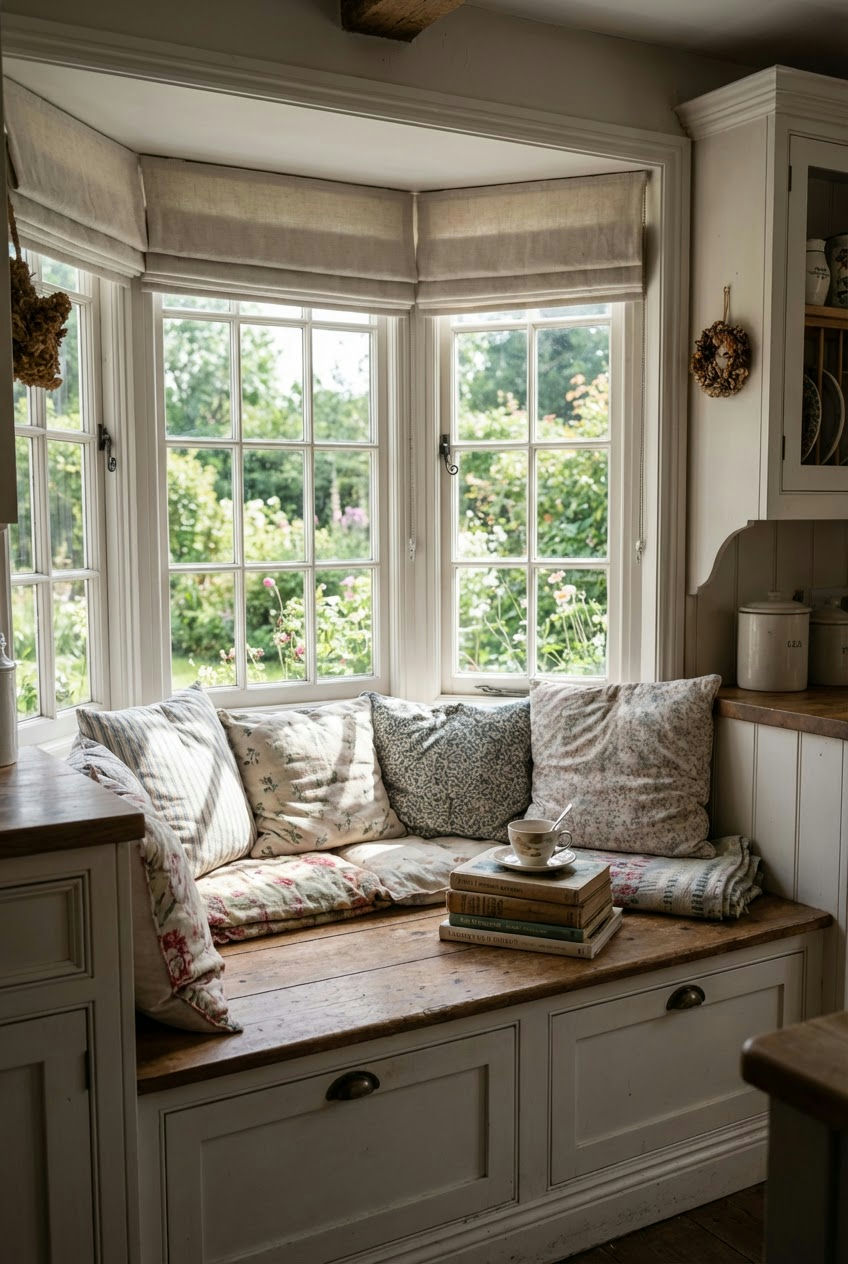
Incorporating a window seat or a bay window creates an idyllic, sun-drenched spot in the farmhouse kitchen, perfect for relaxation and contemplation. These architectural features not only bring in abundant natural light but also add an element of charm and coziness. A deep window seat adorned with plush cushions and throw pillows can serve as an informal dining area, a reading nook, or simply a place to supervise children while cooking. It’s an embrace of natural light and comfortable living, transforming a utilitarian space into a serene haven. This is an invitation to slow down and enjoy the view.
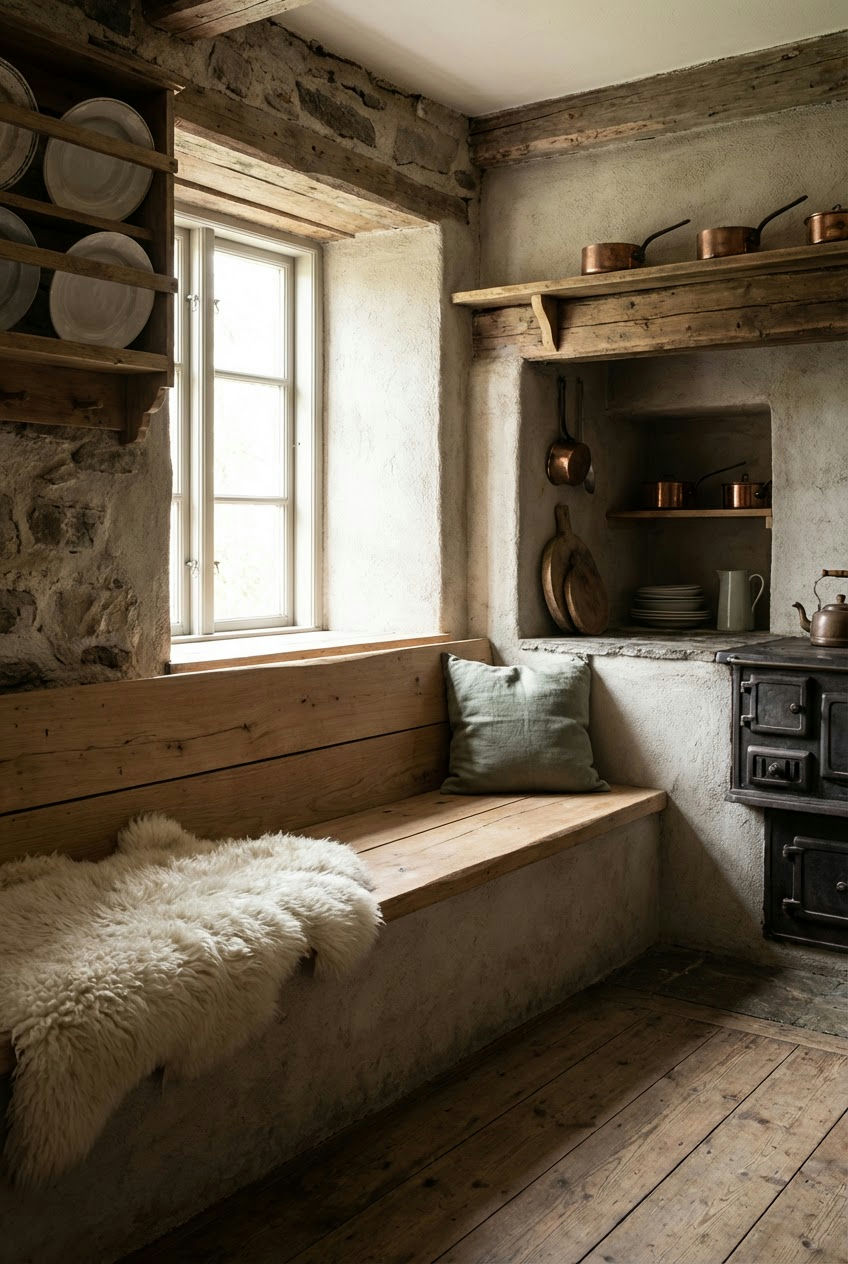
For potential remodels, adding a window seat provides not just seating but also valuable hidden storage underneath, a practical insight for any busy household. This maximizes the functionality of the space, a key aspect of comfortable American lifestyle design. It’s about creating multi-purpose areas that naturally draw people in and make the farmhouse kitchen feel even more like the true heart of the home, combining beauty with smart utility. This blend of comfort and functionality truly elevates the kitchen experience.
23. Black Accents for Contrast
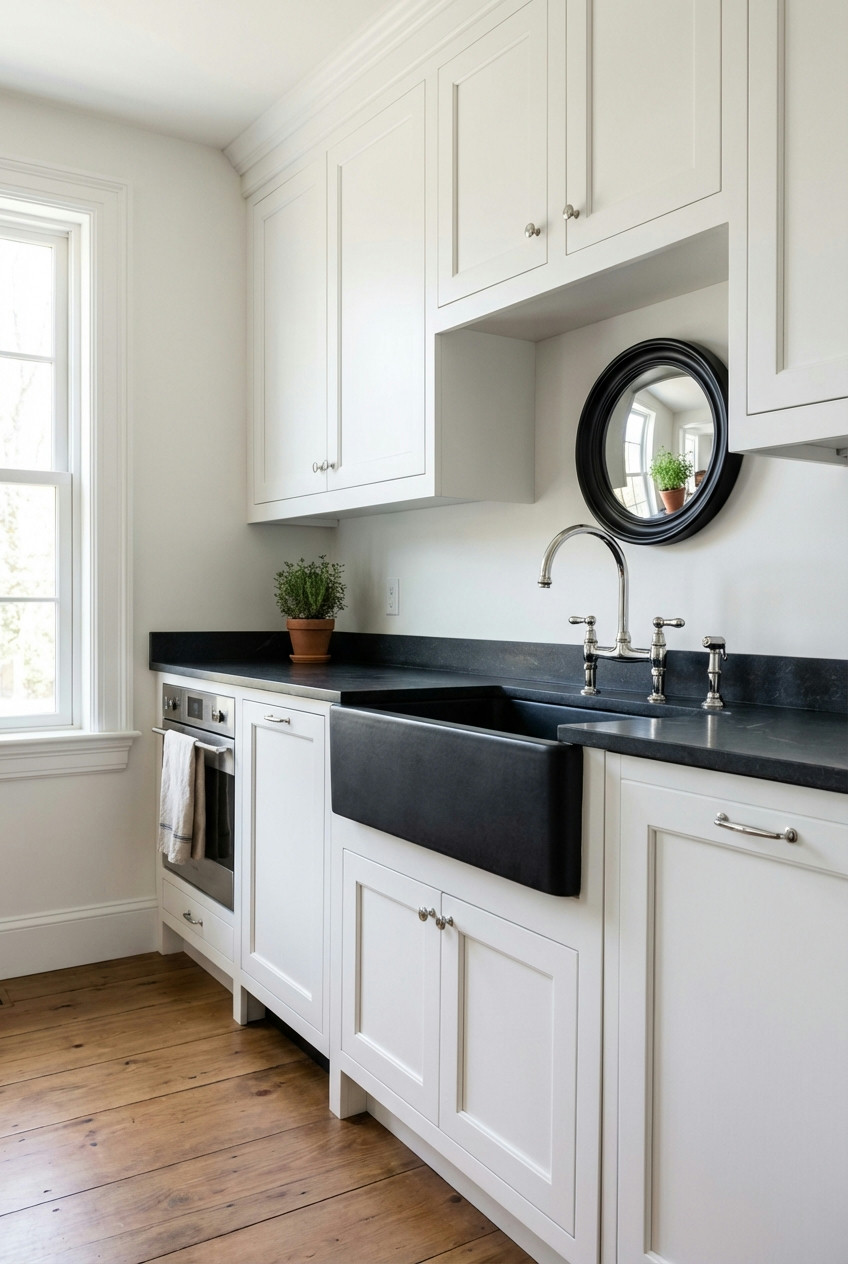
In 2026, black accents are emerging as a powerful tool to introduce drama and sophistication into the often light and airy farmhouse kitchen. Matte black faucets, cabinet hardware, light fixtures, or even a statement island can provide a sharp, elegant contrast. This bold choice grounds the space, drawing the eye and adding depth without sacrificing the inherent warmth of the farmhouse aesthetic. It’s a modern way to define edges and create visual interest, ensuring the kitchen feels both classic and undeniably current. The beauty lies in its simplicity and impact, transforming rather than overpowering.
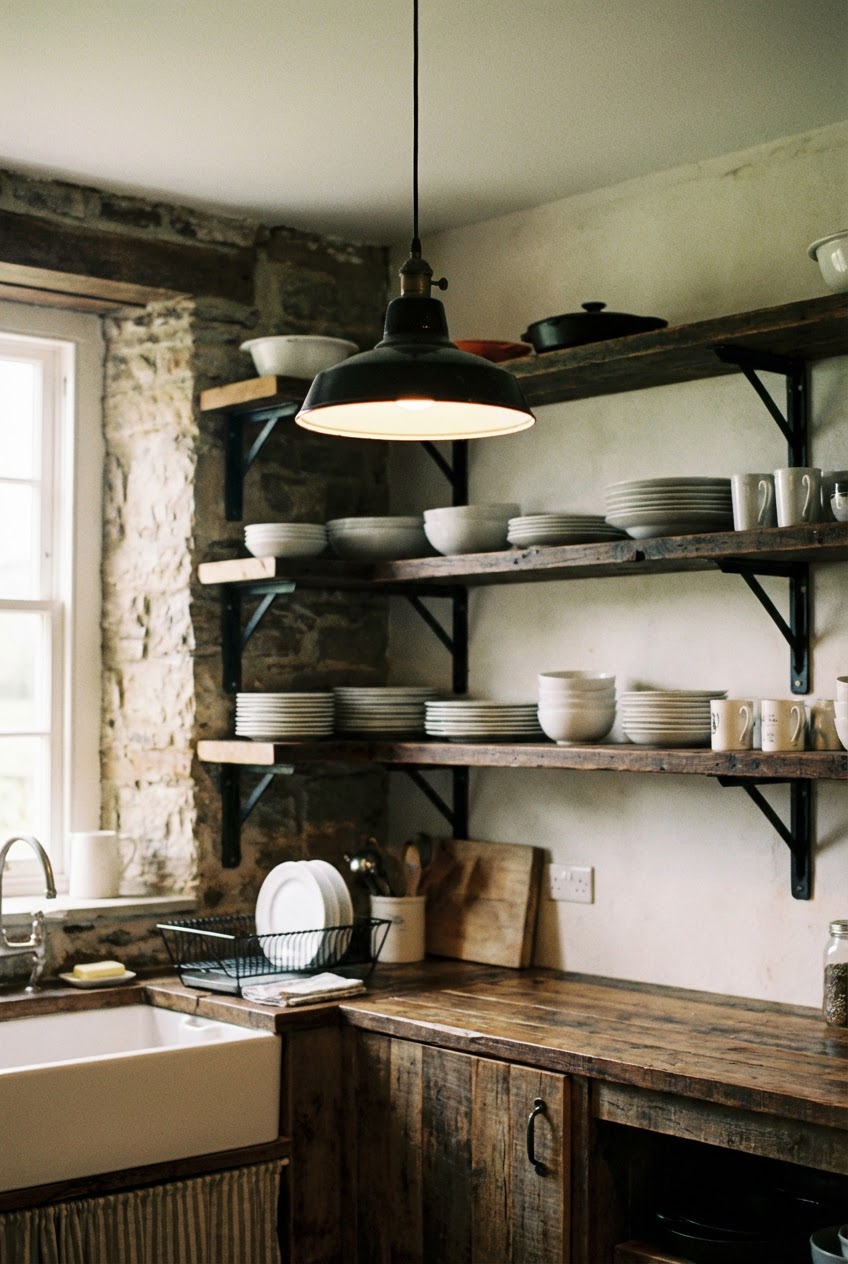
For real homeowner behavior, many are embracing black accents as a cost-effective way to update their existing farmhouse cabinetry without a full renovation. Simply swapping out old hardware for sleek black pulls can make a world of difference. However, it’s easy to make a common mistake by overdoing it, which can make a space feel heavy. The key is strategic placement, allowing the black elements to pop against lighter backgrounds, ensuring elegance rather than oppression. It’s about measured drama and visual impact, turning a simple contrast into a stylish statement.
24. Curated Art and Decor
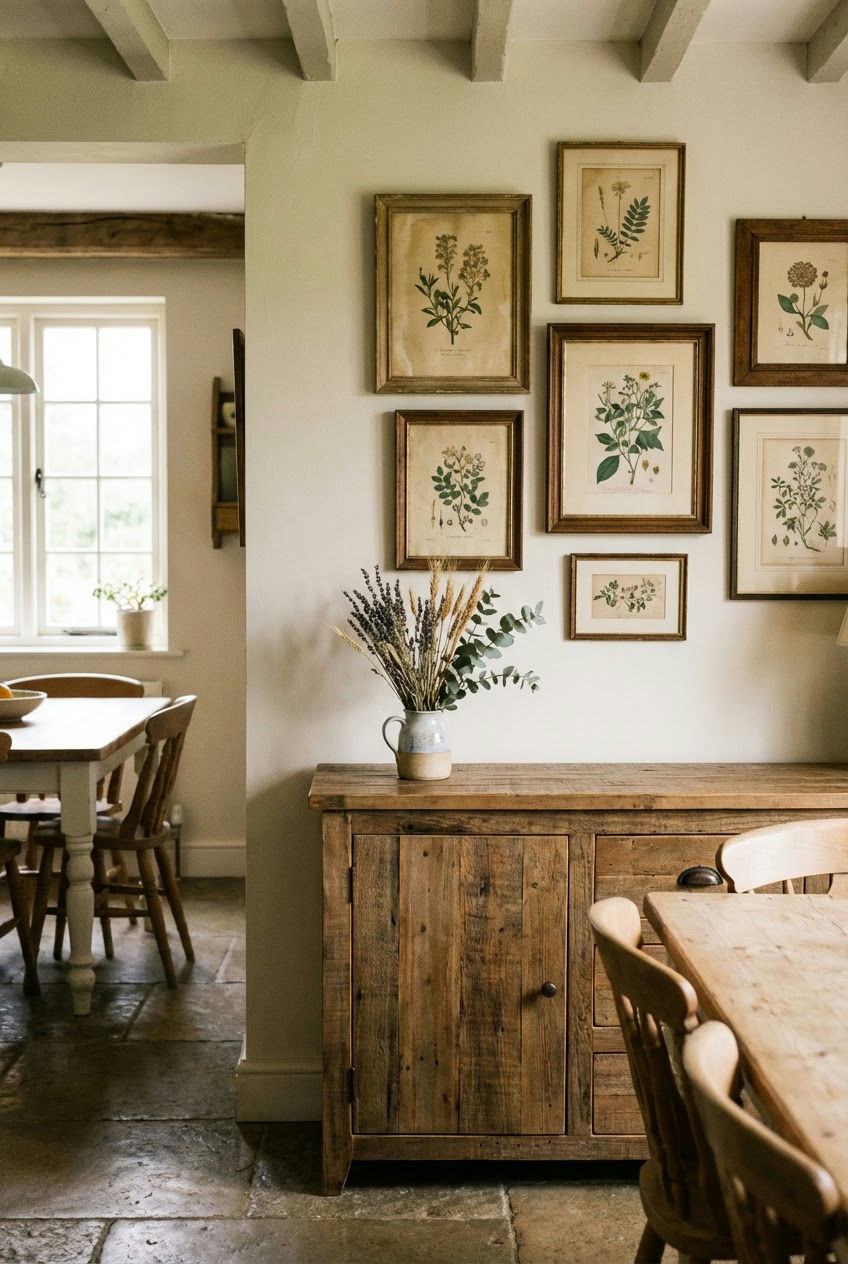
The farmhouse kitchen in 2026 moves beyond generic wall decor, embracing curated art and personal touches that reflect the homeowner’s story. Think vintage botanical prints, local landscape paintings, or framed antique textiles that add depth and personality. These carefully chosen pieces elevate the space, making it feel less like a showroom and more like a cherished home. The goal is to create a collected, lived-in aesthetic that feels authentic and deeply personal, turning walls into canvases for expression. It’s a delightful journey of self-expression, making the kitchen truly your own.
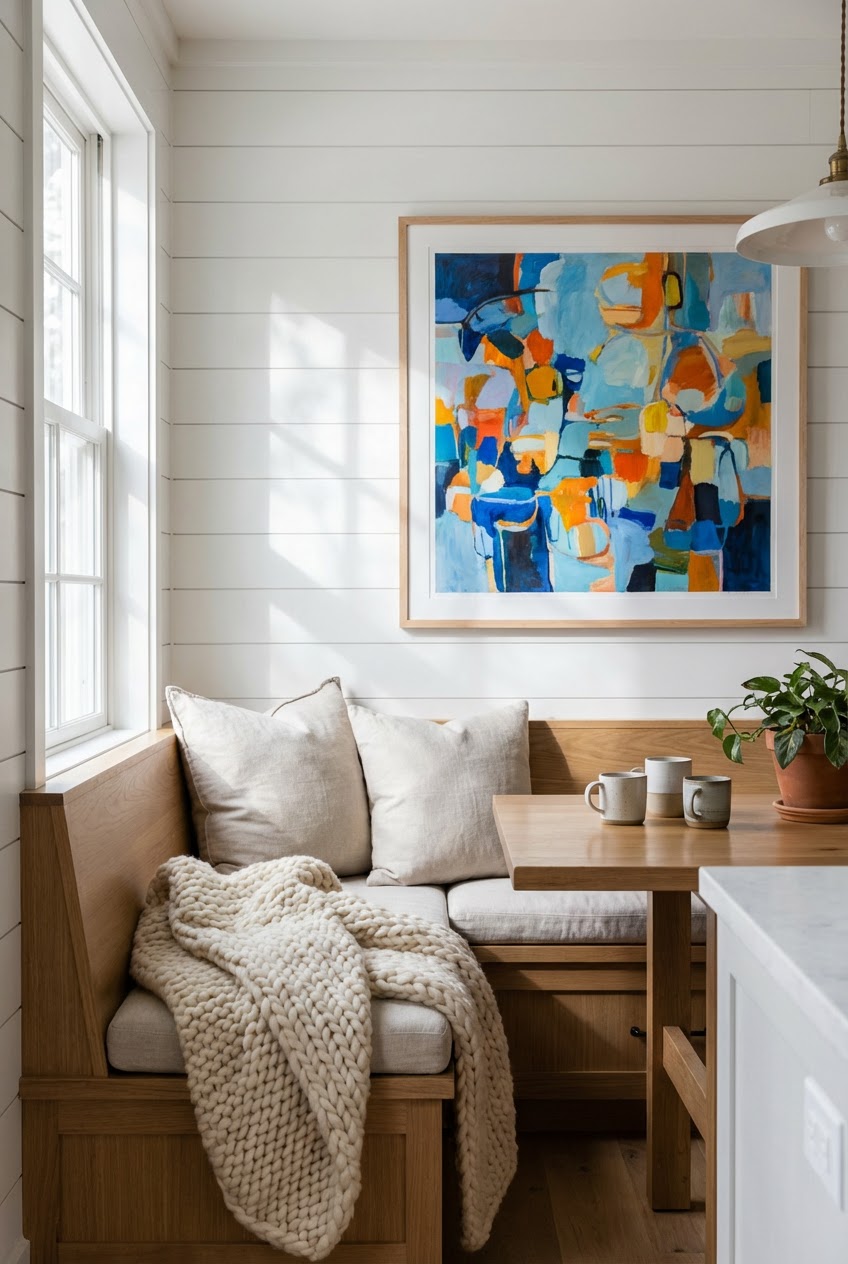
A micro anecdote: My grandmother always had a lovingly collected mix of eclectic decor in her kitchen, everything from local pottery to small oil paintings of the surrounding countryside. This personal touch is a practical insight for cultivating similar warmth; it’s about choosing items that resonate with you and reflect your unique style narrative, making your farmhouse feel genuinely soulful. It proves that the most beautiful designs are often the most personal ones, reflecting a true American lifestyle.
25. Smart Kitchen Technology
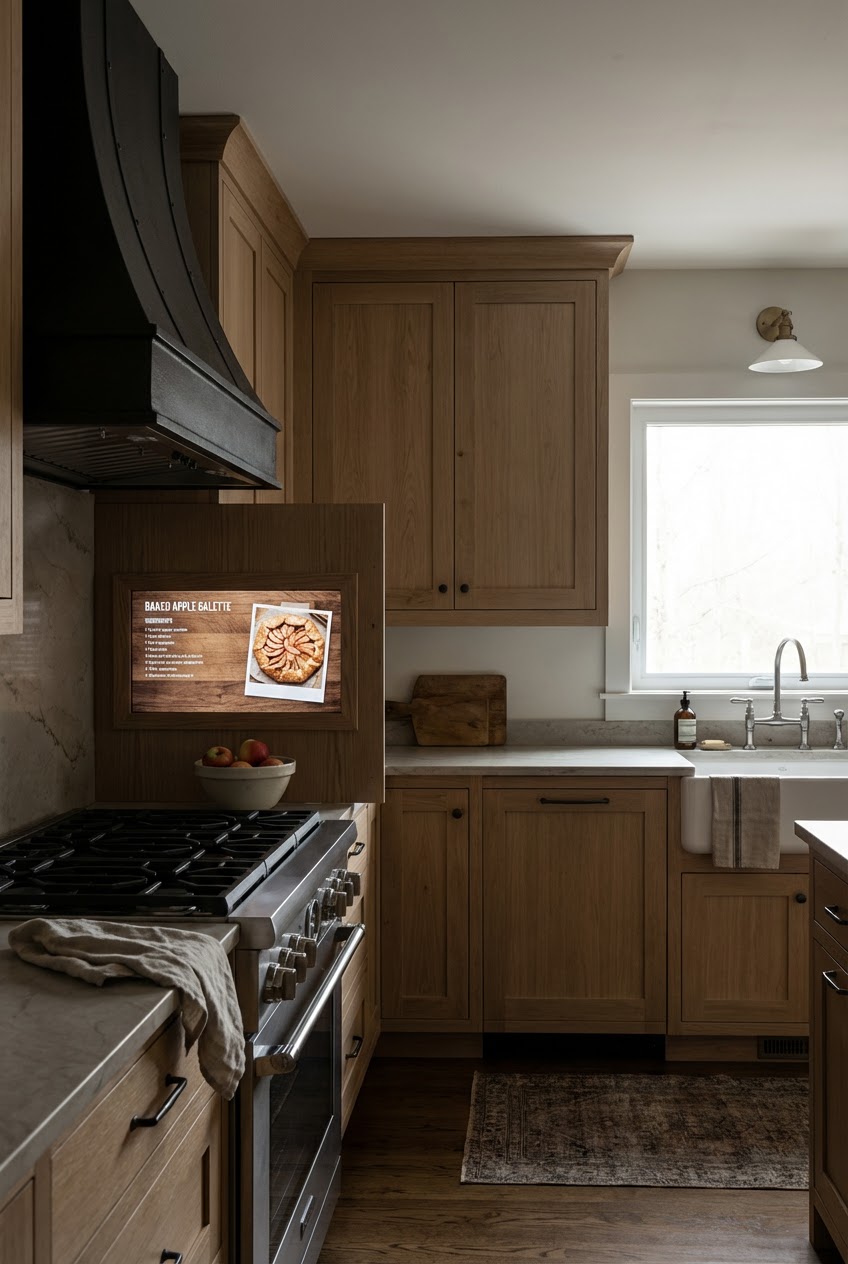
The farmhouse kitchen of 2026 seamlessly integrates smart technology, proving that rustic charm and modern convenience can coexist beautifully. From smart appliances that can be controlled remotely to motion-activated lighting and integrated charging stations, these innovations enhance functionality without compromising aesthetic. The key is discretion: technology is often built-in or cleverly concealed, maintaining the overall design integrity. It’s about making daily life easier and more efficient, allowing homeowners more time to enjoy the comforts of their beautiful space. This effortless integration elevates the entire living experience.
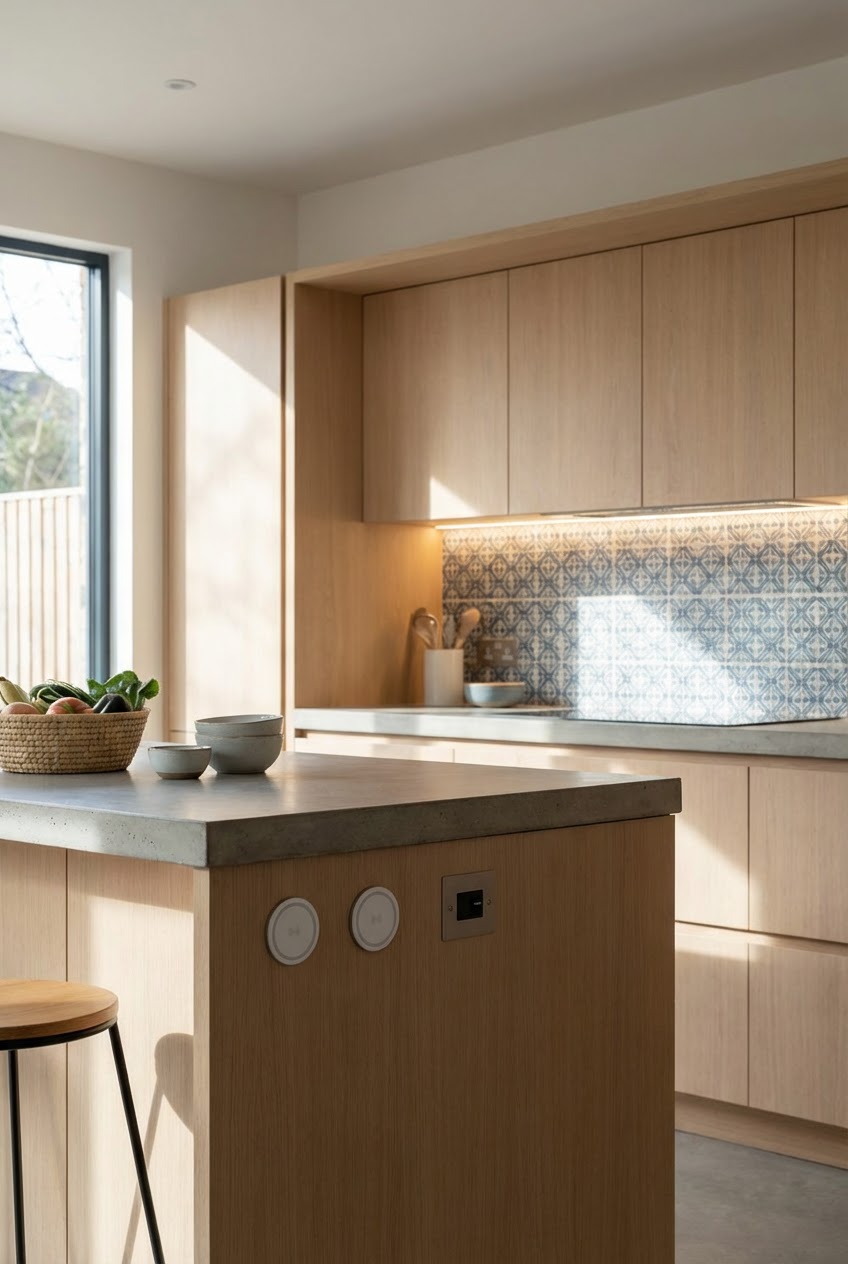
Where it works best, smart kitchen technology simplifies often-mundane tasks, freeing up time for family or personal pursuits. This practical integration ensures that the charm of the farmhouse remains front and center, while the underlying efficiencies quietly support a modern, dynamic lifestyle. It’s about leveraging innovation to enhance comfort and convenience, without sacrificing the cherished aesthetic, a perfect balance for the American homeowner who desires both tradition and progress within their domestic space.
26. Statement Hood in Wood
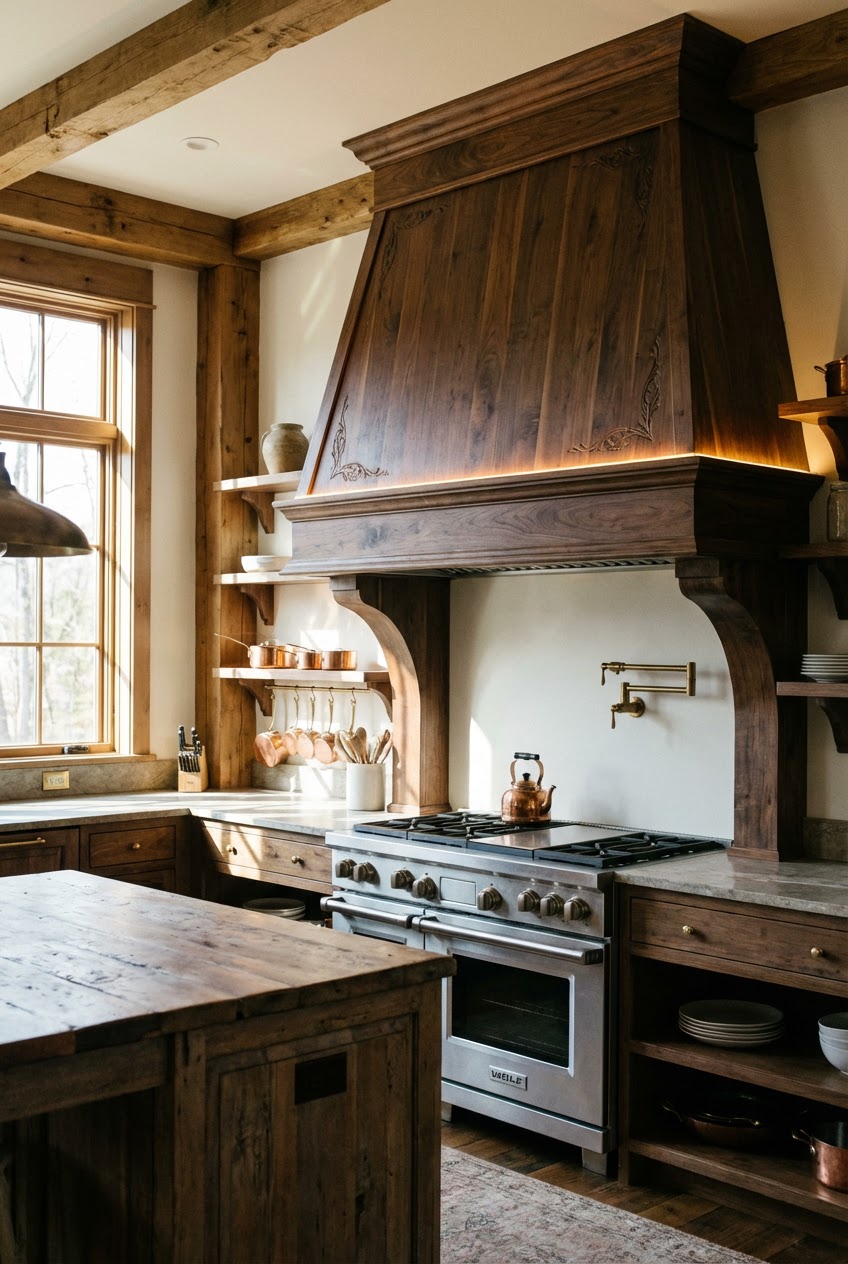
Elevating the range hood from a mere appliance to a piece of architectural art, a statement hood crafted from wood is a quintessential element for the farmhouse kitchen in 2026. Whether it’s a custom design crafted from reclaimed timber, a sleek, painted shaker style, or a grand, carved masterpiece, the wood hood creates an undeniable focal point above the cooking area. It adds warmth, texture, and a touch of bespoke craftsmanship that instantly elevates the entire space. This intentional design choice communicates a commitment to quality and natural beauty, grounding the kitchen in solid elegance. It’s a tribute to timeless design and inherent beauty.
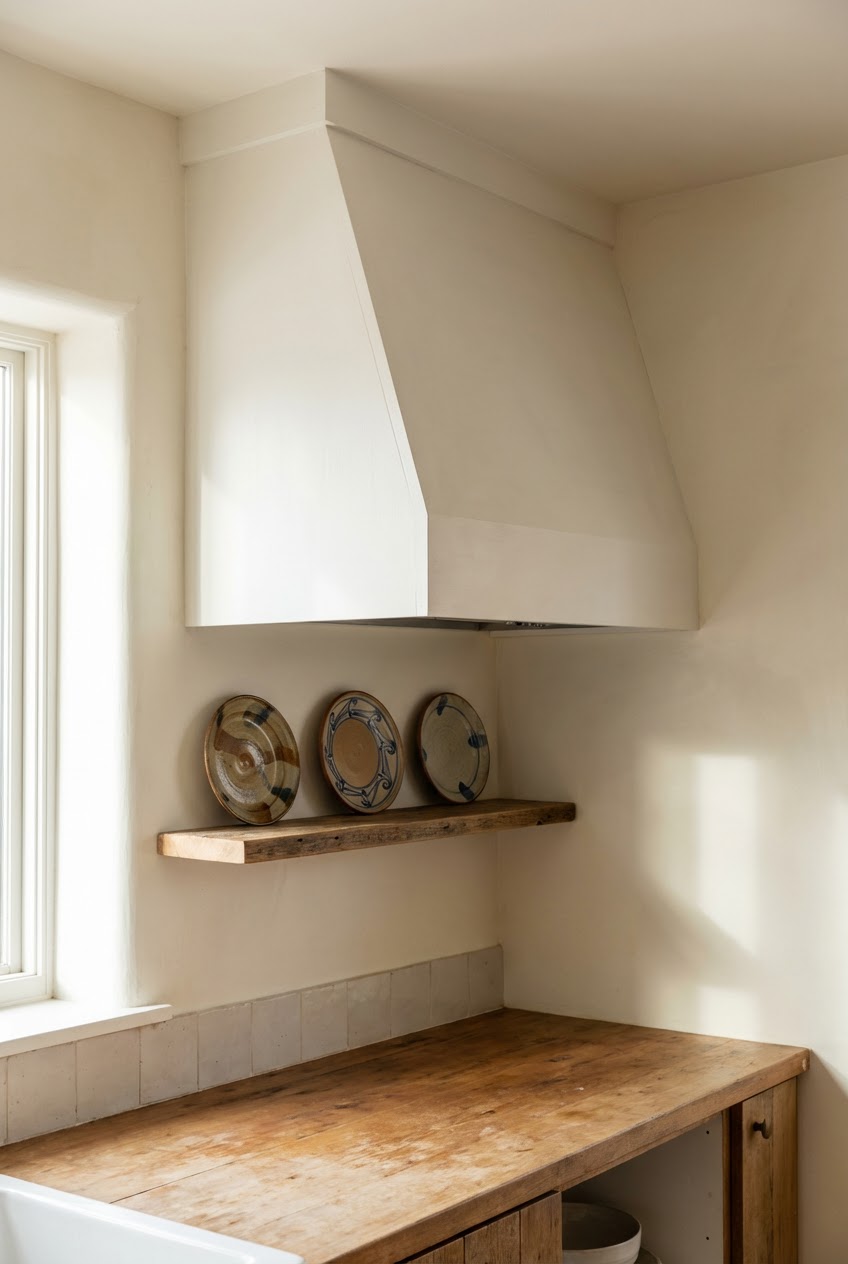
While a custom wood hood can be an investment, its visual impact is unparalleled, making it a key element for anyone aspiring to a high-end farmhouse aesthetic. Expert-style commentary advises matching the wood tone or paint color to other elements in the kitchen to ensure harmony, or using it as a deliberate contrast for dramatic effect. This ensures the hood feels integrated, not isolated, further cementing its role as a design cornerstone, enriching the warmth and character of the space.
27. Deep Greens and Blues
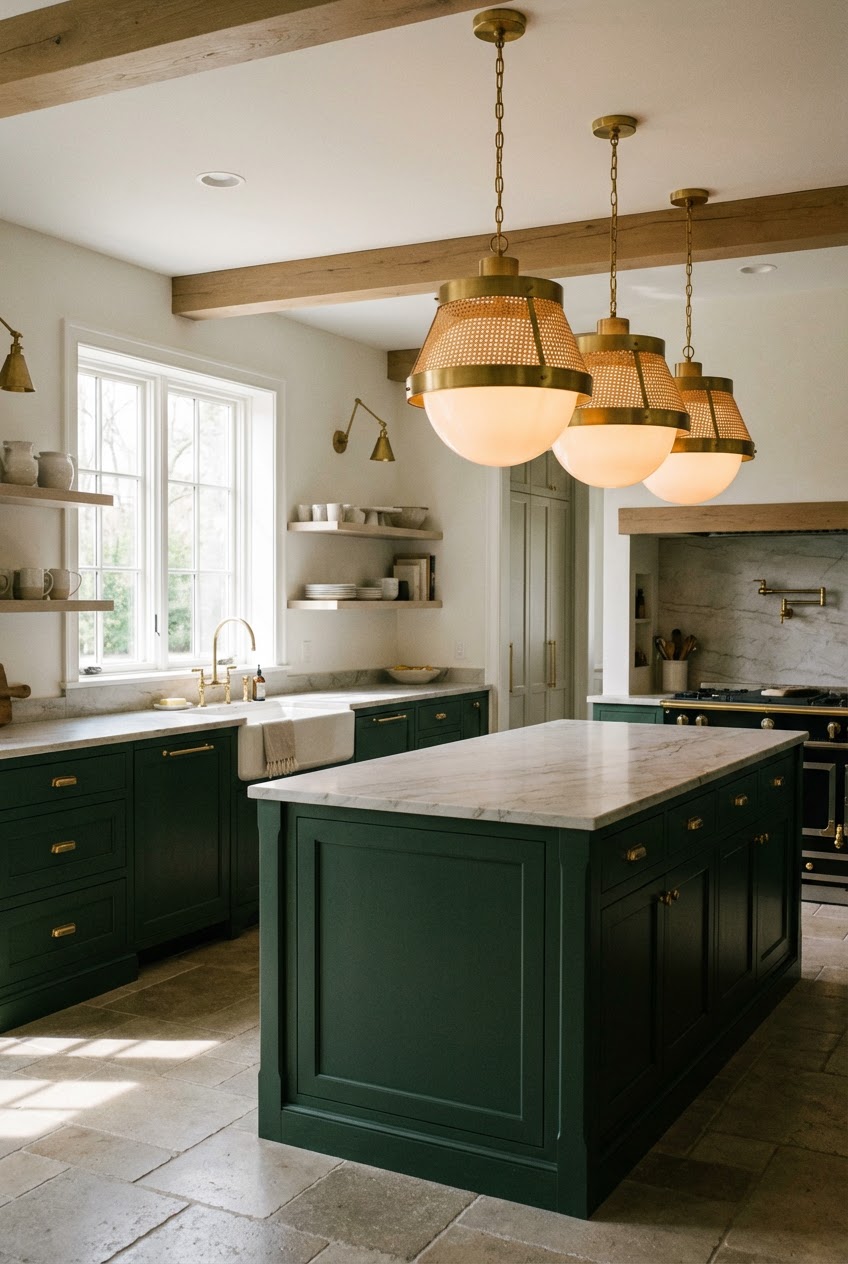
Moving beyond traditional neutrals, deep greens and blues are making a striking appearance in the farmhouse kitchen, adding sophistication and depth. These rich, earthy tones, reminiscent of lush forests and serene oceans, introduce a calming yet luxurious feel. Whether applied to cabinetry, a large island, or an accent wall, these colors provide a beautiful contrast to natural wood and white elements. They evoke a sense of heritage and groundedness, transforming the kitchen into a more dramatic and inviting space. It’s a bold step that breathes new life into the timeless farmhouse appeal.
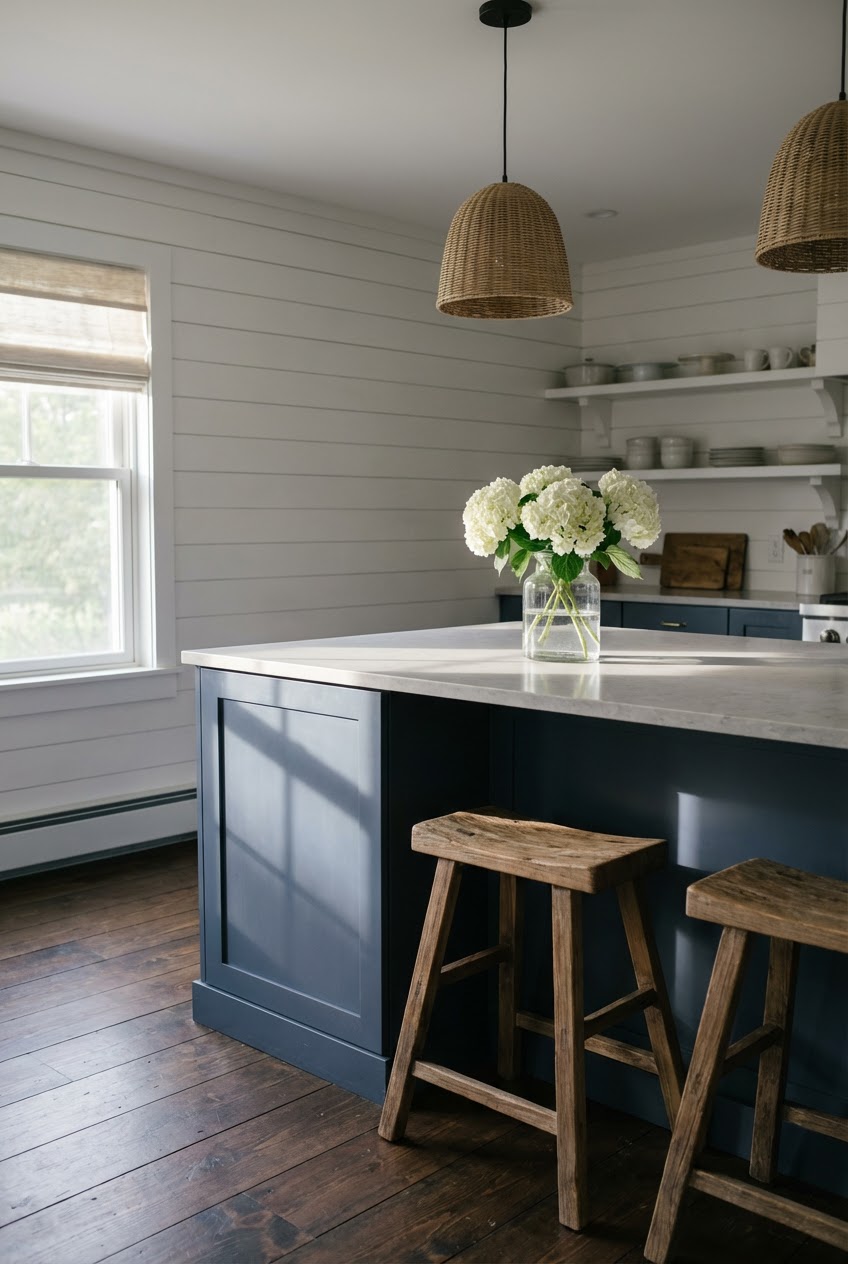
For those considering this trend, a practical insight is to test paint swatches on your walls to see how the color behaves in different lighting conditions throughout the day. Natural light can drastically alter how deep greens and blues appear. This careful consideration ensures the chosen hue enhances the atmosphere. The deeper shades contribute to a feeling of security and comfort, making the farmhouse heart of the home feel even more welcoming and enveloping, truly a cornerstone of the American lifestyle.
28. Arched Entryways
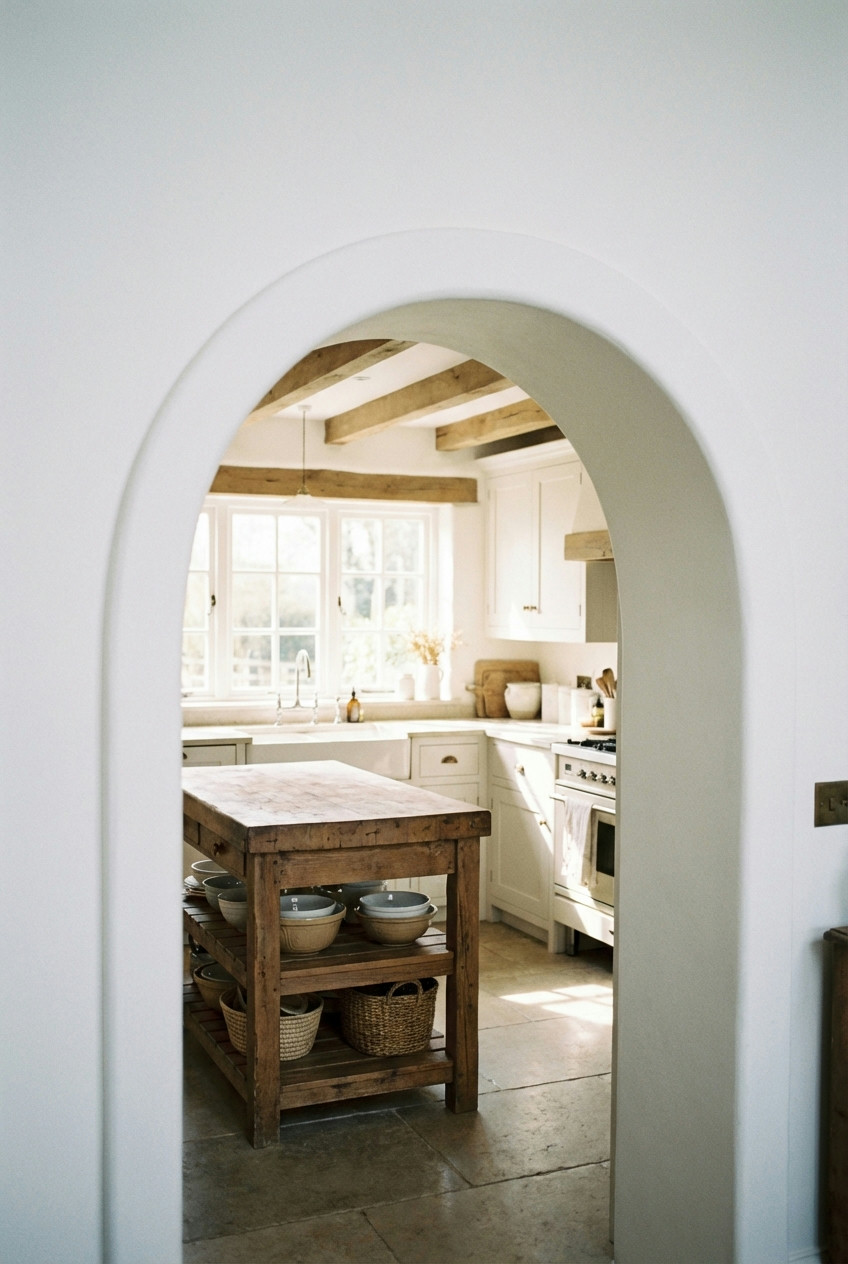
Arched entryways are a subtle yet impactful architectural detail that can instantly elevate the elegance and historic charm of a farmhouse kitchen. Replacing harsh square doorways with soft, graceful arches introduces a sense of old-world sophistication and fluidity. This design element defines spaces without closing them off, creating a natural flow and visual interest. It harks back to traditional European or pre-war American homes, adding an unexpected softness that enriches the rustic aesthetic. It’s a deliberate choice that creates a welcoming transition and enhances the overall architectural beauty of the home, a warm embrace as you enter the space.
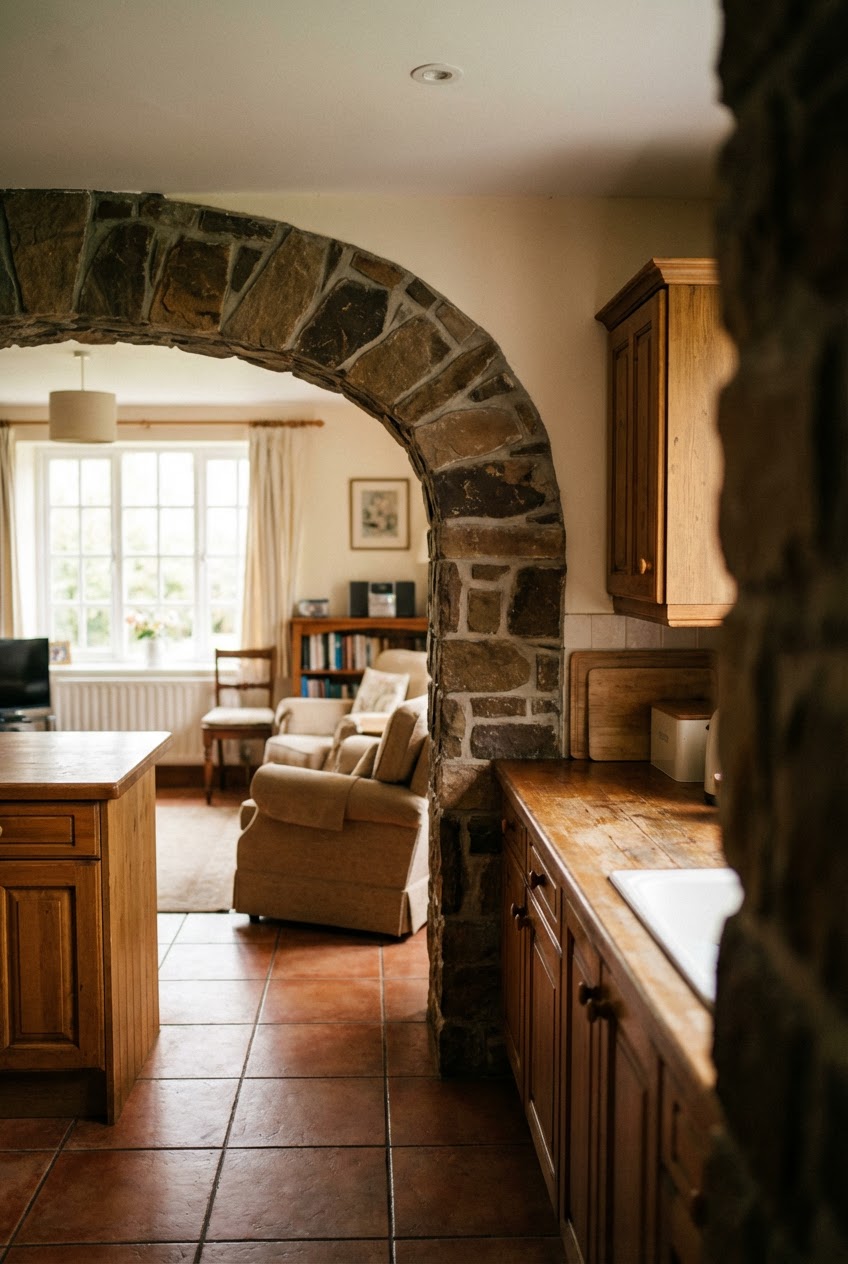
While retrofitting an existing square doorway into an arch can be a more significant renovation, the aesthetic payoff is considerable. For new builds or major remodels, it’s a detail worth considering for its ability to soften lines and create a bespoke feel. An expert-style commentary suggests that the arch’s height and width should be proportionate to the adjacent rooms, maintaining visual harmony. This attention to architectural detail ensures the kitchen truly feels unique and thoughtfully designed, embracing the refined elements of a farmhouse structure within the larger home plan.
29. Built-In Bench Seating
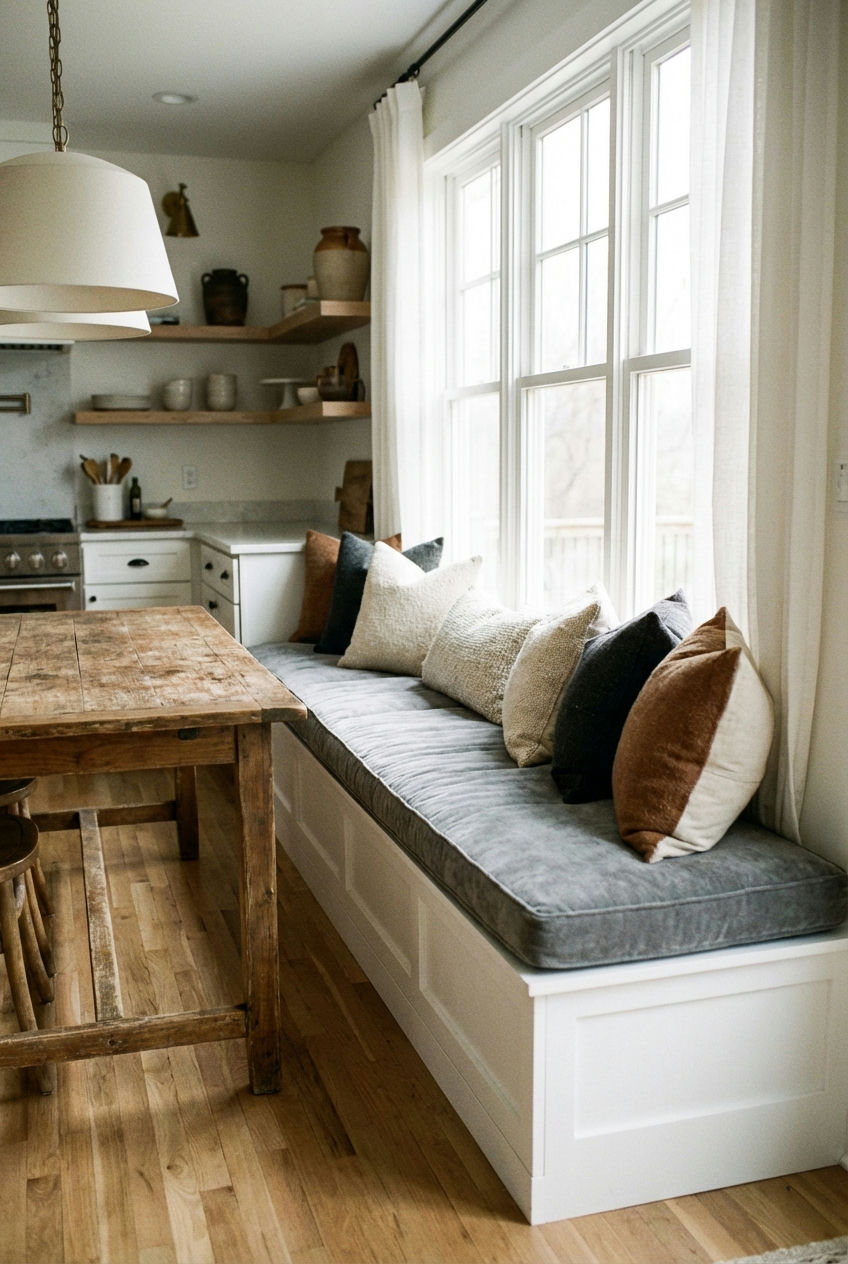
Built-in bench seating offers a practical and charming solution for optimizing space and creating an inviting dining area within the farmhouse kitchen. Whether integrated into an island or nestled by a window, these benches provide ample seating and often incorporate hidden storage underneath, balancing functionality with aesthetics. They infuse the kitchen with a cozy, communal feel, encouraging family gatherings and comfortable conversation. It’s a design choice that maximizes usability while enhancing the welcoming spirit, reflecting a desire for shared moments within the heart of the home. This blend of form and comfort defines modern living.
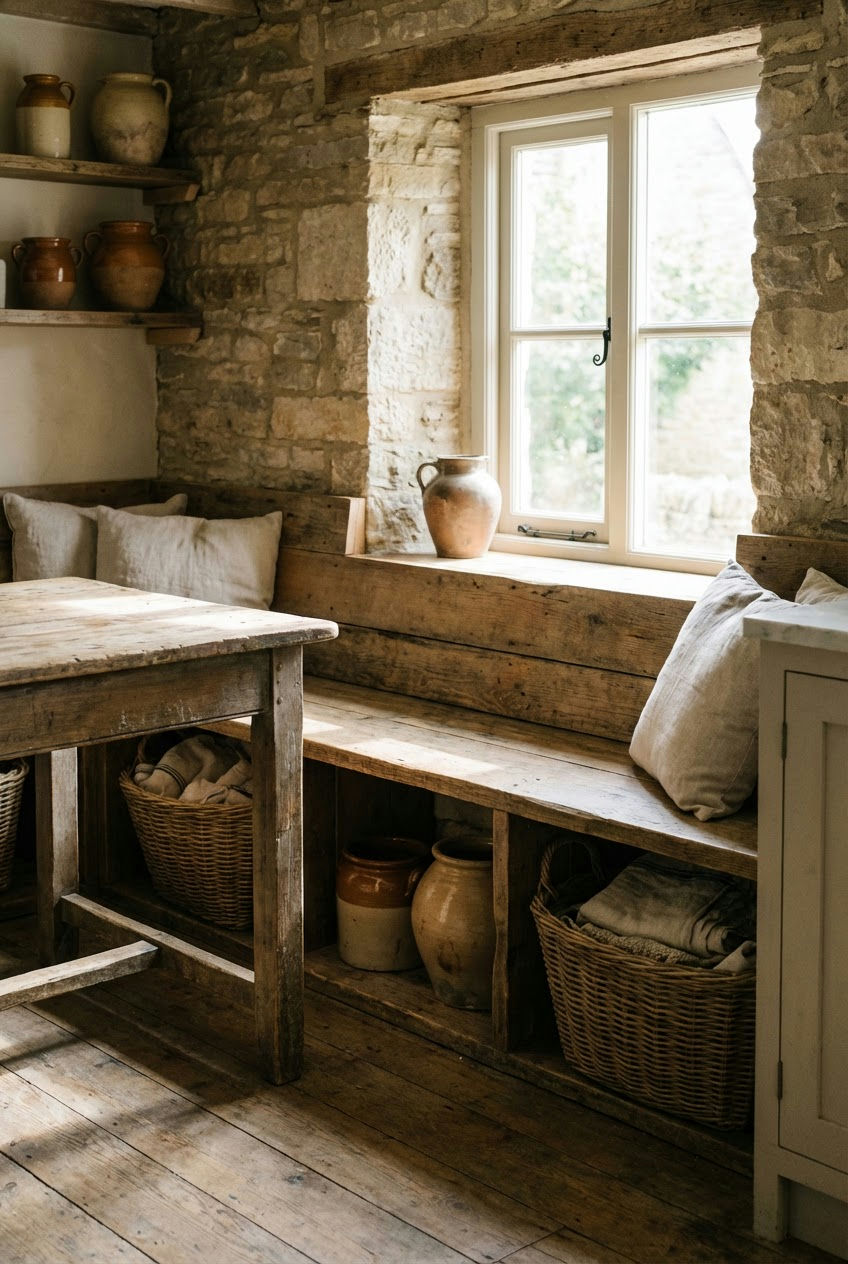
Where it works best, built-in benches are ideal for small kitchens or open-plan layouts where a traditional dining set might feel too bulky. They create an efficient use of space that is invaluable in busy households, aligning with the pragmatic sensibilities of the American lifestyle. A micro anecdote: my friend cleverly built a U-shaped bench around her kitchen island, making it the central hub for meals and homework, seamlessly blending utility and coziness. This type of thoughtful design truly enhances the communal feel of the farmhouse space.
30. Layered Textures
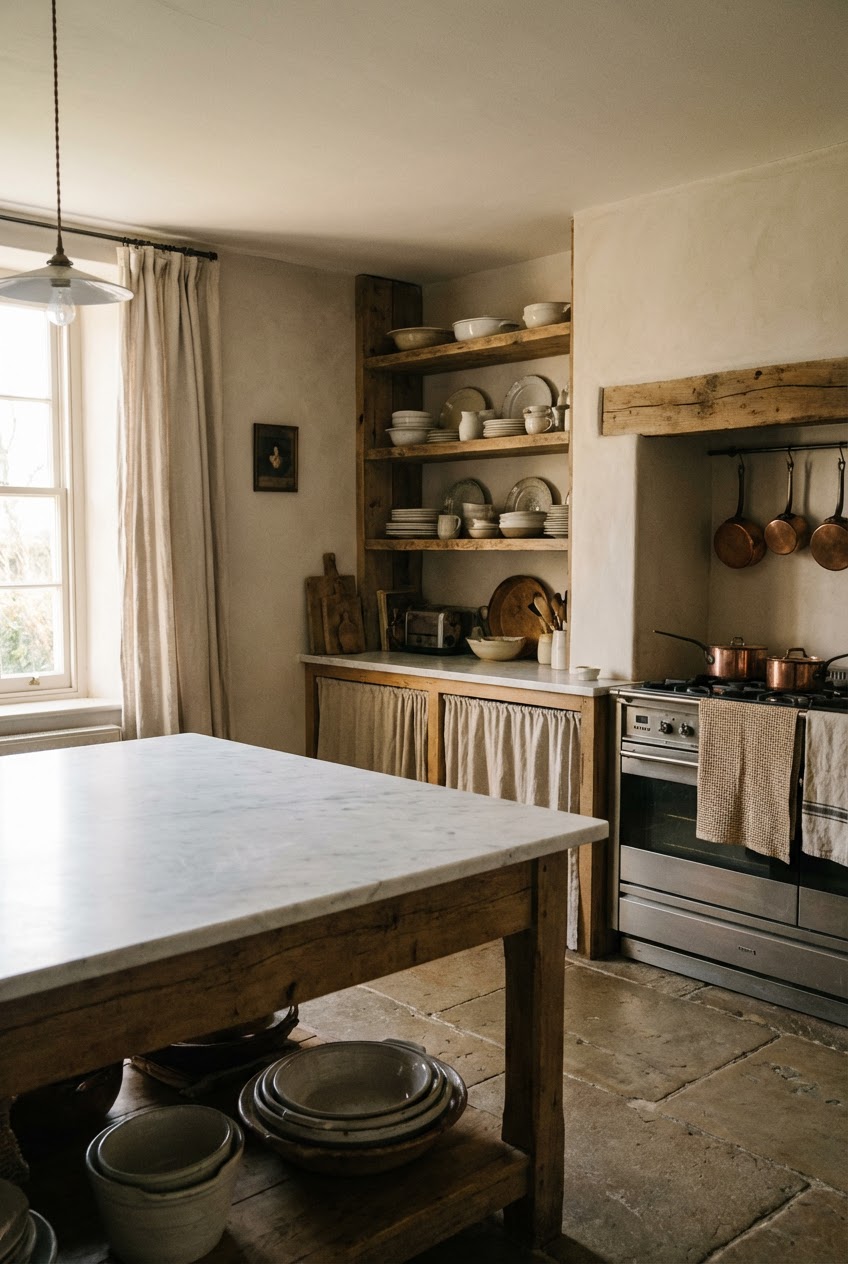
To create a truly inviting and visually rich farmhouse kitchen, layering textures is paramount. Think combining smooth quartz countertops with rough-hewn wood beams, soft linen curtains with gleaming polished chrome fixtures, and ceramic tiles with woven baskets. This interplay of materials adds depth and sensory appeal, making the space feel dynamic and exceptionally cozy. It’s about creating a tactile experience that engages the senses, moving beyond a purely visual aesthetic to one that invites touch and interaction. The result is a kitchen that feels deeply considered and wonderfully comfortable. This strategic layering elevates the overall design.
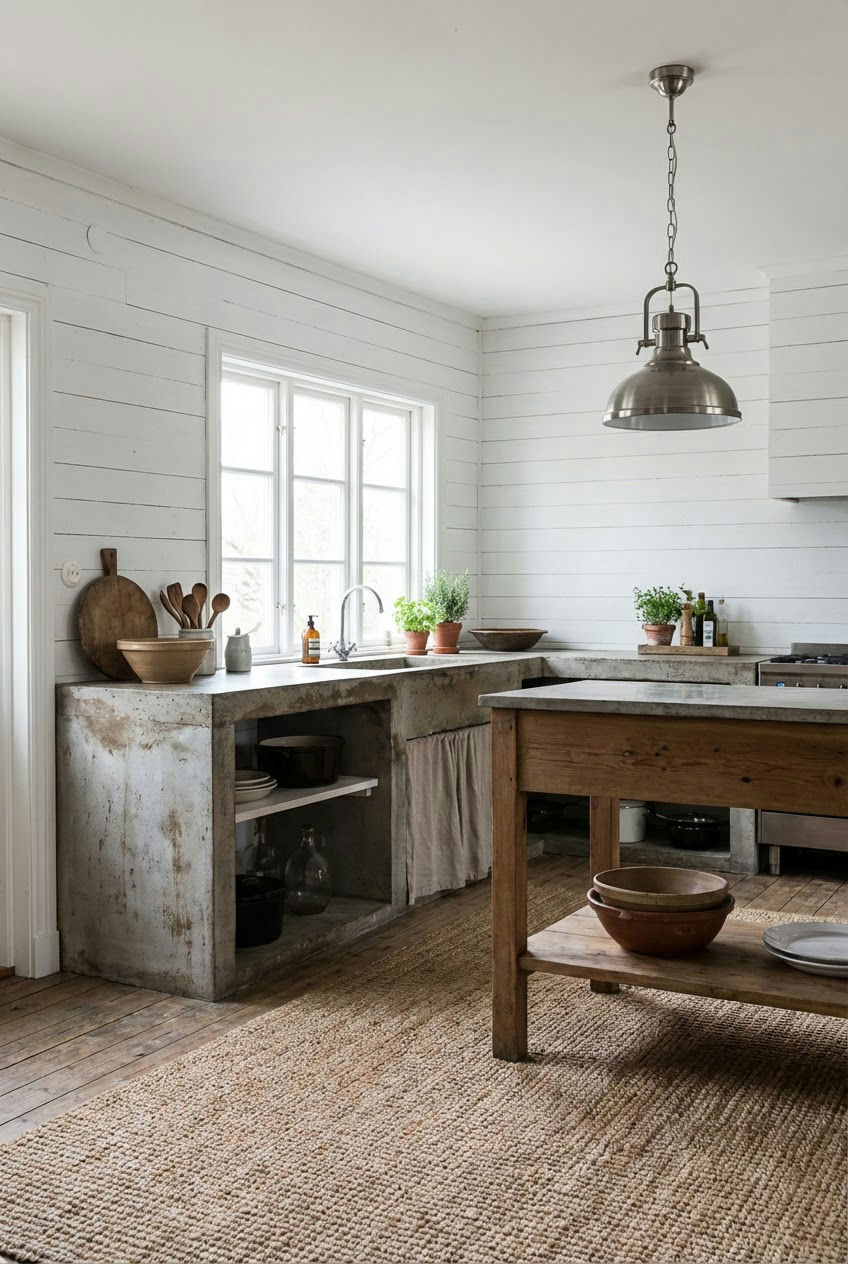
A common mistake when layering textures in a farmhouse kitchen is choosing too many competing patterns or materials, resulting in a chaotic rather than cohesive look. An expert-style commentary would advise starting with a neutral base and gradually introducing contrasting textures through textiles, accessories, and architectural elements to achieve a harmonious balance. This method ensures that each texture contributes to the overall warmth and richness without overwhelming the senses.
31. Trough or Pot Filler Faucets
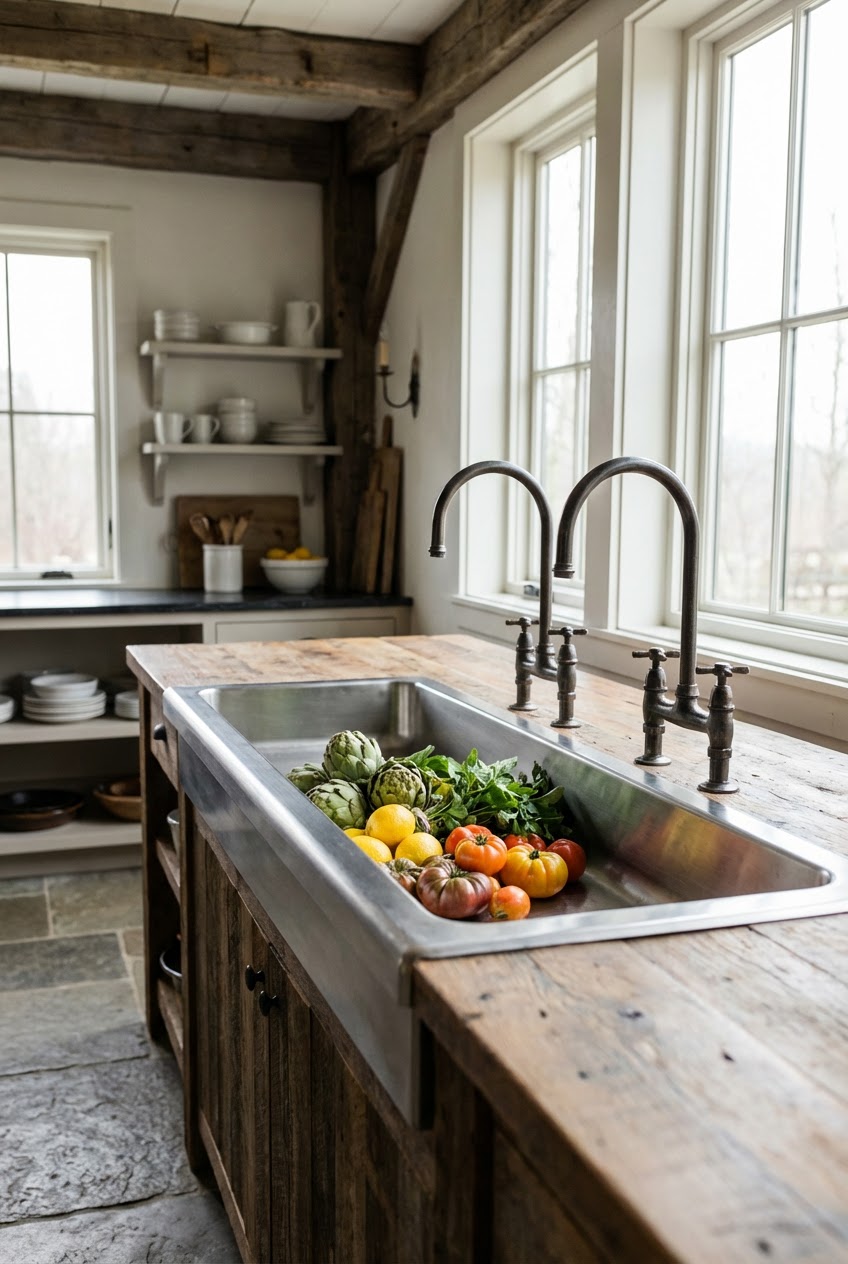
Adding a trough or pot filler faucet is a highly practical and stylish upgrade for the modern farmhouse kitchen in 2026. A trough sink provides a versatile washing station, particularly useful for entertaining or multiple users, while a pot filler mounted above the stove eliminates the need to carry heavy pots of water. These functional fixtures not only enhance convenience but also add a touch of industrial elegance or vintage authenticity, depending on their finish. They are details that speak to thoughtful design, blending utility with an elevated aesthetic. It’s an investment in both convenience and culinary pleasure, making daily tasks flow effortlessly.
Prompt: Realistic interior photo, natural light, soft shadows, no people. Clear focus on the described. Not a 3D render. do not use signs and do not write the year. make the photo size 2:3. A rustic kitchen with a dark bronze pot filler faucet mounted above a professional gas range, set against a white subway tile