58 Stunning Garden Design Ideas for 2026 That Will Transform Your Outdoor Space

As we approach 2026, the way we think about our outdoor spaces is evolving faster than ever. Gardens are no longer just patches of green; they’re becoming integral extensions of our homes, reflecting our personal style, sustainability goals, and desire for connection with nature. Whether you’re dreaming of a tranquil escape or an vibrant entertaining hub, these upcoming trends in garden design offer a wealth of inspiration to transform your backyard into something truly special.
1. Mindful Micro-Gardens
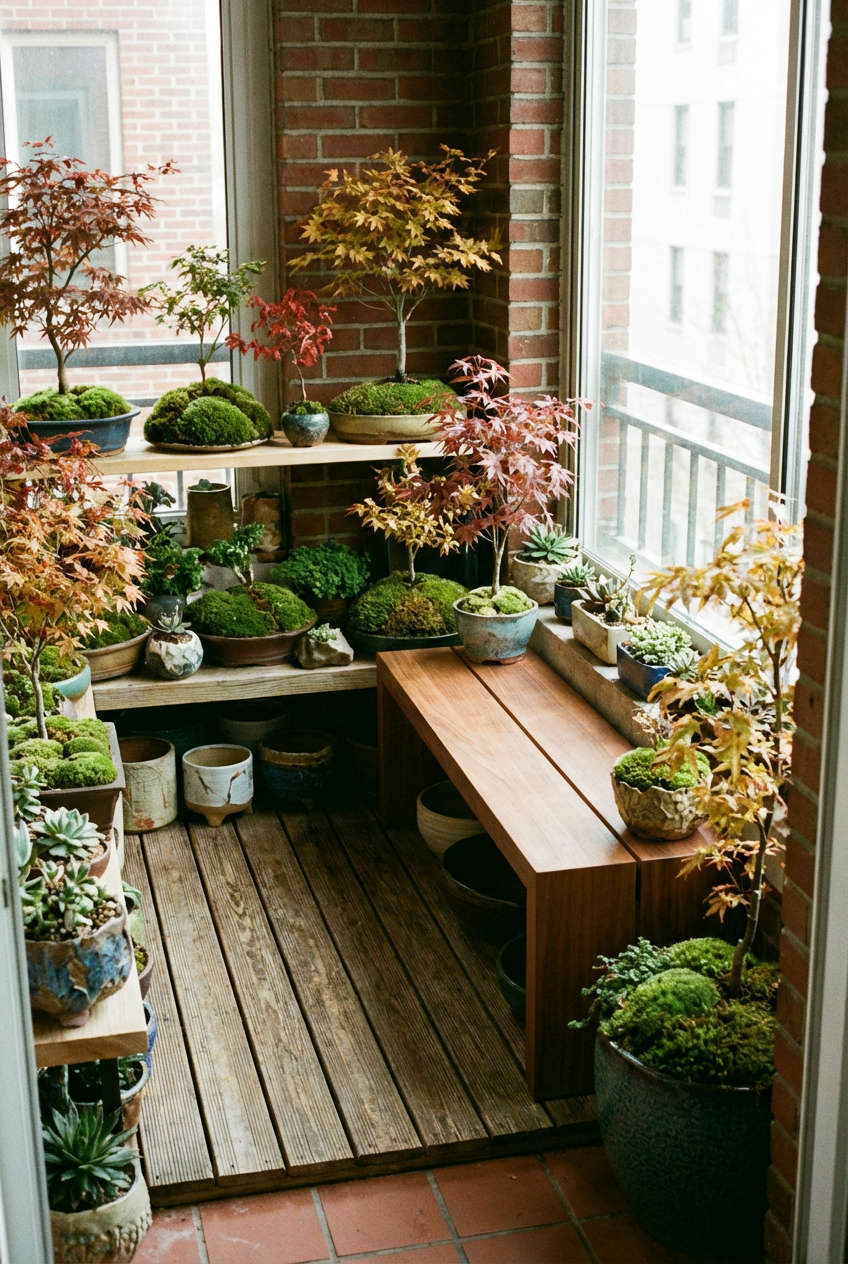
Small spaces are getting big attention in garden design for 2026, and mindful micro-gardens are leading the charge. This trend focuses on intentionally cultivated miniature landscapes, often featuring a blend of succulents, mosses, and delicate flowering plants, perfect for urban dwellers or those with limited outdoor area. Think intricately designed container displays on a tiny patio or a serene corner created within a compact courtyard, offering a moment of peace and green respite. The emphasis is on quality over quantity, making every leaf and bloom count in your personal slice of paradise.
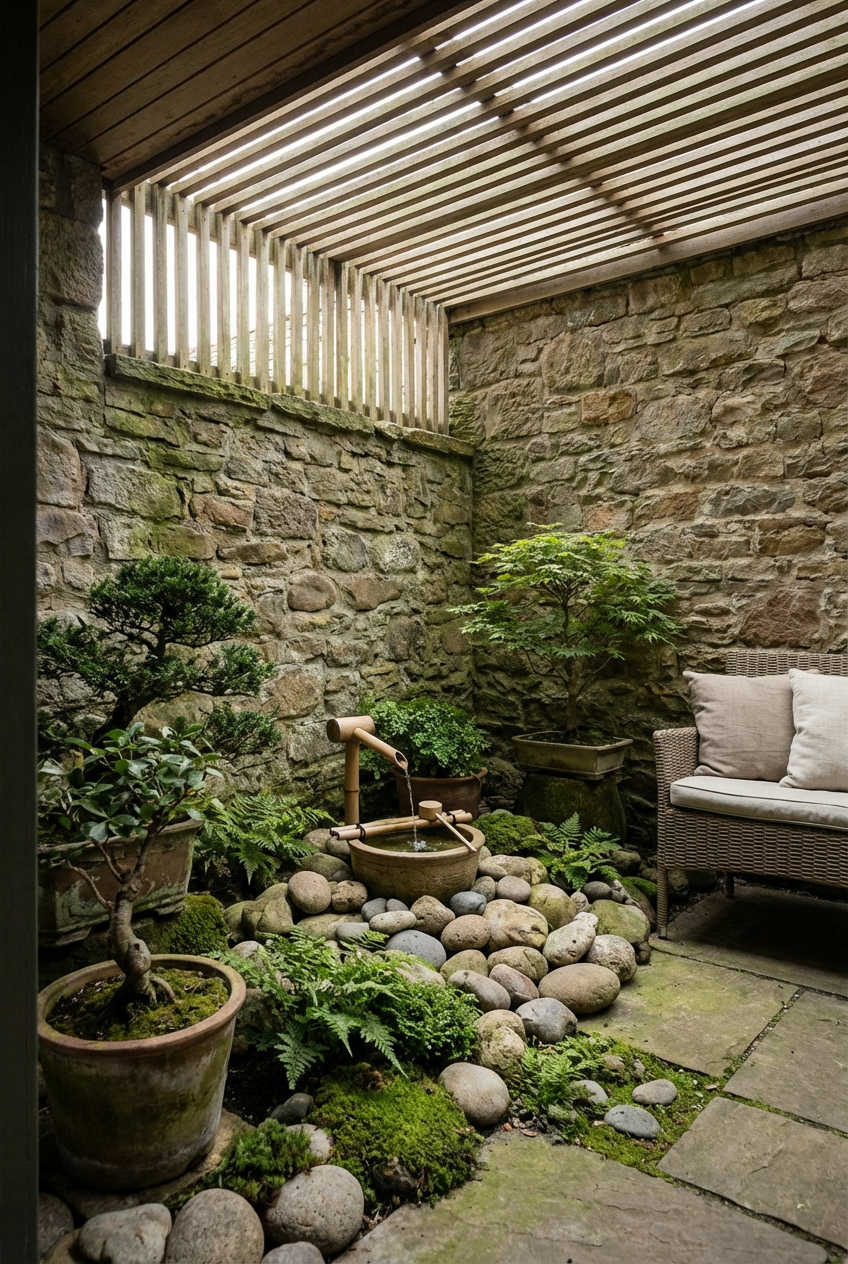
These miniature havens are ideal for those who crave a connection to nature but might only have a balcony or a small corner of a yard. They require less intensive maintenance than larger gardens, making them perfect for busy individuals seeking a low-stress, high-beauty solution. A practical insight here is that grouping various small plants with similar light and water needs simplifies care, promoting a thriving, harmonious display.
2. Edible Landscape Art
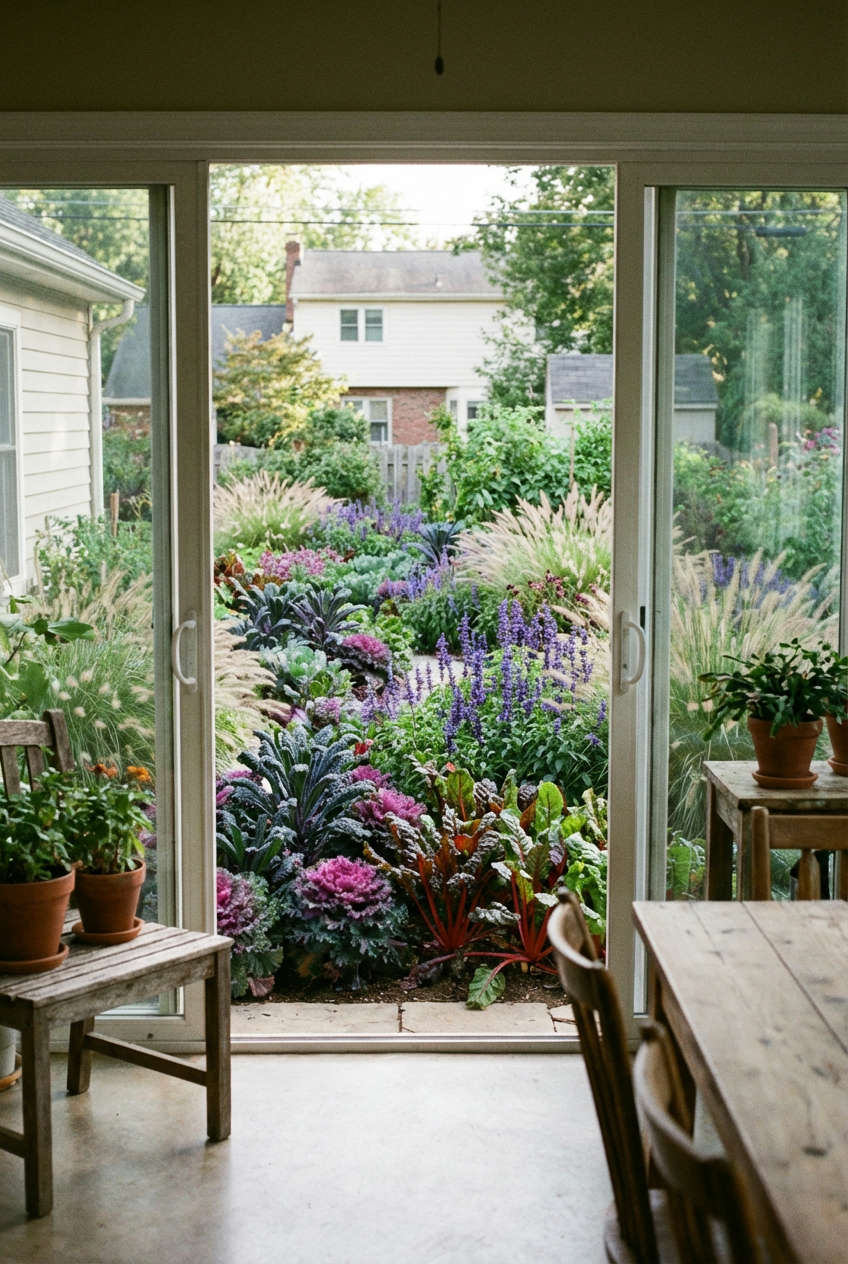
Forget the traditional vegetable patch hidden away; 2026 is all about integrating edibles seamlessly and artfully into your ornamental garden. Imagine vibrant Swiss chard providing a burst of color alongside ornamental grasses, or espaliered fruit trees acting as exquisite living sculptures against a wall. This trend blurs the lines between beauty and utility, creating outdoor spaces that are not only visually stunning but also productive and delicious. It’s about making your entire yard a potential harvest, enhancing both aesthetics and sustainability in one go.
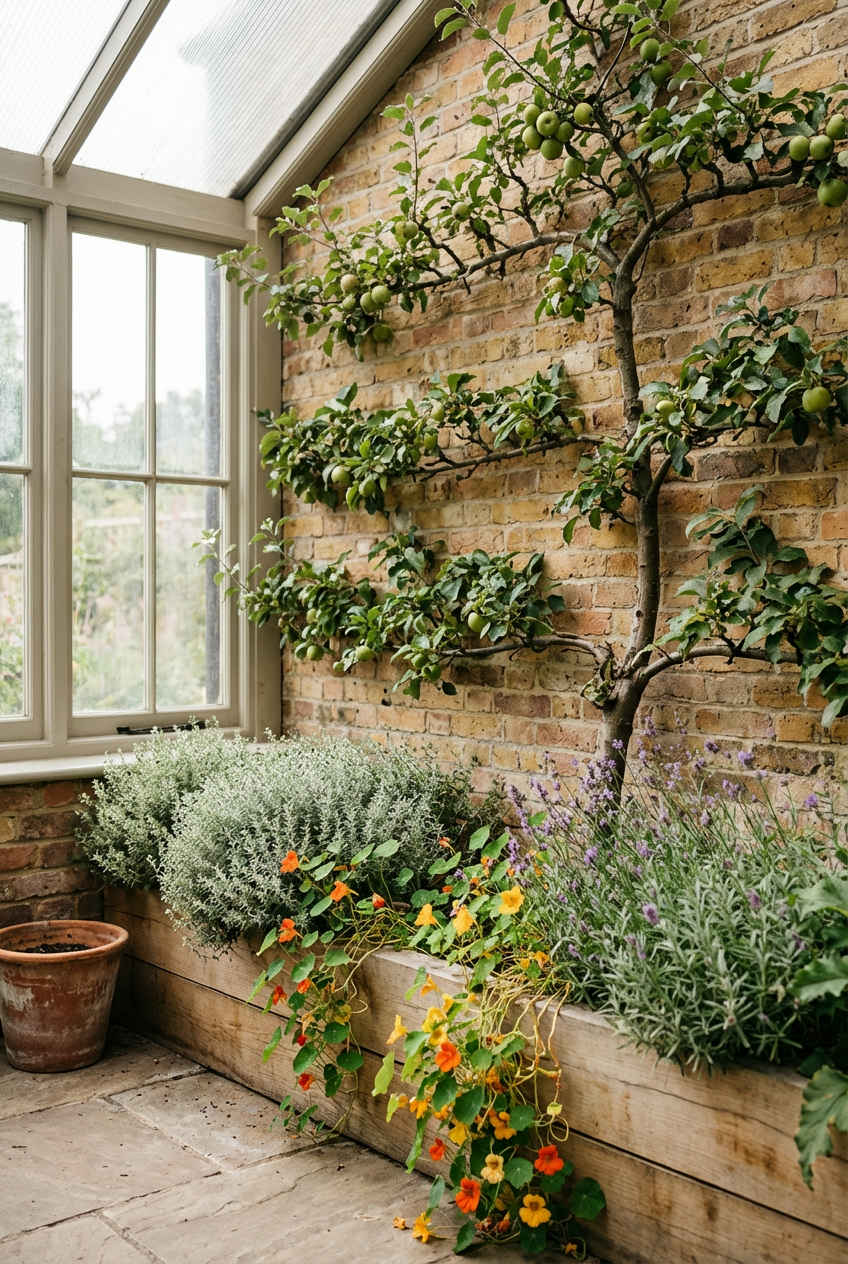
This approach transforms your outdoor space into a dynamic pantry and a feast for the eyes. It’s particularly appealing to the American lifestyle where fresh, local produce is increasingly valued. Imagine stepping out your back door to snip fresh herbs or pick a ripe tomato for dinner – a truly enriching experience that connects you more deeply with your food sources.
3. Water-Wise Wonders
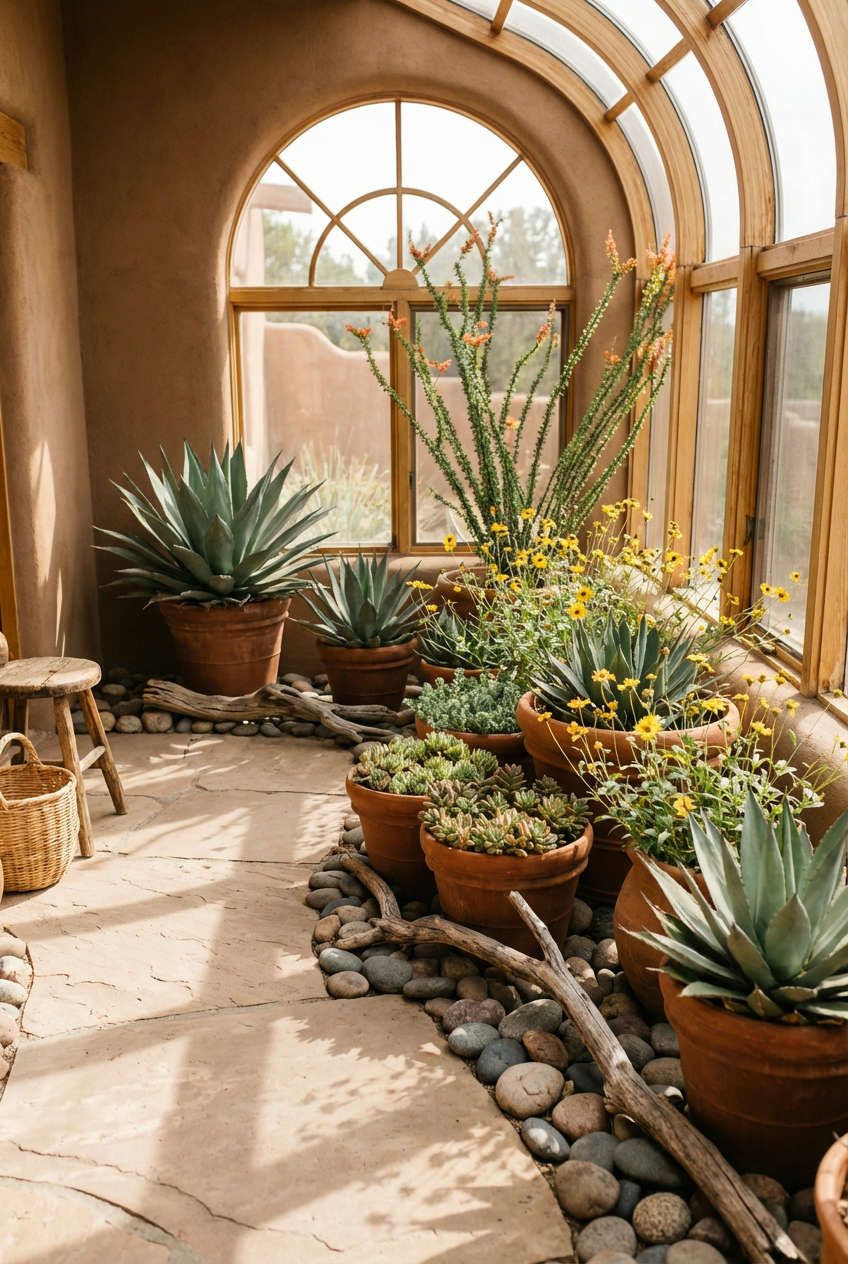
With increasing environmental consciousness, water conservation is a top priority for garden design in 2026. This trend doesn’t mean sacrificing beauty; instead, it celebrates the stunning aesthetics of drought-tolerant plants, permeable hardscaping, and efficient irrigation systems. Think lush landscapes filled with native plants that thrive in local climates, creative use of gravel paths, and rainwater harvesting features that become design elements themselves. These gardens are not only sustainable but also offer unique textures and forms often overlooked in more traditional, water-intensive designs, making for a smart and stunning outdoor space.
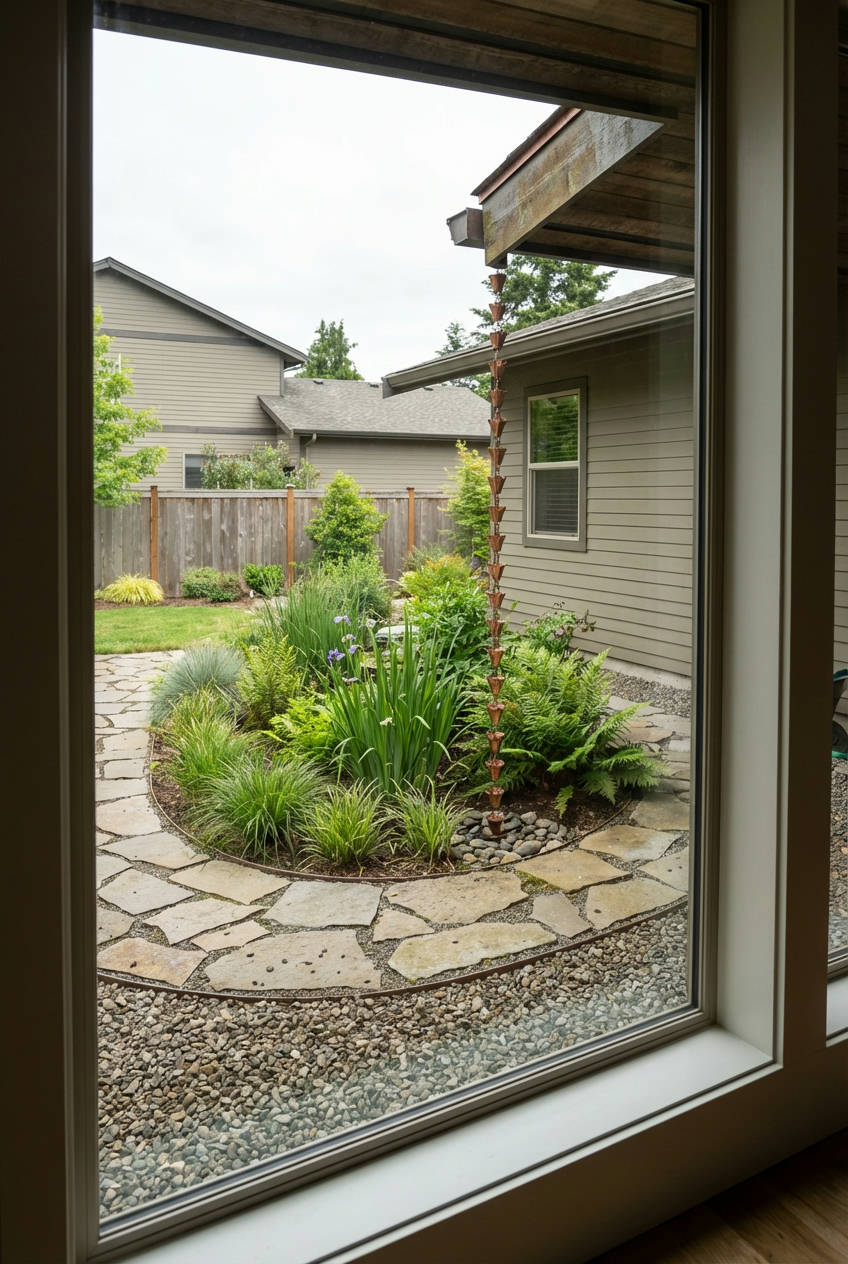
Where it works best: This trend is particularly impactful in arid regions or areas experiencing frequent droughts, but its principles can be applied anywhere to reduce water consumption and promote environmental responsibility. It’s about creating resilient beauty.
4. Corten Steel & Natural Materials
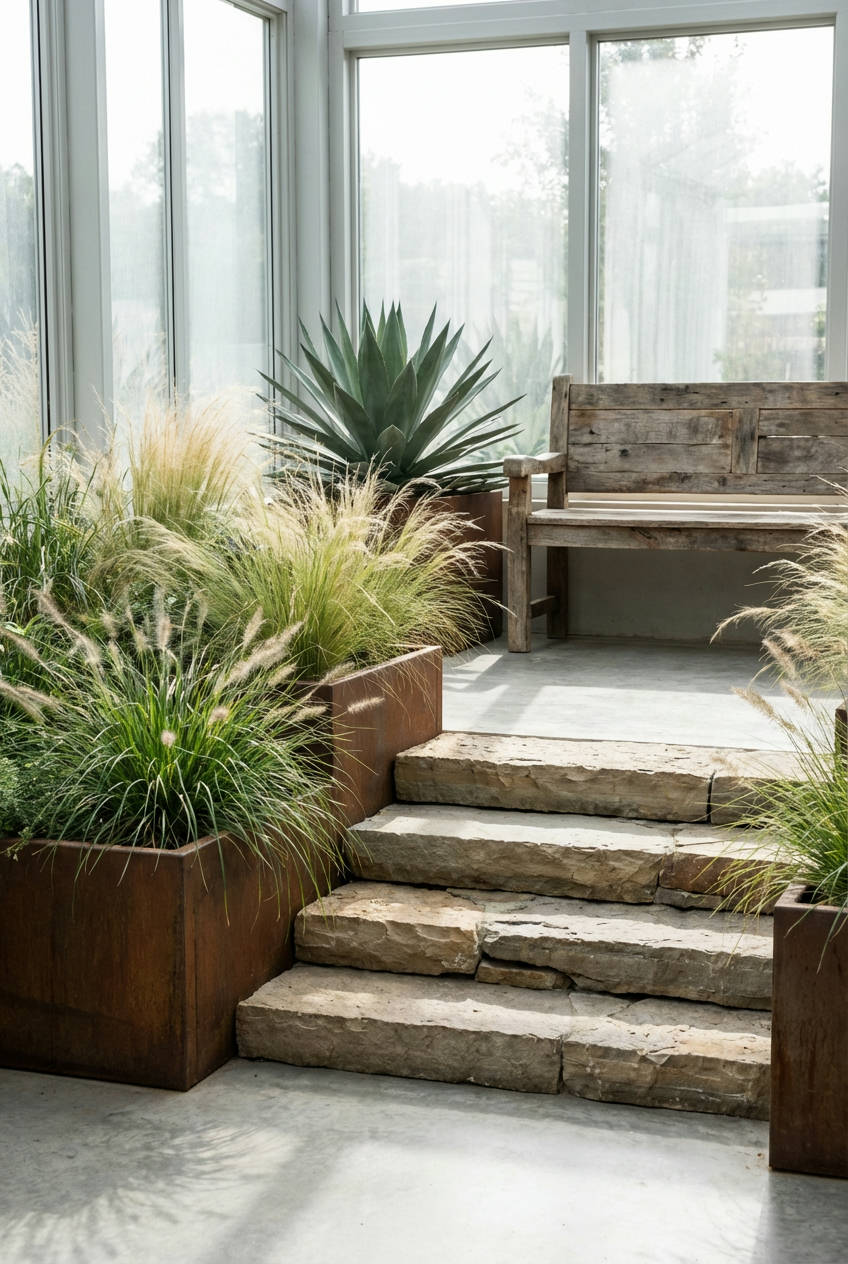
The juxtaposition of industrial modernity and organic beauty is a hallmark of 2026 garden style. Corten steel, with its rich, rusted patina, is being increasingly used for planters, retaining walls, and even sculptural elements, offering a warm yet contemporary edge. This is expertly paired with natural materials like reclaimed wood, large rough-hewn stones, and gravel, creating a grounded, authentic feel. The blend results in a sophisticated outdoor space that feels both cutting-edge and timeless, embracing the beauty of natural aging and textural contrasts in a striking arrangement.
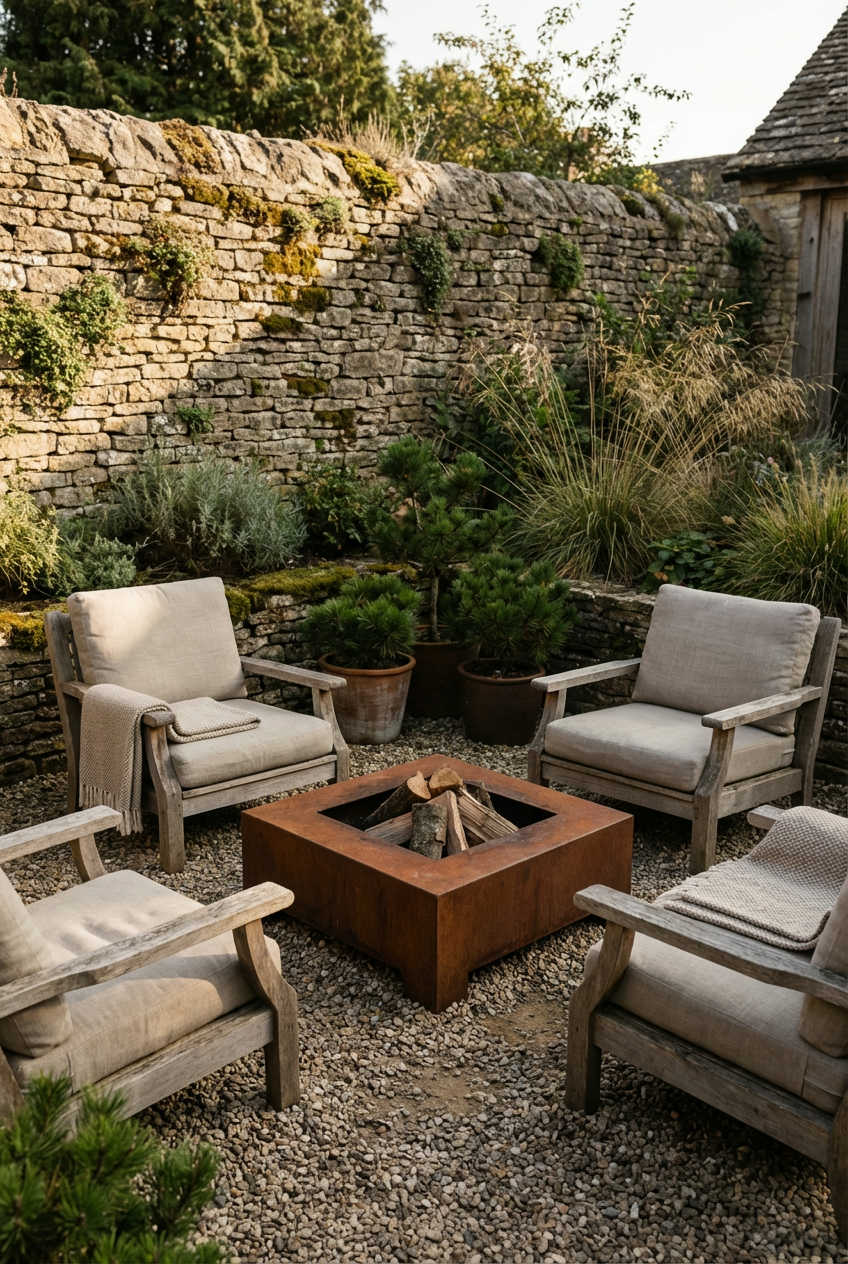
Expert-style commentary: Corten steel offers exceptional durability and its evolving patina means your garden will subtly change and deepen in character over time, providing an enduring aesthetic appeal that is both low-maintenance and high-impact. It really anchors a design.
5. Sensory Pathways
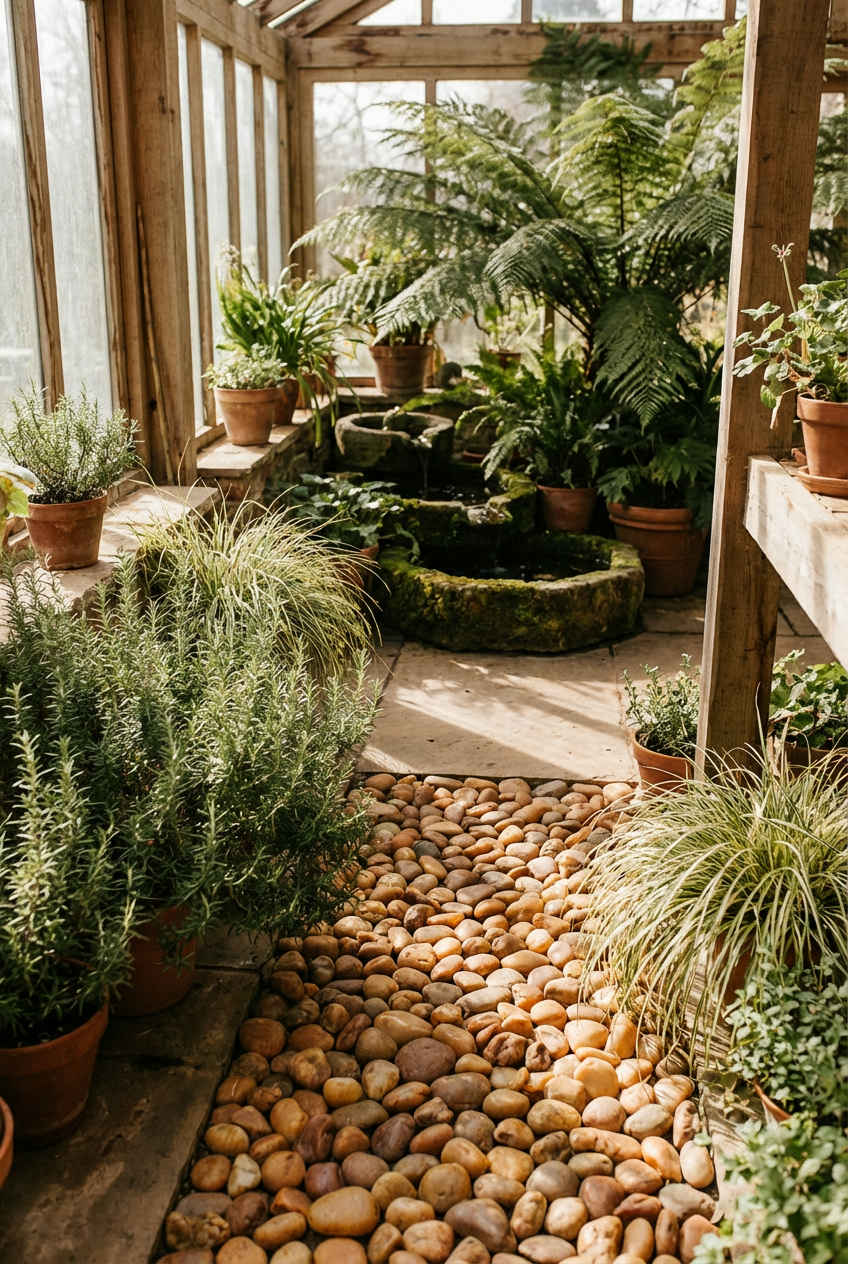
Moving beyond purely visual appeal, 2026 is seeing a strong emphasis on creating immersive sensory experiences within the garden. Sensory pathways are designed to engage all five senses, incorporating plants with aromatic foliage, textured leaves to touch, rustling grasses for sound, and even edible herbs to taste. Picture fragrant lavender bordering a smooth stone path, leading to a bubbling water feature and a bed of soft lamb’s ear. These pathways transform a simple stroll into a rich, meditative journey, encouraging a deeper connection with your outdoor environment and a multi-faceted experience.
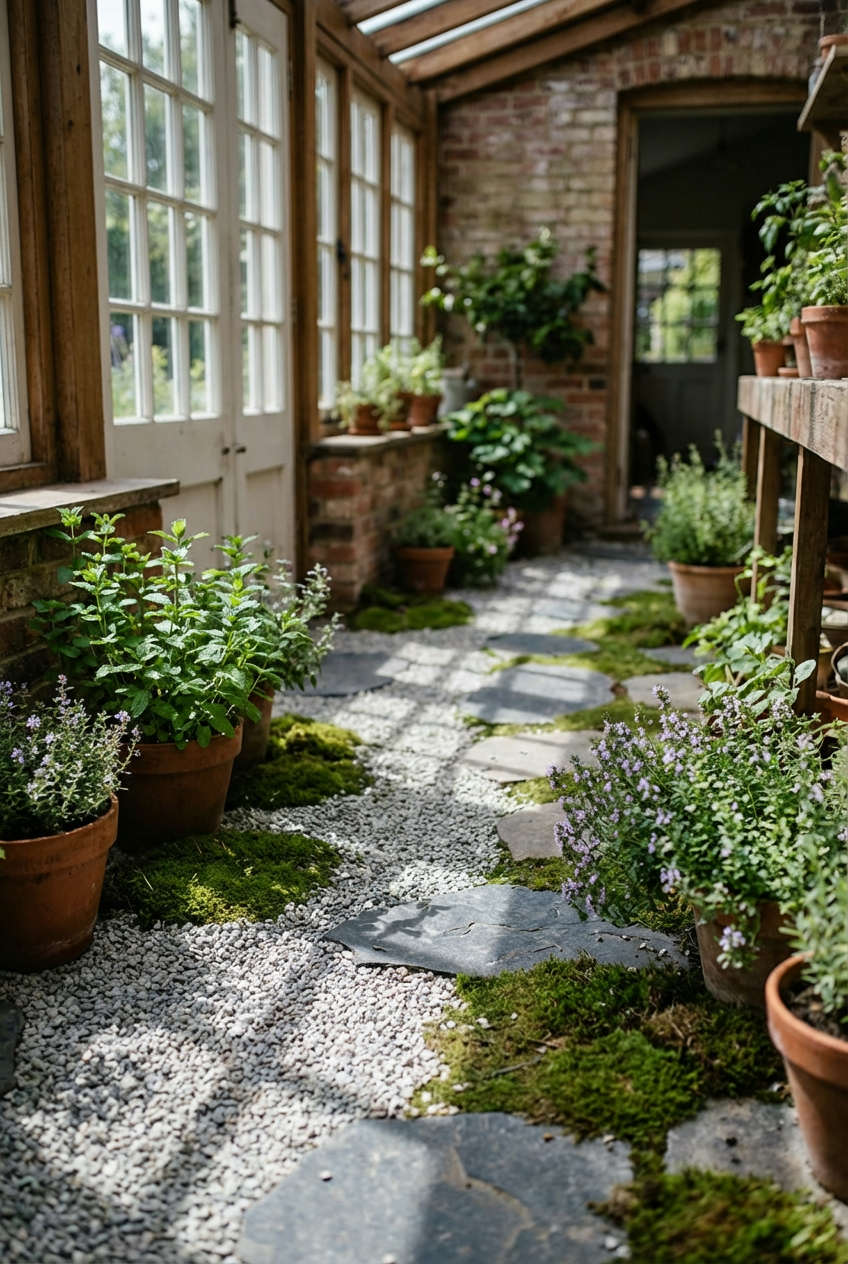
A small anecdote illustrates this beautifully: my neighbor told me how her youngest grandchild, who used to rush through the yard, now stops at every scented plant and textured leaf along their newly installed sensory path, turning quick dashes into delightful explorations.
6. Regenerative Raised Beds
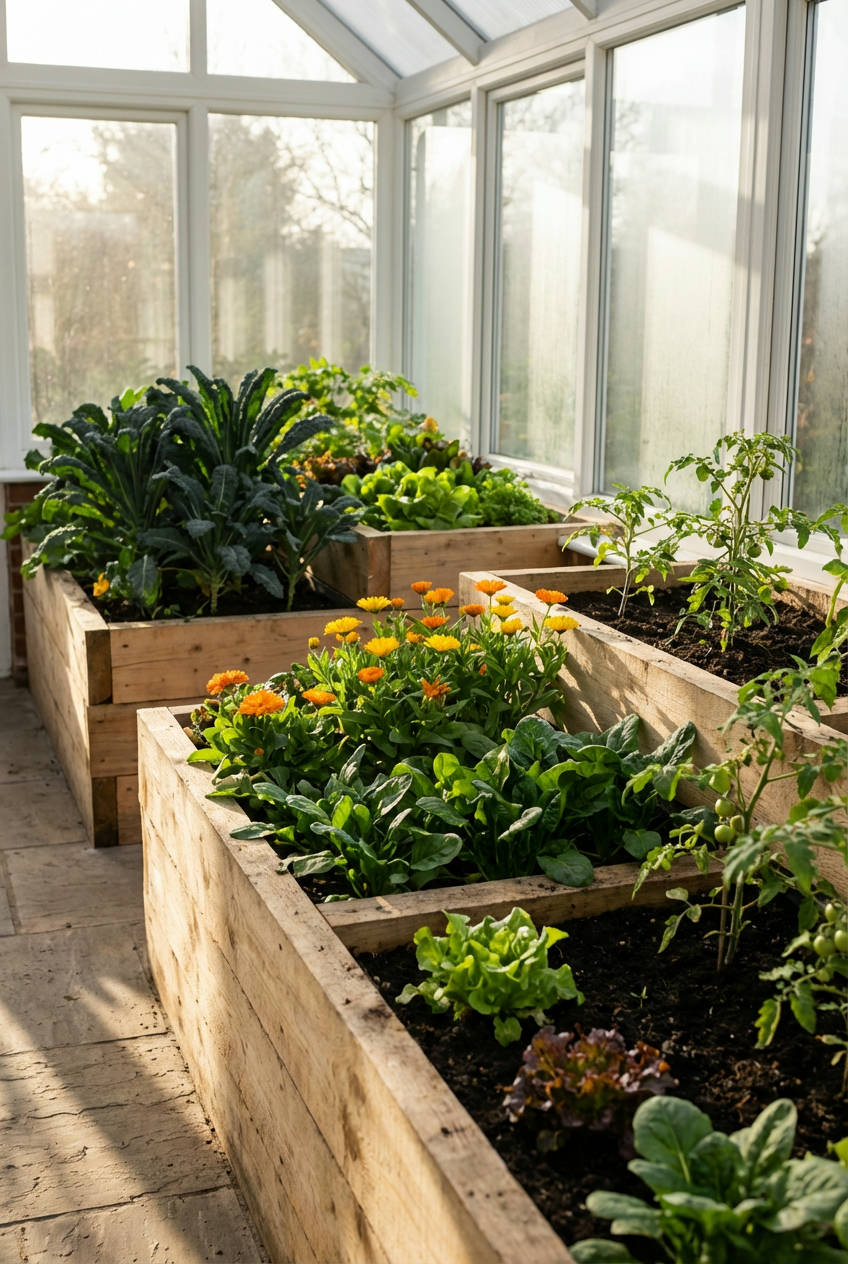
Raised garden beds are getting a regenerative upgrade in 2026, focusing on soil health and biodiversity. This means more than just filling them with potting mix; it involves layering organic materials like compost, wood chips, and leaf mold to create a living ecosystem within the bed. The goal is to nourish the soil over time, reducing the need for external inputs and fostering robust, healthy plants. These beds become miniature food forests, supporting a thriving microbial life below the surface and ensuring a sustained bounty for years to come in your functional garden.
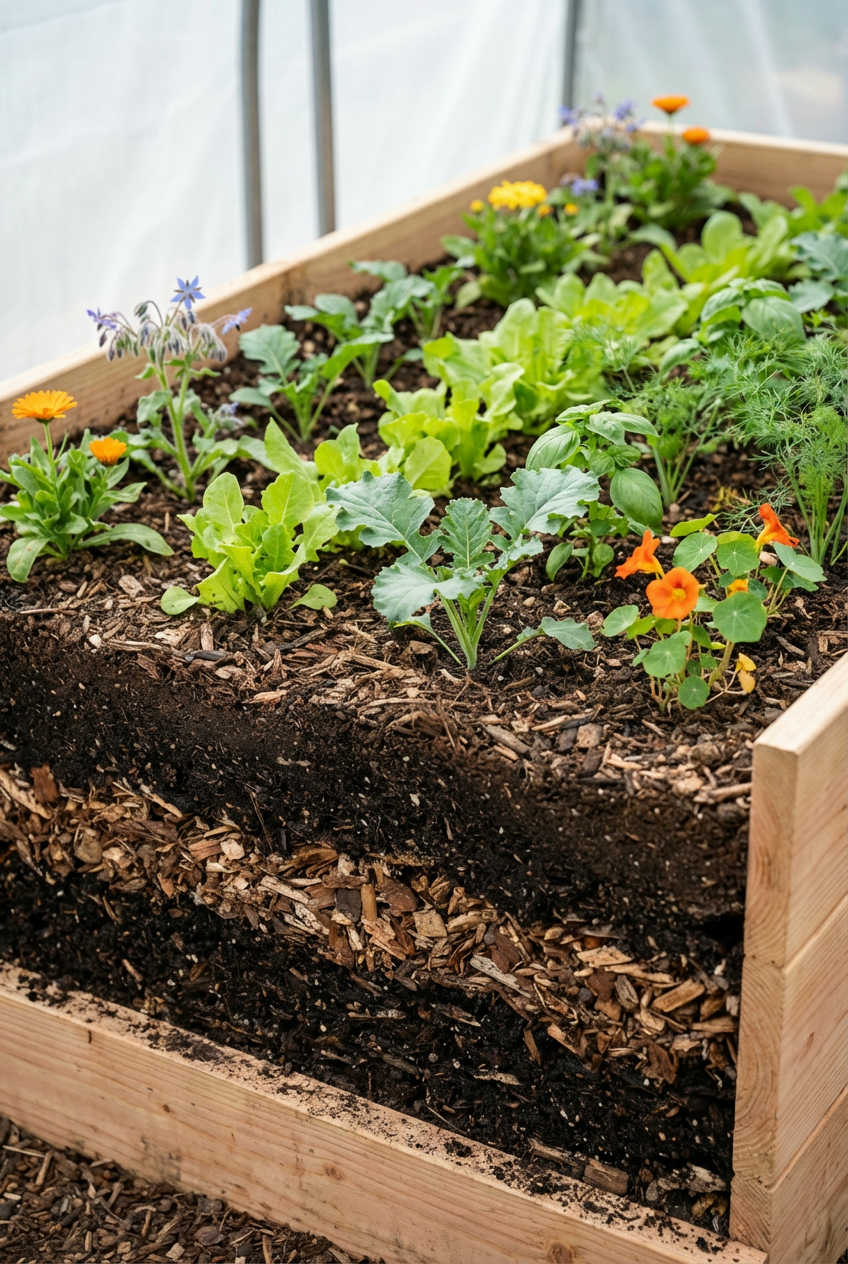
Budget/price angle: While the initial setup for layering these beds might involve more materials like compost and mulch, the long-term benefit is reduced cost on fertilizers and soil amendments, making them a wise investment for sustained productivity and health in your backyard.
7. Smart Lighting for Mood & Security
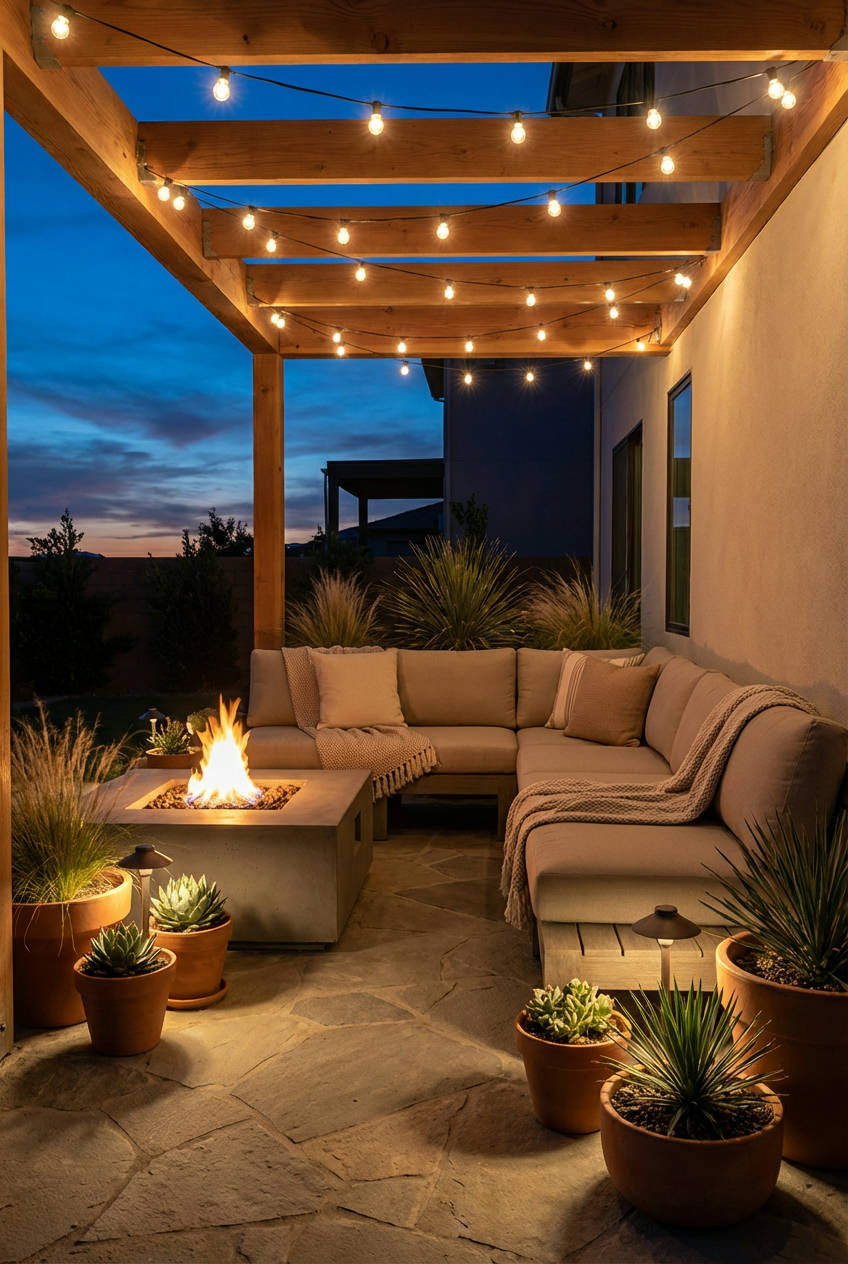
Outdoor lighting in 2026 is no longer just functional; it’s intelligent and atmospheric. Smart lighting systems, controllable via apps, allow homeowners to effortlessly change colors, dim lights, and set schedules to create diverse moods or enhance security. Imagine warm, inviting glows for evening entertaining, dramatic uplighting for key landscape features, or motion-activated lights along pathways for safety. These systems are transforming gardens into versatile, multi-functional spaces that come alive after dark, extending the usability of your outdoor living area and making your garden a true extension of your smart home.
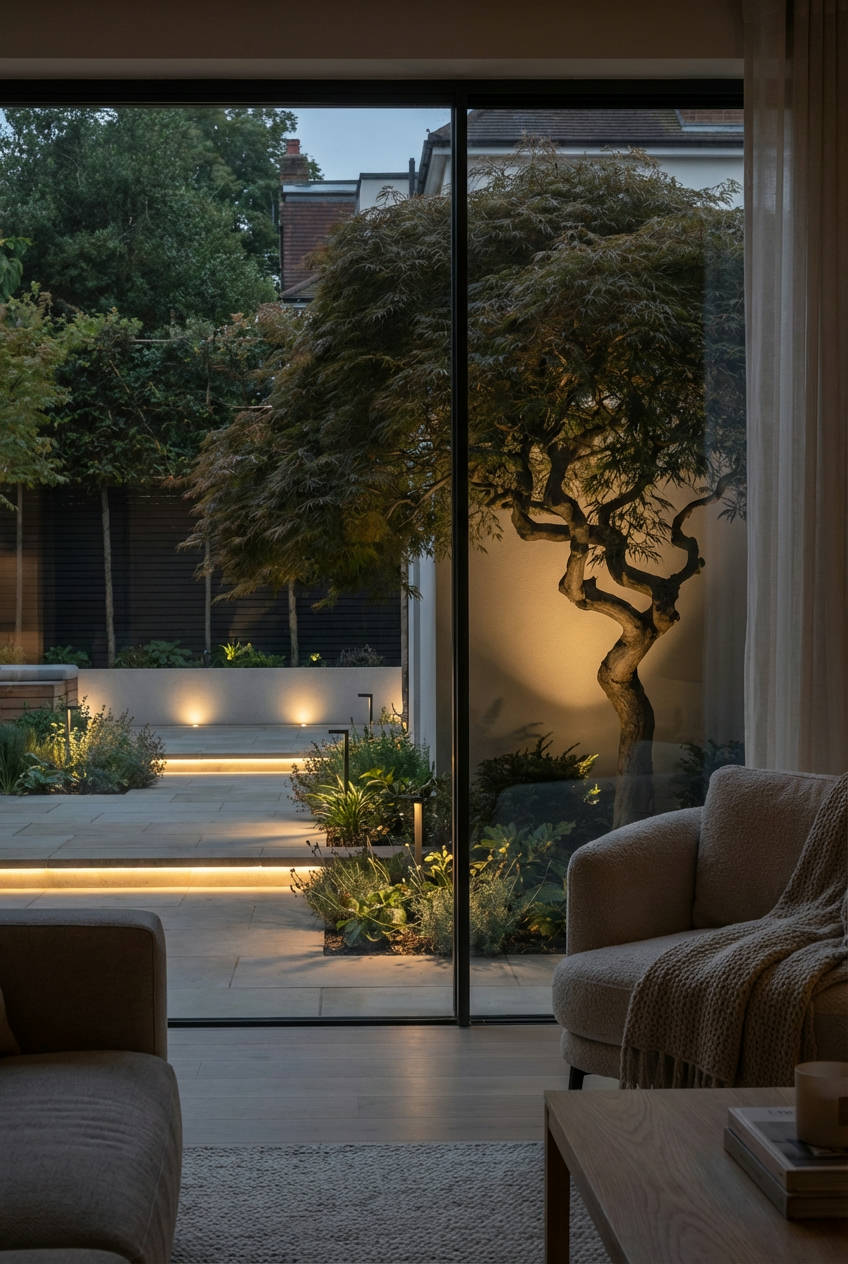
Real homeowner behavior shows that integrating smart lighting significantly increases evening usage of outdoor spaces, turning them into true extensions of the home. People are investing in systems that offer both ease of control and aesthetic versatility, highlighting both form and function.
8. Wildlife & Pollinator Havens
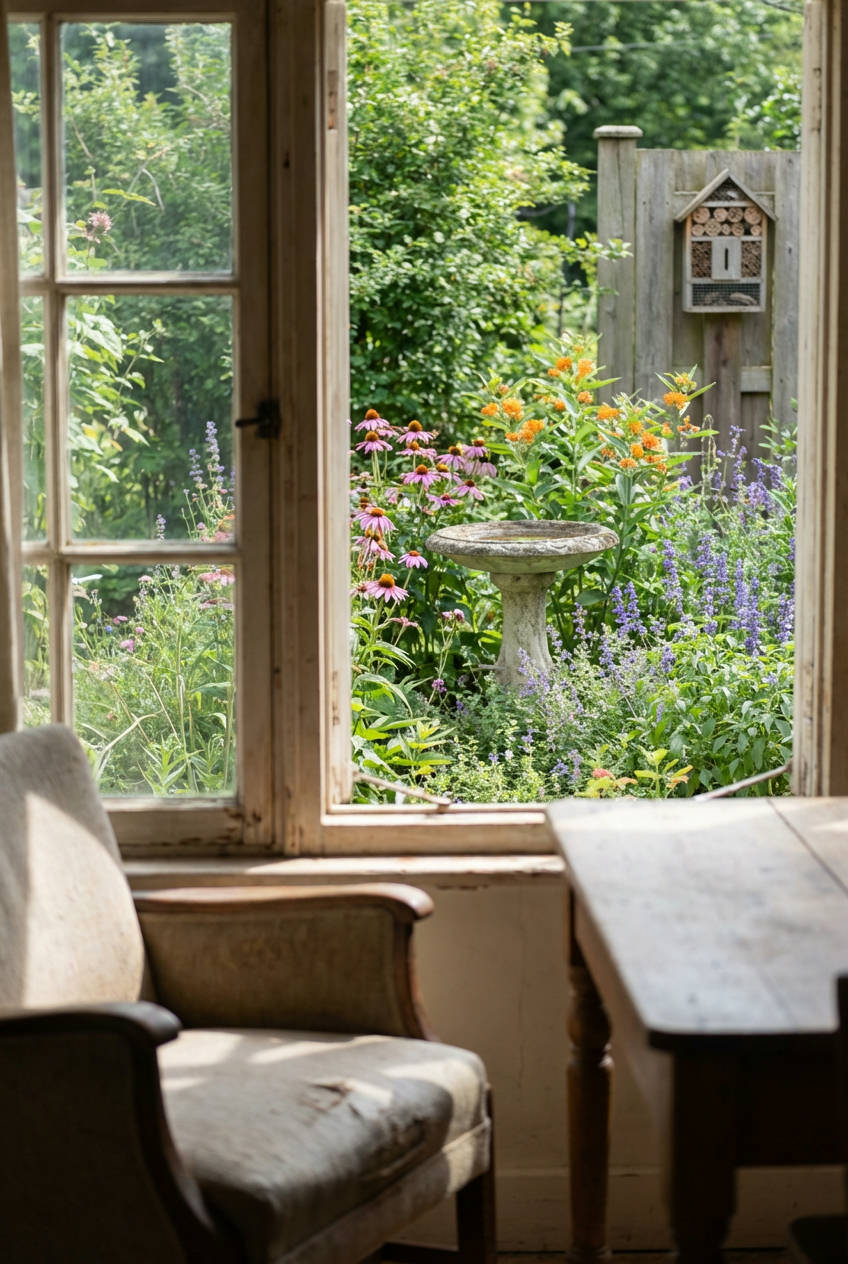
Nurturing local ecosystems is a big priority for 2026 garden design, with an emphasis on creating beautiful spaces that also serve as vital wildlife and pollinator havens. This involves selecting native plants that provide food and shelter, installing water sources like bird baths, and even incorporating “bug hotels” or bee houses. The aim is to create a dynamic, living garden that supports biodiversity, offering a vibrant spectacle of butterflies, bees, and local birds. It’s about giving back to nature while enjoying the beauty of a flourishing, active ecosystem right in your backyard, filled with interesting flora and fauna.
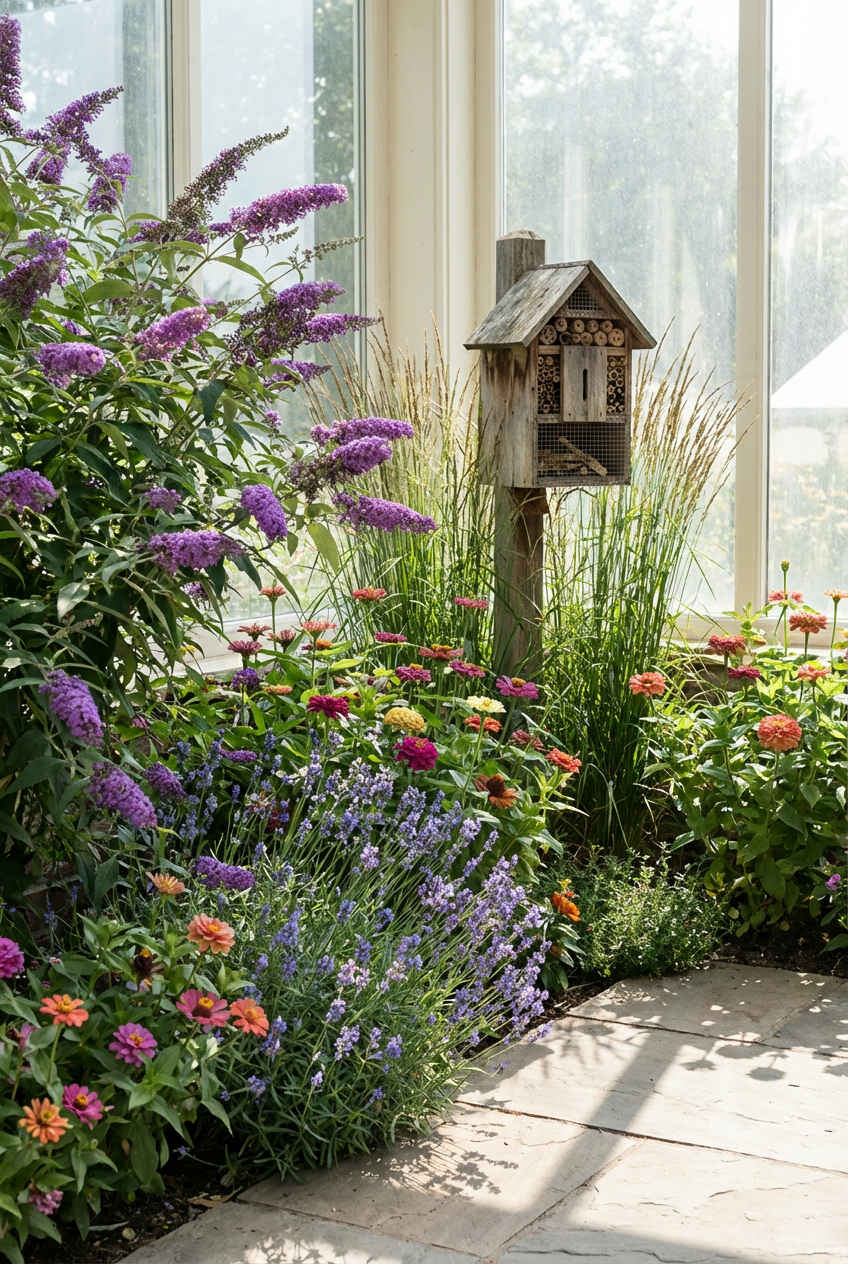
Common mistakes and how to avoid them: A common mistake is planting non-native species that might look pretty but offer no ecological benefit to local wildlife. Opt for local nurseries specializing in native plants to ensure your choices truly support regional ecosystems, making your contribution even more impactful.
9. Vertical Green Walls & Roof Gardens
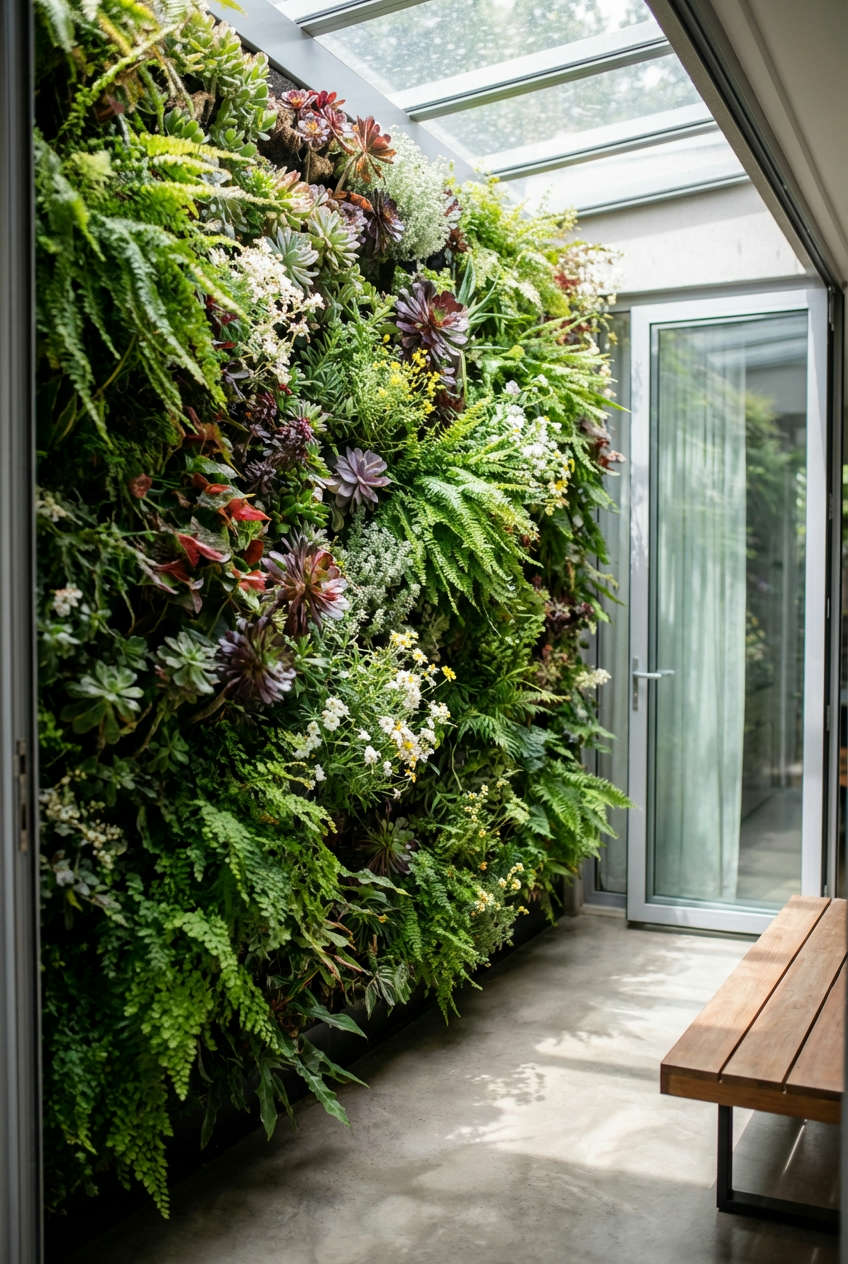
Maximizing greenery in urban environments or limited spaces is defining a major shift in 2026 with vertical green walls and roof gardens taking center stage. These innovative solutions transform otherwise barren surfaces into flourishing living displays, offering remarkable aesthetic appeal and ecological benefits. Imagine a plain wall becoming a vibrant tapestry of ferns, herbs, and flowering plants, or a rooftop transforming into a serene oasis complete with seating and dappled shade. They not only look stunning but also contribute to improved air quality and urban cooling, making them a smart choice particularly for your urban garden.
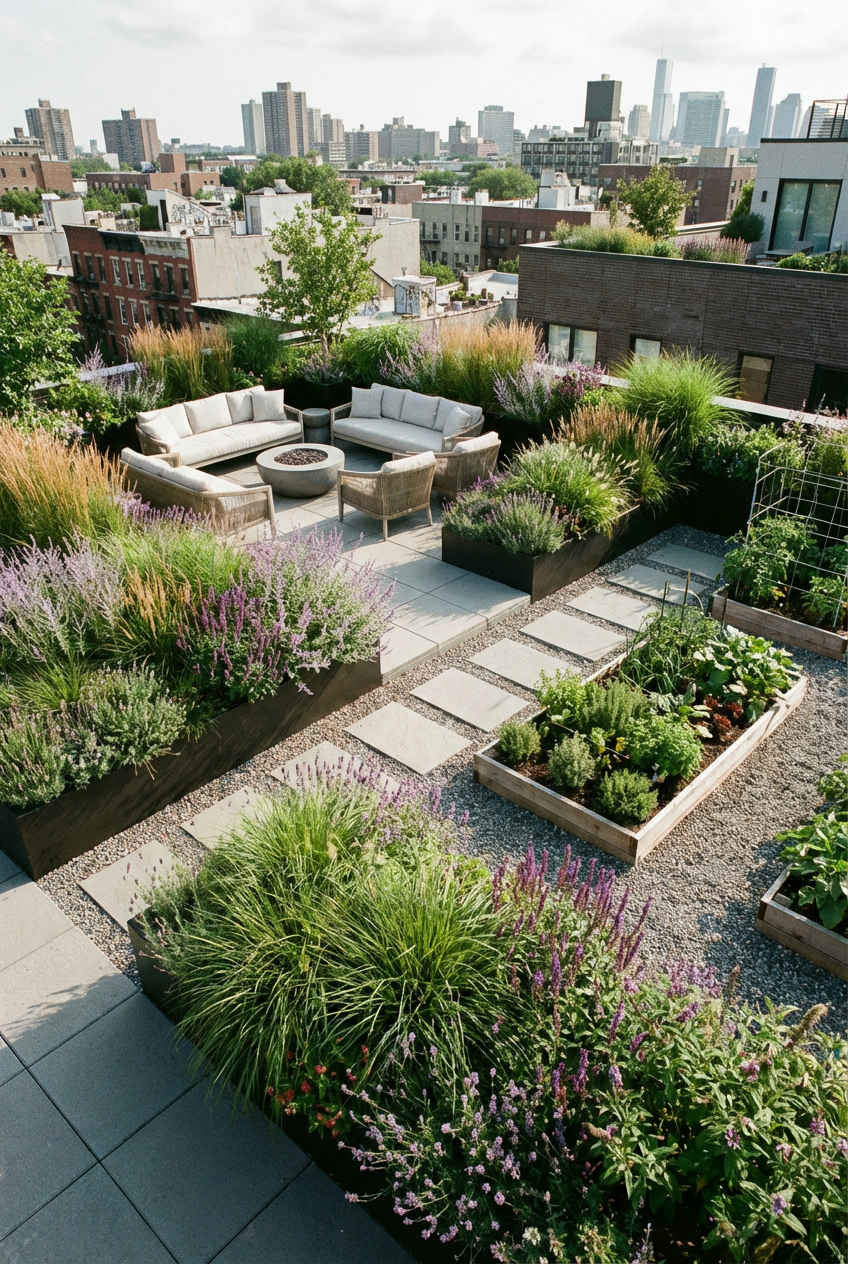
Practical insight: When planning a vertical garden, ensure adequate drainage and a reliable irrigation system, as vertical displays can dry out faster than traditional beds. This careful planning ensures the long-term health and vibrancy of your living wall, enhancing its visual impact for years.
10. Outdoor Kitchens with Integrated Gardens
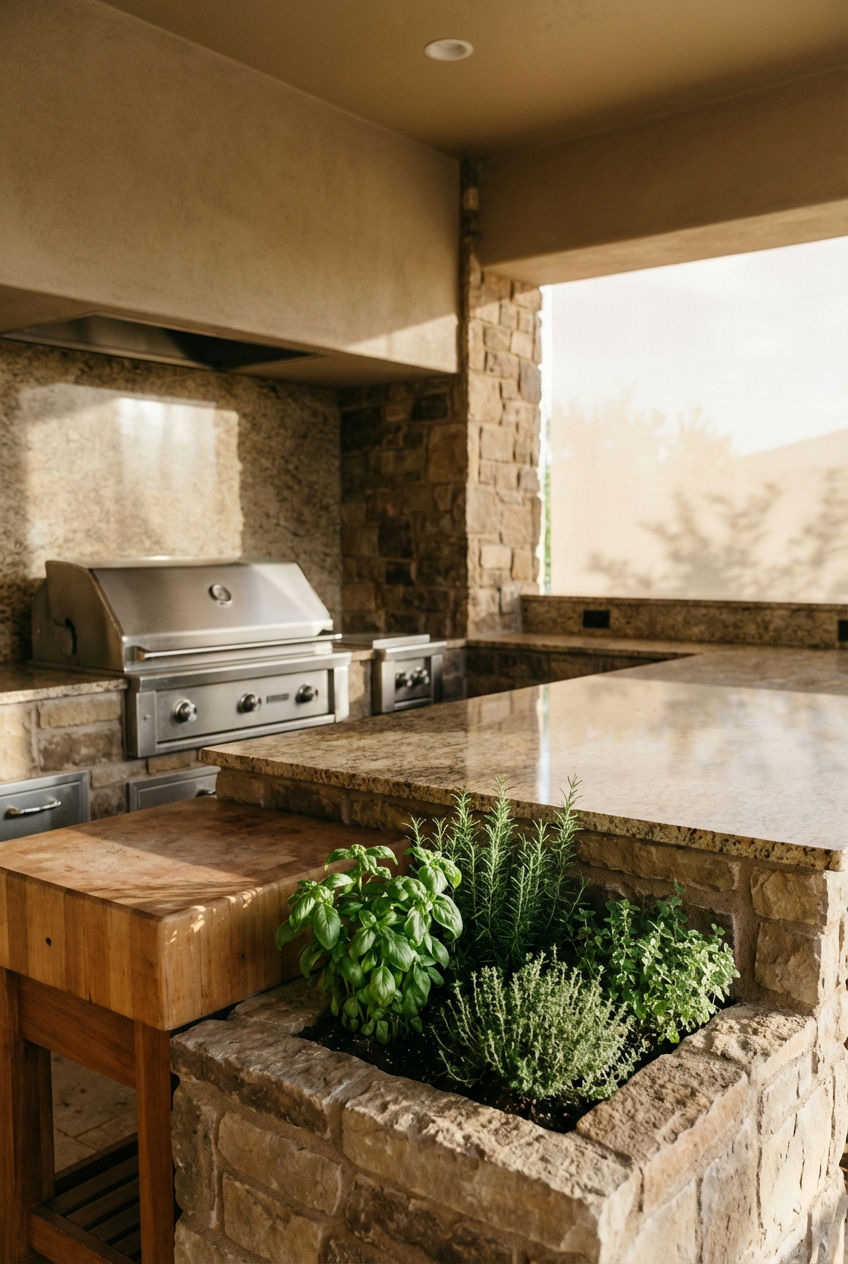
The outdoor kitchen is evolving beyond just a grill; in 2026, it becomes a seamless culinary hub with integrated edible garden elements. Picture built-in herb planters directly next to your prep counter, small raised beds for salad greens within arm’s reach of the cooking station, or even a citrus tree providing shade and fresh fruit. This trend emphasizes convenience and freshness, making outdoor cooking an even more immersive and enjoyable experience. It’s about bringing the farm-to-table concept directly into your backyard entertainment space, enhancing both flavor and aesthetics for your culinary pursuits.
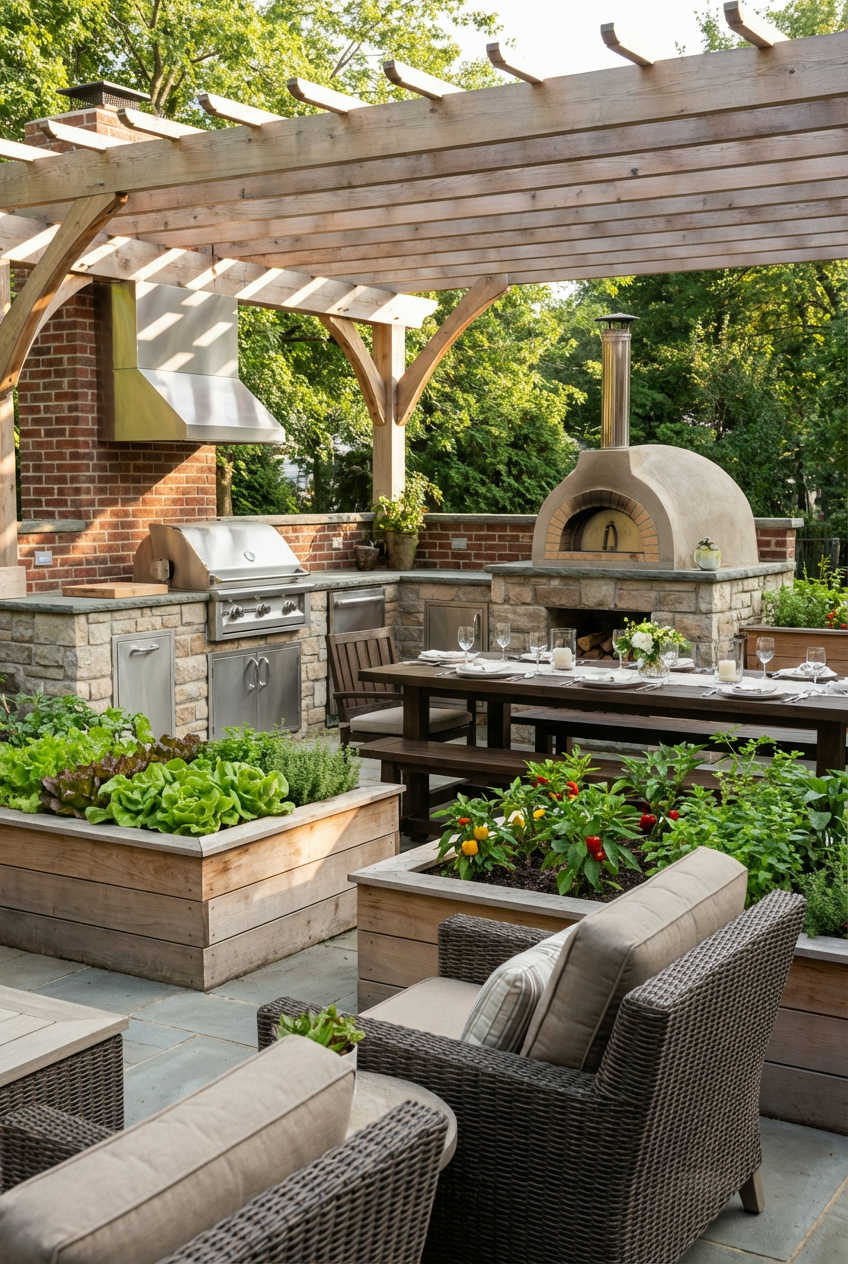
This trend perfectly captures the essence of the American lifestyle, where outdoor entertaining and fresh, self-grown ingredients are increasingly valued. It’s about making gastronomic delights a central and enjoyable part of your outdoor living experience, enhancing both flavor and convenience.
11. Zen Rock Gardens with Modern Twists
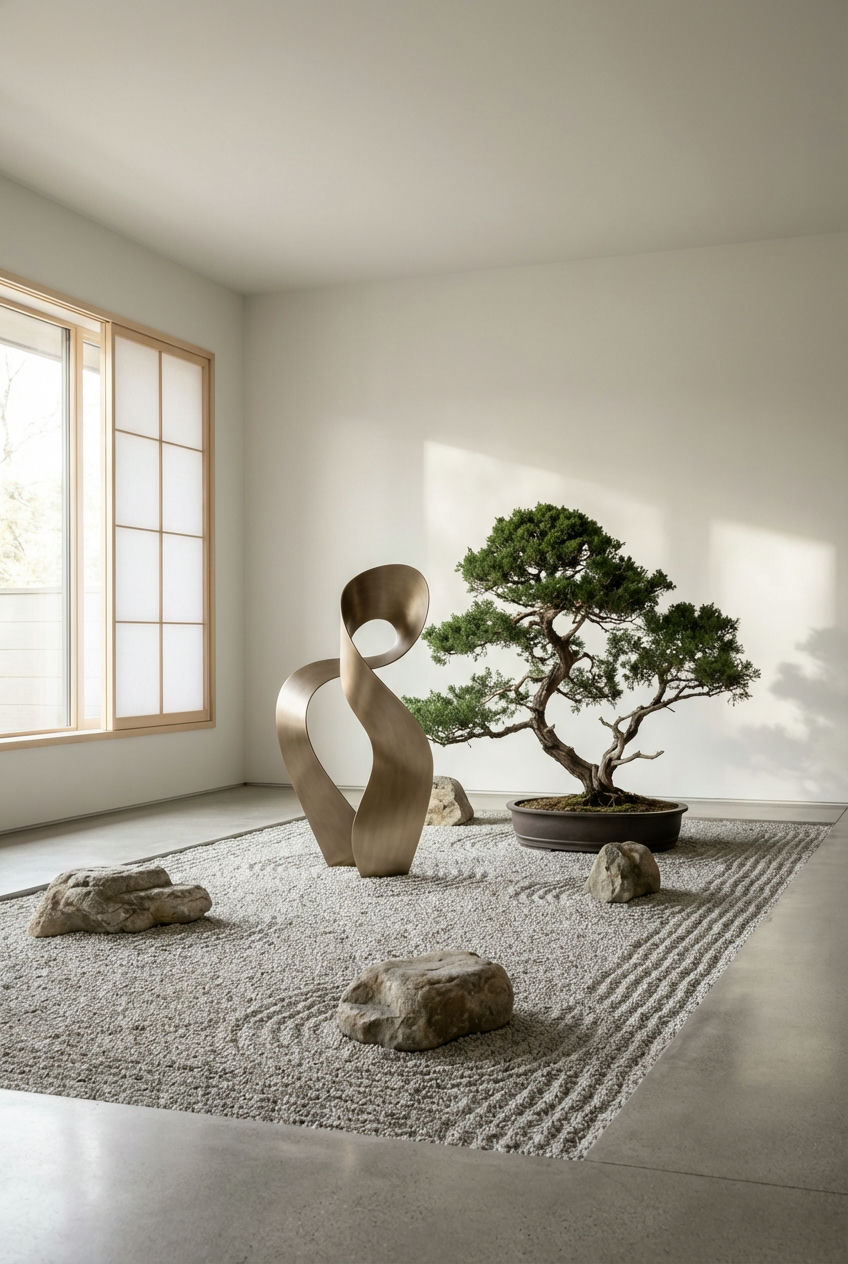
The timeless tranquility of Zen rock gardens is being reimagined for 2026 with contemporary flair. While maintaining the core principles of serenity and contemplation, these updated designs incorporate modern elements like sleek concrete benches, minimalist water features, or abstract sculptures. Instead of solely traditional raked gravel, you might see bold, large-format paving stones mixed with fine pebbles, or a single, meticulously chosen specimen plant providing a striking focal point. It’s about creating a personal sanctuary that feels both anciently wise and refreshingly current, a space for quiet reflection in a busy world.
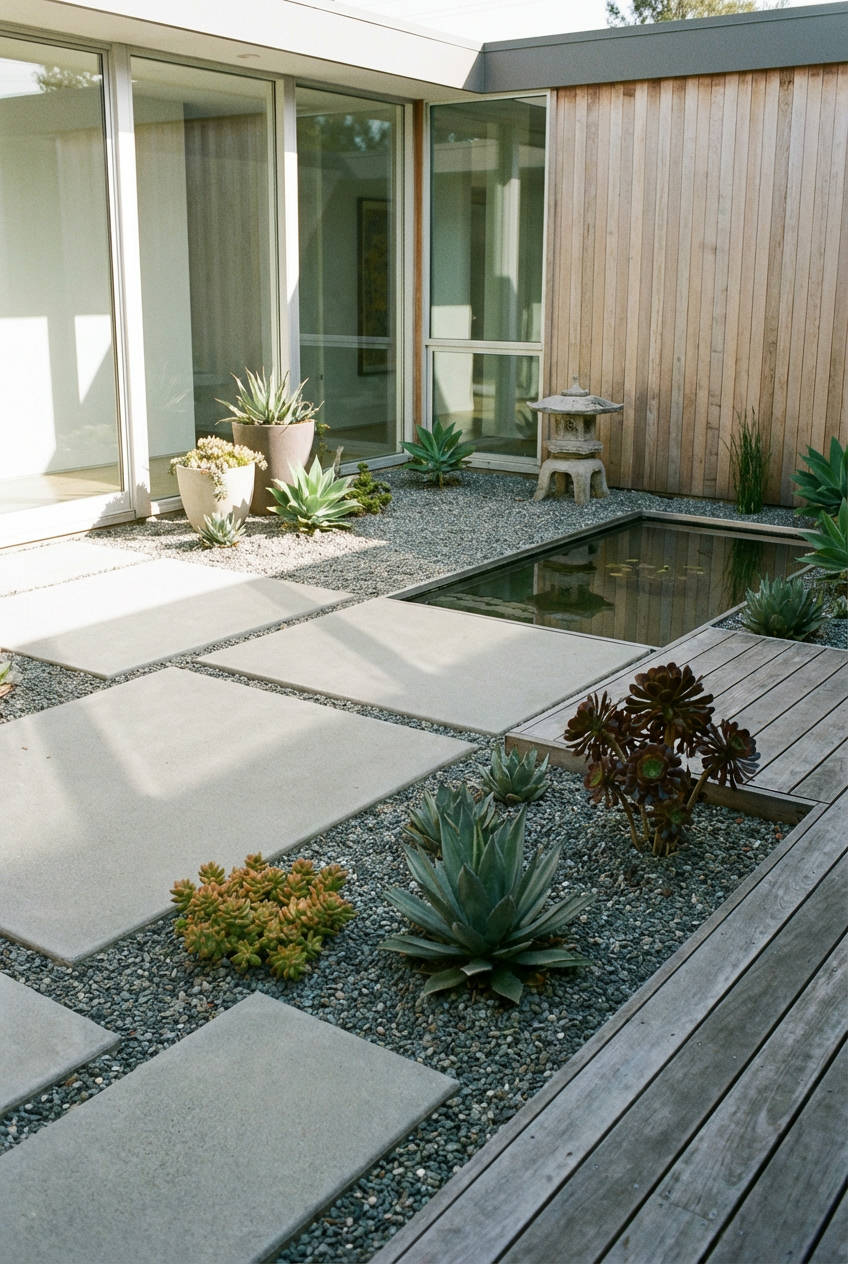
Where it works best: This style is particularly effective in urban settings or small yards where a sense of calm and order is desired without the need for extensive plant maintenance. It brings a sophisticated and contemplative atmosphere to even the most compact spaces, enhancing tranquility.
12. Biophilic Design Extensions
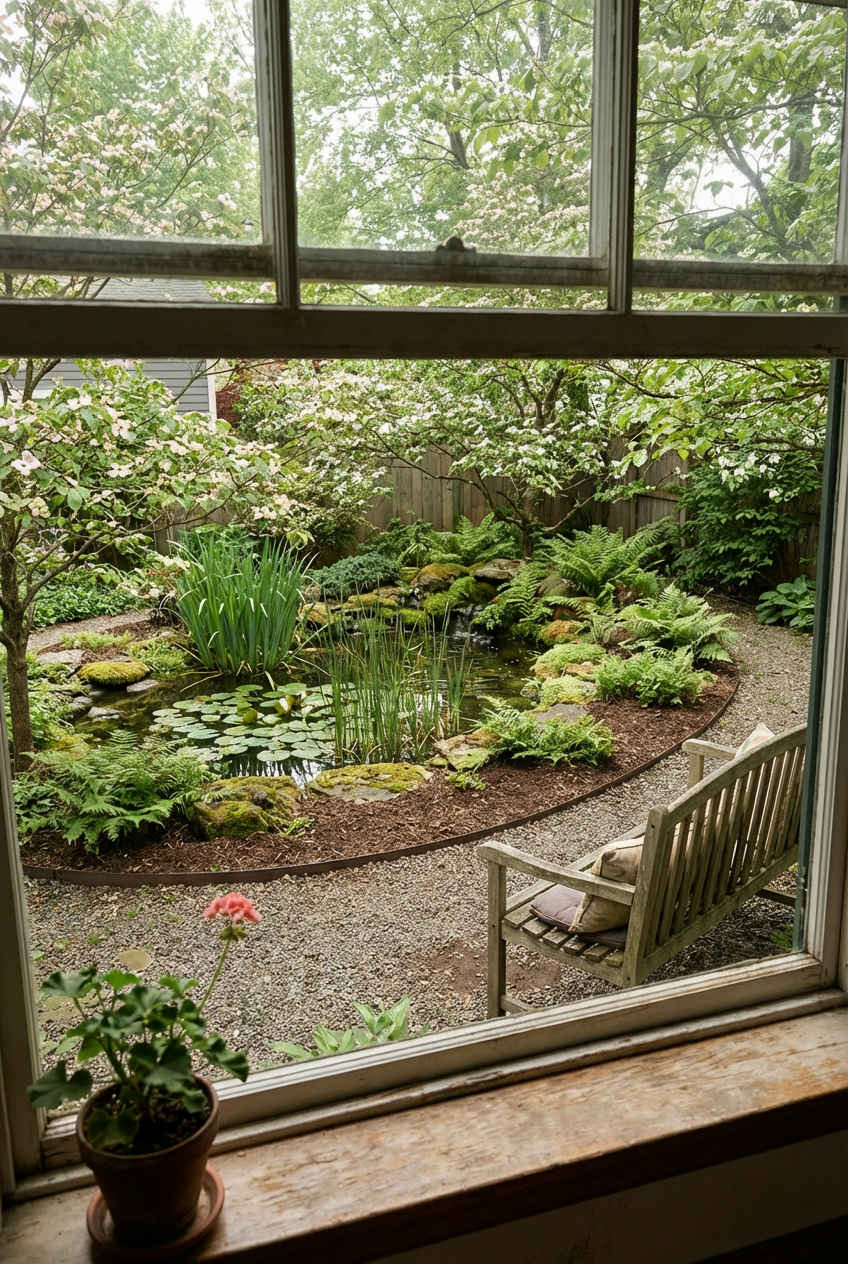
Biophilic design, the concept of connecting humans with nature, is moving beyond indoor spaces and profoundly influencing 2026 garden trends. This means designing outdoor areas that not only incorporate plants but also subtly mimic natural ecosystems, featuring flowing lines, natural textures, and a harmonious blend of water, stone, and diverse plant life. Think winding paths that evoke a forest trail, seating areas nestled among dense foliage, or natural swimming ponds replacing chlorinated pools. It’s about creating environments that inherently promote well-being and a deep sense of connection to the natural world, fostering a restorative experience.
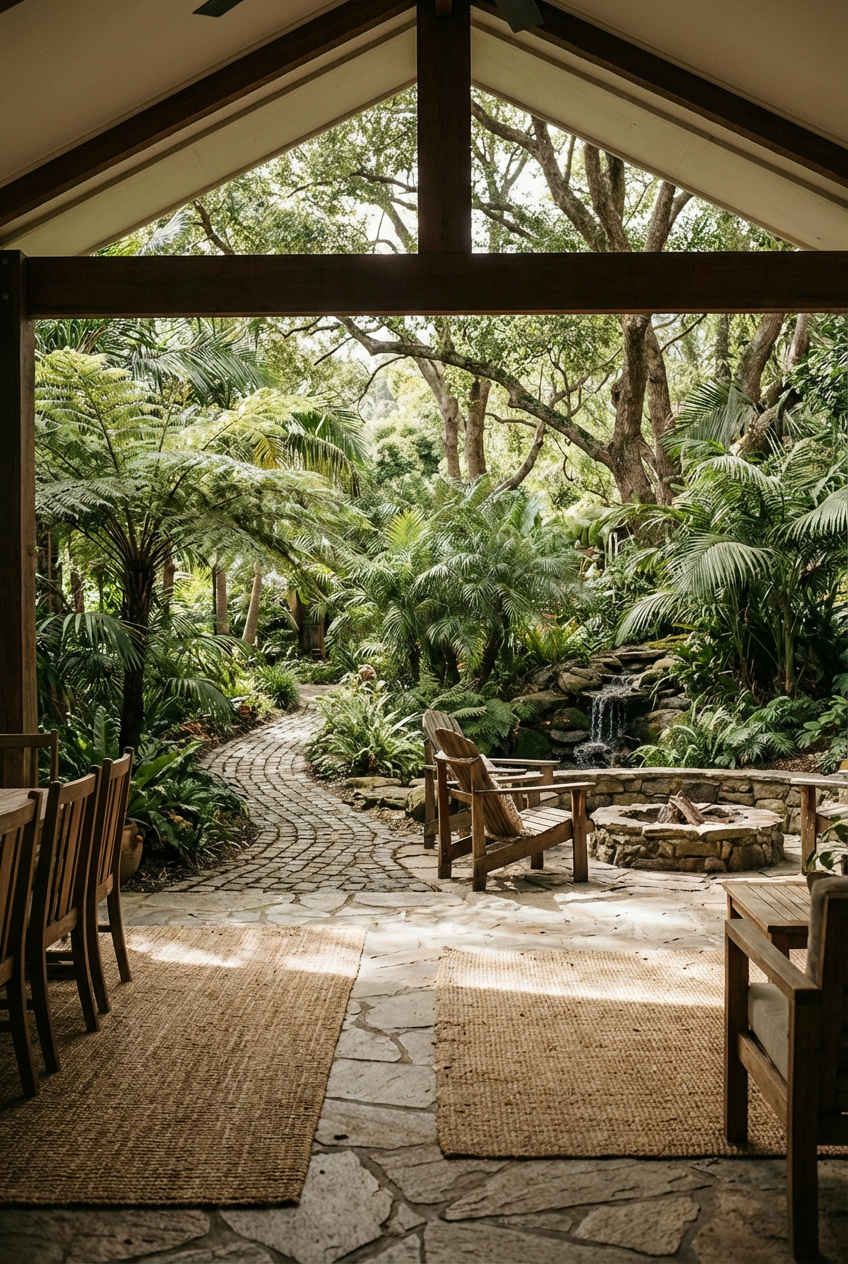
Expert-style commentary: Integrating biophilic principles can significantly improve mental well-being and reduce stress. Studies show that exposure to natural environments, even curated ones, positively impacts mood and cognitive function, making these gardens more than just beautiful—they are therapeutic.
13. Maximalist & Wildflower Meadows
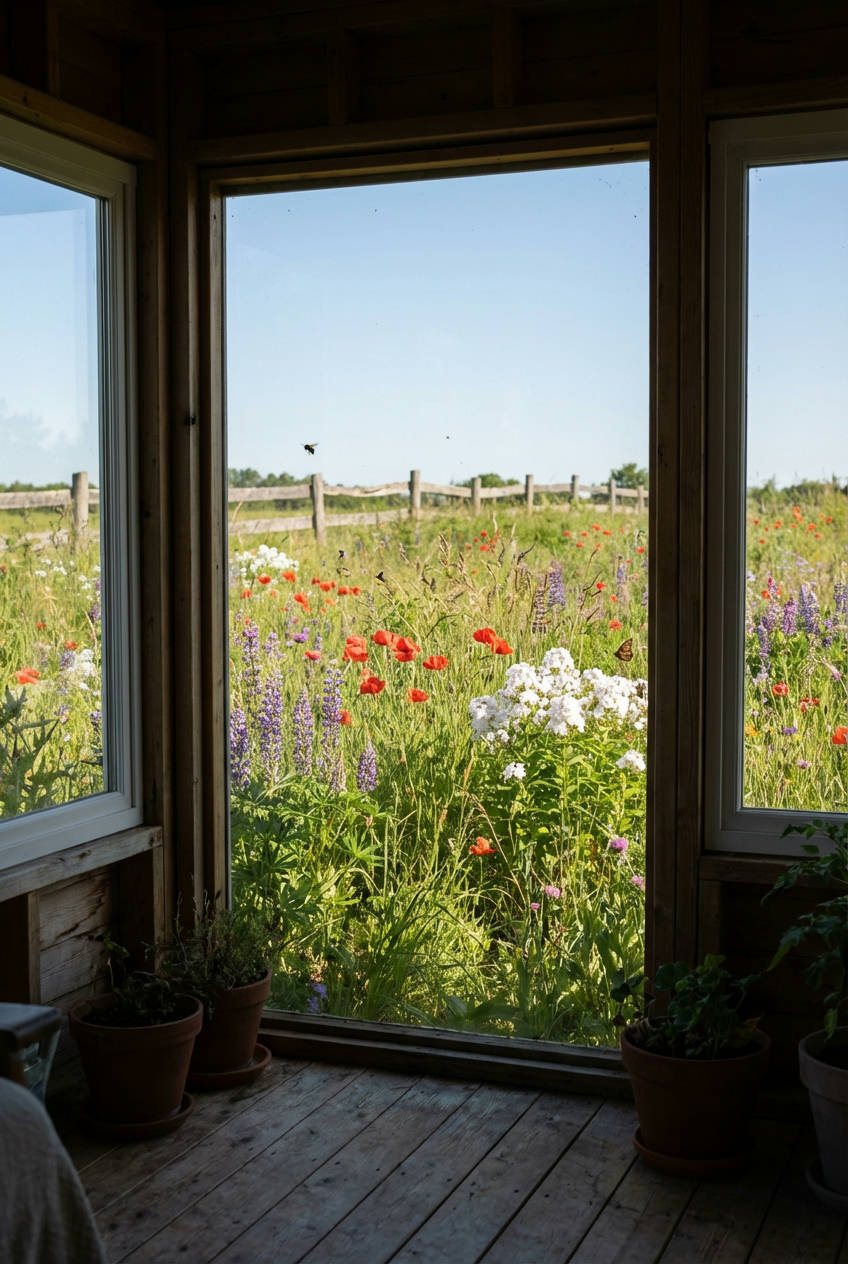
While minimalism has had its moment, 2026 sees a joyful embrace of maximalism in the form of wild, abundant gardens and wildflower meadows. This trend celebrates a riot of color, texture, and movement, moving away from manicured lawns towards dynamic, ecologically rich landscapes. Imagine swathes of swaying grasses mixed with a kaleidoscope of native wildflowers, creating a living tapestry that changes throughout the seasons. This approach not only offers breathtaking visual appeal but also provides essential habitat and food for pollinators, making it a truly vibrant and sustainable choice for your backyard oasis.
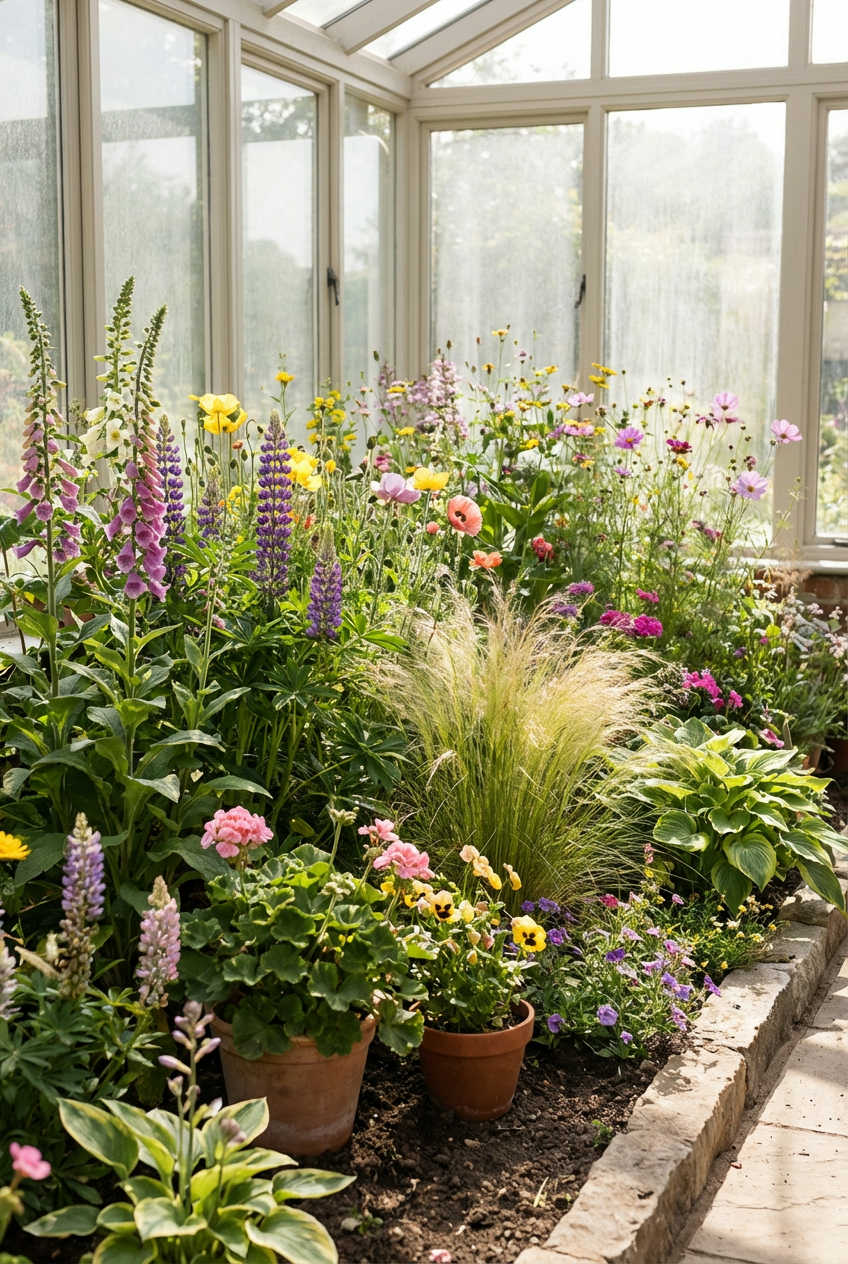
A small anecdote here: just recently, my aunt converted a portion of her lawn into a wildflower meadow. She tells me her grandchildren spend hours spotting new insects and admiring the ever-changing blooms, finding more joy than the perfect green lawn ever provided.
14. Permaculture Principles & Food Forests
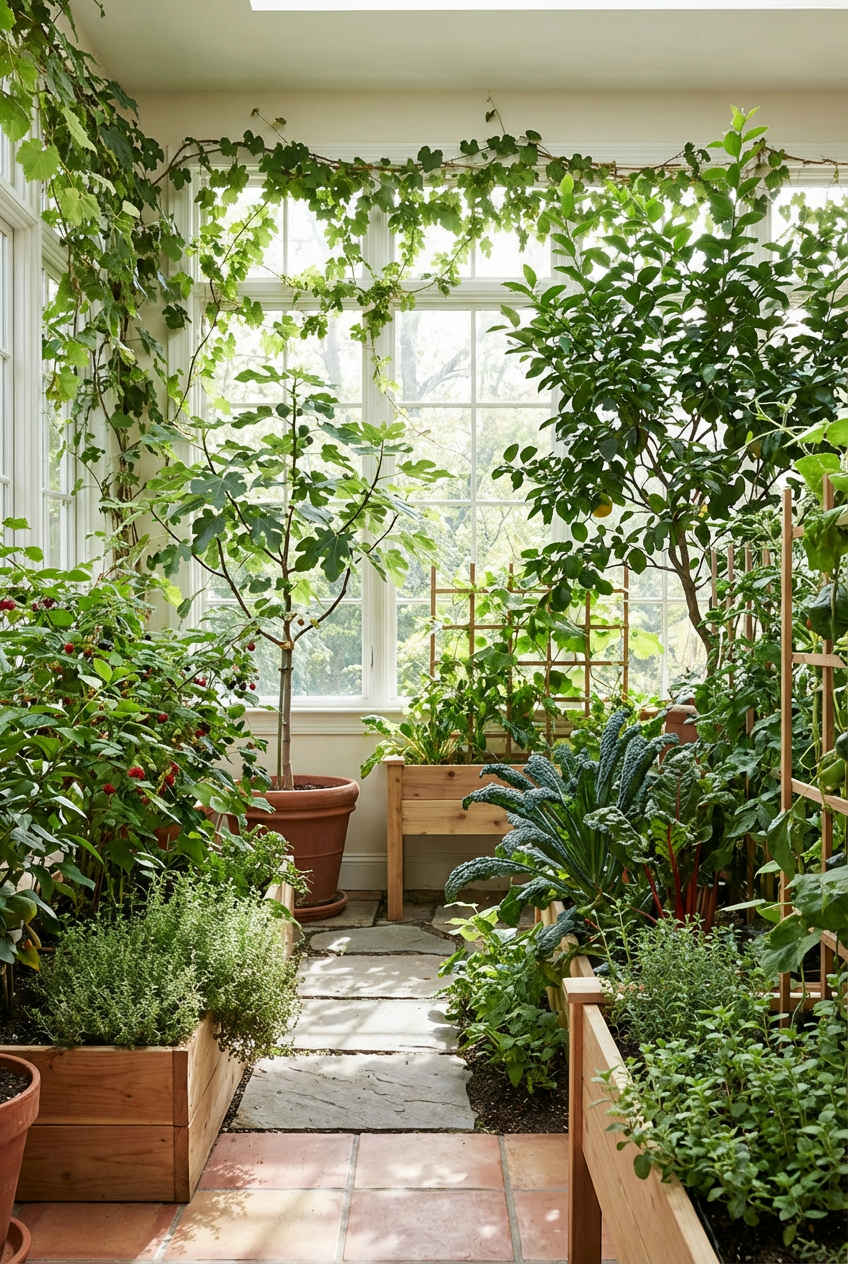
The garden of 2026 is increasingly informed by permaculture principles, embracing sustainable, self-sufficient systems. This means designing outdoor spaces that mimic natural ecosystems to grow food and other resources with minimal input. Food forests, in particular, are gaining traction, where a diverse array of edible plants, from groundcover to canopy trees, are layered together to create a productive and resilient system. It’s about working with nature, not against it, to create an abundant and low-maintenance garden over time, delivering both beauty and bounty, embodying true sustainability.
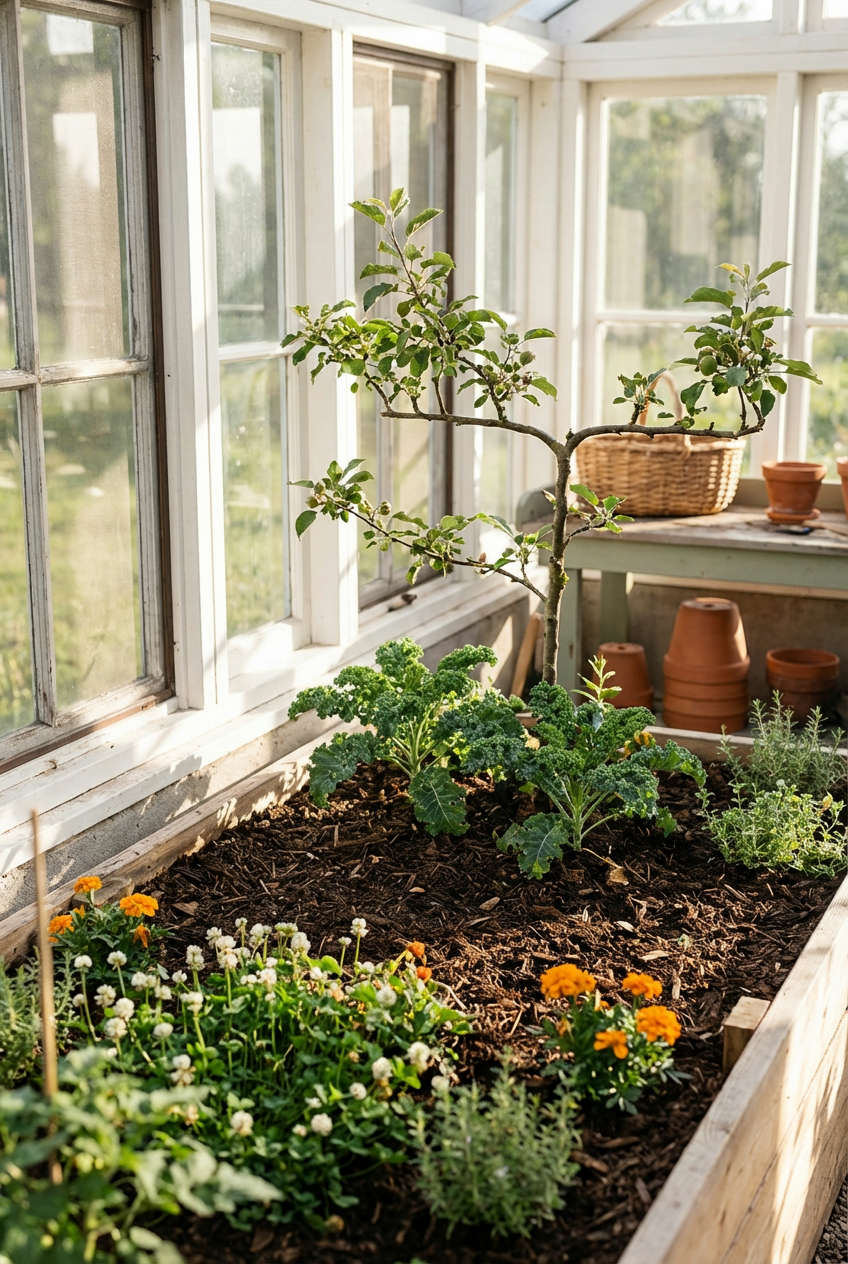
Budget/price angle: While the upfront investment in diverse plant material might seem higher, a well-established food forest significantly reduces ongoing costs for fertilizers, pesticides, and even groceries, offering long-term economic benefits and truly providing for your home.
15. Sculptural Wood & Stone Features
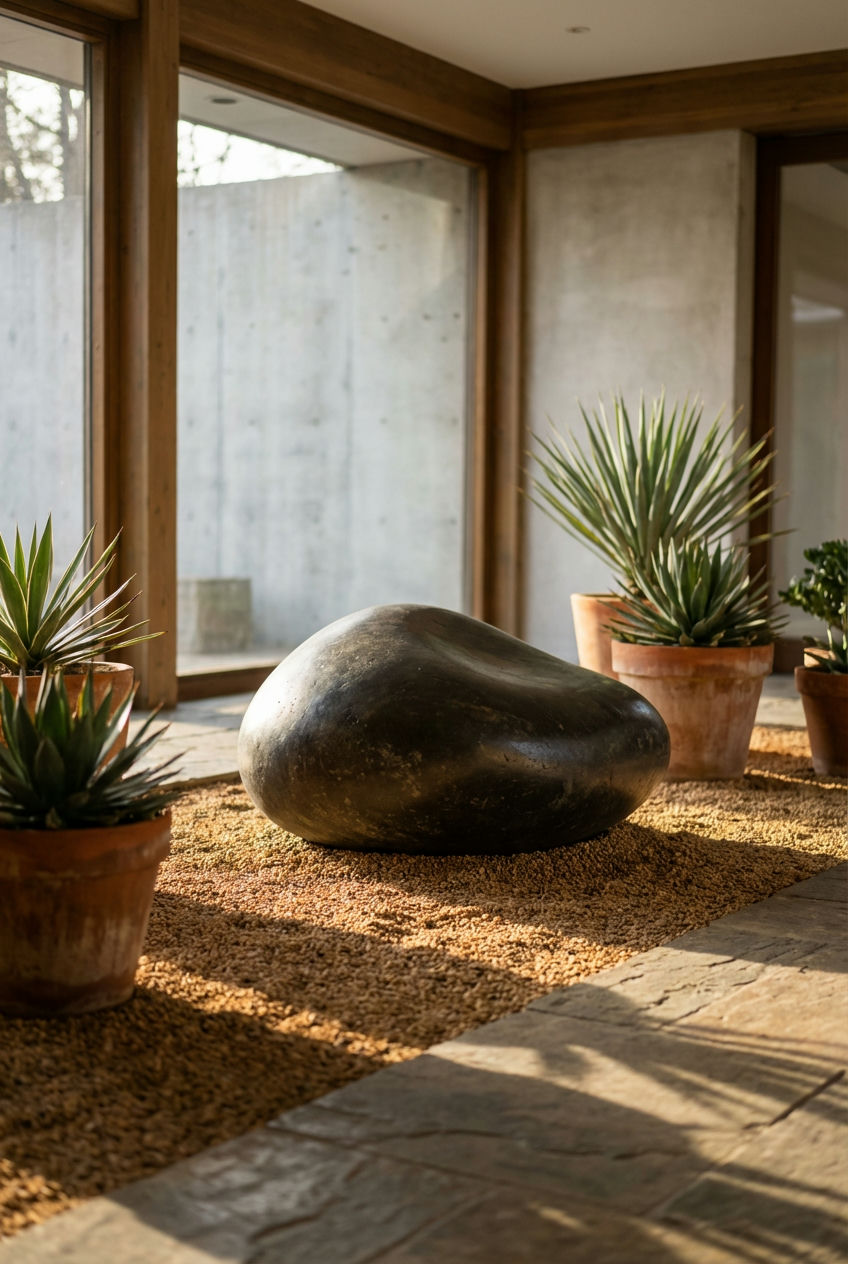
Beyond plants, 2026 gardens are incorporating artful, sculptural elements crafted from natural wood and stone. These pieces serve as striking focal points, bringing architectural interest and a sense of permanence to the landscape. Imagine beautifully carved wooden totems, smoothly polished stone spheres, or naturally gnarled stumps repurposed as artistic statements. These features add character and narrative to your outdoor space, creating a cohesive design. They connect the wild beauty of nature with human craftsmanship, giving your garden a unique, gallery-like quality that grounds your outdoor aesthetics.
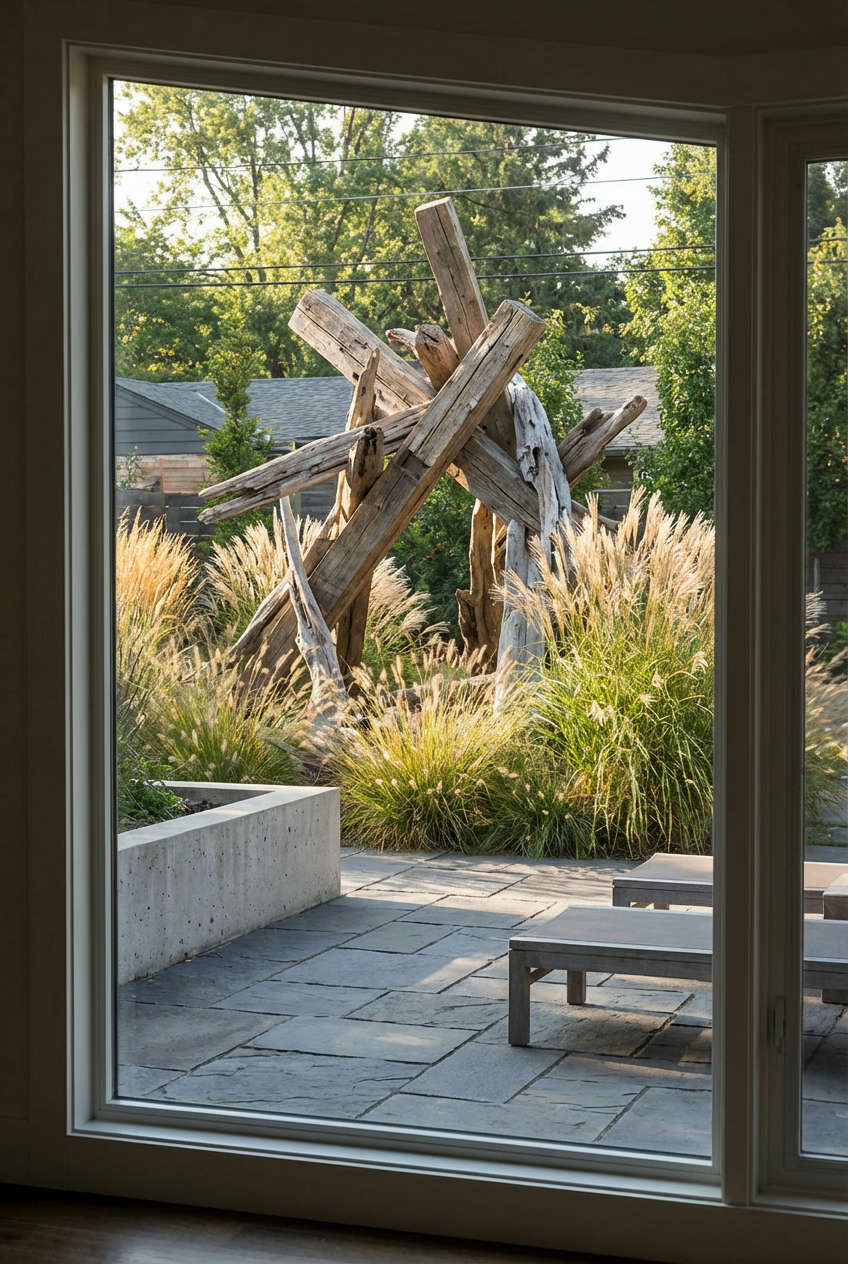
Real homeowner behavior indicates a growing desire for unique, personalized touches in their outdoor spaces. These sculptural elements, whether custom-made or carefully selected, offer an excellent way to infuse individuality and artistic expression into a garden, making it truly one-of-a-kind. It’s about personalizing your outdoor oasis.
16. Nature-Inspired Play Areas
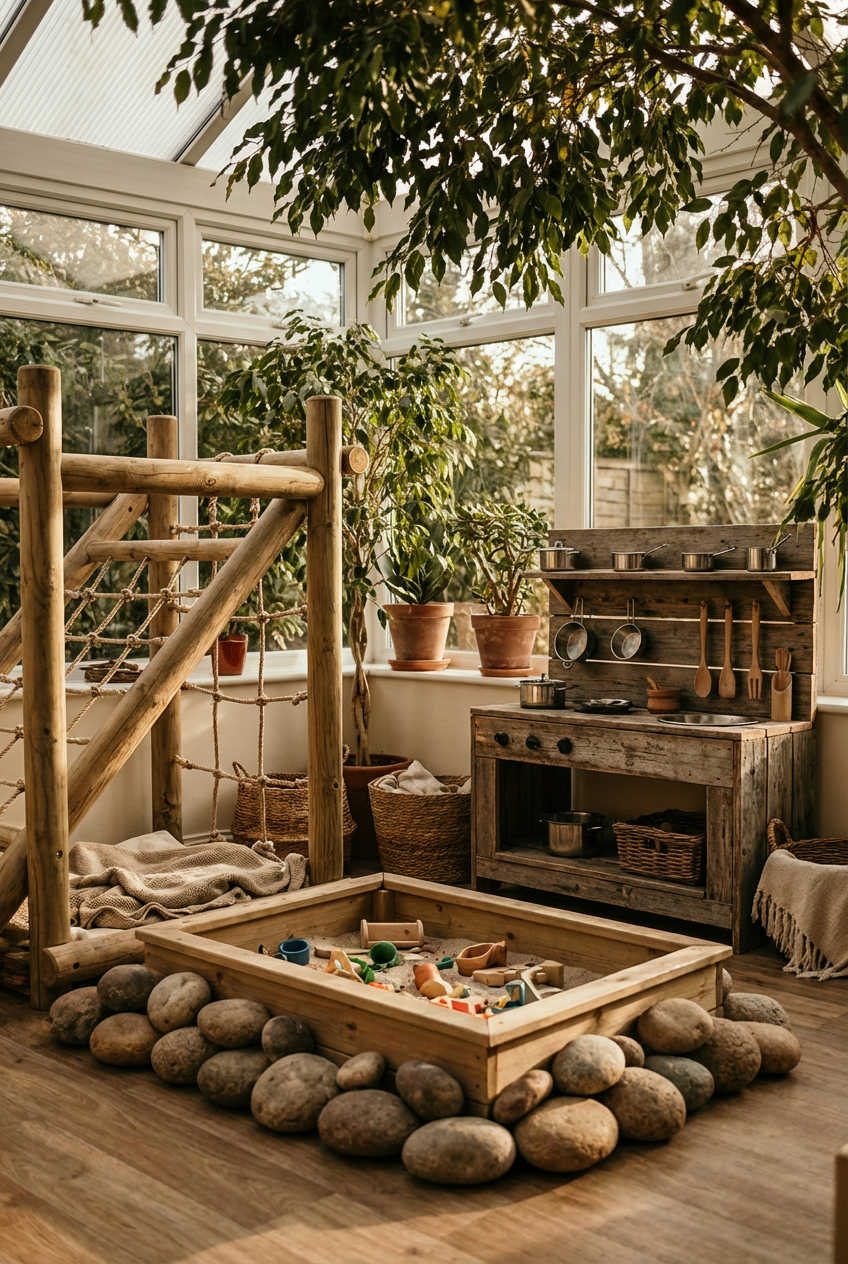
For families, 2026 garden design is emphasizing play areas that blend seamlessly with the natural environment, moving away from bright plastic structures. Think log climbing frames, sandpits bordered by boulders, mud kitchens built from reclaimed wood, or winding paths through dense shrubbery creating imaginative hideaways. These spaces encourage creativity, physical activity, and a deeper connection with nature for children, transforming a simple backyard into an adventurous landscape. It’s about fostering exploration and wonder, allowing kids to learn and play in a more organic, stimulating setting within your family garden.
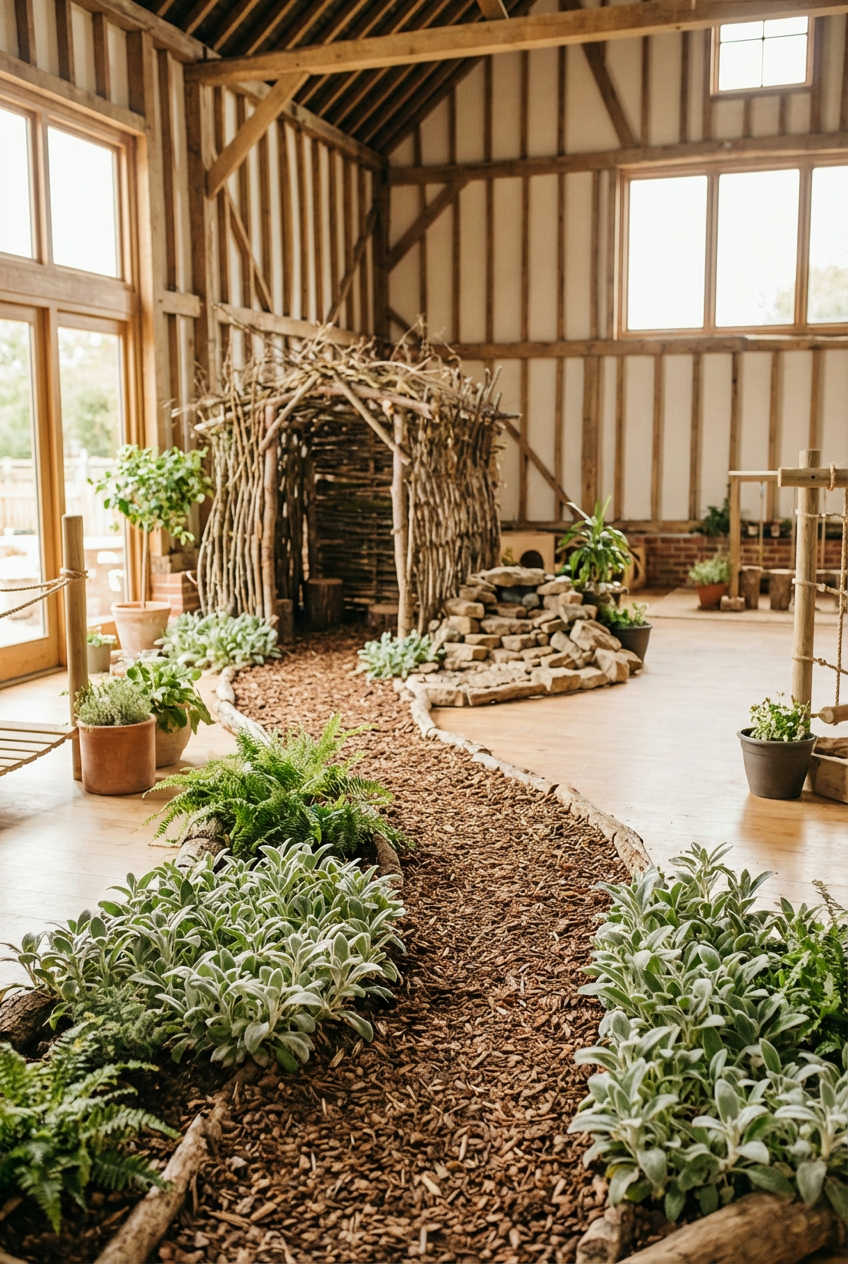
Common mistakes and how to avoid them: A common pitfall is overlooking safety. While natural, ensure all structures are stable, materials are non-toxic, and there’s soft ground cover beneath climbing areas to prevent injuries. Safety should be paramount, even in the most natural settings.
17. Artful Container Gardening
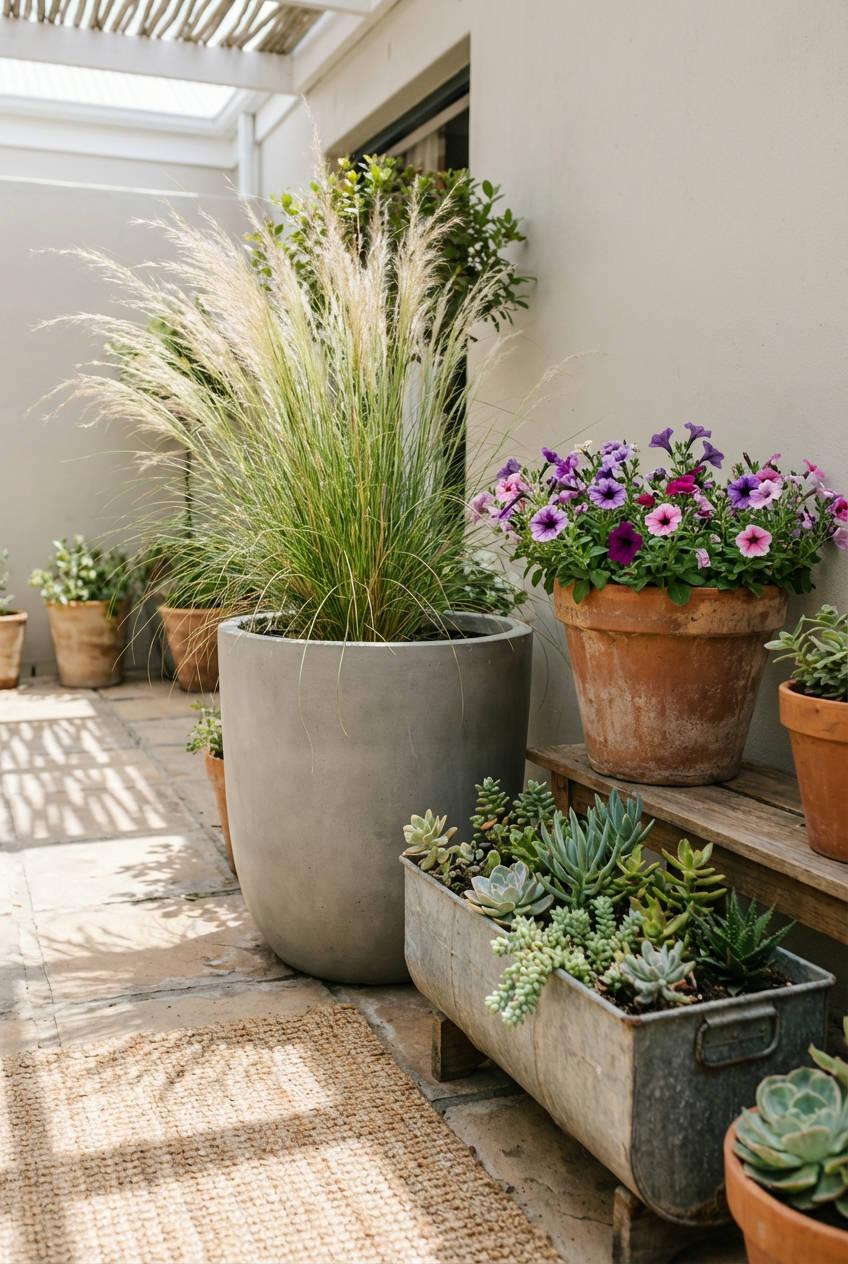
Container gardening in 2026 is elevated to an art form, moving beyond simple potted plants to curated, dynamic displays. This trend involves selecting unique vessels—from architectural concrete planters to antique ceramic pots and repurposed objects—and meticulously arranging plants for maximum visual impact. Think layered compositions of varying heights, textures, and colors, creating miniature ecosystems that can be moved and rearranged. It’s perfect for patios, balconies, or adding focal points to any outdoor area, offering flexibility and artistic expression for your evolving garden spaces.
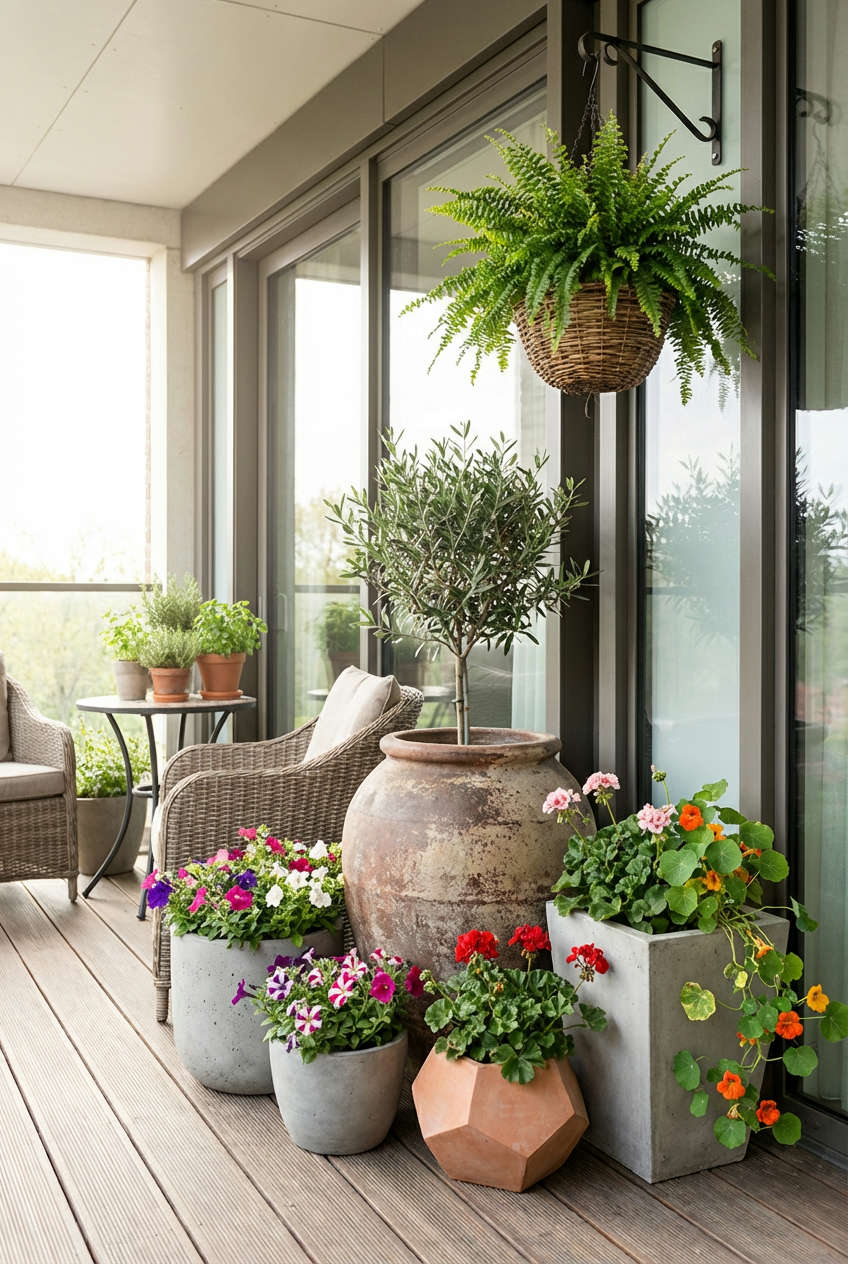
Practical insight: When designing with containers, remember drainage is key. Ensure all pots have drainage holes and use a high-quality potting mix. This prevents root rot and ensures the longevity and health of your carefully curated container compositions, extending their beauty.
18. Outdoor “Rooms” with Living Walls
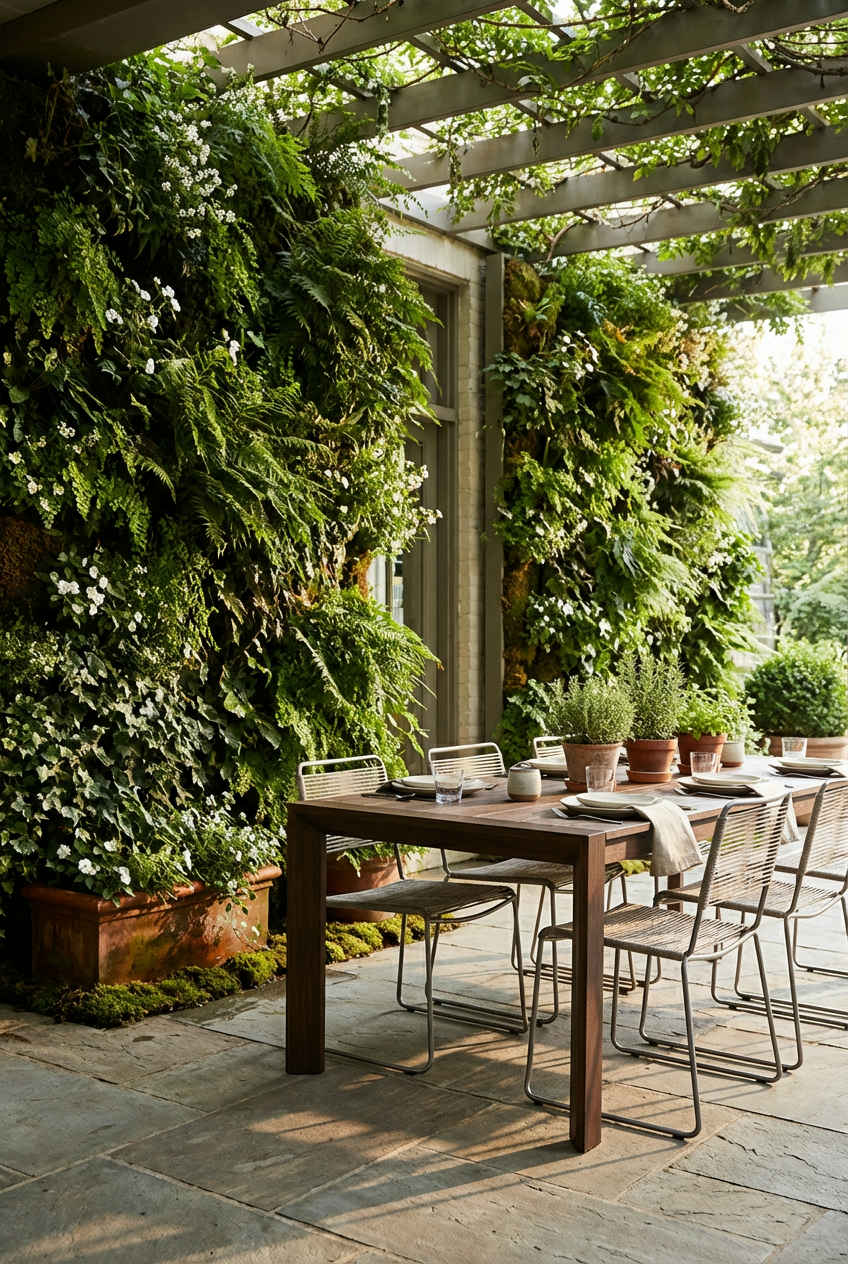
The concept of extending indoor living to the outdoors reaches new heights in 2026 with “outdoor rooms” defined by lush living walls. These green dividers create intimate, enclosed spaces for dining, lounging, or working, providing both privacy and a stunning natural backdrop. Imagine a patio bordered by a vibrant vertical garden, making the space feel like a seamlessly integrated, open-air conservatory. This trend blurs the lines between interior and exterior, enveloping you in nature while still providing the comforts and structure of a dedicated room, making your backyard feel truly grand.
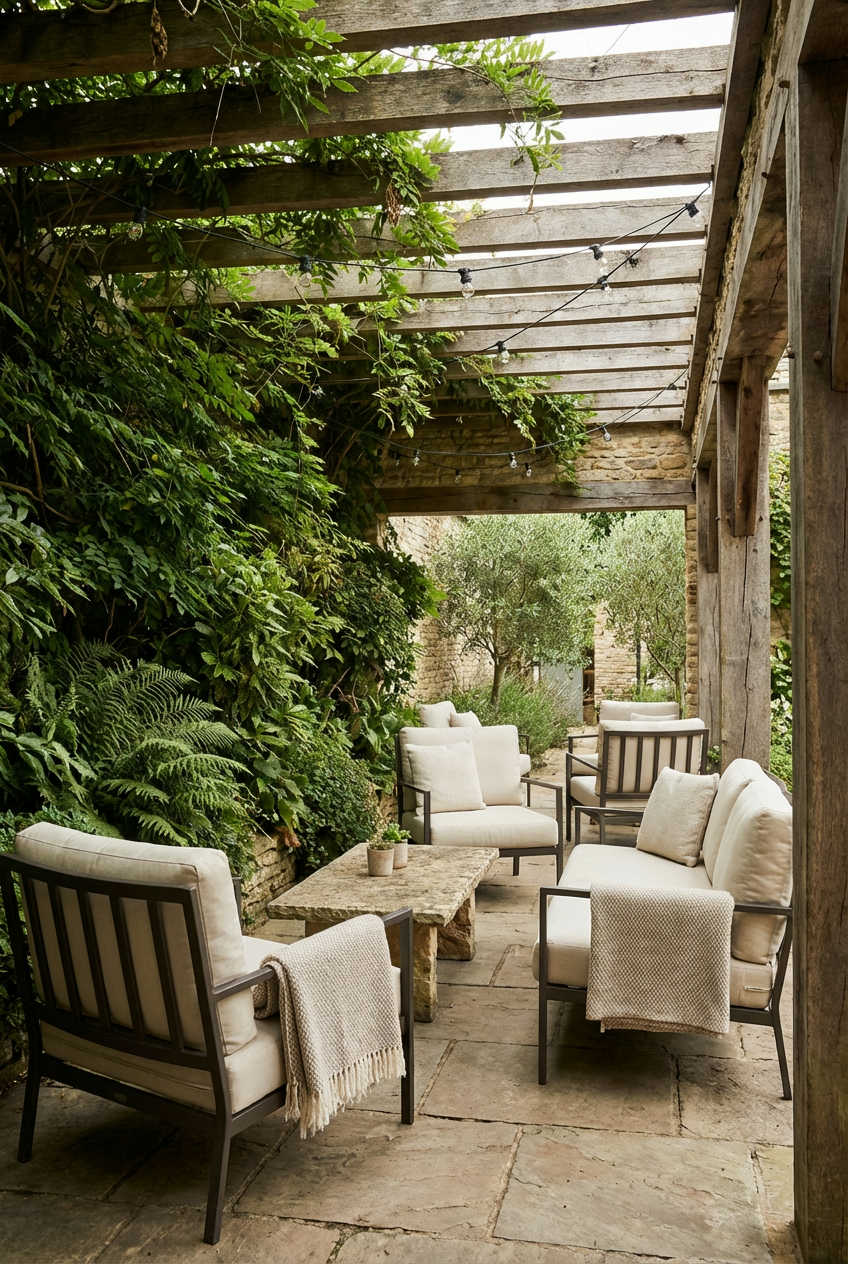
This trend is particularly suited for the American lifestyle, where outdoor living and entertaining are highly cherished. By creating defined “rooms,” homeowners can truly extend their usable living space and enjoy their outdoor environments more fully, embracing al fresco living with a touch of elegance.
19. Therapeutic Healing Gardens
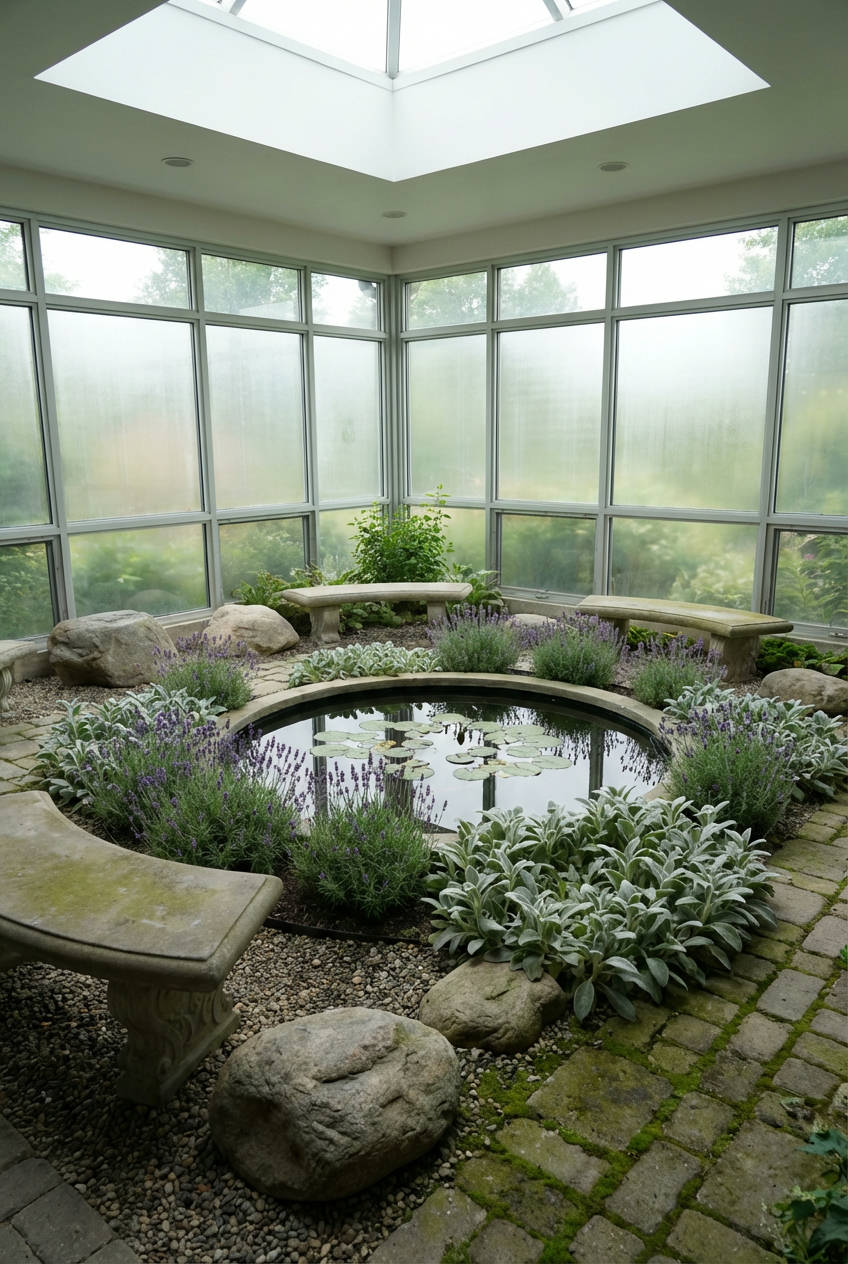
Amidst our fast-paced lives, the concept of a therapeutic healing garden for personal well-being is gaining significant traction for 2026. These gardens are meticulously designed to soothe the senses, reduce stress, and promote mental and physical restoration. Elements often include calming water features, fragrant plants known for their aromatherapy properties, comfortable seating areas for contemplation, and gentle pathways for meditative walks. The focus is on creating a nurturing environment that encourages mindfulness and peace, providing a much-needed sanctuary from daily pressures and supporting overall health.
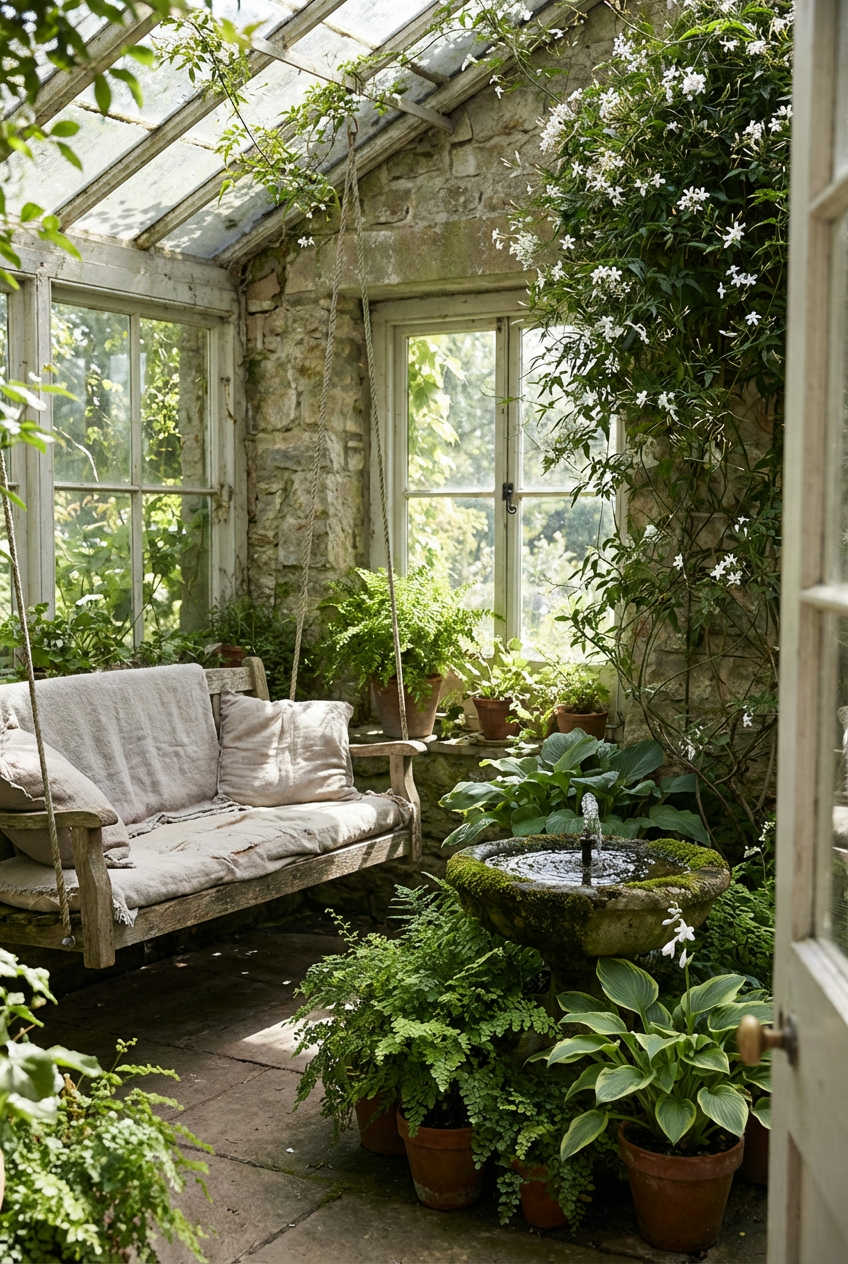
Where it works best: This type of garden is ideal for anyone seeking a personal refuge, particularly those in high-stress professions or dealing with health challenges. It offers a tangible space for emotional and physical decompression, making a profound difference in daily life.
20. Geo-Grids & Geometric Patterns
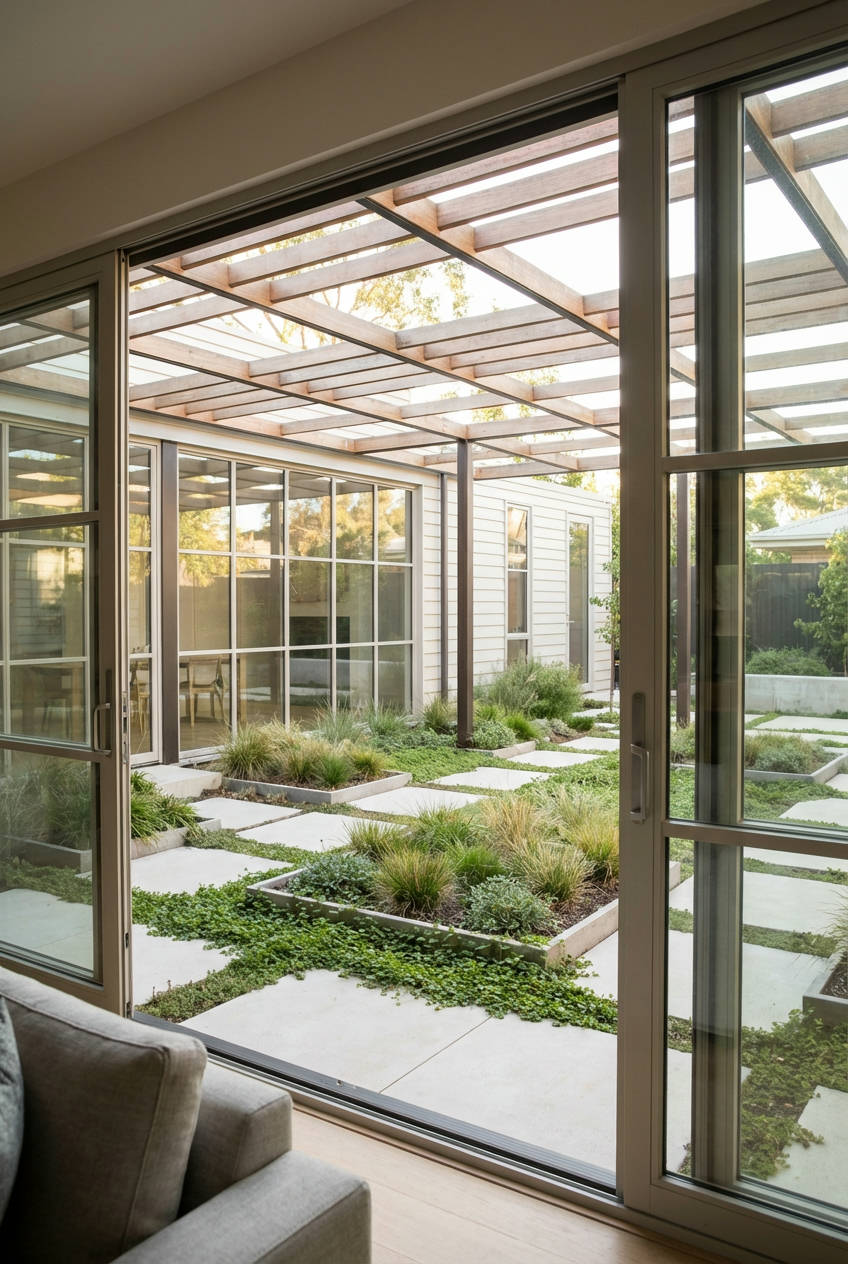
Bringing a sense of modern order and artistic precision, geometric patterns and geo-grids are strong architectural themes in 2026 garden design. This trend utilizes clean lines, repetitive shapes, and balanced proportions in pathways, planting beds, and hardscaping to create visually striking effects. Think square paving stones alternating with beds of perfectly hedged plants, circular lawns, or rectilinear water features. It’s about creating a sophisticated, contemporary aesthetic that contrasts beautifully with natural curves of soft foliage, lending a structured elegance to your outdoor garden, making it undeniably chic.
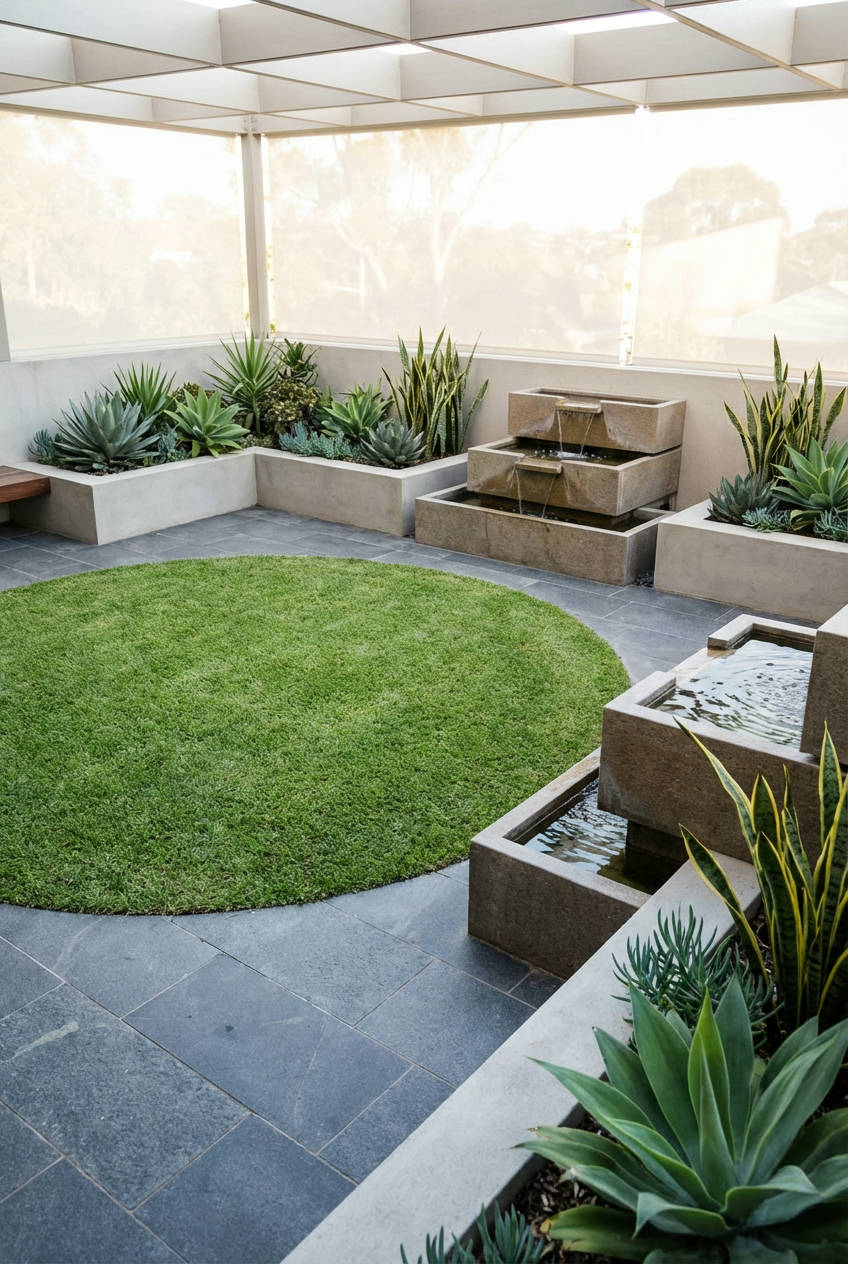
Expert-style commentary: Geometric patterns can make a small garden appear larger and more organized by creating clear sightlines and optical illusions. They also provide a strong formal backbone to a design, which then allows for softer, uncontrolled planting within the structured framework, creating a harmonious balance.
21. Sustainable Furniture & Zero-Waste Decor
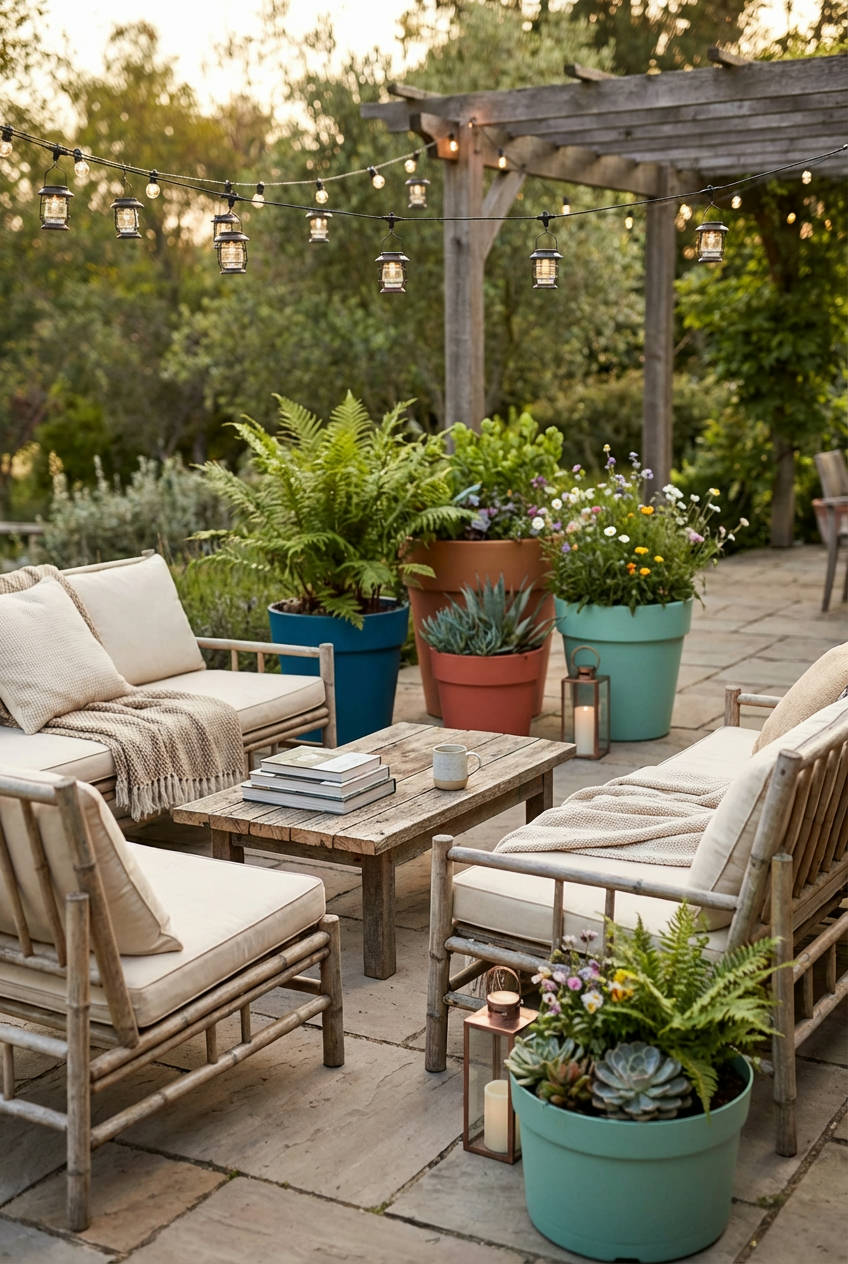
Conscious consumption extends to outdoor living in 2026 with a focus on sustainable furniture and zero-waste decor for your garden. This trend prioritizes pieces made from recycled, upcycled, or ethically sourced materials such as reclaimed wood, recycled plastics, bamboo, or even durable composites from agricultural waste. Beyond materials, it also champions decor that is timeless, built to last, and minimizes environmental impact throughout its lifecycle. Imagine stylish lounge chairs crafted from reclaimed teak or planters made from recycled tires, proving that eco-friendly can also be incredibly chic and long-lasting.
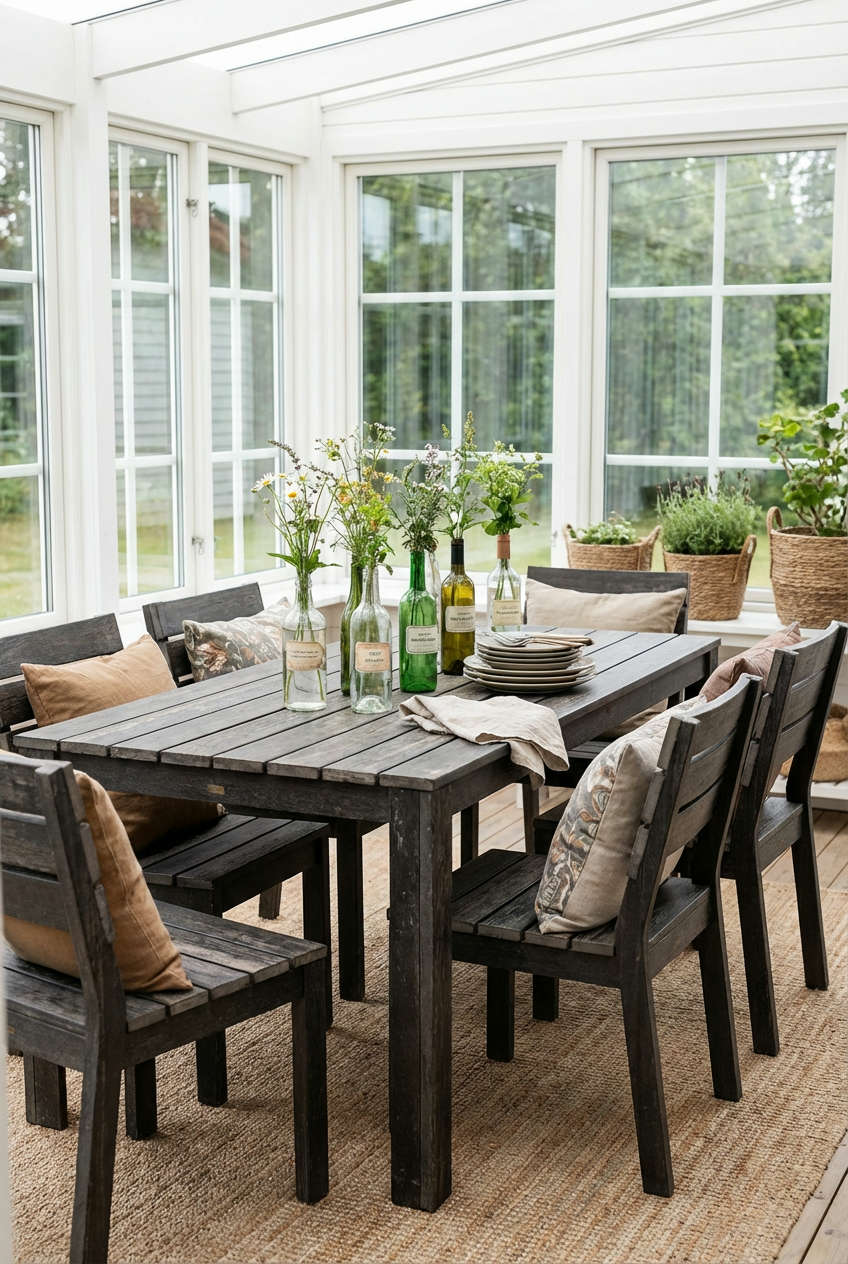
A small anecdote to illustrate: I saw a homeowner proudly show off his new outdoor table, telling me how it was crafted from a fallen oak tree from his own property, closing the loop on material sourcing and making it deeply personal to his home.
22. Fog & Mist Features
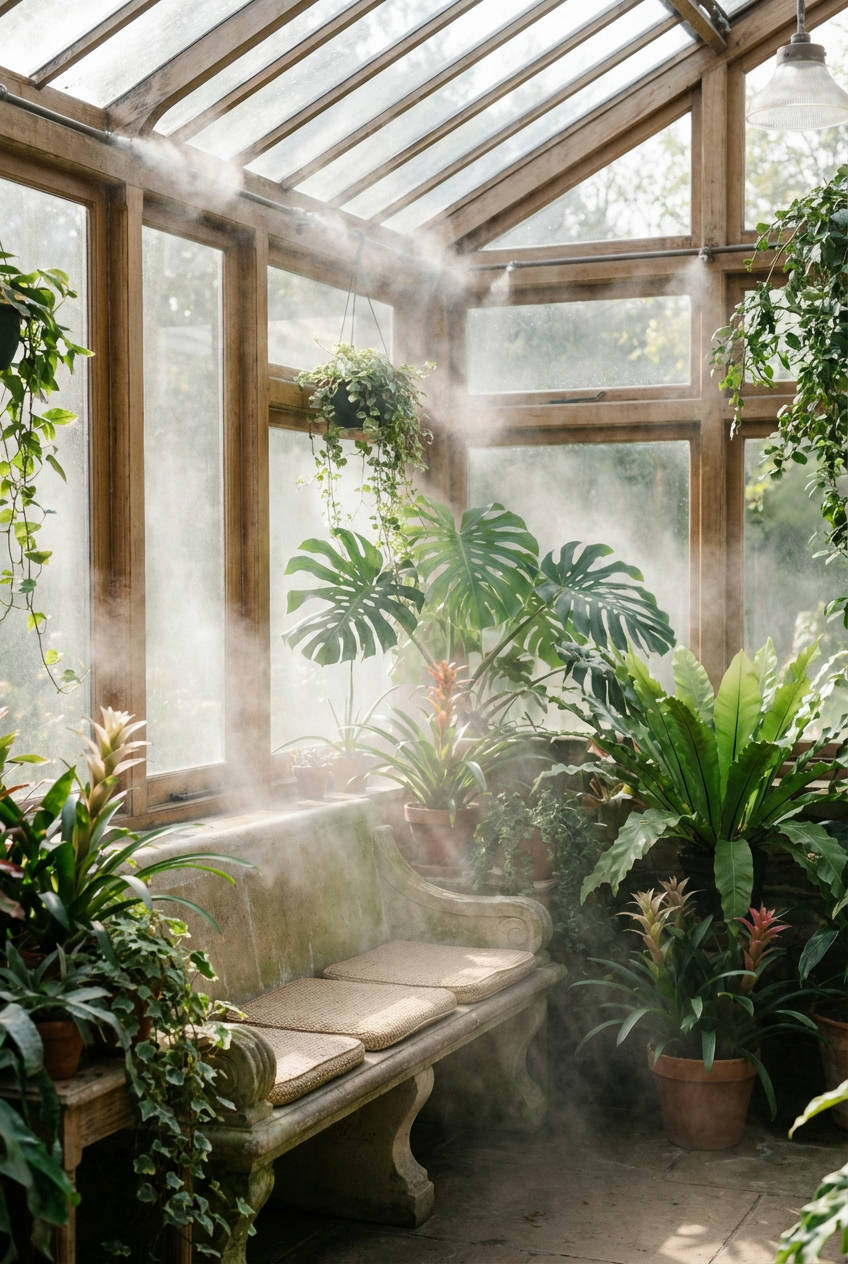
Creating dramatic atmosphere and a sense of mystique, fog and mist features are emerging as a captivating trend in 2026 garden design. These installations use fine nozzles to produce a gentle, ethereal mist that floats through planting beds, cascades over rocks, or wraps around seating areas. Beyond their aesthetic appeal, they also offer practical benefits like cooling hot spaces and increasing humidity for certain plants. Imagine your garden bathed in a soft, rolling fog at dusk, transforming it into a magical, immersive landscape that truly transports you, making your outdoor experience unforgettable.
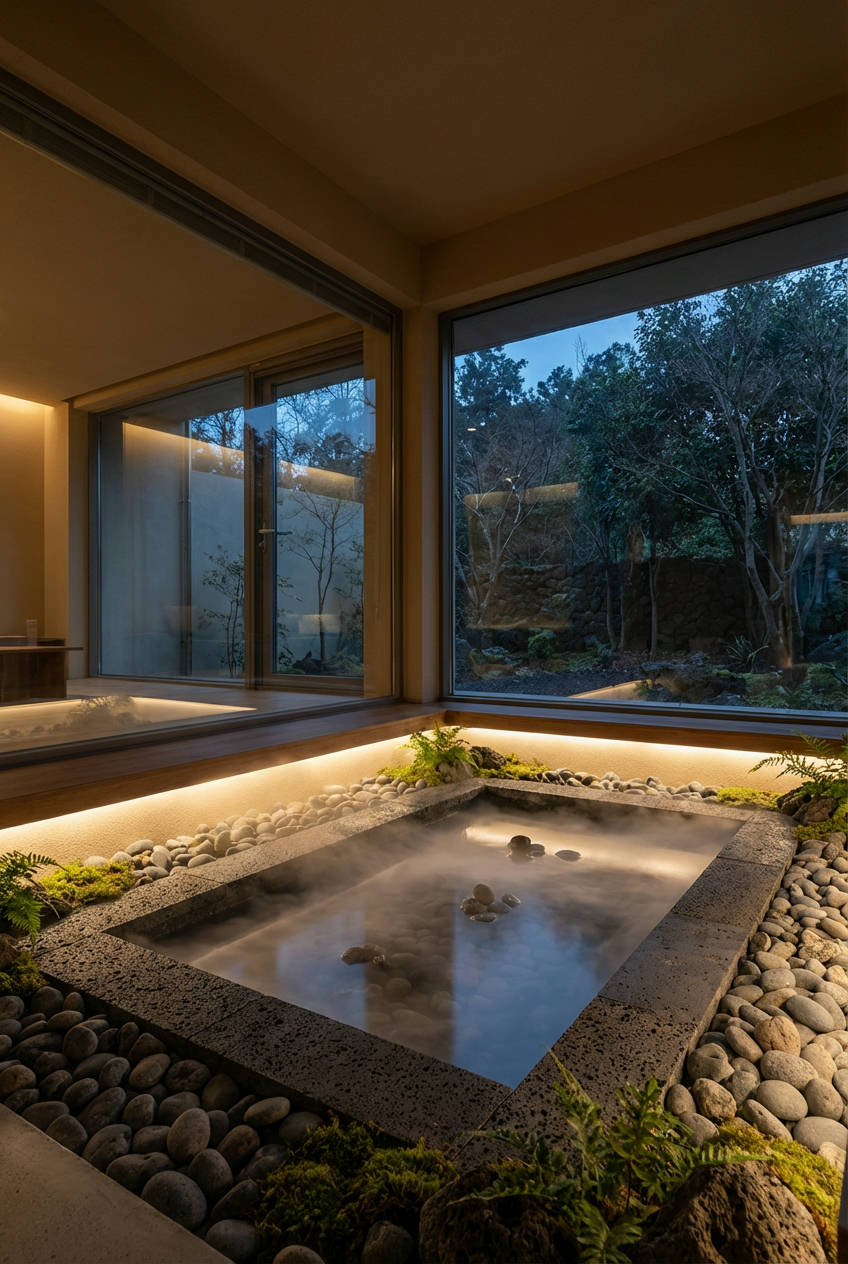
Budget/price angle: While custom misting systems can be an investment, there are increasingly affordable plug-and-play options available, allowing more homeowners to incorporate this dramatic and functional trend into their gardens without breaking the bank, offering a stunning effect for less.
23. Native Meadow-Inspired Lawns
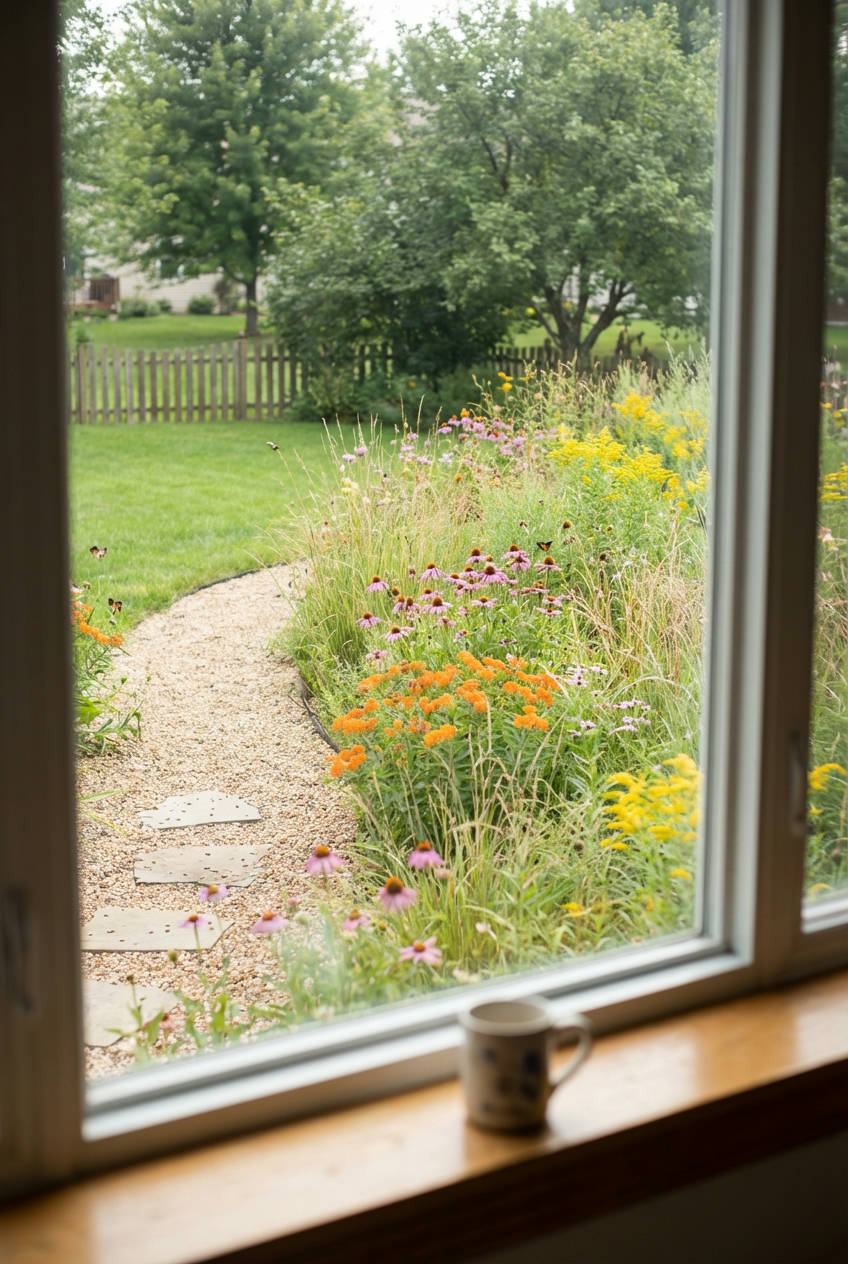
The traditional monoculture lawn is being transformed in 2026 into dynamic, meadow-inspired expanses, prioritizing ecological benefit and reduced maintenance. This involves replacing portions of turf grass with native grasses and wildflowers, creating a softer, more fluid landscape that buzzes with life. These less-manicured areas require less water, no chemical fertilizers, and infrequent mowing, offering a sustainable alternative that’s teeming with pollinators and local wildlife. It’s an approach that celebrates natural beauty, bringing a wilder, more authentic charm to your garden while benefiting the environment.
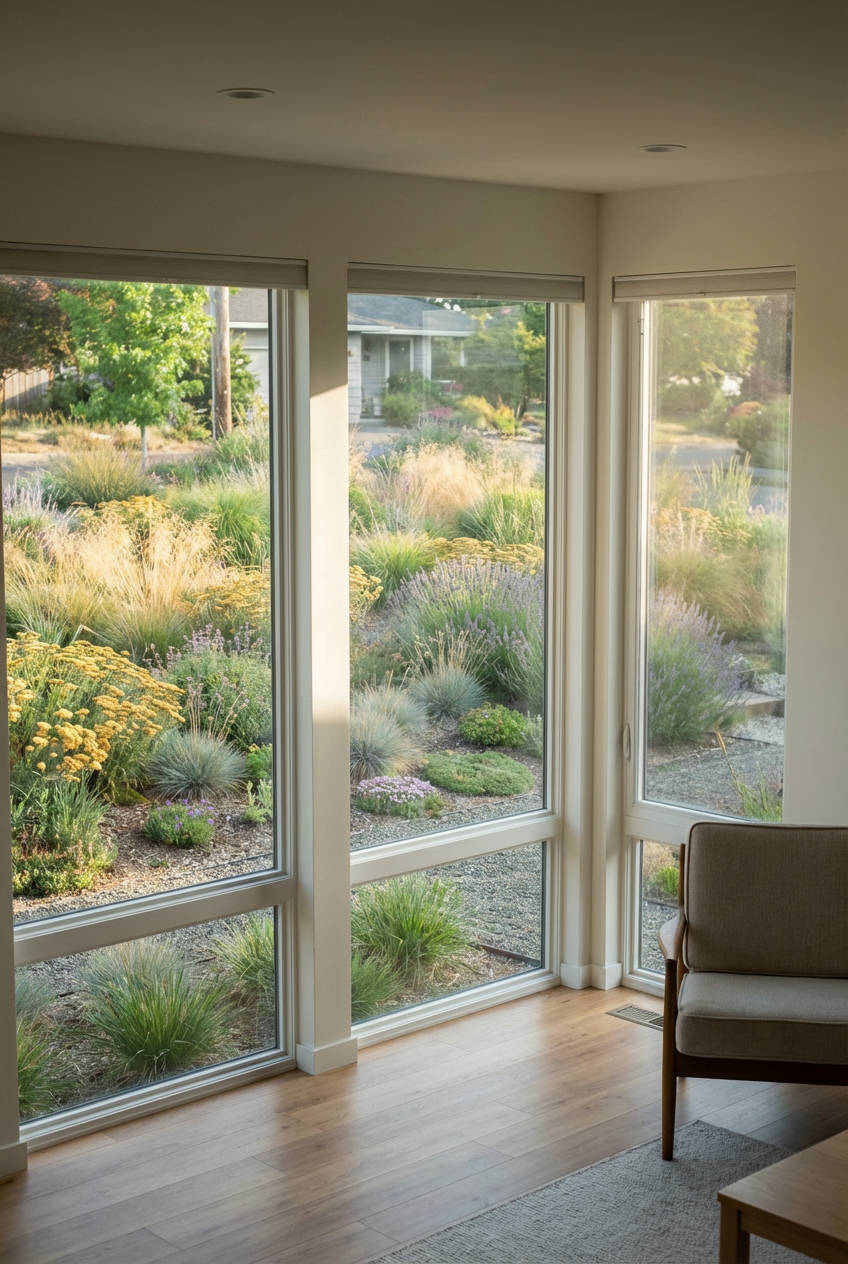
Real homeowner behavior indicates a strong shift towards low-maintenance landscaping and an increased awareness of ecological stewardship. Many are finding immense satisfaction in watching their gardens become lively ecosystems, rather than just perfectly trimmed green carpets.
24. Artistic Rainwater Harvesting
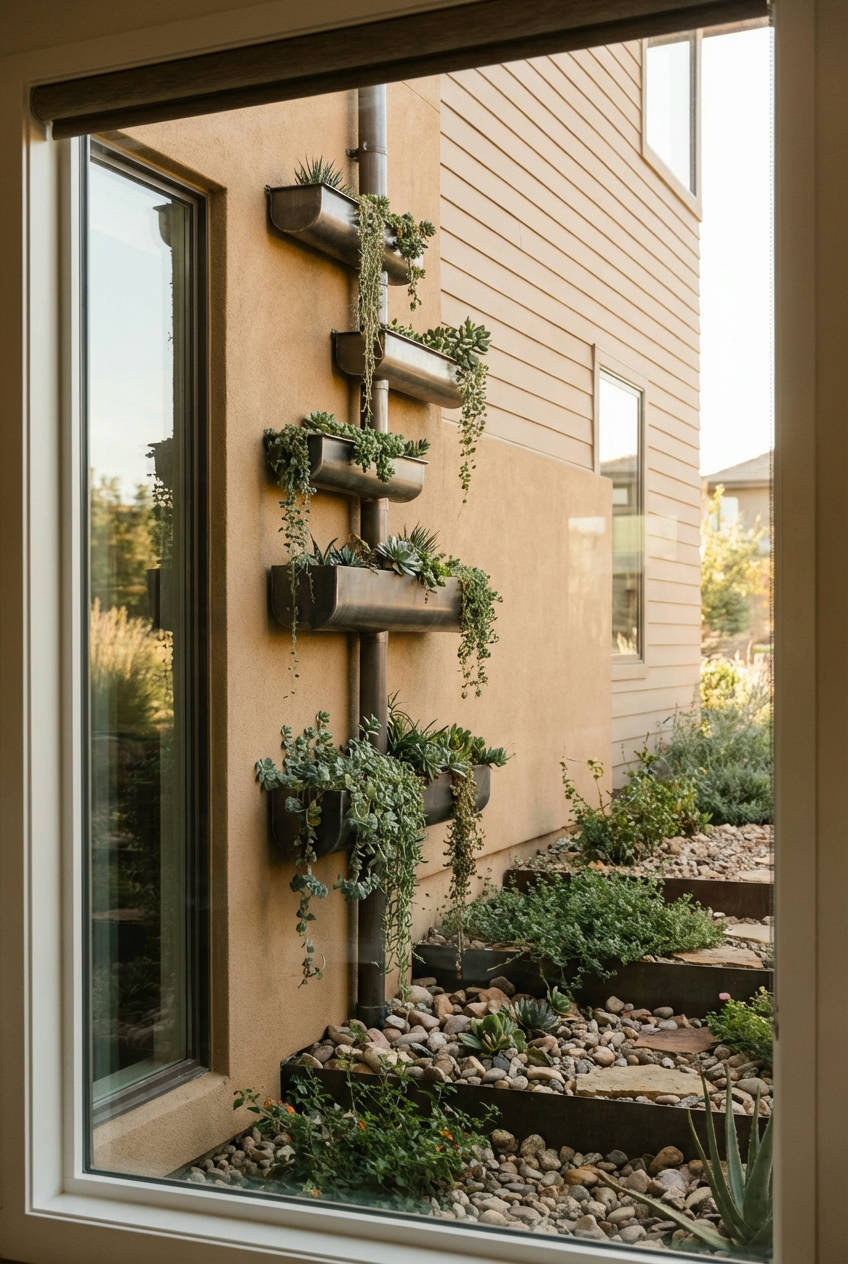
Rainwater harvesting systems are no longer just functional barrels; in 2026, they are becoming integrated artistic elements within the garden. This trend sees designers creating beautiful and effective ways to collect and store rainwater, from sleek, vertically integrated wall systems to decorative chains that guide water into elegant basins or underground reserves. These features not only conserve precious water but also add a visual and auditory aesthetic to the landscape, celebrating the element of rain rather than simply managing runoff. It’s about making sustainability look incredibly chic and thoughtfully integrated.
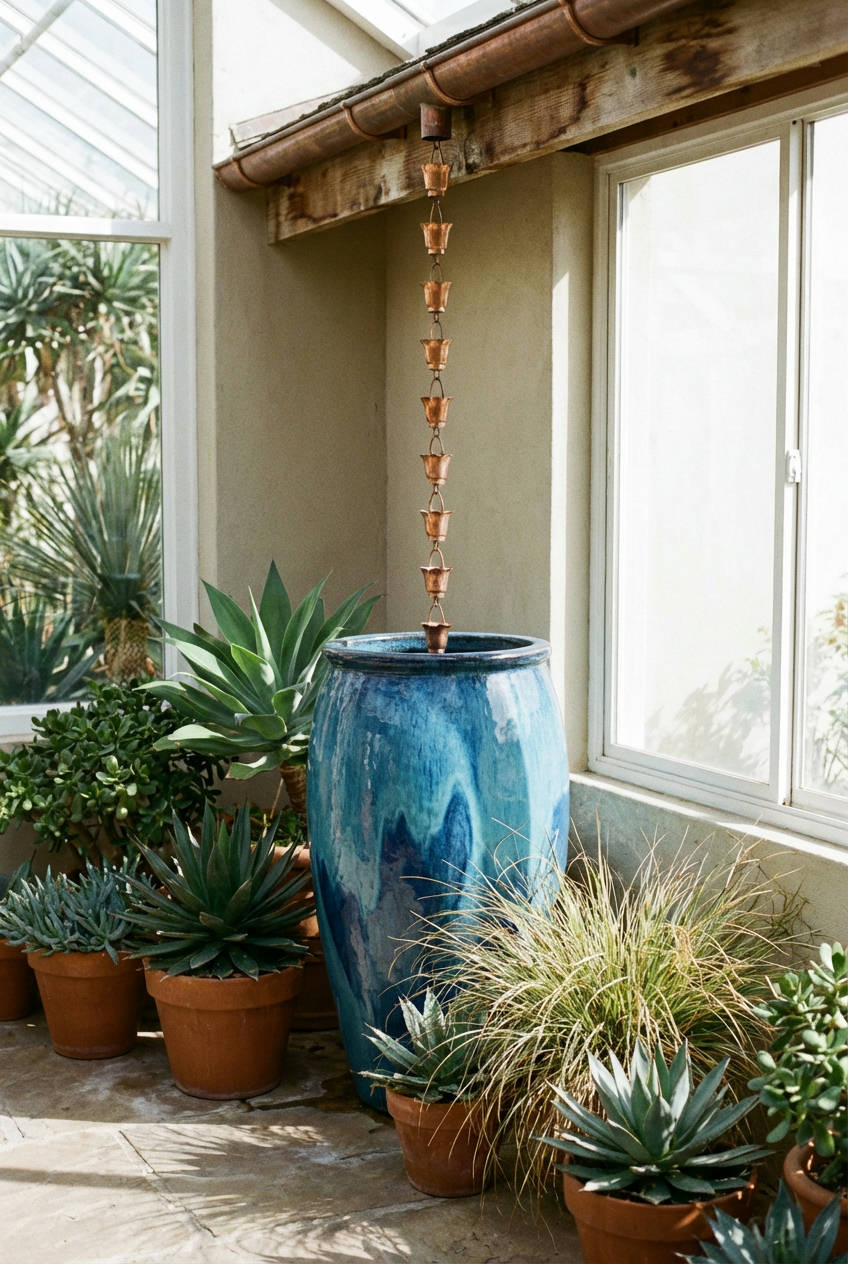
Common mistakes and how to avoid them: A common oversight is neglecting proper filtering before storage. Without addressing leaves and debris, your collected water can become stagnant or clog your irrigation system. Incorporate mesh filters or screens to keep your system clean and efficient, sustaining its beauty and functionality.
25. Smart Irrigation & Plant Sensors
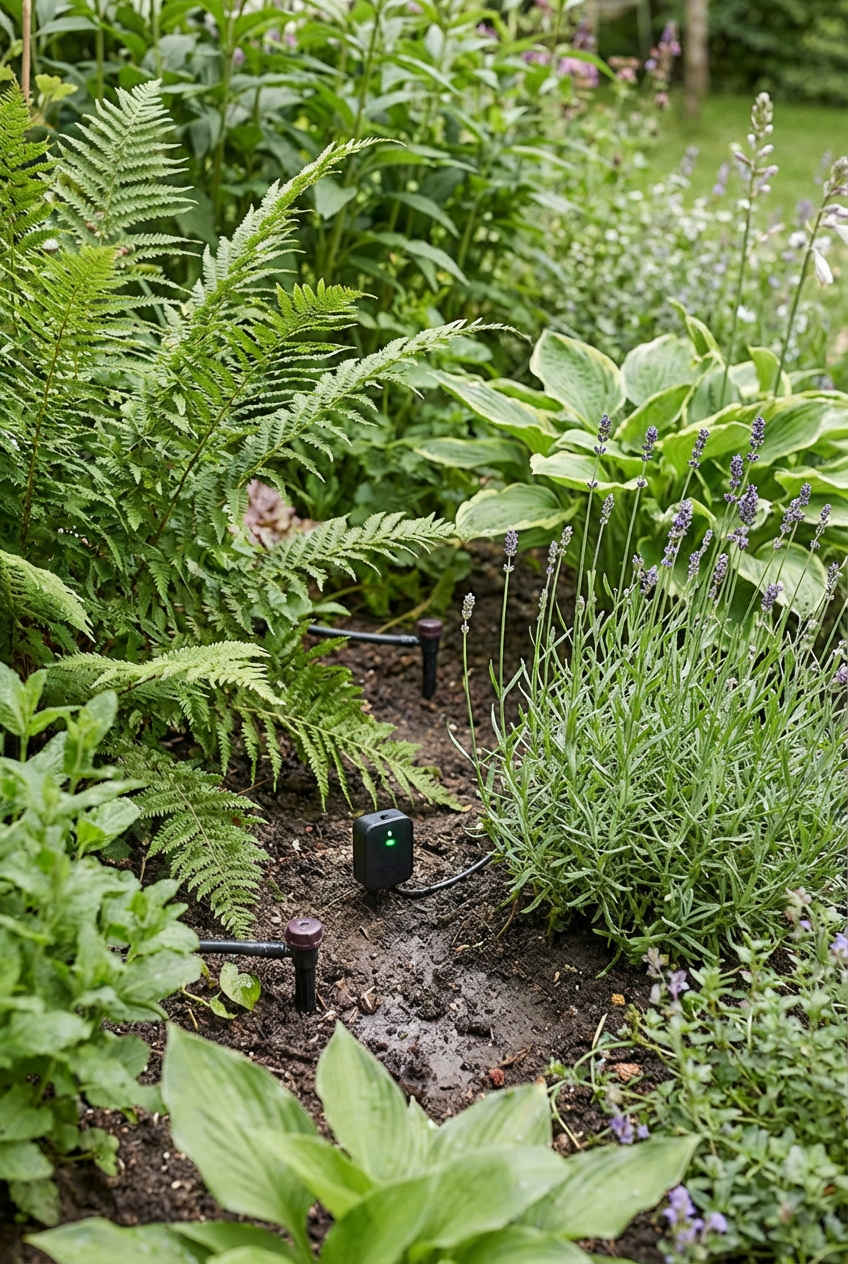
Leveraging technology for optimal plant health and water conservation, smart irrigation systems and plant sensors are becoming standard in 2026 gardens. These devices monitor soil moisture levels, local weather forecasts, and even specific plant needs, then adjust watering schedules automatically. This precision eliminates guesswork, reduces water waste, and ensures your plants receive exactly what they need to thrive. Imagine your lawn being watered only when necessary, or your delicate herbs getting a perfect mist, all managed effortlessly from your smartphone, truly simplifying your garden upkeep.
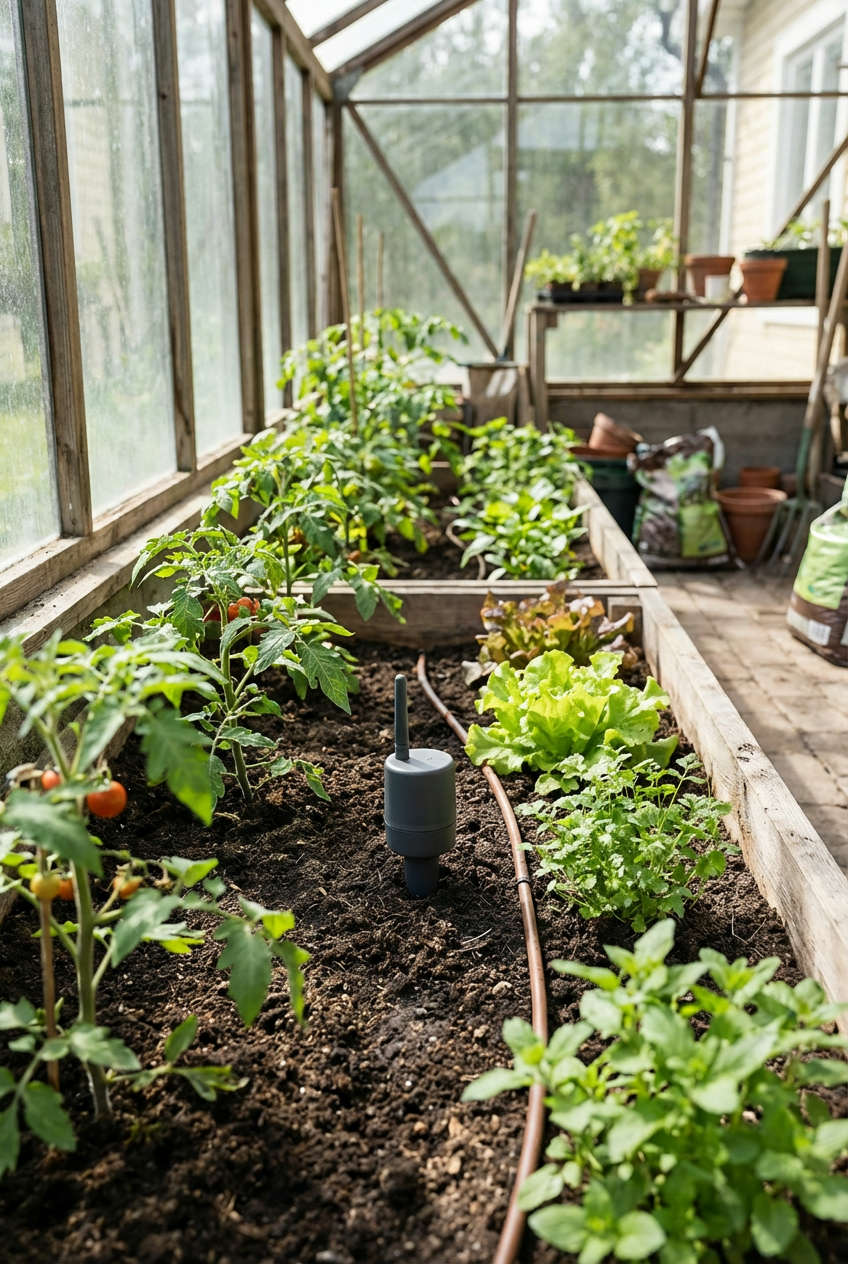
Practical insight: While the initial investment might be higher than a traditional sprinkler system, smart irrigation can lead to significant savings on your water bill and vastly improved plant health over time, paying for itself through efficiency and reduced plant replacements.
26. Outdoor Hammock Lounges
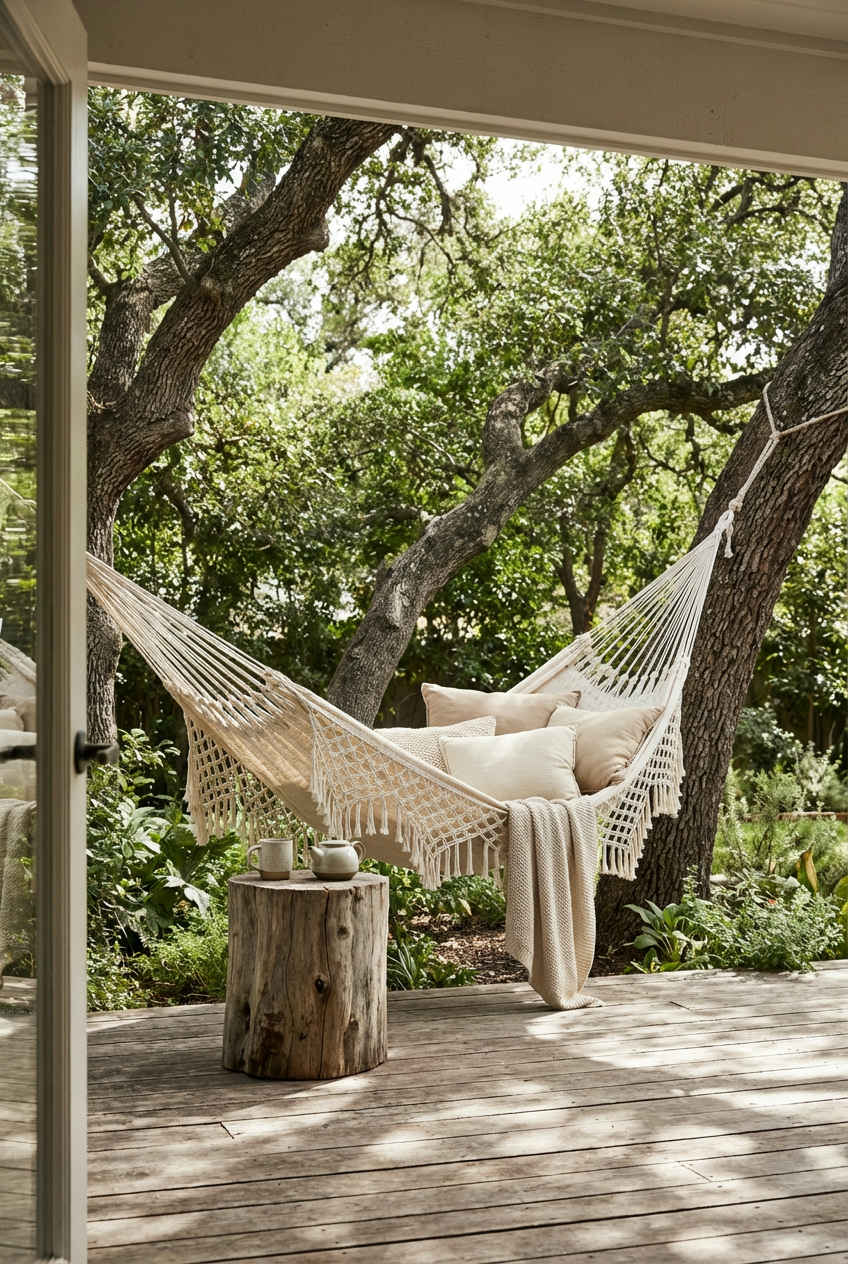
Embracing leisure and relaxation, dedicated outdoor hammock lounges are a rising trend in 2026 garden design. Moving beyond a simple sling, these are thoughtfully designed relaxation zones, often featuring multiple hammocks, comfortable cushions and throws, and dappled shade from pergolas or mature trees. They offer a perfect escape for napping, reading, or simply enjoying the rustle of leaves, creating a personal retreat right in your backyard. It’s about consciously carving out a space for ultimate comfort and tranquility, making sure your outdoor area is truly for unwinding.
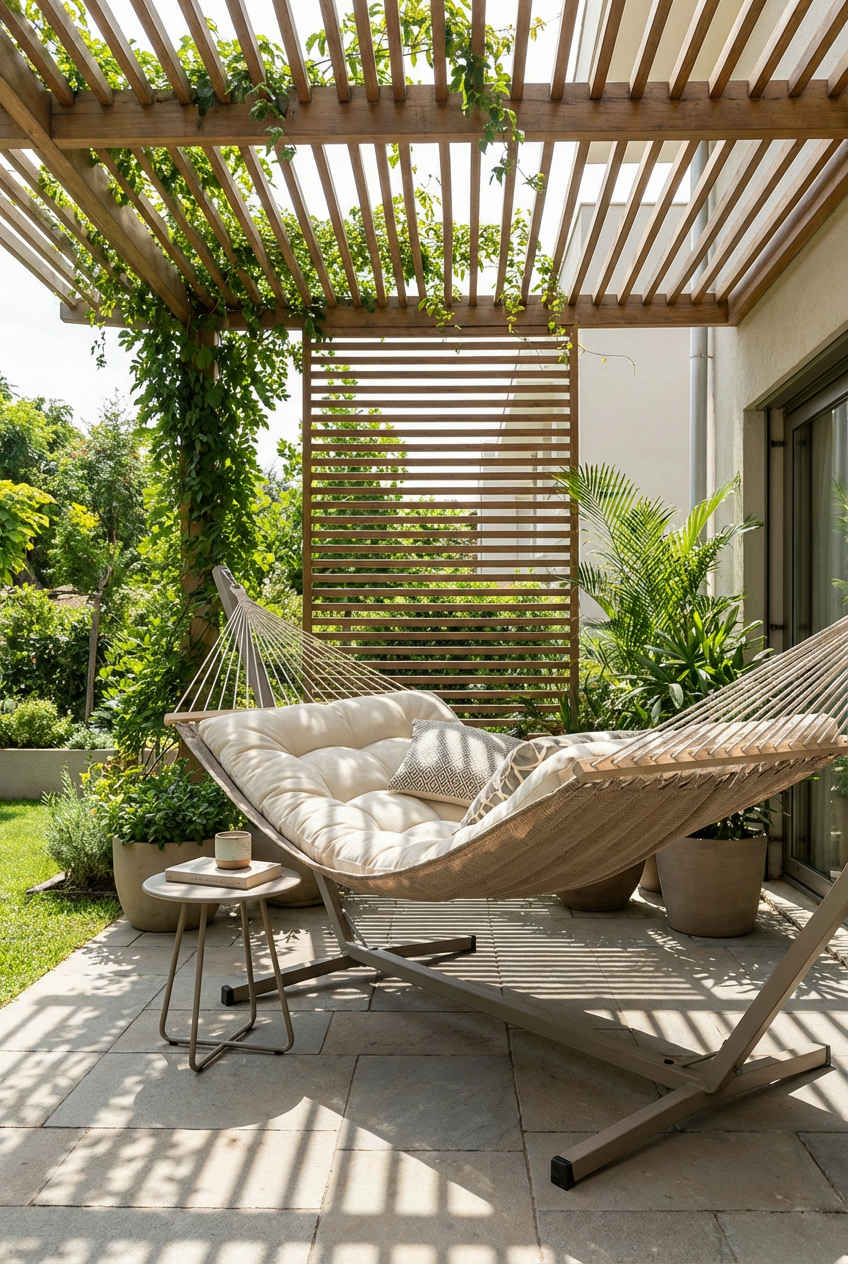
This trend speaks directly to the desire for slower living and intentional relaxation, a hallmark of what many Americans are seeking to integrate into their busy lives. It transforms a portion of the yard into a designated sanctuary, promoting well-being and mindful leisure.
27. Minimalist Plant Palettes
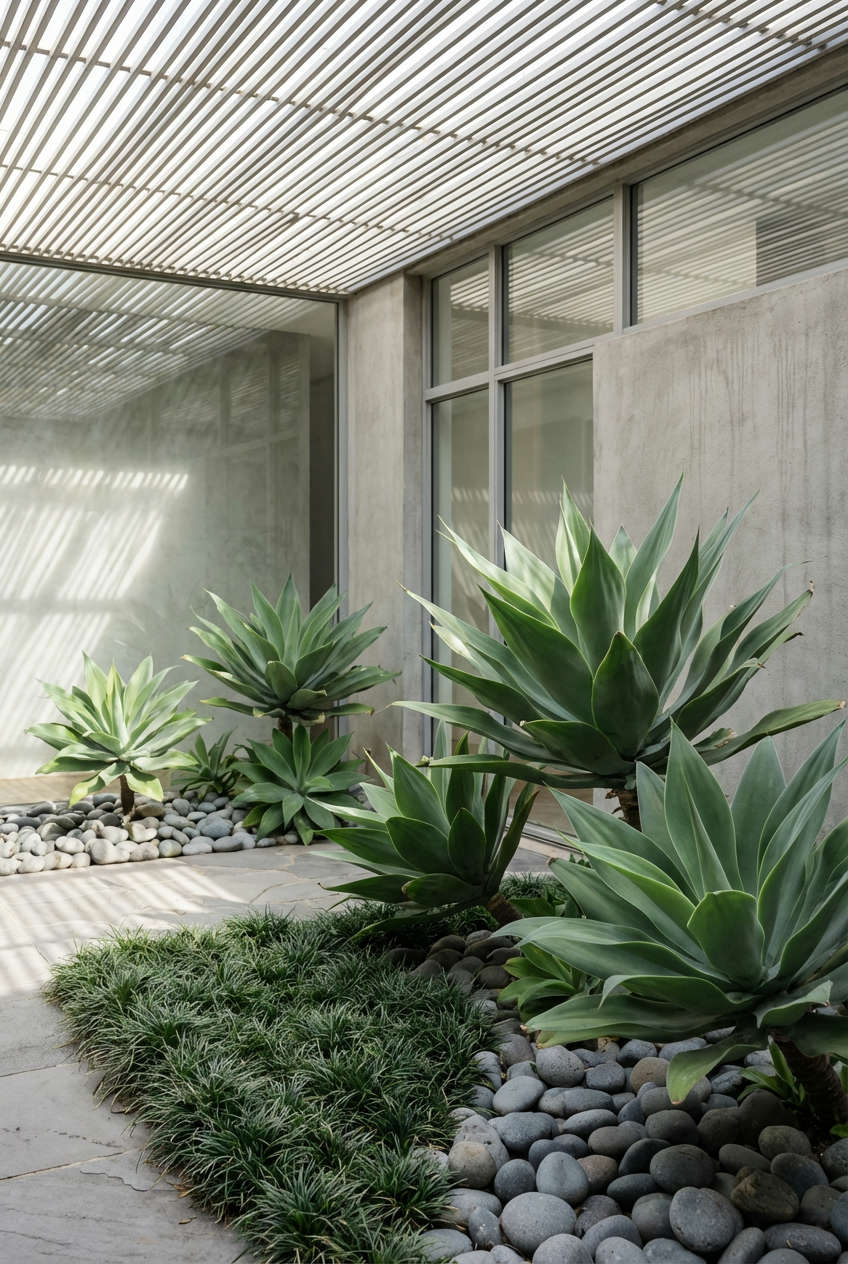
Less is more in 2026 when it comes to plant selection for a refined, minimalist garden. This trend focuses on a limited palette of plants chosen for their architectural form, striking texture, or subtle color variations, creating a serene and sophisticated aesthetic. Instead of a riot of different blooms, imagine large swathes of a single type of ornamental grass, clean lines of boxwood, or a few sculptural succulents providing visual interest. The emphasis is on clarity, repetition, and the beauty of individual plant forms, allowing each element to truly shine in the composition.
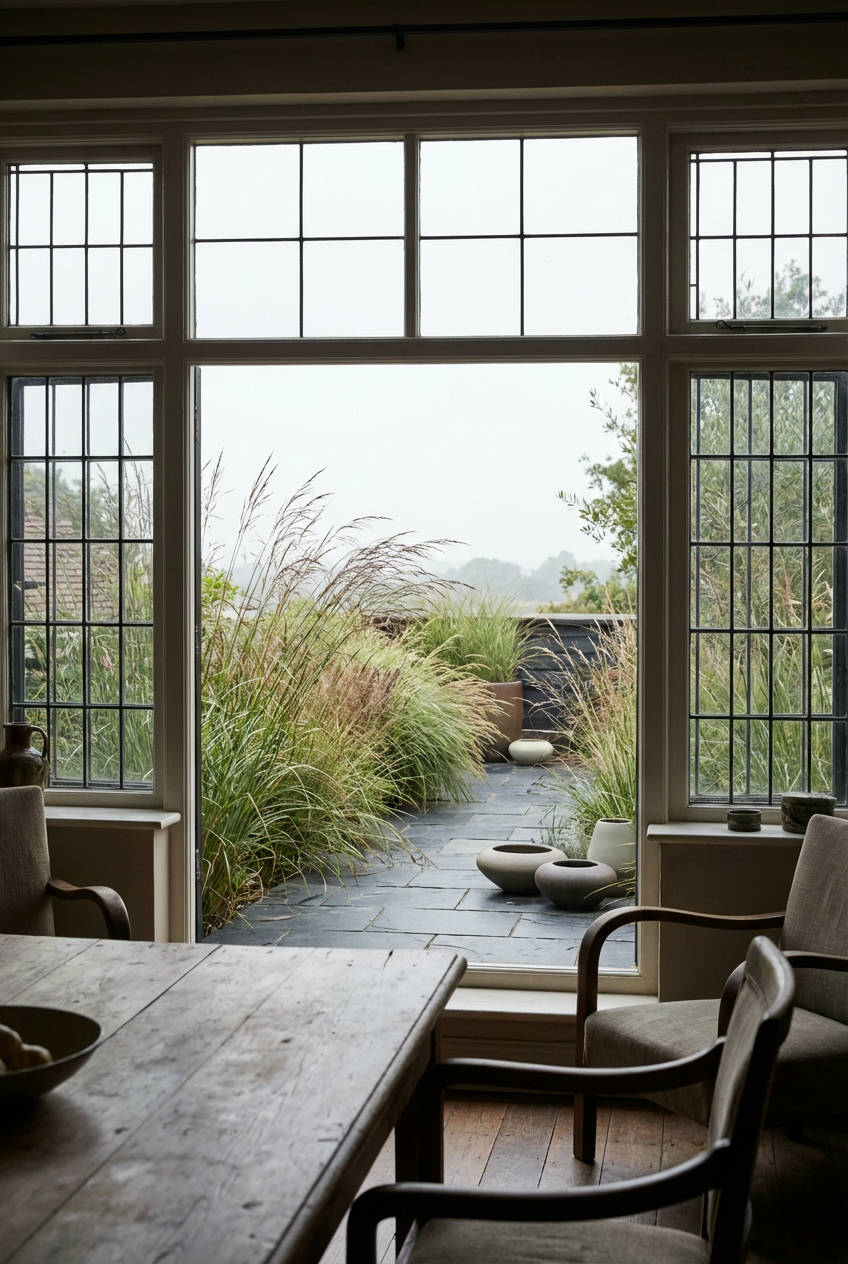
Where it works best: This style is particularly effective in modern and contemporary homes, complementing the existing architecture with its understated elegance. It’s also a great choice for those seeking a low-maintenance garden that still delivers high aesthetic impact, without the fuss of too many demanding plants.
28. DIY Garden Automation for Beginners
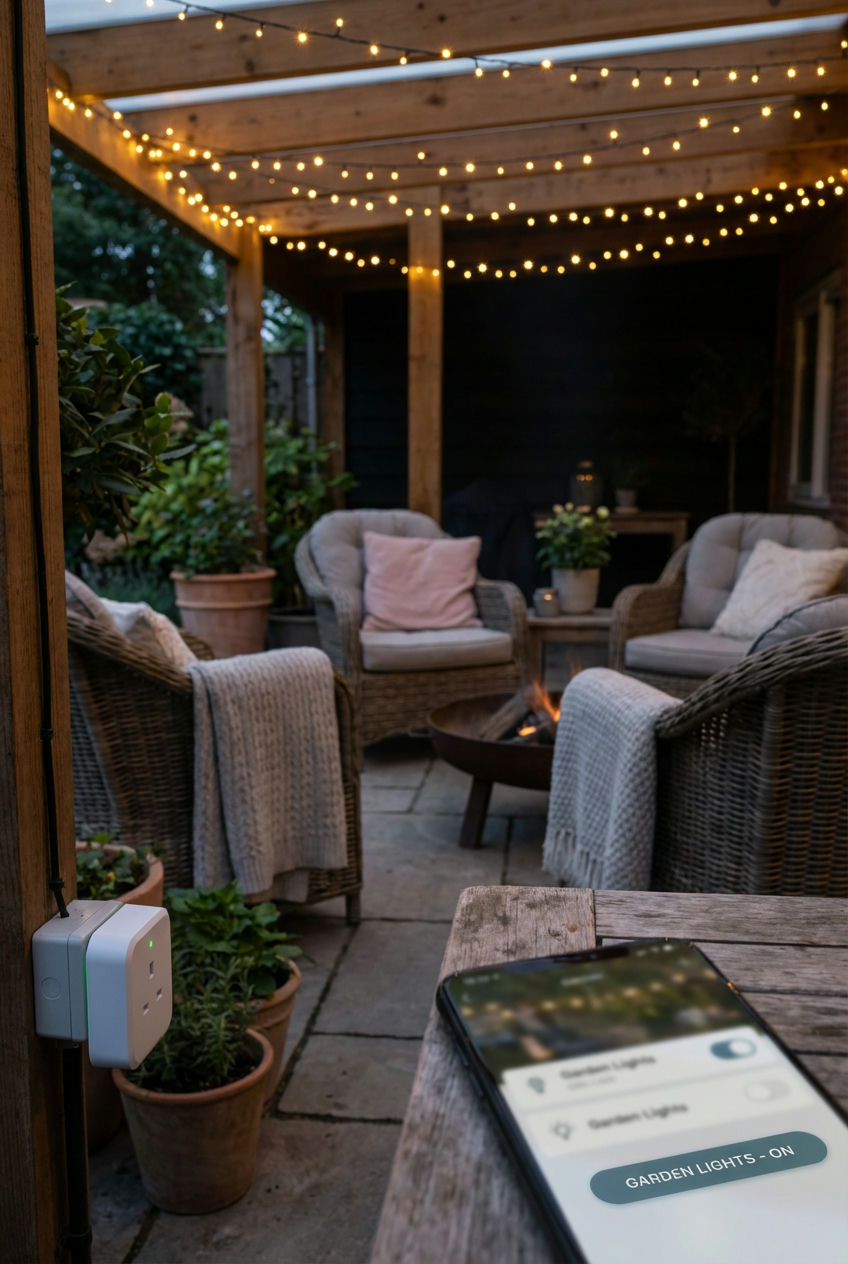
The rise of accessible smart home technology is empowering beginners to dabble in DIY garden automation in 2026. Affordable kits for automated irrigation, app-controlled lighting, and simple plant monitoring sensors are making it easier than ever for the average homeowner to integrate technology into their outdoor space. This trend is about demystifying smart tech, allowing anyone to enhance efficiency and convenience in their garden without needing expert knowledge. Imagine setting up simple timers for your sprinklers from your phone or having lights turn on automatically at dusk, making garden care a breeze.
Expert-style commentary: For beginners, starting with small, modular automation units for specific tasks like watering or lighting is a smart way to learn and build confidence before investing in more complex whole-garden systems. This incremental approach makes technology less intimidating and more approachable.
29. Repurposed & Upcycled Planters
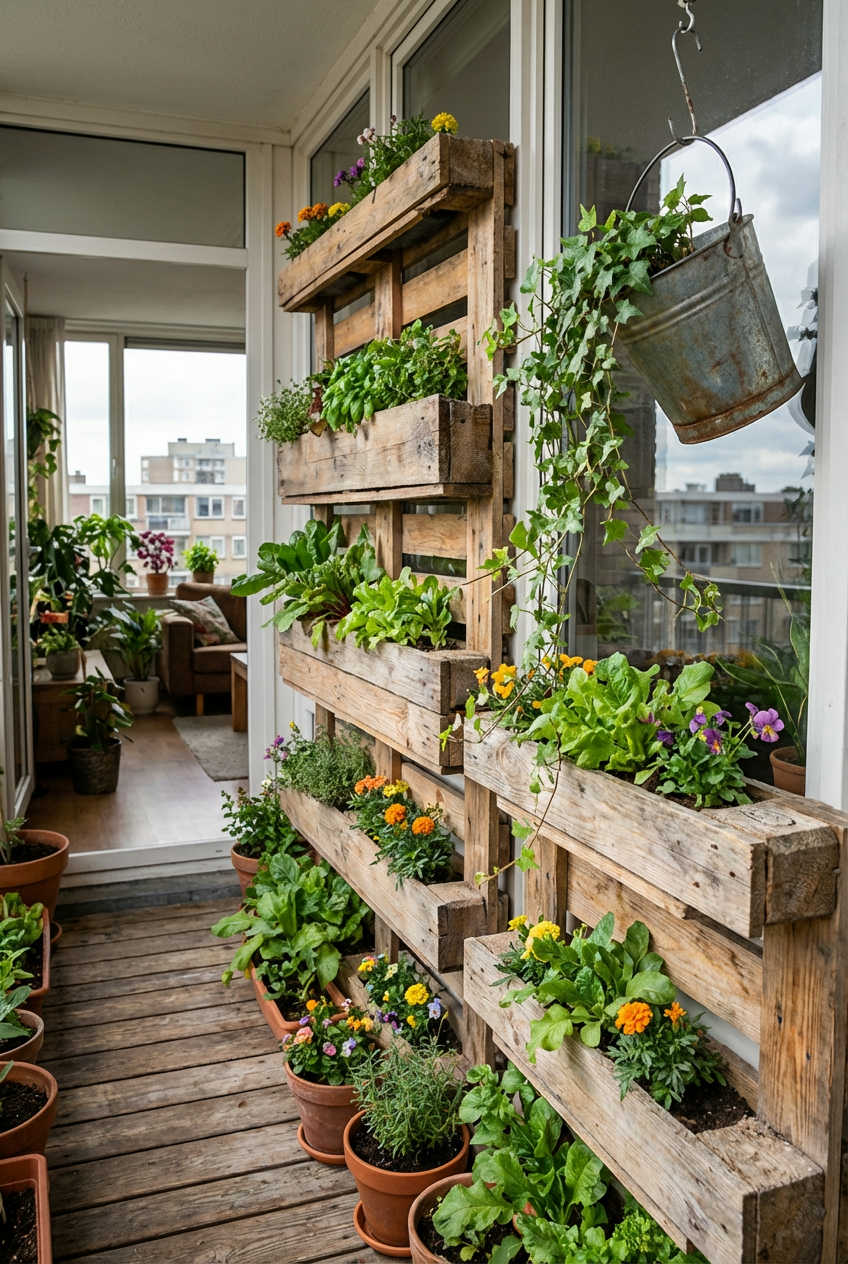
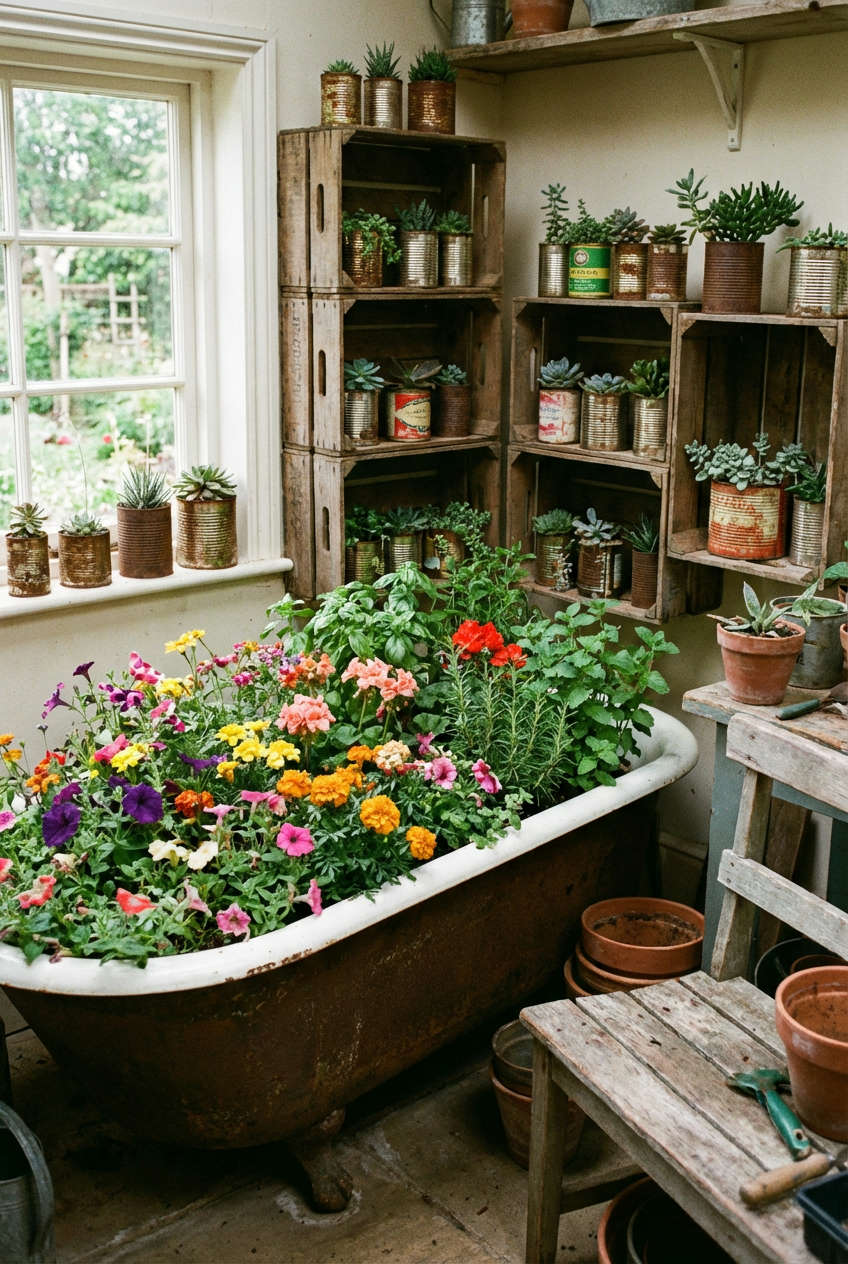
Sustainability meets creativity in 2026 with a strong emphasis on repurposed and upcycled planters transforming average gardens into unique, eco-conscious statements. From old wooden crates and vintage bathtubs to discarded tires and brightly painted metal cans, homeowners are finding imaginative ways to give new life to forgotten objects. This trend highlights individuality and resourceful design, reducing waste while adding character and a charming, bespoke feel to outdoor spaces. It’s about celebrating imperfection and ingenuity, making your garden genuinely one-of-a-kind and environmentally friendly in its flair.
Real homeowner behavior shows a growing interest in personalizing outdoor areas with unique items that tell a story. Upcycled planters offer a fantastic way to reflect personality and commitment to sustainable living, often becoming conversation starters with guests due to their unique narratives.
From embracing eco-conscious choices to infusing smart technology and creating deeply personal sanctuaries, garden design in 2026 is all about crafting spaces that truly resonate with our values and lifestyles. We hope these 29 ideas have sparked inspiration for your own outdoor oasis. What trends are you most excited to try, and how do you envision your garden evolving in the coming years? Share your thoughts and dreams in the comments below!