56 Gorgeous Minimalist Living Room Ideas That Will Elevate Your Home in 2026

As we step into 2026, the allure of a clutter-free, serene home continues to deepen, especially when it comes to the heart of the home: the living room. People are increasingly seeking spaces that offer respite from the digital noise and fast pace of modern life. This year, minimalist living rooms aren’t just about stark white walls; they’re evolving to embrace comfort, texture, and personalized touches, proving that less truly can be more. We’ve gathered 28 inspiring ideas to help you create a beautifully simplified yet deeply inviting space.
1. Sculptural Seating Statements
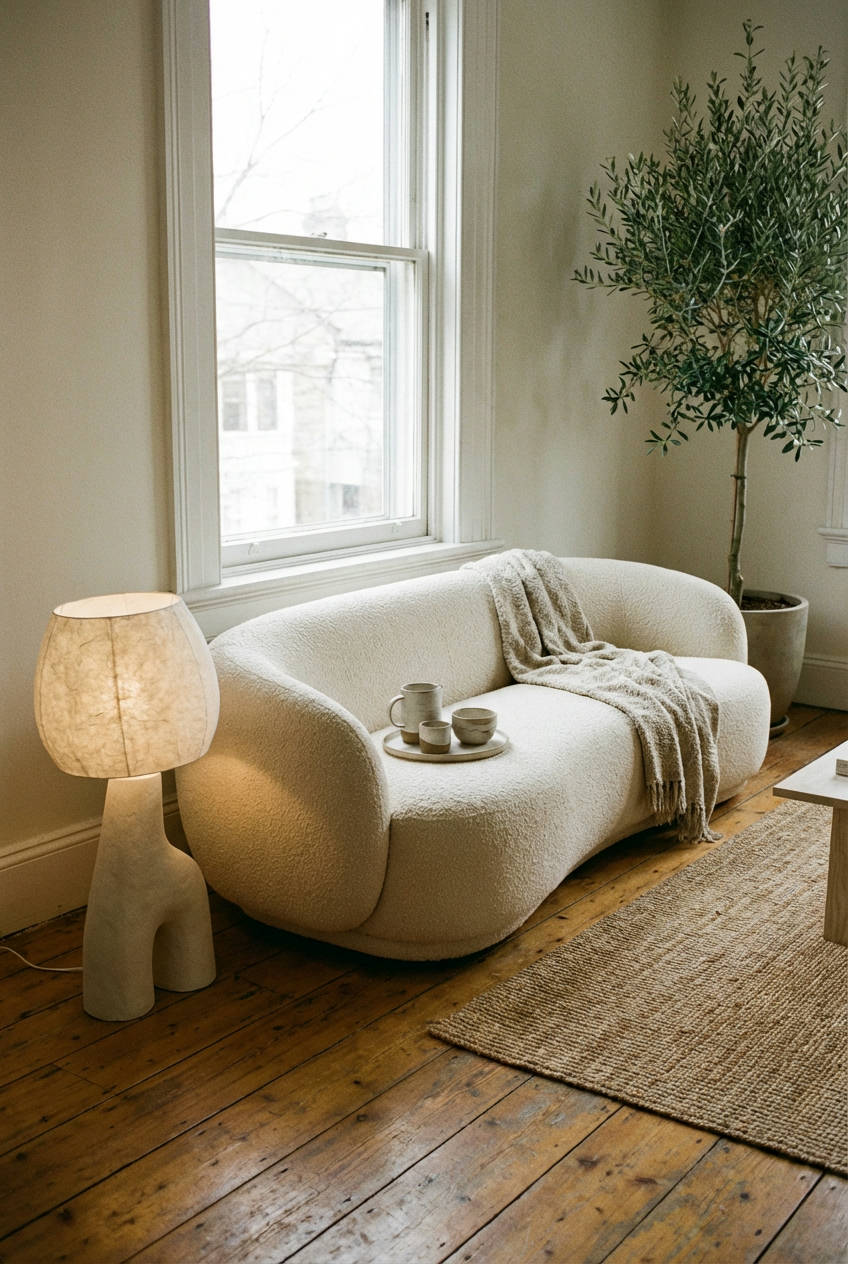
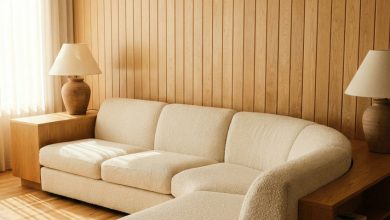
Gone are the days when minimalist living rooms meant rigid, uninteresting furniture. In 2026, sculptural seating takes center stage, offering both comfort and artistic flair without overwhelming the space. Think of organic curves, unexpected angles, and sinuous lines that double as art pieces. These aren’t just places to sit; they’re conversation starters, embodying a sophisticated yet understated vibe that homeowners are increasingly drawn to. Selecting pieces with unique silhouettes, perhaps in a neutral tone like cream, charcoal, or an earthy green, ensures they integrate seamlessly while still making a significant visual impact. This approach elevates the entire aesthetic, moving beyond mere functionality to introduce genuine character and elegance.
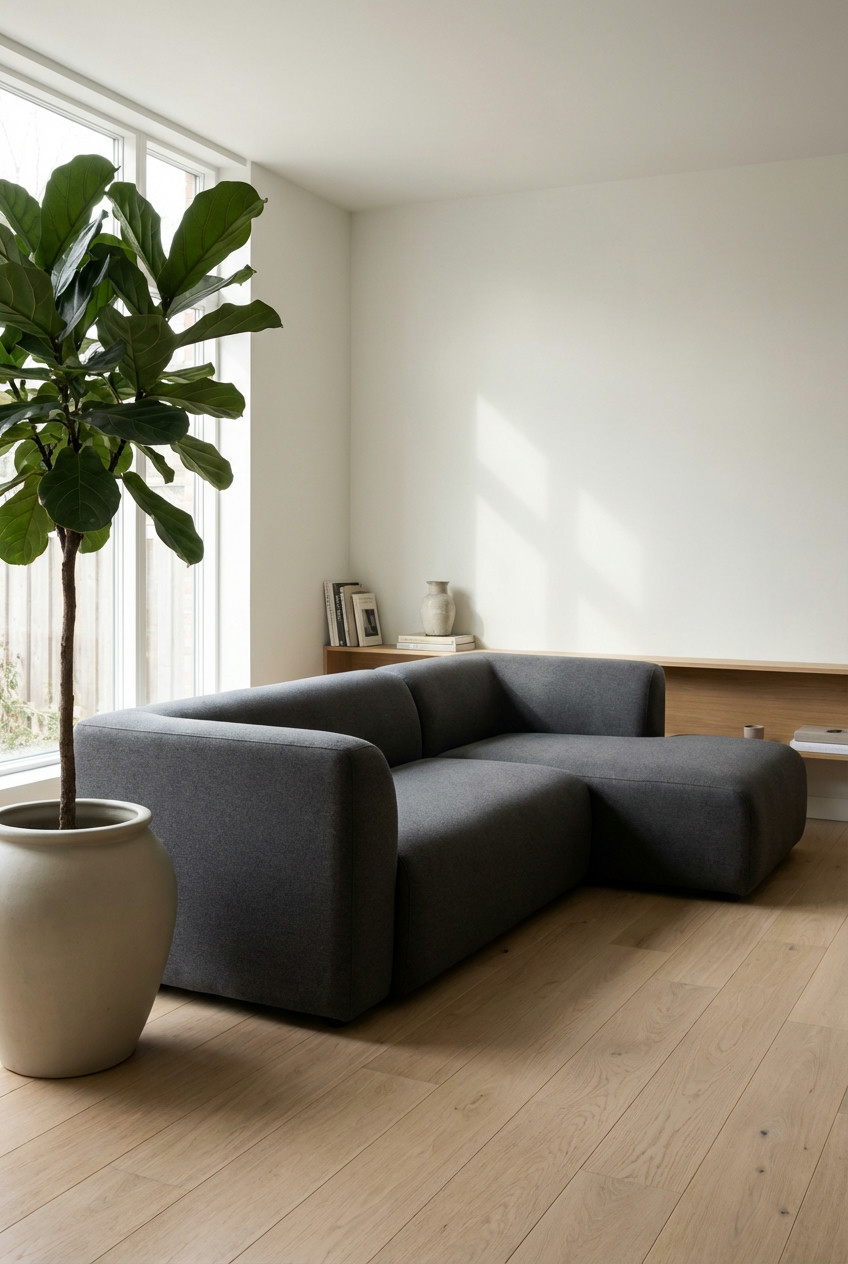
Pairing these bold seating statements with equally thoughtful, yet simple, accessories is key to maintaining the overall balance. A low-profile coffee table, perhaps in a contrasting material like concrete or dark wood, can ground the space. Consider one large, artfully placed contemporary artwork instead of a gallery wall to keep the focus sharp and intentional. This method ensures that while the furniture is a statement, the room still feels open and uncluttered. Practical insight: When choosing sculptural furniture, consider its weight and how easily it can be moved for cleaning or rearranging; lighter pieces offer more flexibility.
2. Earthy Tones and Natural Textures
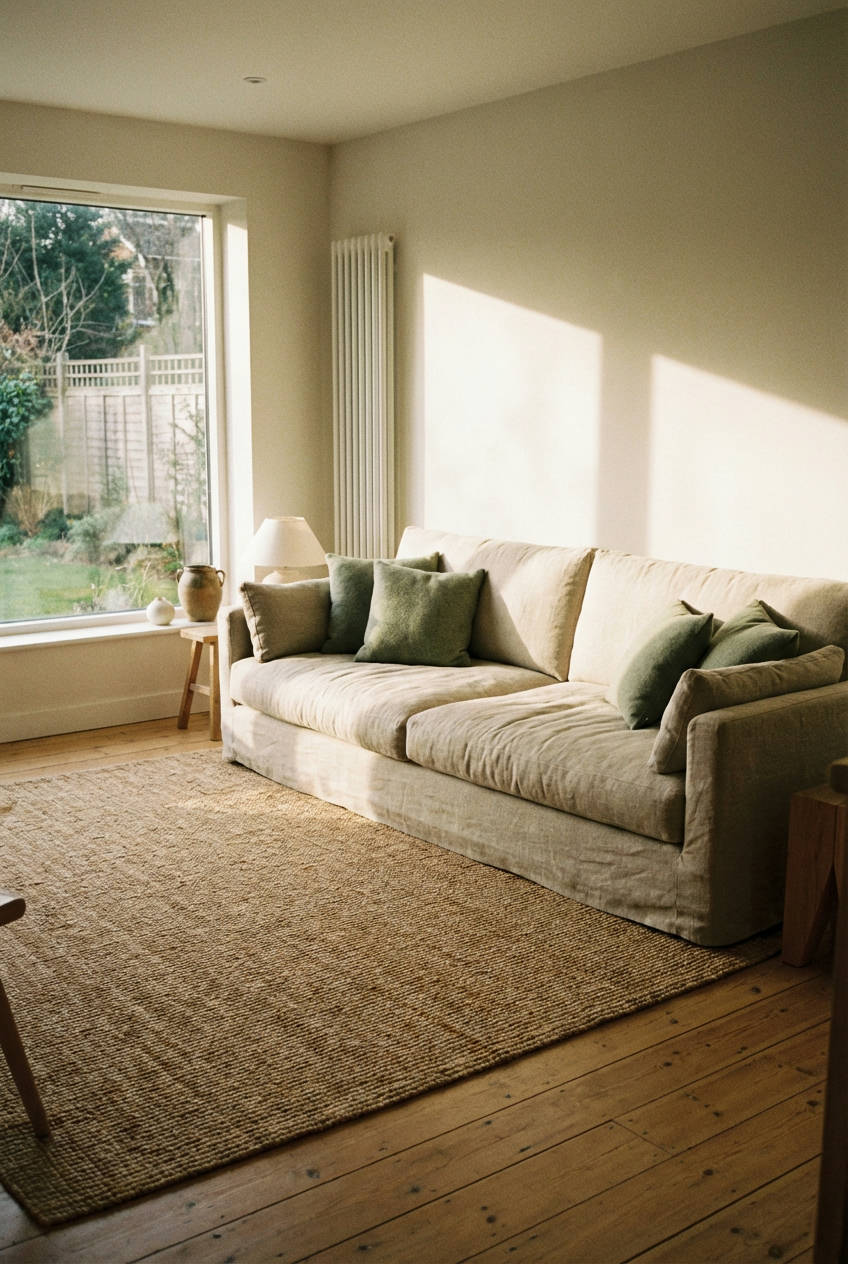
The movement towards bringing the outdoors in continues to shape minimalist aesthetics in 2026. Earthy tones – terracotta, sage green, sandy beige, and warm grays – are creating incredibly inviting and grounding spaces. These colors, often found in nature, possess an innate calming quality that perfectly aligns with the serene appeal of simplification. When paired with natural textures like linen, jute, wool, and unpolished wood, they create a rich sensory experience that is far from sterile. Imagine a creamy linen sofa against a subtle sage wall, accented by a chunky knit throw and a raw wood coffee table. This combination offers warmth and depth without adding visual clutter, making the living room a true sanctuary.
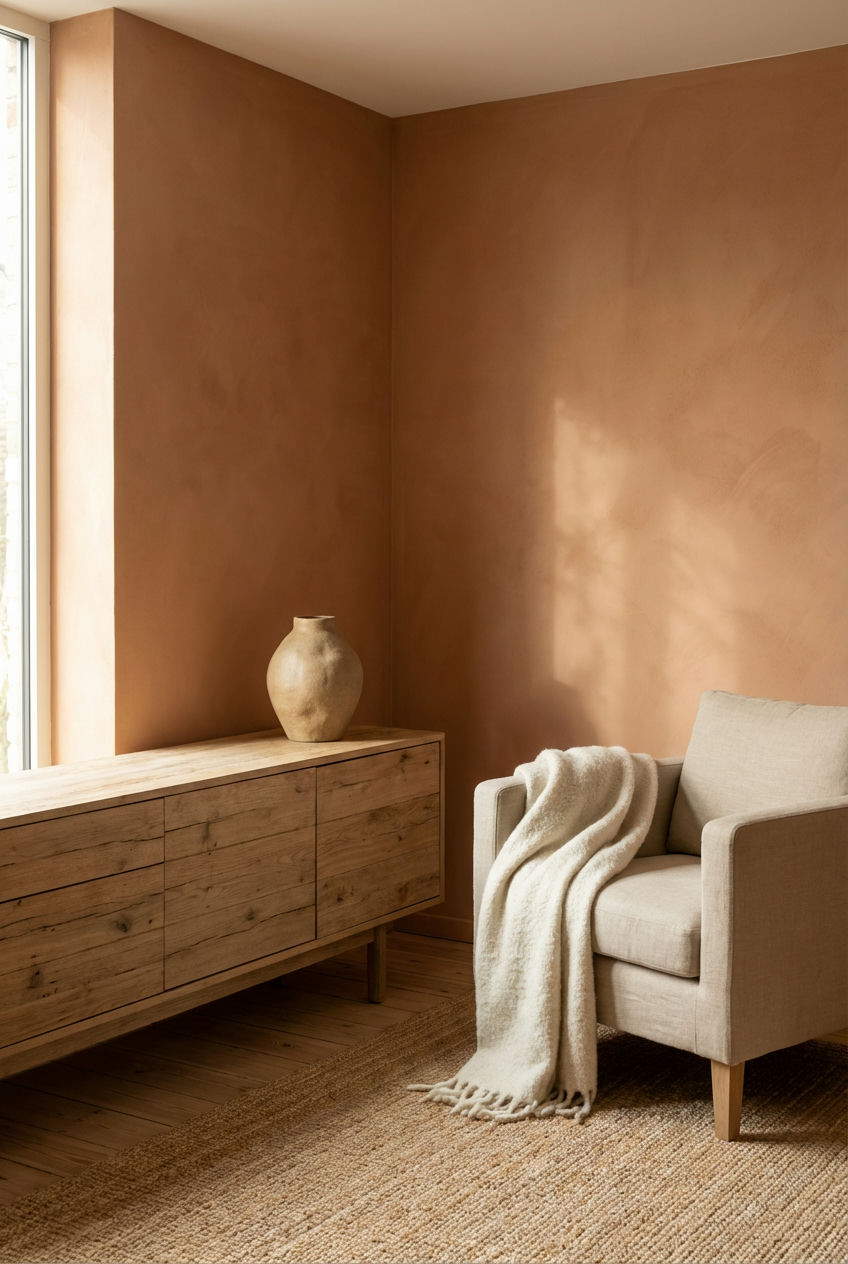
To deepen this aesthetic, incorporate natural elements such as unglazed pottery, dried botanicals, or river stones. These small touches add organic beauty without demanding much attention, reinforcing the connection to nature. The beauty of this approach is its timelessness; these tones and textures never truly go out of style, ensuring your living room remains relevant and comforting for years to come. Where it works best: This style shines particularly well in homes that receive ample natural light, allowing the subtle nuances of the earthy palette to truly sing and expand the perception of space.
3. Integrated Storage Solutions
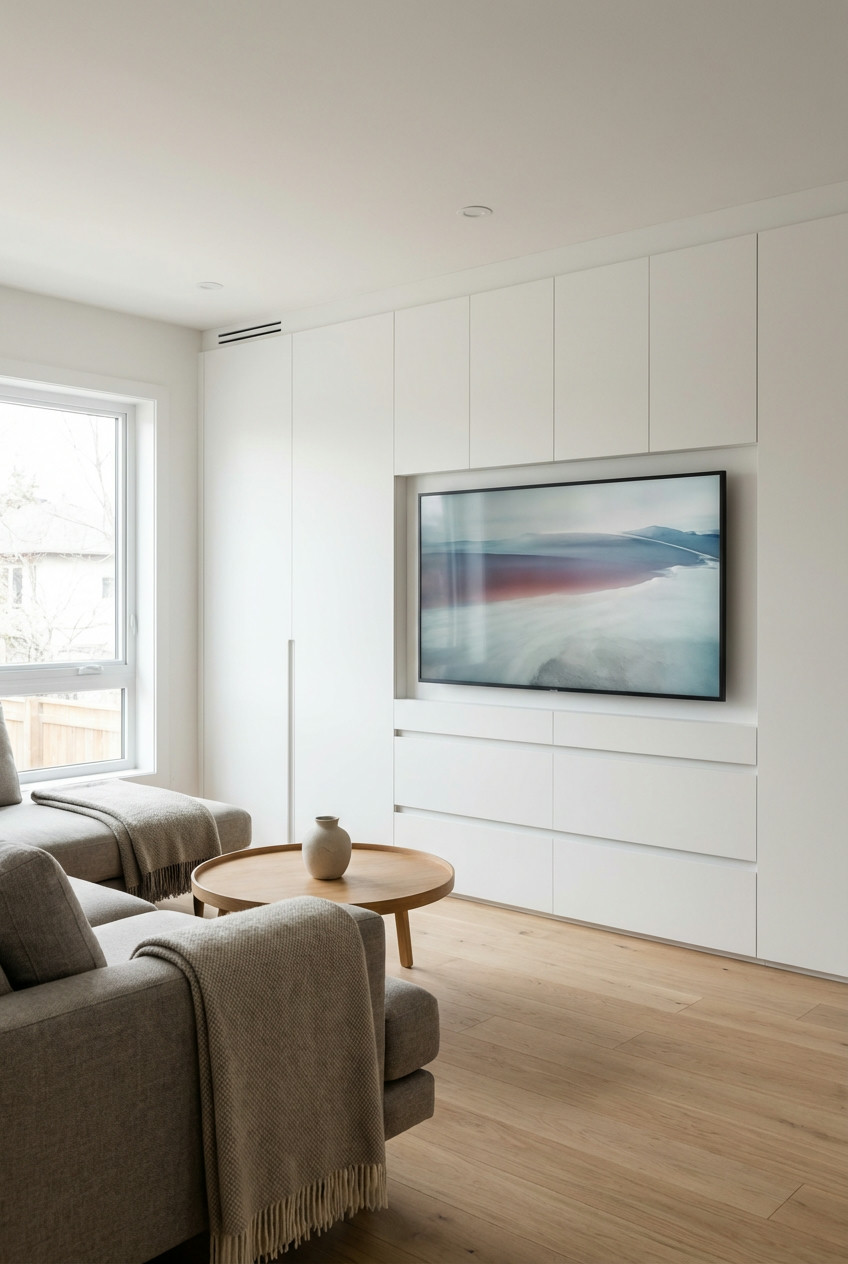
For true minimalist living rooms, visible clutter is the enemy of tranquility. In 2026, designers are prioritizing integrated storage solutions that are so seamlessly woven into the architecture, you barely notice them. Think built-in shelving units that blend with the walls, media consoles with hidden compartments, and ottomans that double as concealed storage. This approach creates an utterly streamlined appearance, where books, remotes, and other essentials are neatly tucked away, leaving surfaces clean and uncluttered. The goal is to maximize functionality without sacrificing the clean lines and open feel characteristic of this aesthetic, ensuring everything has a place without monopolizing visual space.
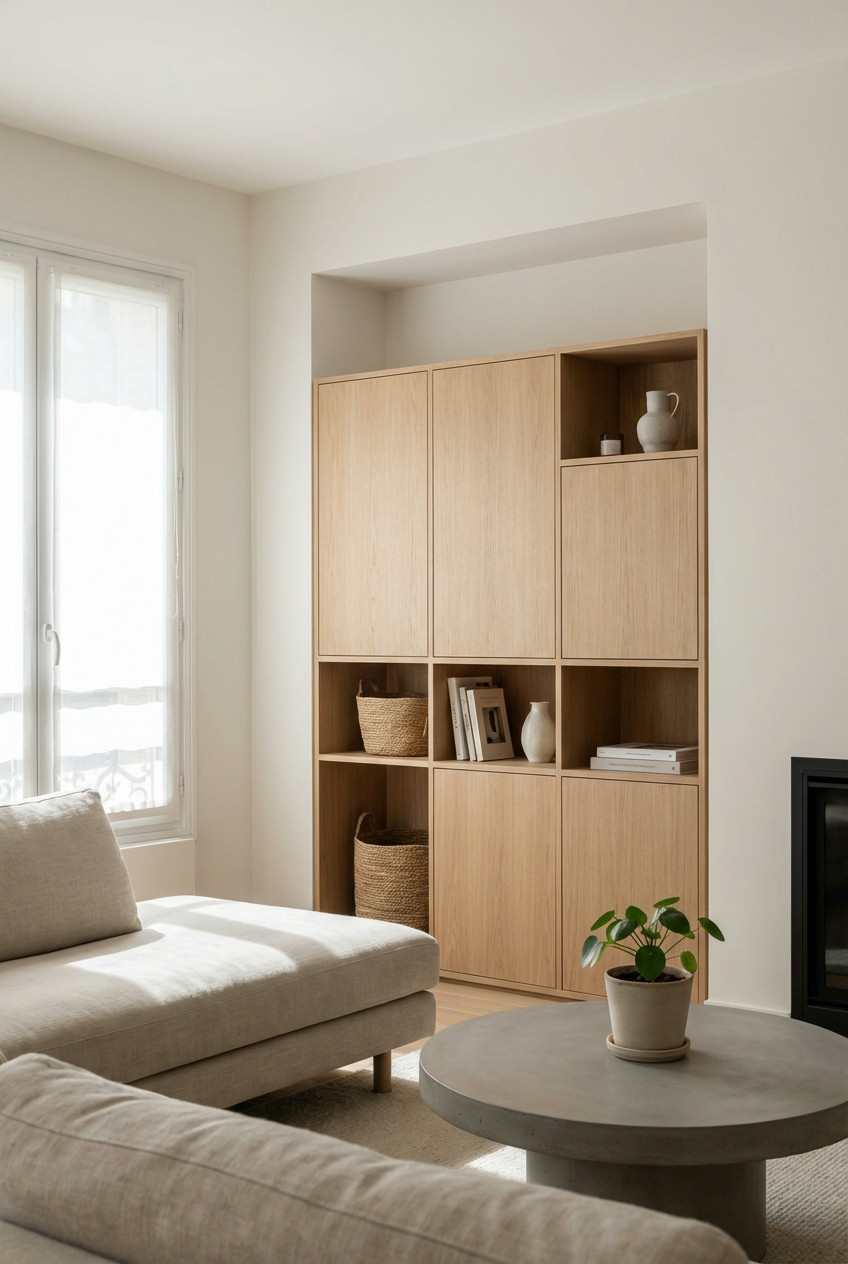
When planning your integrated storage, consider the specific items you need to hide away. Are there gaming consoles, blankets, or office supplies that tend to accumulate? By addressing these needs proactively, you can design a system that works perfectly for your lifestyle. Opt for materials and finishes that match your existing décor, ensuring the storage units disappear into the background rather than standing out. This level of intentionality transforms a minimalist space from merely empty to thoughtfully organized, truly embodying the “a place for everything and everything in its place” mentality. Common mistakes and how to avoid them: Don’t underestimate the amount of storage you need; often, people underplan, leading to visible clutter quickly reappearing.
4. Statement Art, Simple Surroundings
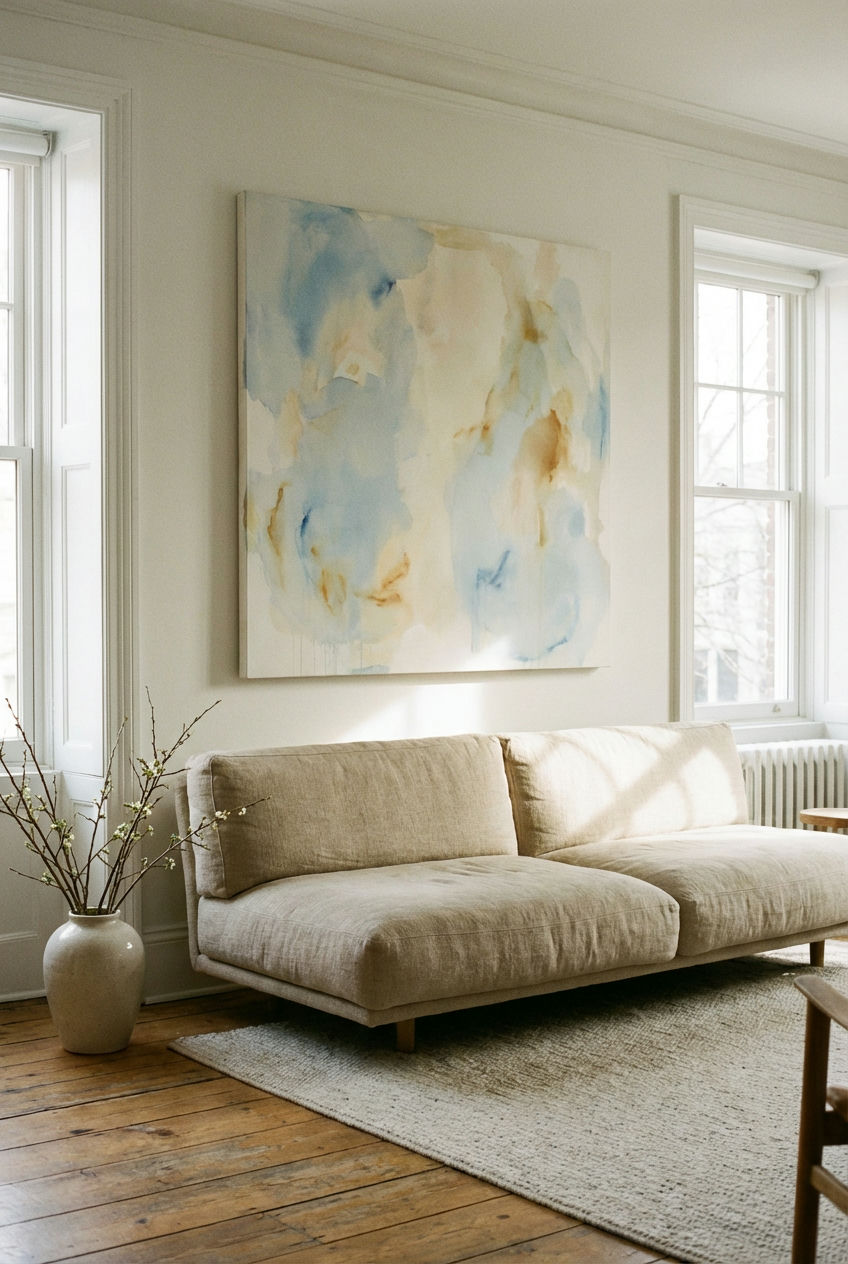
In minimalist living rooms of 2026, less is truly more when it comes to art. Instead of multiple small pieces or a busy gallery wall, a single, impactful work of art takes center stage, commanding attention and setting the mood. This carefully chosen piece becomes the focal point, allowing its colors, textures, and composition to truly breathe within the room. Surrounding it are uncluttered walls and understated furniture, which serve as a quiet backdrop, enhancing the art’s presence rather than competing with it. This approach demonstrates a confident and sophisticated understanding of design, where every element is intentional and contributes to a cohesive aesthetic.
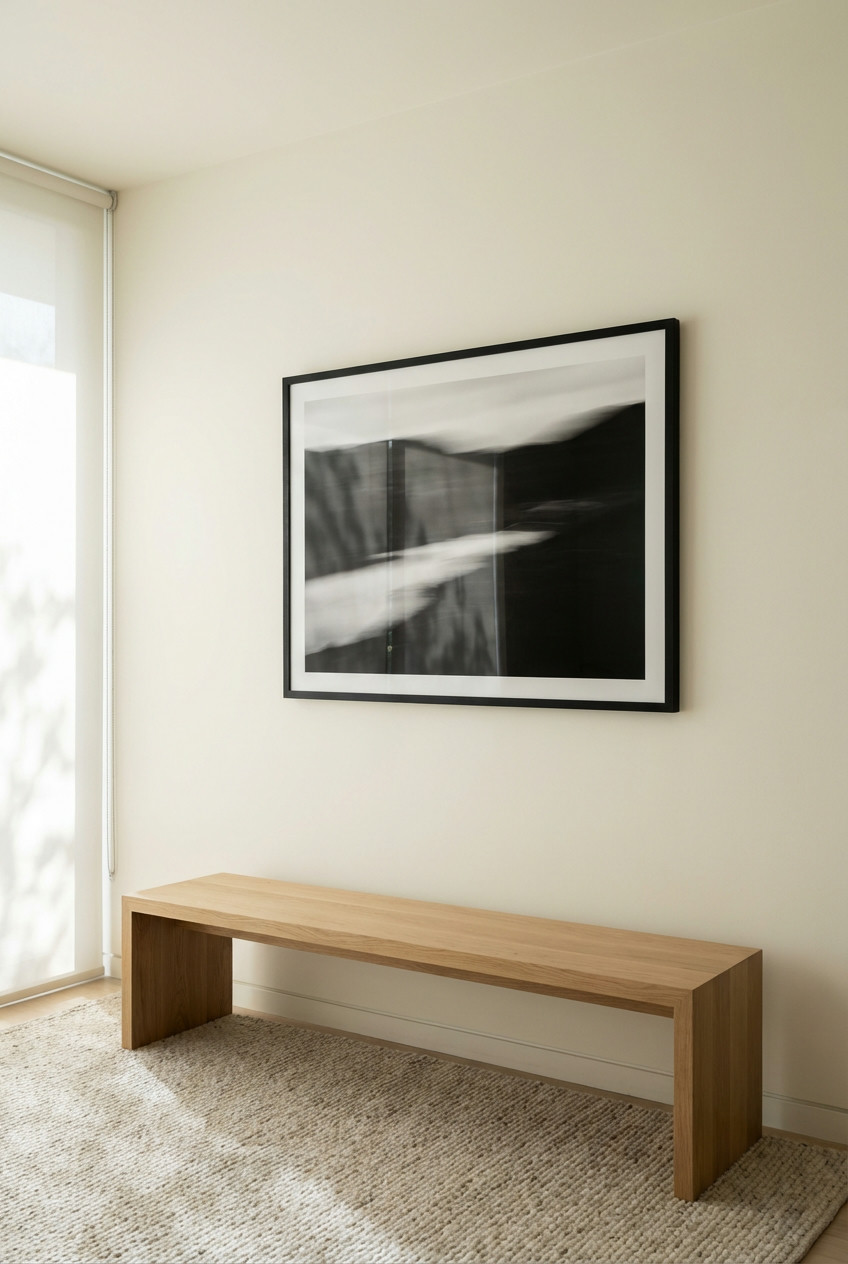
Choosing the right piece of art is a deeply personal endeavor; it should resonate with you and reflect your taste. Think about scale – a large piece often works best in a minimalist setting, filling the space with presence. Whether it’s abstract, landscape, or figurative, ensure its colors and style complement the room’s overall palette without exactly matching, creating a harmonious contrast. This isn’t just about decoration; it’s about curating experiences within your living space. Real homeowner behavior: Homeowners are often timid about investing in large-scale art, but one significant piece can dramatically elevate a room more than many smaller ones.
5. Multifunctional Furniture at its Finest
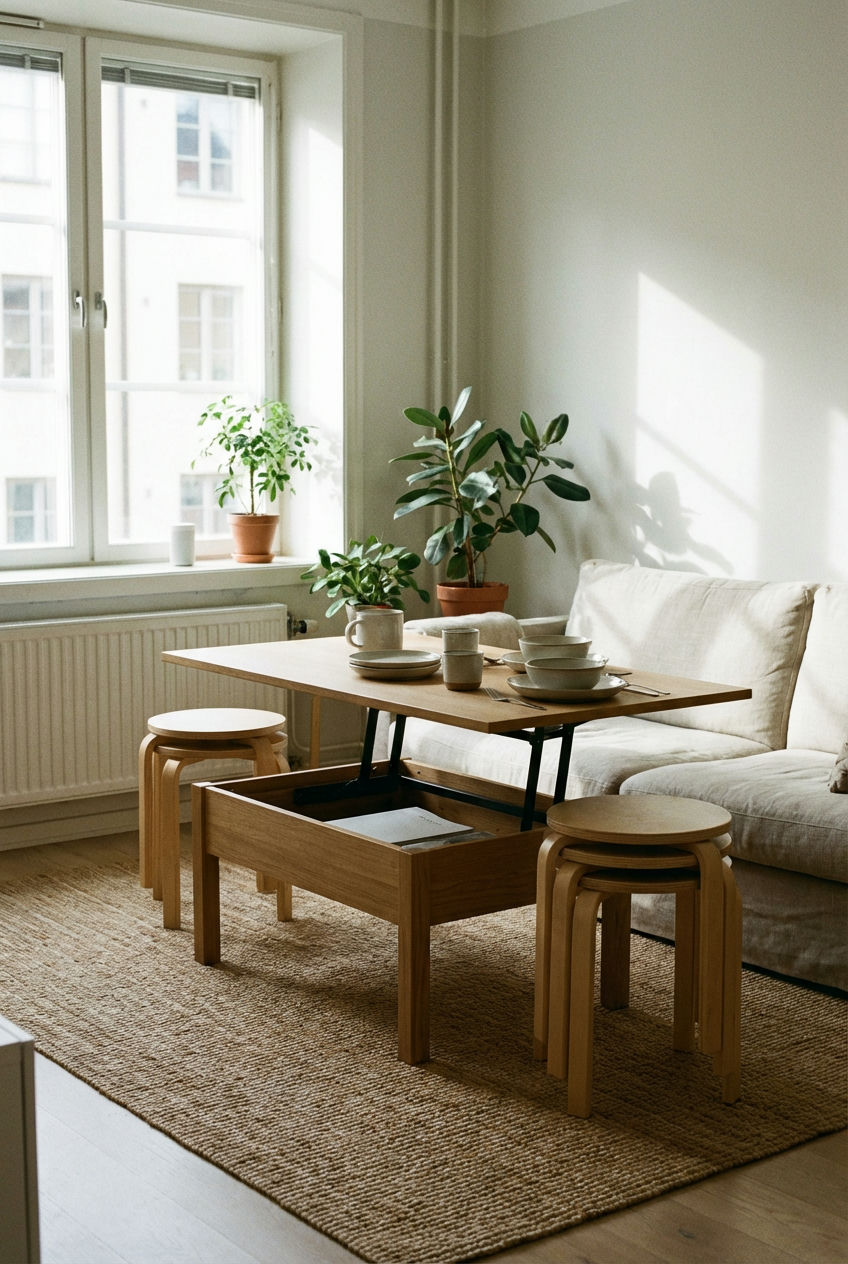
In the pursuit of truly efficient and streamlined minimalist living rooms, multifunctional furniture is proving to be indispensable in 2026. Think coffee tables that transform into dining tables, ottomans that offer concealed storage and extra seating, or modular sofas that can be reconfigured to suit various needs. These smart pieces solve practical problems without adding visual bulk, embodying the core principle of doing more with less. They are especially crucial in smaller spaces, where every inch counts, allowing the living room to adapt seamlessly from a cozy retreat to an entertaining hub. The innovation in design means these pieces are not only practical but also aesthetically pleasing, fitting perfectly into a clean, modern aesthetic.
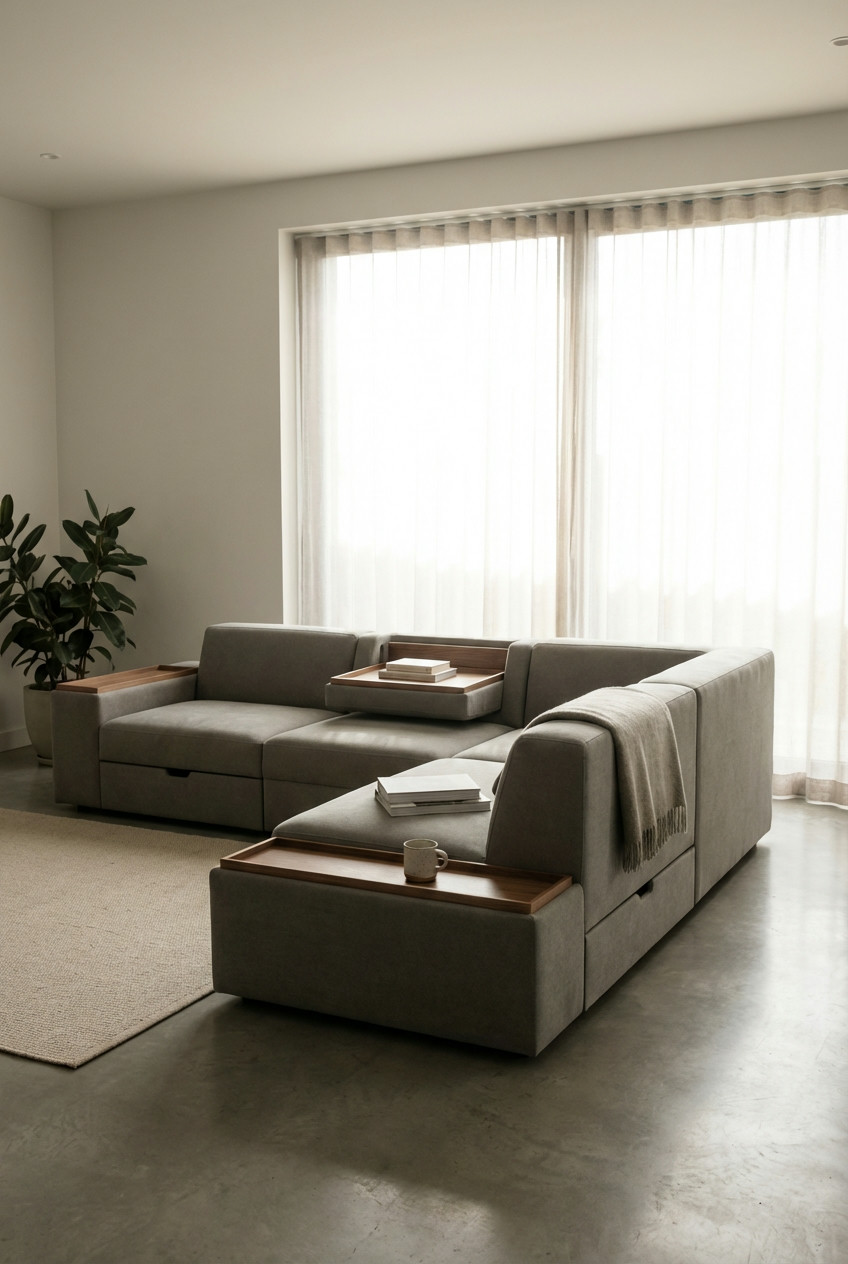
When selecting multifunctional pieces, consider both their primary and secondary functions carefully. Does the storage ottoman comfortable as an extra seat? Is the sofa bed genuinely comfortable for guests? Look for quality craftsmanship and durable materials that can withstand frequent transitions between uses. This thoughtful consideration ensures that your furniture acts as a true asset, enhancing the flexibility and livability of your minimalist space. An American lifestyle or regional context: For urban dwellers in cities like New York or San Francisco, where square footage is at a premium, multifunctional furniture is not just a trend but a survival strategy for maintaining a comfortable and clutter-free minimalist environment.
6. Curves and Soft Edges
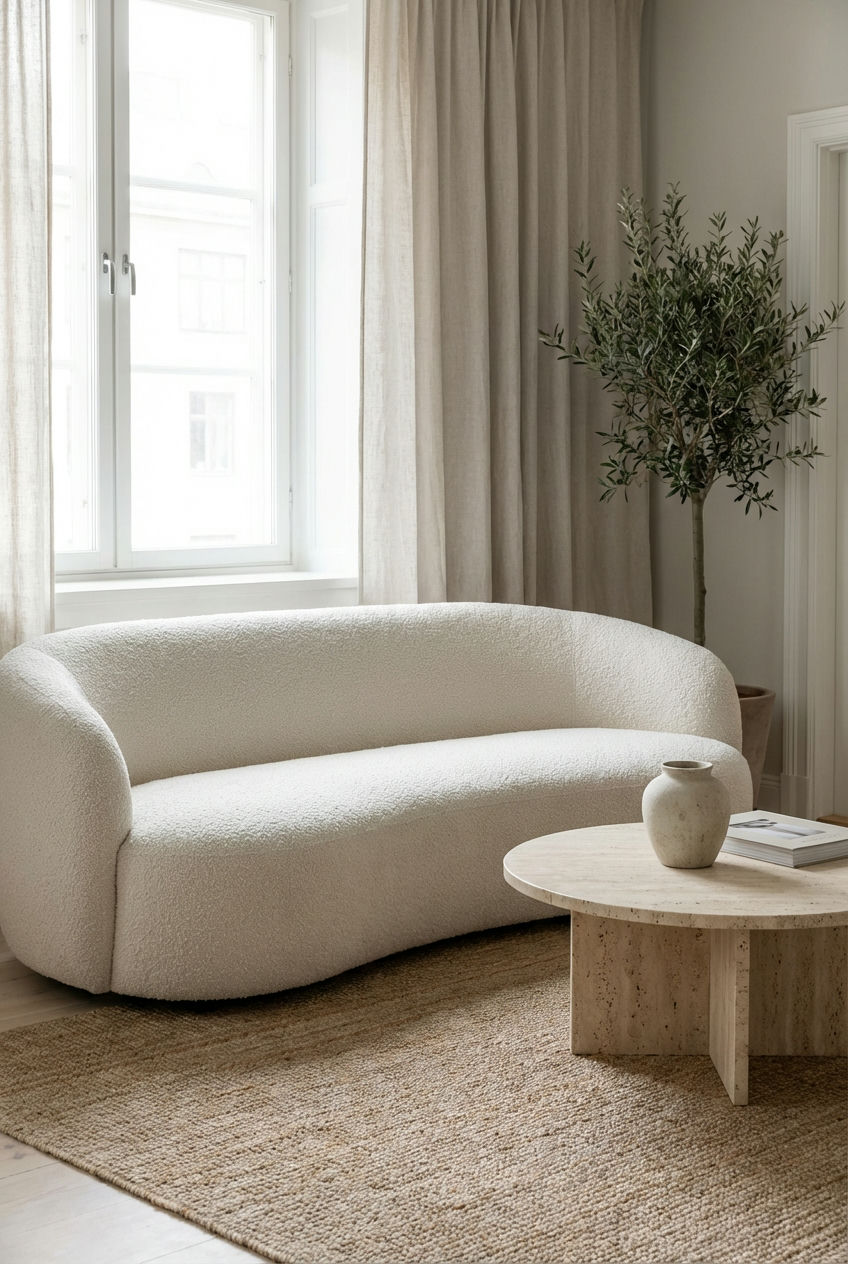
While clean lines are a hallmark of minimalist design, 2026 sees a delightful softening of the aesthetic through the introduction of curves and gentle, rounded edges. This trend brings a more inviting and organic feel to minimalist living rooms, contrasting beautifully with the sharp angles often associated with modern design. Sofas with voluptuous curves, circular coffee tables, and archways or curved architectural elements all contribute to a sense of fluidity and comfort. These forms promote a more relaxed atmosphere, making spaces feel less austere and more embraceable, which is essential for creating truly comforting sanctuaries. The visual softness ensures the room feels gentle and approachable.
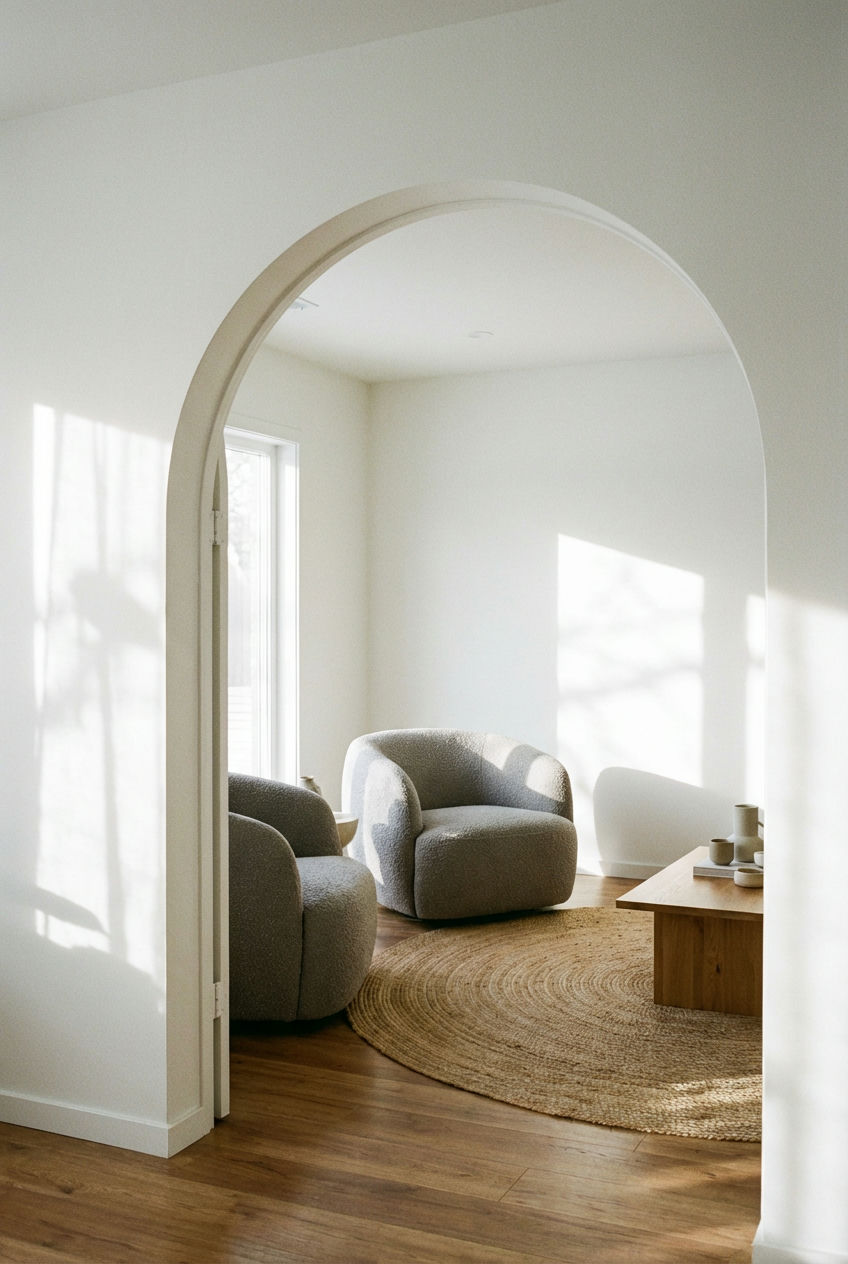
To integrate this trend, consider how different curved elements can interact within your space. A curved sofa can be balanced by a rectangular rug, or a round mirror can soften a strong geometric wall. The balance between soft and hard lines is what makes this approach so appealing; it prevents the room from feeling too stark while still maintaining a cohesive minimalist identity. These organic shapes are not only aesthetically pleasing but also often feel more comfortable and ergonomic. A micro anecdote: My friend Sarah recently swapped out her sharp-edged coffee table for a round one, and suddenly her living room felt so much more welcoming and easy to navigate, especially with kids.
7. Smart Lighting for Atmosphere
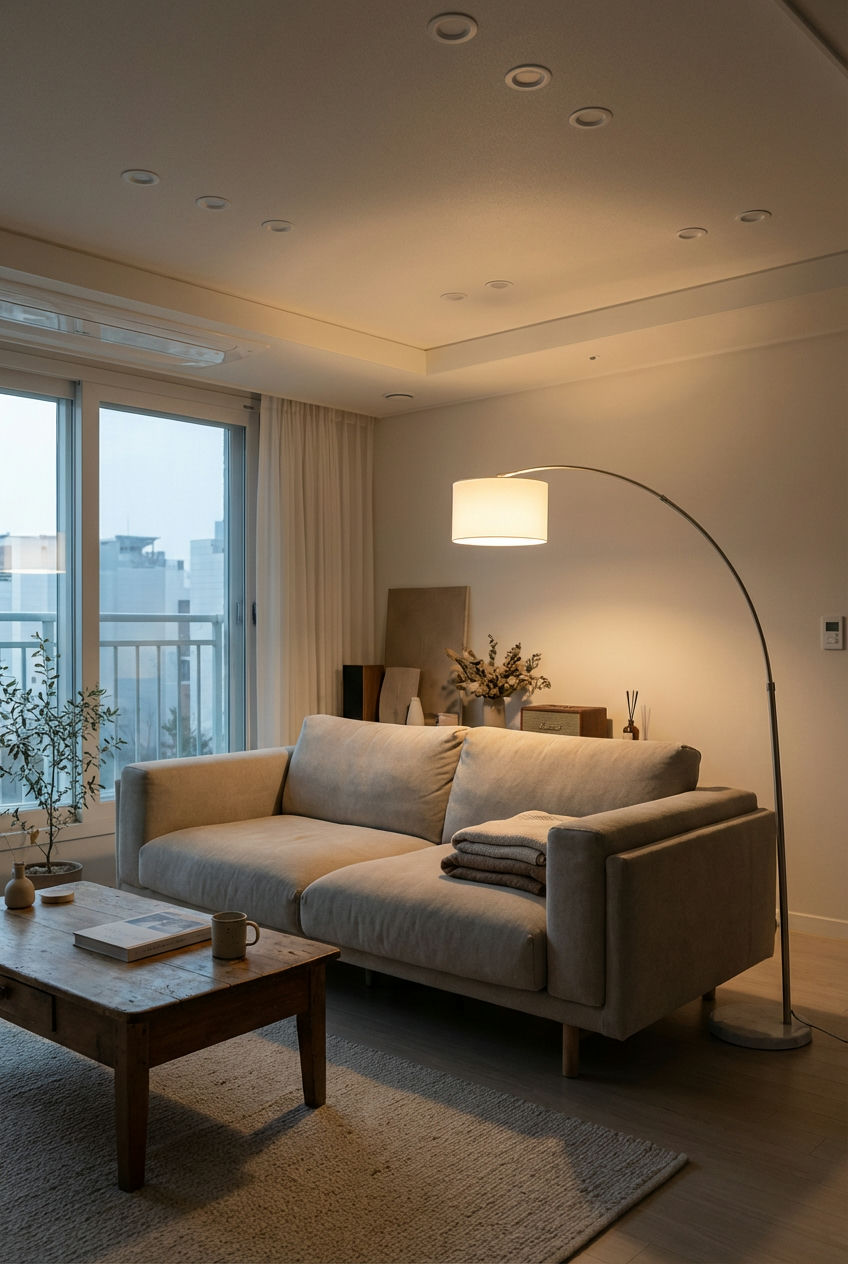
Lighting is paramount in setting the mood, and in 2026, minimalist living rooms are leveraging smart lighting systems to create versatile and inviting atmospheres. Beyond simple on/off functions, these systems allow for precise control over brightness, color temperature, and even the direction of light, all often managed from a smartphone or voice assistant. This means you can effortlessly transition from bright, focused lighting for reading to soft, warm ambient light for relaxation or entertaining. The beauty lies in its ability to adapt the room to various activities and times of day, enriching the overall living experience without adding physical fixtures or clutter.
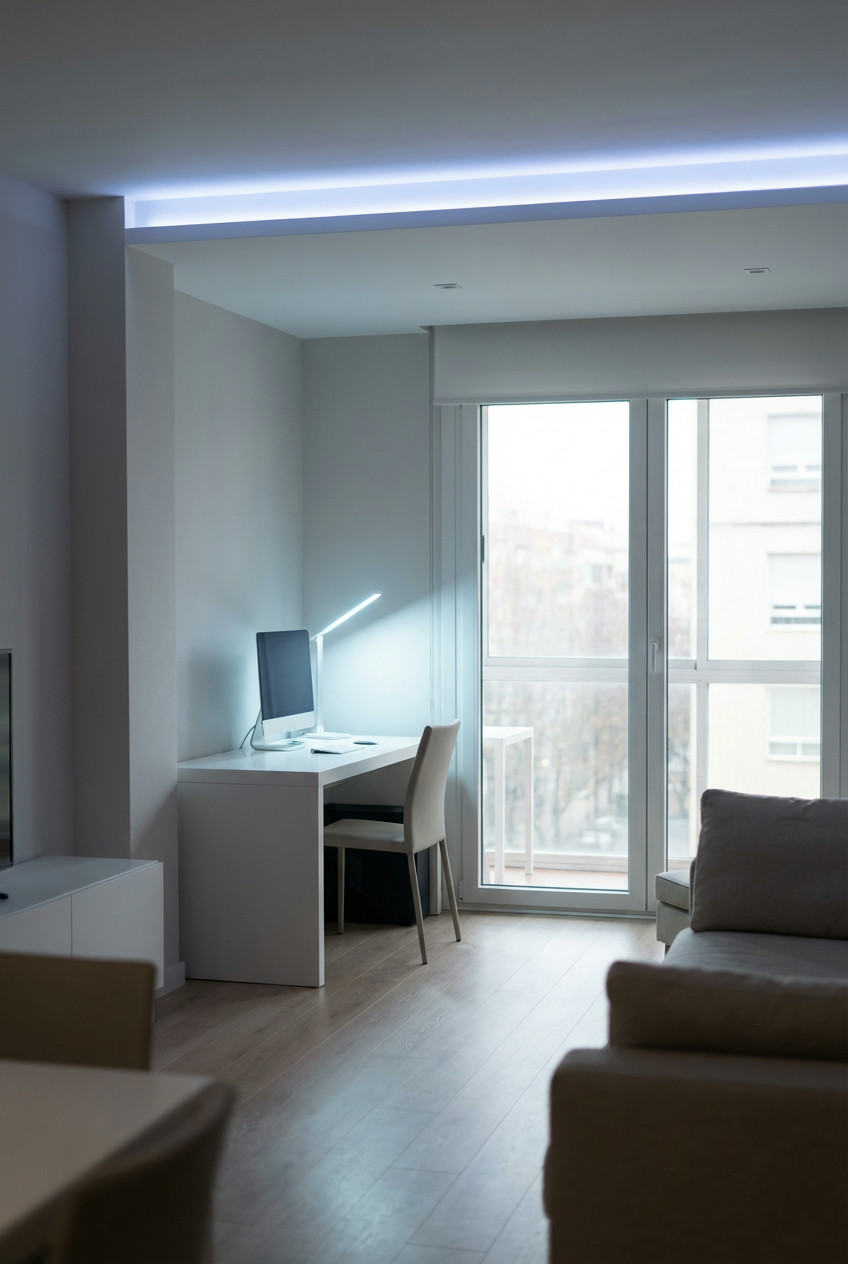
When implementing smart lighting, consider layering different types of light: ambient, task, and accent. Recessed lighting can provide a soft general wash, while a stylish floor lamp offers focused task lighting, and LED strips cleverly hidden behind shelving can create accent lighting. The key is to choose minimalist fixtures that blend seamlessly into the background when not in use, letting the light itself be the design element. This allows for dynamic changes in atmosphere without compromising the clean aesthetic. Expert-style commentary: “Smart lighting isn’t just about convenience; it’s about crafting an emotional environment. It’s the silent orchestrator of your home’s mood.”
8. Pared-Down Palettes, Rich Details
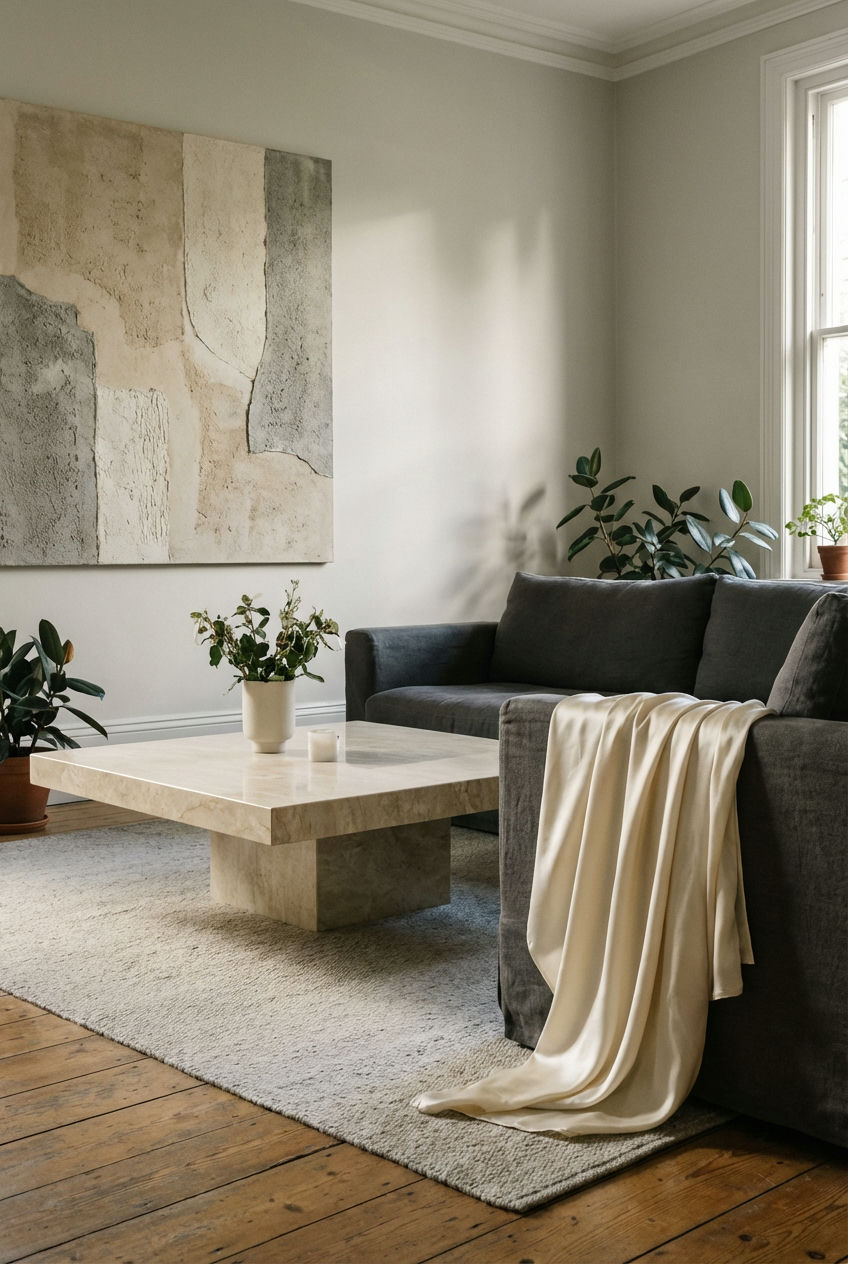
In 2026, minimalist living rooms continue to embrace muted color palettes, but with a crucial difference: an emphasis on rich, tactile details that prevent the space from feeling bland. Think exquisite natural materials like polished marble, lustrous silk, deeply veined wood, or handcrafted ceramics, all in subtle shades of white, gray, beige, or soft pastels. These sophisticated elements add depth and luxury without introducing visual noise. The beauty lies in the subtle interplay of textures and finishes, creating a quiet lavishness that resonates deeply. It’s about quality over quantity, where each carefully chosen item makes a powerful, yet understated, statement of refinement.
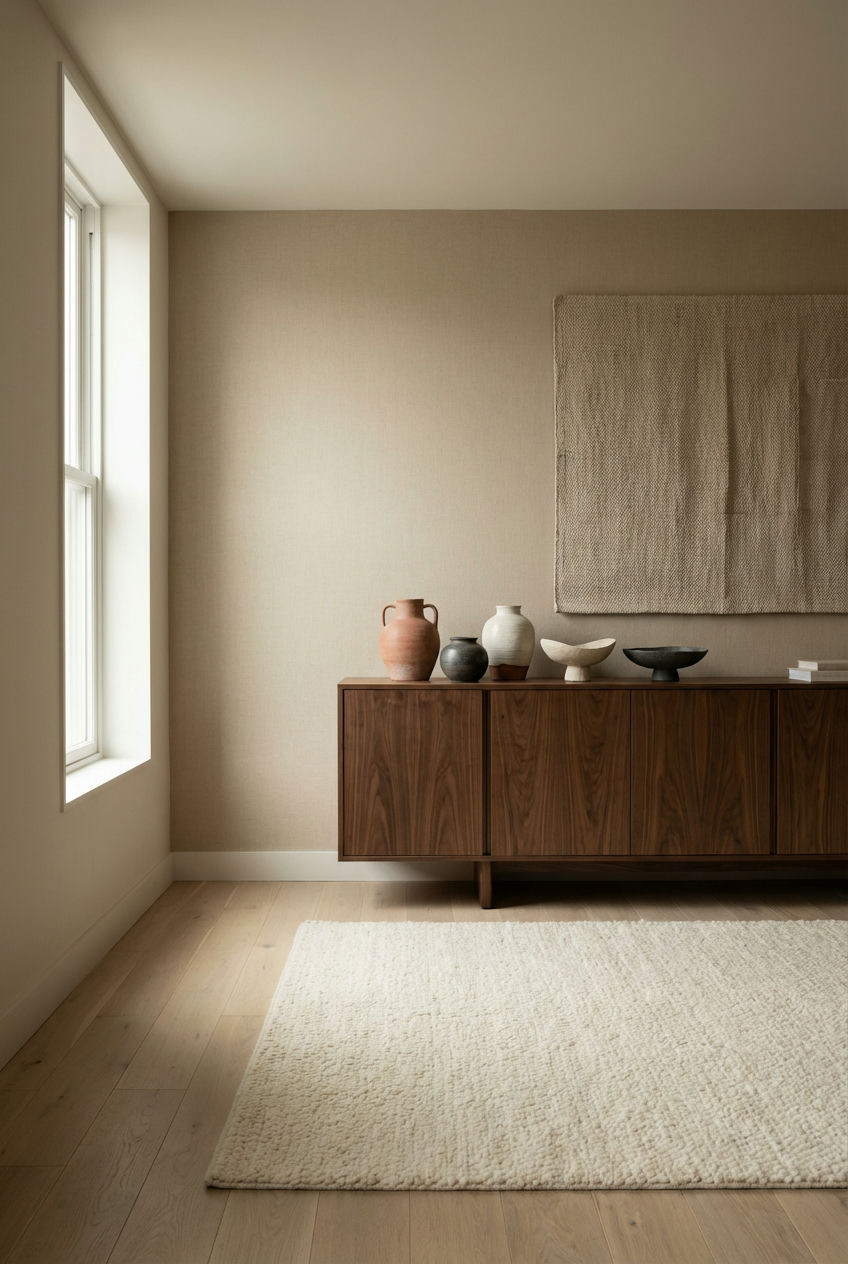
To successfully achieve this look, focus on layering different textures within the same color family. A sleek leather armchair next to a nubby wool rug, or a smooth ceramic vase on a rough-hewn wooden shelf, creates engaging visual contrast. Avoid introducing strong patterns or too many competing colors. The harmony comes from the interplay of subtle differences that invite closer inspection and tactile engagement. This approach transforms a simple space into a sensory experience, proving that minimalism can be incredibly rich. Budget/price angle: While some luxurious materials can be pricey, investing in one or two high-quality pieces can elevate an entire room, making it feel more expensive than it is.
9. Thoughtful Window Treatments
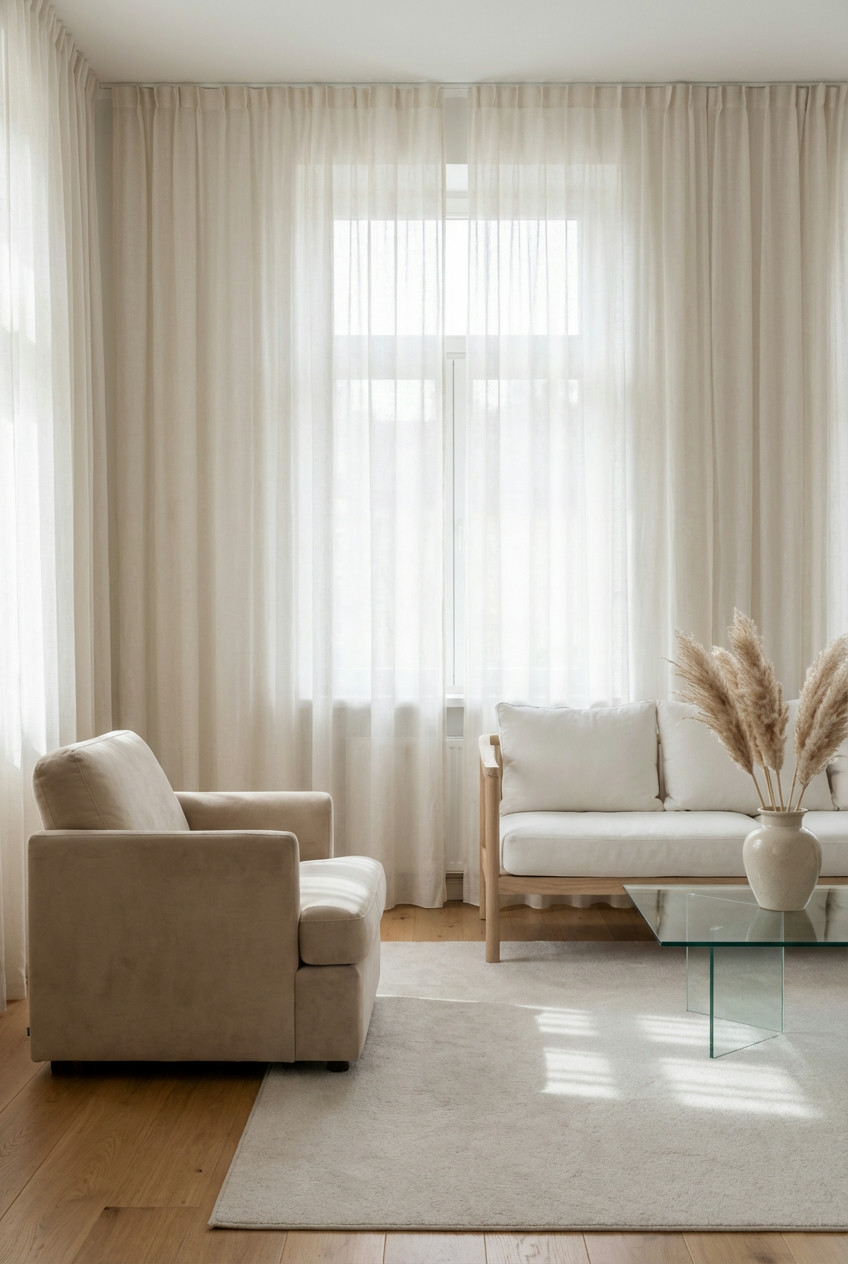
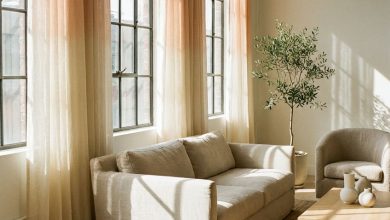
In minimalist living rooms of 2026, window treatments are less about elaborate embellishment and more about functionality, light control, and seamless integration. Sheer linen drapes that softly filter natural light, discreet roller blinds that disappear when open, or elegant cellular shades that offer both privacy and insulation are preferred. The goal is to enhance the flow of light and maintain unobstructed views, rather than drawing attention to the windows themselves. Opt for materials in natural fibers and neutral tones that harmonize with the room’s palette, ensuring they contribute to the overall serene atmosphere without creating visual clutter.
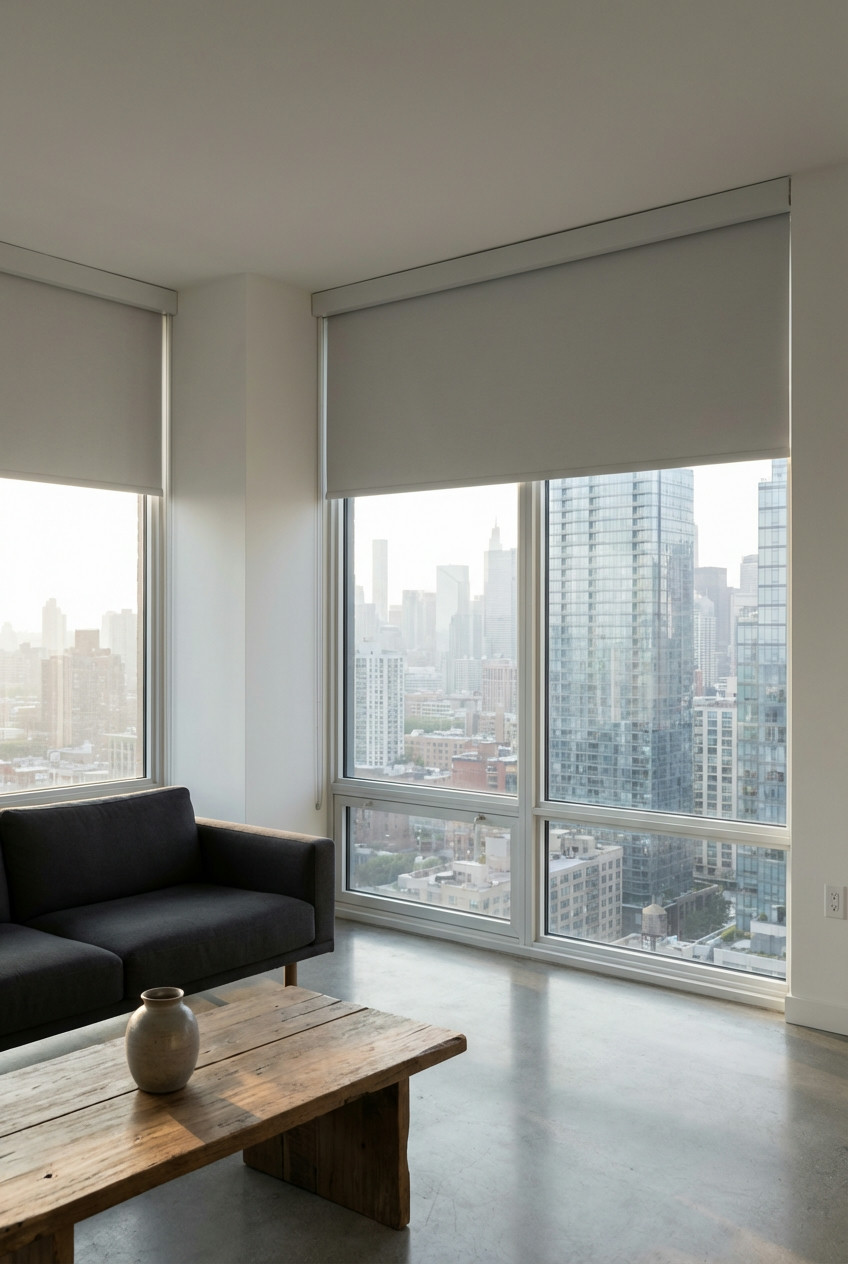
Consider the practical needs of your specific space. Do you require full blackout capabilities for media viewing, or just privacy from neighbors? Motorized options can be particularly appealing for their convenience and streamlined appearance, eliminating cords and providing effortless control. When curtains are used, ensure they extend floor-to-ceiling and wider than the window frame, creating a perceived expansive wall of fabric that feels luxurious, even if understated. This thoughtful approach ensures your windows enhance, rather than detract from, the simplified elegance of your living room. Practical insight: Always consider how your window treatments look from the outside of your home as well, contributing to overall curb appeal.
10. Purposeful Pops of Color
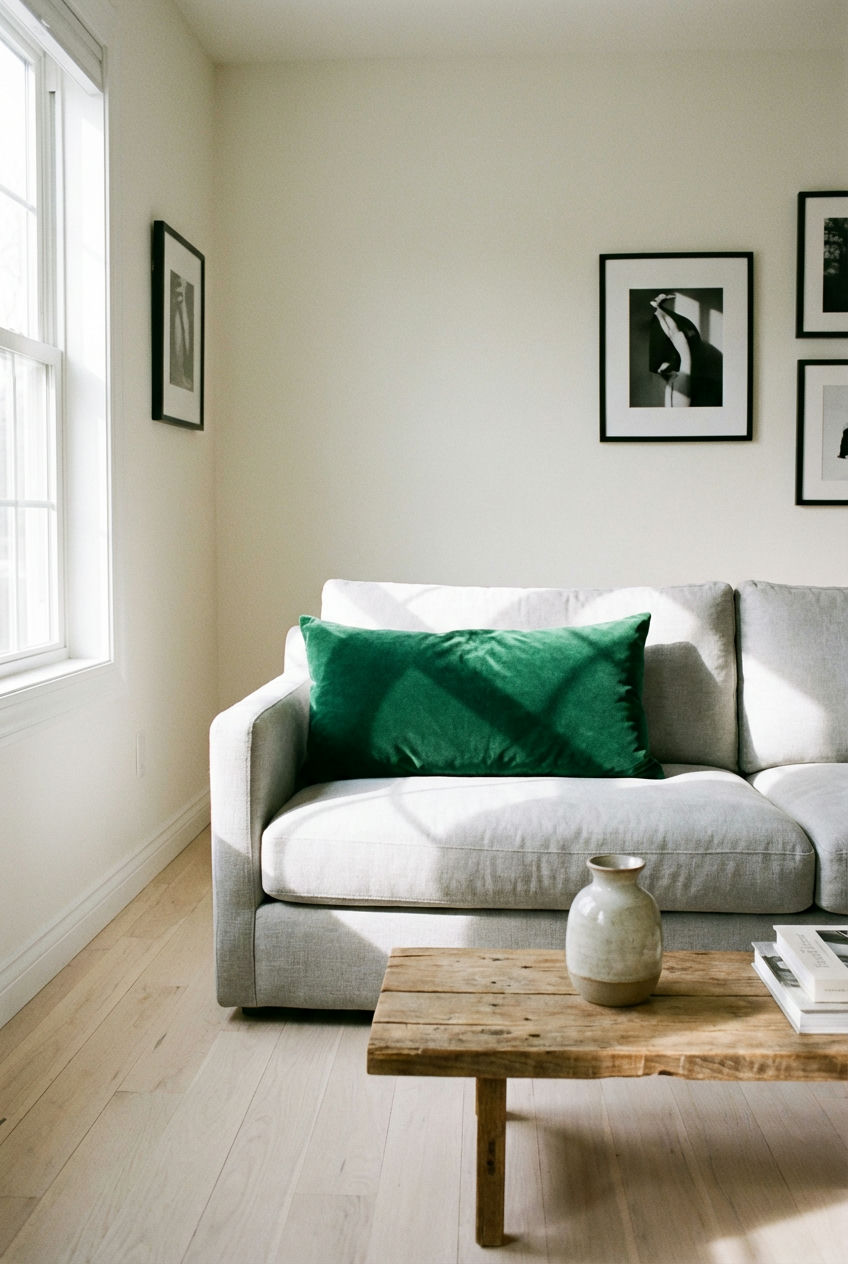
While minimalist living rooms primarily rely on neutral backdrops, 2026 sees a sophisticated shift towards purposeful, restrained pops of color. Rather than scattering many colorful items, choose one or two objects – perhaps a vibrant cushion, a bold piece of art, or a striking ceramic vase – to introduce a concentrated burst of saturation. These carefully selected focal points draw the eye and inject personality without overwhelming the calm aesthetic. The key is intentionality: each colorful item earns its place, contributing a dynamic energy that feels fresh and modern, preventing the neutral space from falling flat or feeling monotonous.
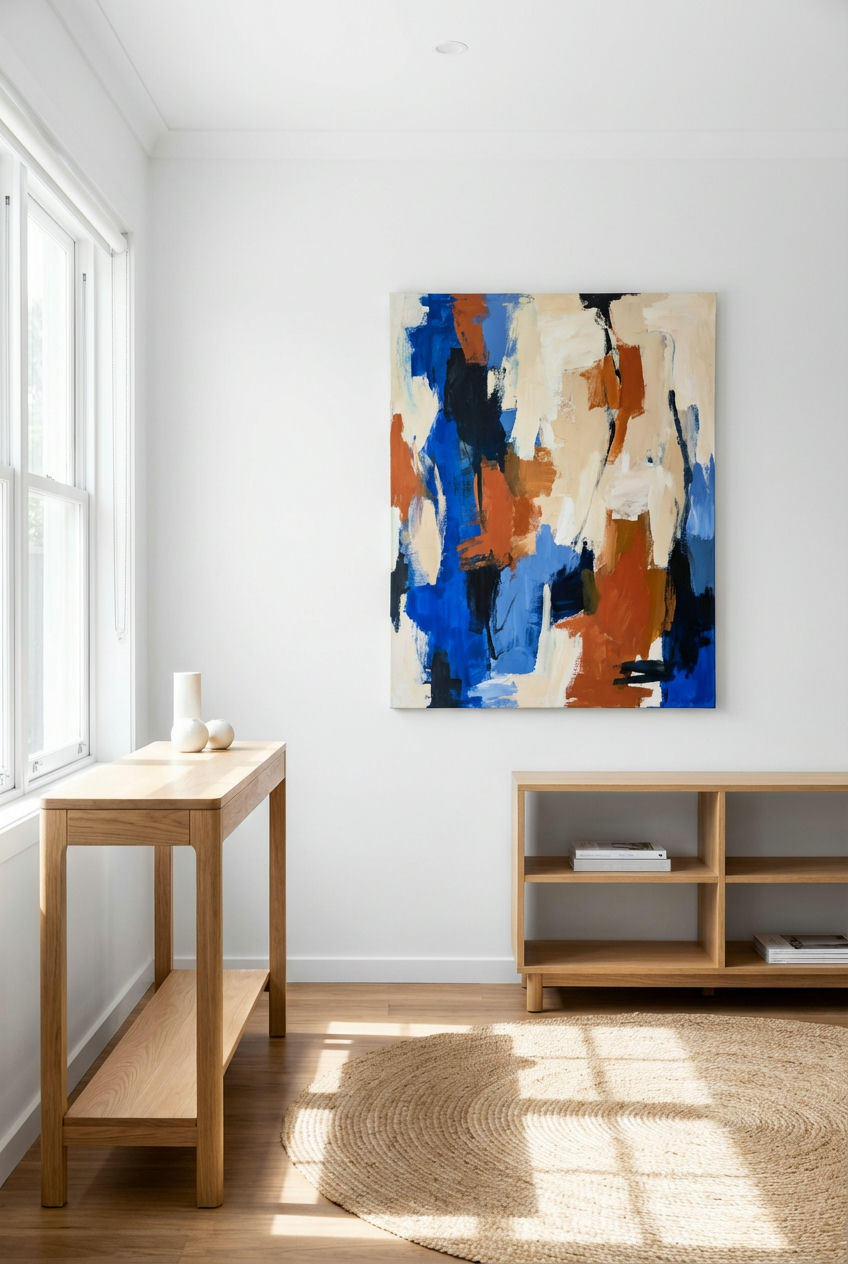
When selecting your color accents, consider complementary colors to your neutrals or a shade that reflects something in an adjacent room to maintain flow. The impact of a single, well-chosen color is far greater in a minimalist setting than if it were surrounded by a cacophony of hues; it allows the color to truly be appreciated. This careful approach prevents the introduction of “visual noise” while still enabling self-expression. Where it works best: This strategy works exceptionally well in spaces that otherwise lean heavily into whites, grays, and natural wood, as the contrast makes the pop of color even more impactful and uplifting.
11. Biophilic Design Elements
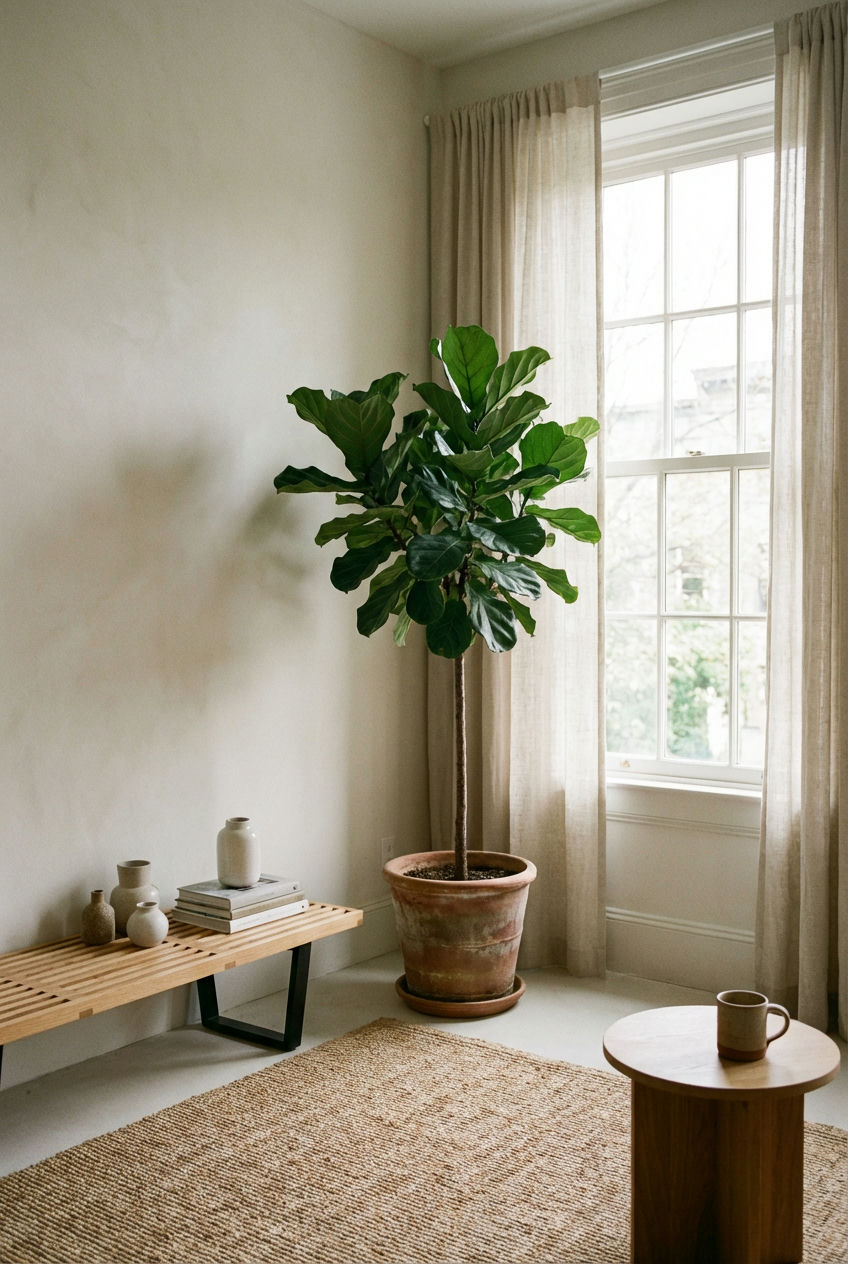
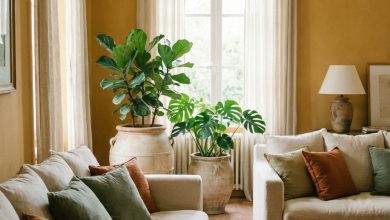
Integrating biophilic design – the innate human tendency to connect with nature – into minimalist living rooms is a defining characteristic of 2026. This goes beyond just adding a houseplant; it involves incorporating elements like natural wood, stone, and an abundance of lush indoor plants in varying sizes and textures. The aim is to create a calming, restorative environment that fosters well-being and enhances air quality, all while maintaining a streamlined aesthetic. The clean lines of minimalism provide the perfect backdrop for nature’s organic forms, allowing them to truly stand out and bring life into the space.
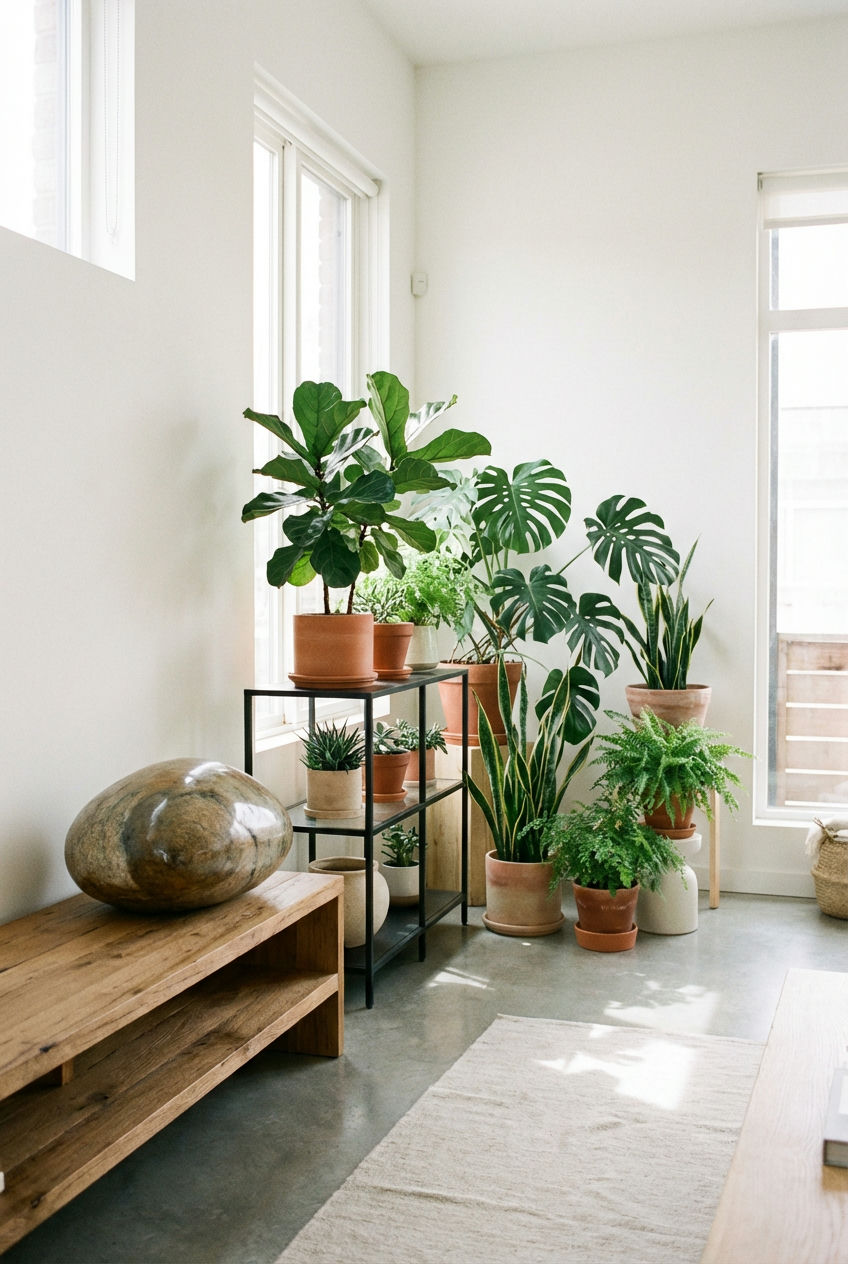
When selecting plants, opt for varieties that thrive indoors and are easy to care for, ensuring they remain vibrant and healthy. Choose simple, understated planters that complement your overall design rather than competing with it. Additionally, consider incorporating natural light as much as possible, as it is a crucial component of biophilic design. Large windows or strategically placed mirrors can magnify its effect. This focus on natural elements not only creates visual interest but also contributes to a healthier indoor environment, aligning perfectly with the minimalist ethos of conscious living. Real homeowner behavior: During the pandemic, many homeowners discovered the joy and therapeutic benefits of caring for indoor plants, solidifying their place in modern minimalist homes.
12. Unadorned Fireplaces
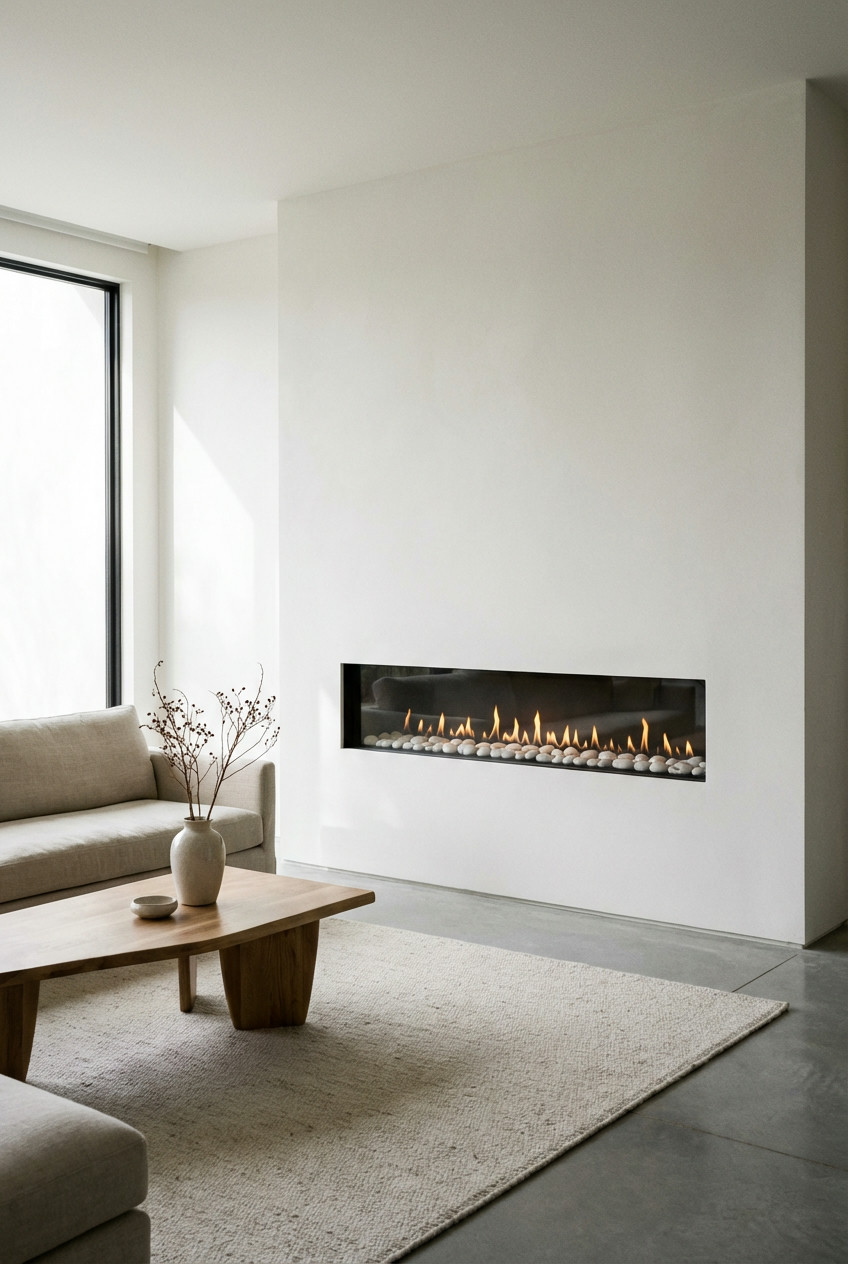
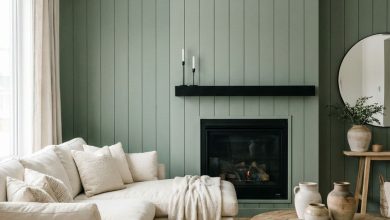
In minimalist living rooms of 2026, the fireplace reinvents itself as a sleek, unadorned architectural feature rather than a heavily decorated mantelpiece. Think flush-mounted gas fireplaces, clean-lined electric inserts, or subtly plastered surrounds that blend seamlessly into the wall. The focus is on the warmth and ambiance the fire provides, stripped of excessive ornamentation. This approach allows the fire to become a captivating focal point without creating visual clutter, perfectly balancing coziness with contemporary aesthetics. The absence of traditional mantels means there’s no temptation to accumulate decorative objects, preserving the clean and serene nature of the space.
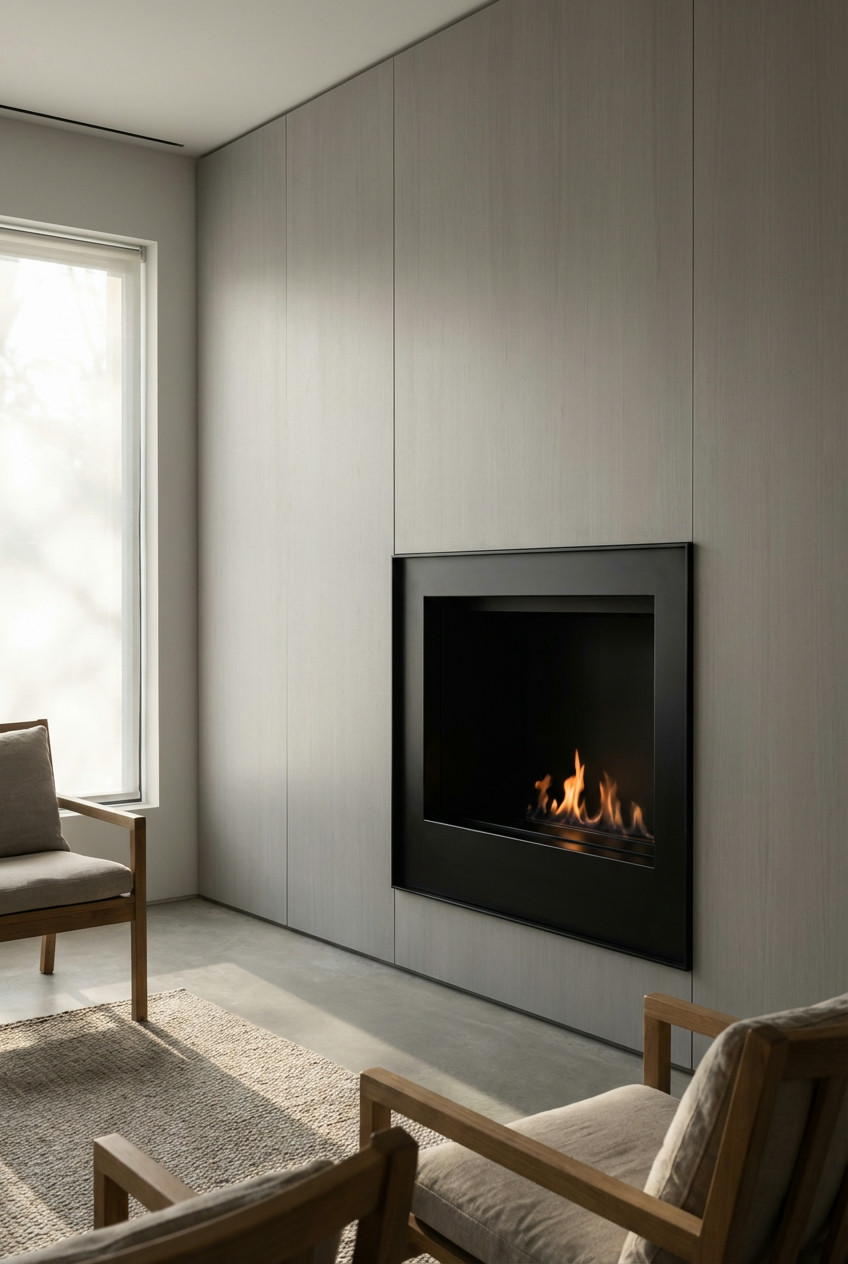
To enhance this look, ensure the area around the fireplace remains uncluttered. Consider a single, large piece of art or a statement mirror above it, or simply leave the wall bare to emphasize the architectural quality of the fireplace itself. Opt for materials like concrete, microcement, or smooth plaster for the surround, which offer subtle texture without busyness. This design choice highlights the essence of warmth and gathering without the visual weight of traditional fireplace treatments. Expert-style commentary: “An unadorned fireplace proves that sometimes, the architectural element itself is the design statement, requiring no further adornment to captivate.”
13. Low-Profile Furniture
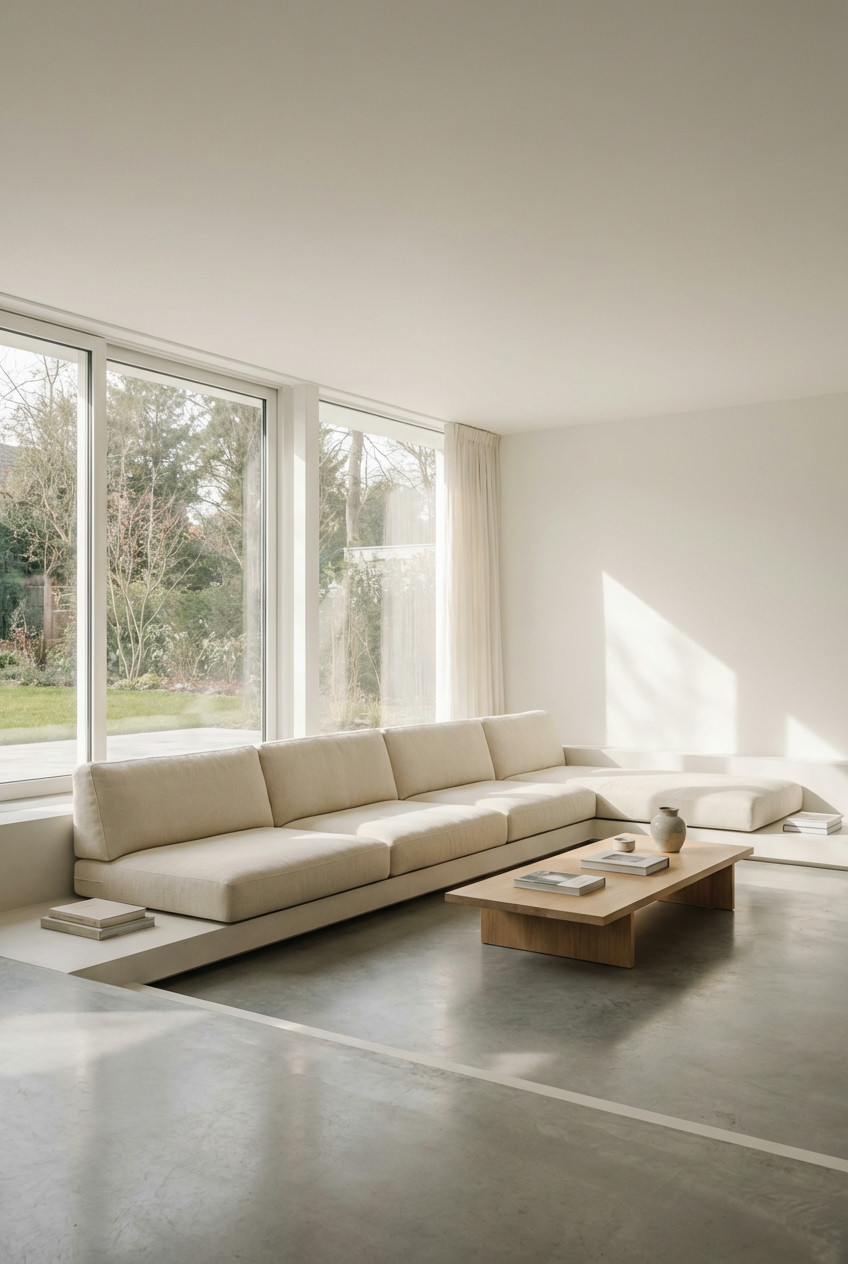
Creating an illusion of spaciousness is a cornerstone of minimalist living rooms, and in 2026, low-profile furniture is a key player in achieving this. Sofas, coffee tables, and console units that sit close to the ground draw the eye horizontally, emphasizing the room’s width and allowing more wall space to remain open. This not only makes the room feel larger but also contributes to a sense of calm and groundedness, inviting relaxation. The reduced visual height of the furniture creates an expansive feeling, as if the room itself has higher ceilings and more open air, even in more compact spaces. This design choice is both practical and perceptually impactful.
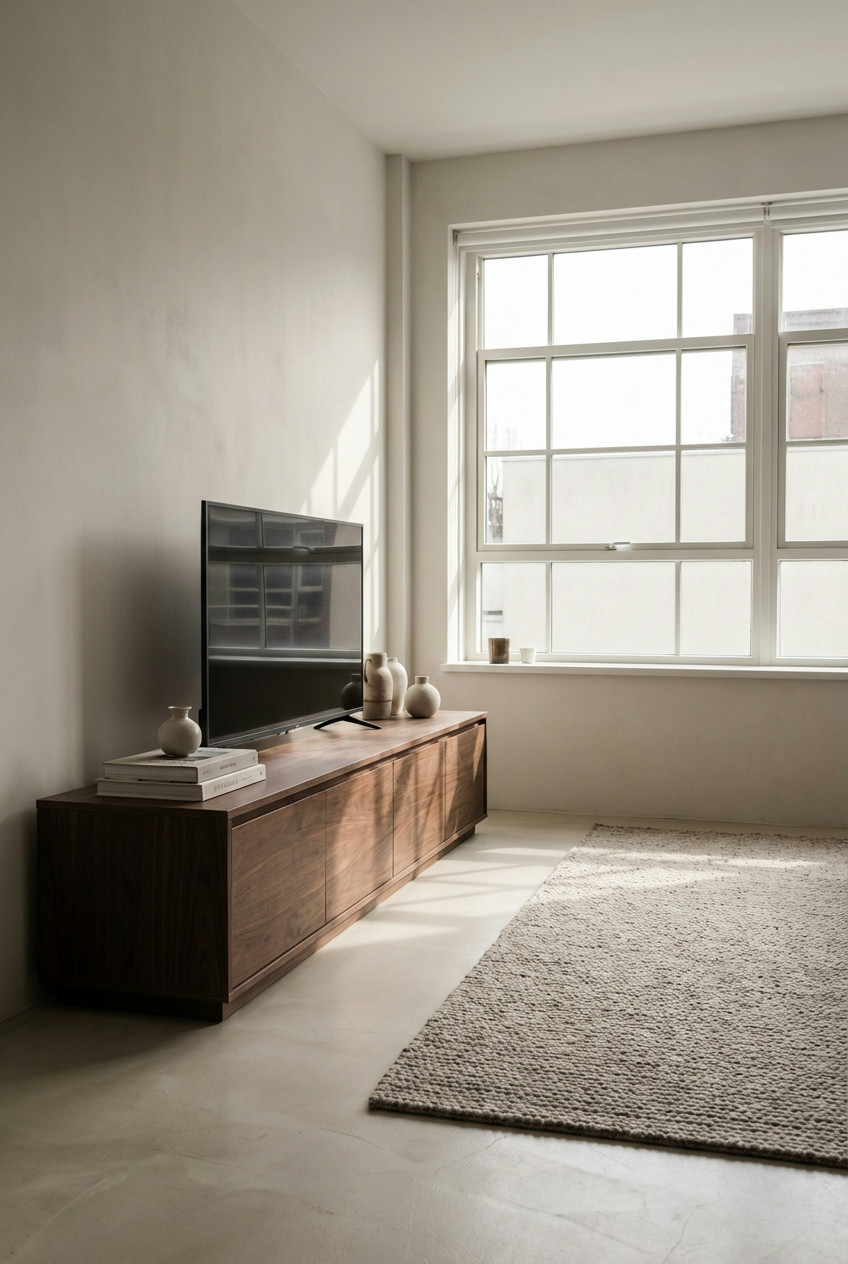
When incorporating low-profile furniture, consider the scale of other elements in your room. A low sofa pairs beautifully with a low coffee table, but might look disparate next to very tall shelving units. Maintain a consistent aesthetic to ensure harmony. This style also encourages a more informal, relaxed posture, adding to the comfort of the space. It’s an ideal choice for homeowners who want their living room to feel expansive and utterly uncluttered, allowing them to fully unwind. Practical insight: Ensure the height is comfortable for you and your guests to easily get in and out of; some low furniture can be too extreme for everyday ease.
14. Monochromatic Layering
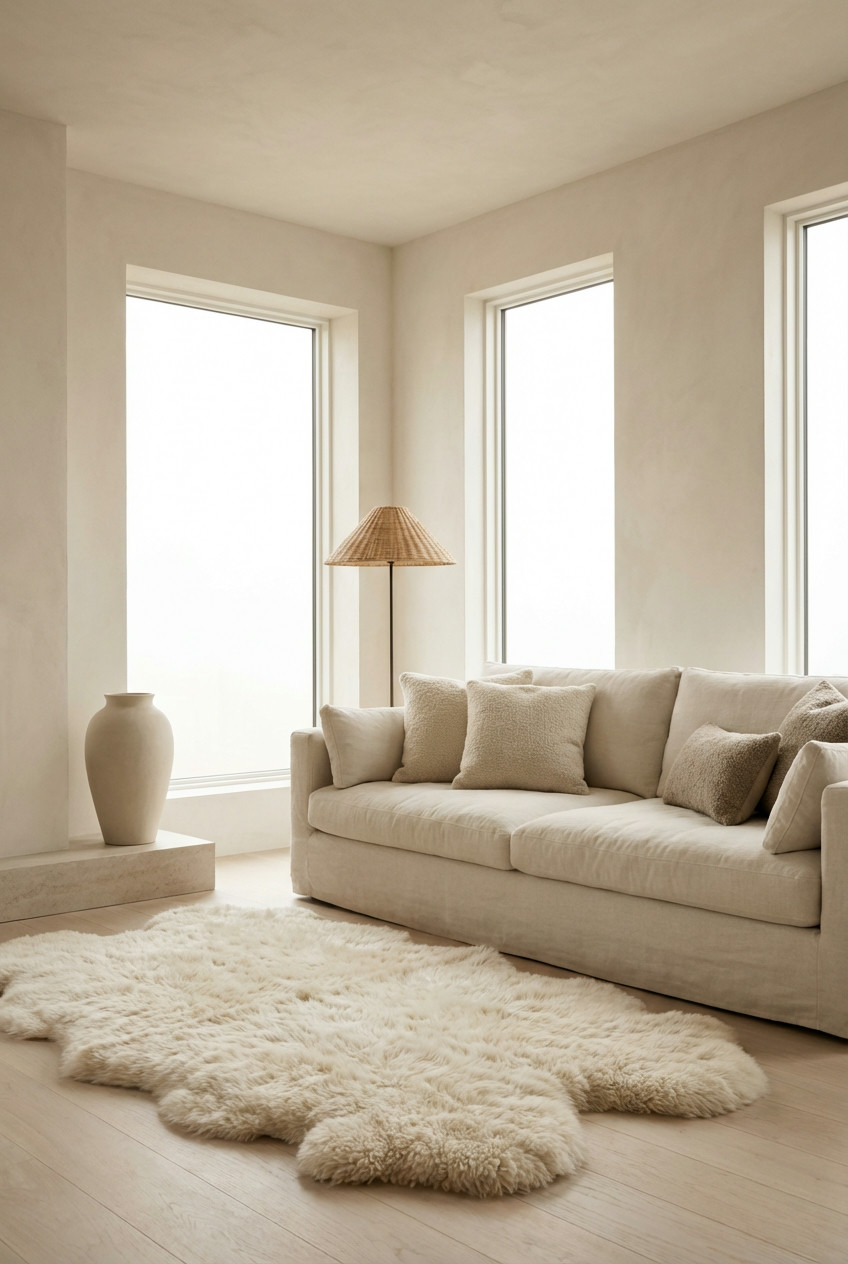
For minimalist interiors that exude sophistication without relying on bold colors, monochromatic layering is a powerful trend in 2026. This involves using varying shades and tints of a single color – often white, beige, or gray – combined with diverse textures to create depth and visual interest. Imagine a living room entirely in off-white: a creamy sofa, a stark white rug, pearl-gray throw pillows, and light oak floors. The subtle variations in tone and the interplay of different materials (smooth, textured, shiny, matte) prevent the space from feeling flat, instead creating a rich, tranquil, and deeply harmonious environment. This approach is highly effective in making a space feel larger and incredibly serene.
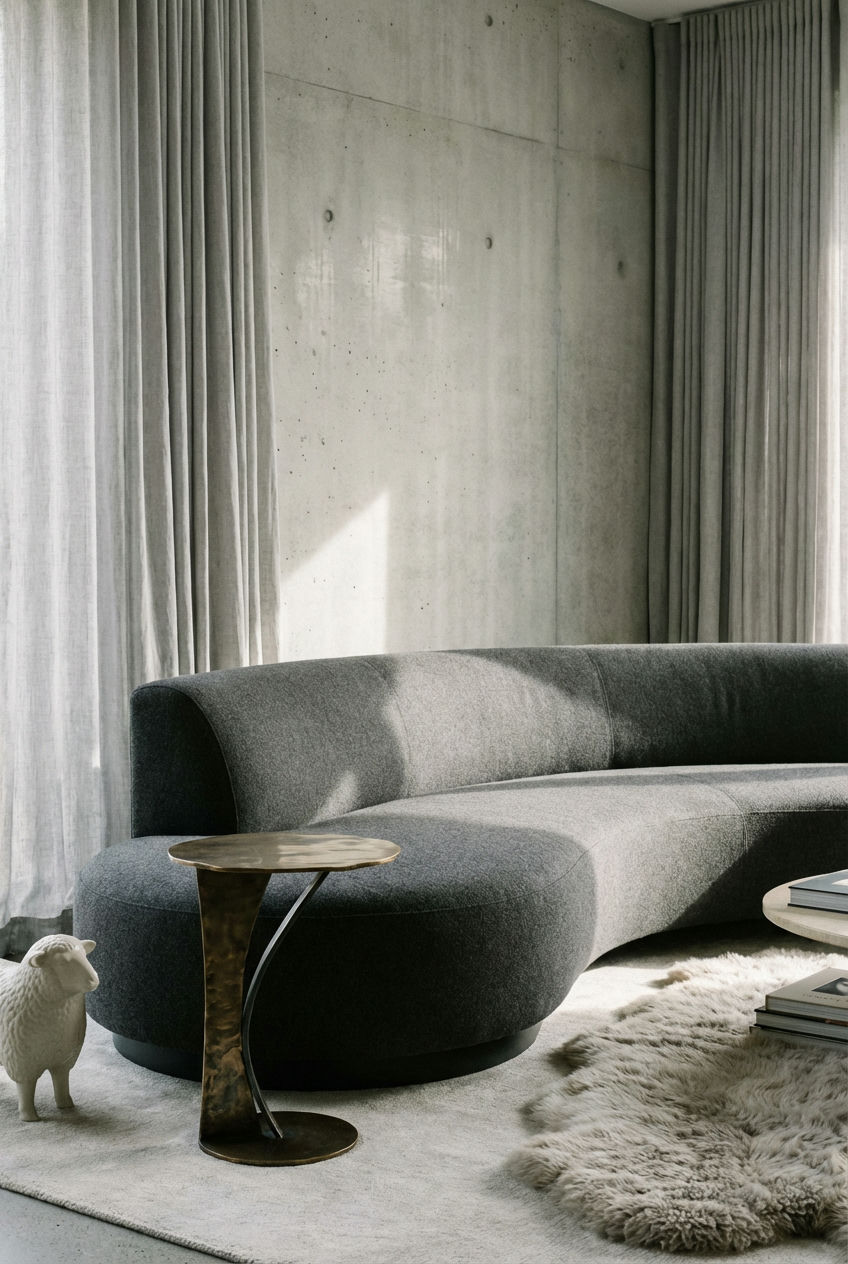
The success of monochromatic layering lies in the meticulous selection of textures. Introduce elements like velvet, linen, jute, wool, polished stone, and brushed metal to add character and prevent monotony. The goal is to create a sense of understated luxury where the quality of materials speaks for itself. This design strategy also allows for easy refreshes; simply swap out a few accessories or bring in a new textured throw to subtly alter the room’s feel without a complete overhaul. An American lifestyle or regional context: This tranquil style is increasingly popular in homes across regions like the Pacific Northwest, where the often muted outdoor light complements an indoor palette of soft, diffused tones.
15. The Barewall Movement
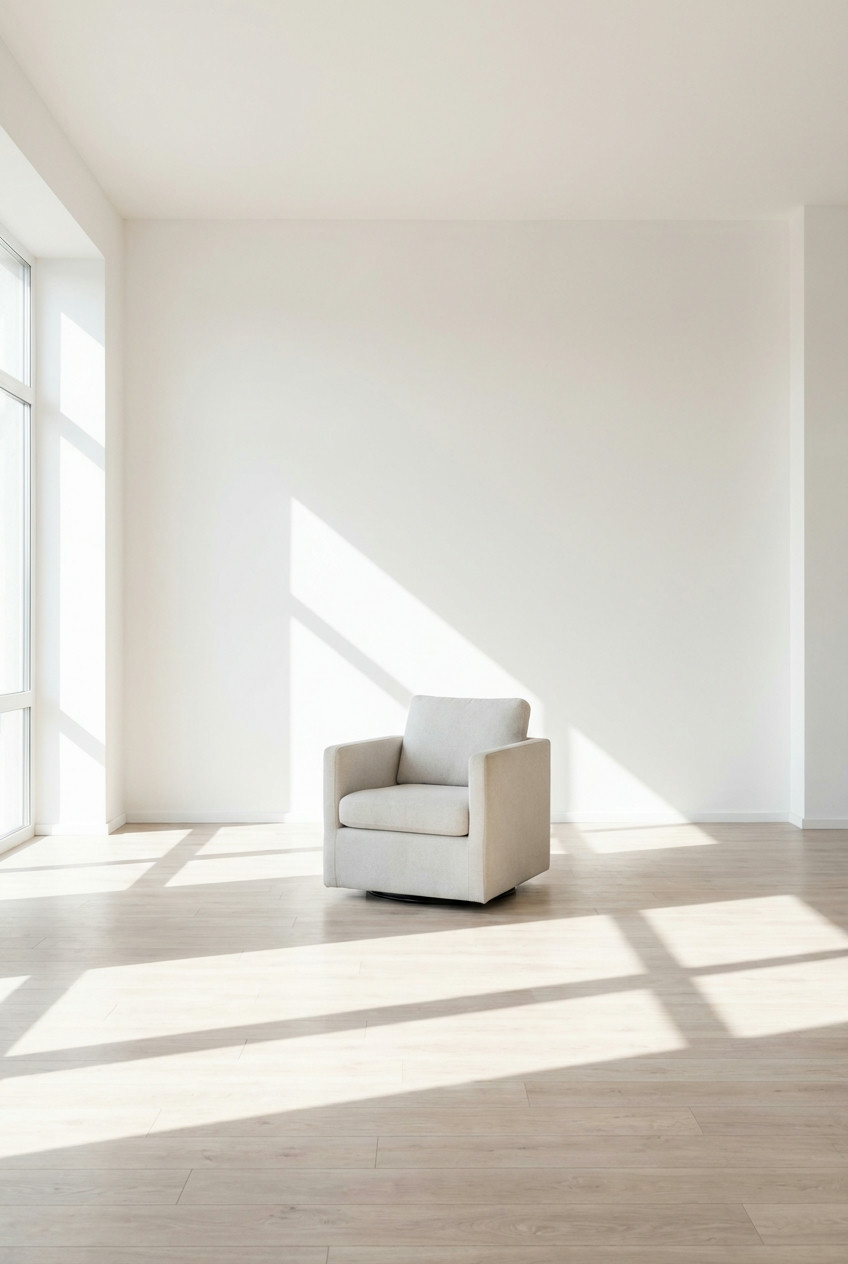
In a bold move for minimalist living rooms, 2026 sees the “bare wall” movement gaining traction. This doesn’t mean neglecting your walls; rather, it’s about intentionally choosing to leave large expanses unadorned, allowing the architecture, natural light, and carefully selected furniture to speak for themselves. Instead of filling every wall with art, one or two walls might remain completely empty, creating a powerful sense of calm and expansiveness. This strategy emphasizes breathing room and encourages the eye to focus on the quality of the space itself, rather than individual decor items. It’s a confident statement of serene simplicity, transforming emptiness into an intentional design element.
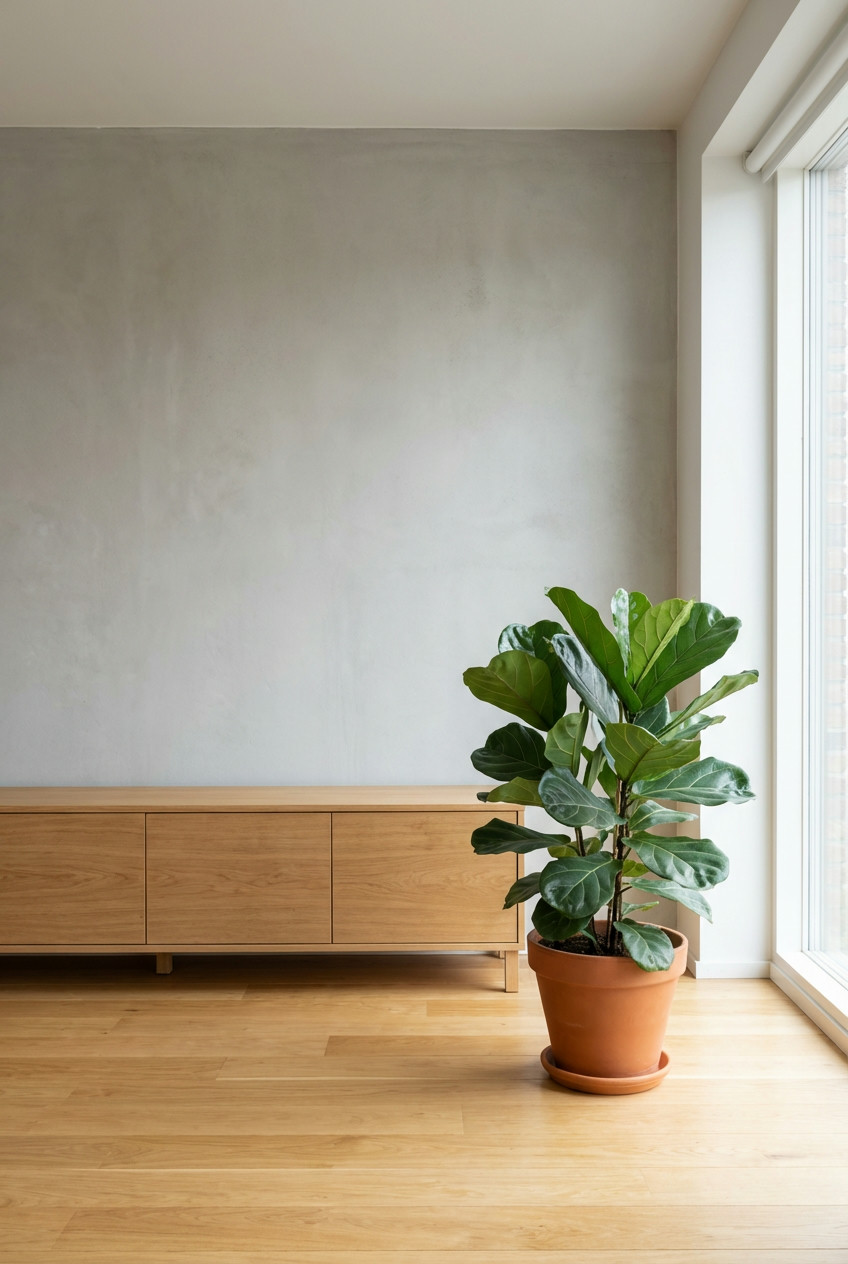
To successfully embrace the bare wall movement, ensure your walls are well-maintained, with smooth finishes and a fresh coat of paint. The quality of the surface itself becomes a feature. Focus on the interplay of light and shadow on these blank canvases, as they change throughout the day. When art is used, ensure it’s singular and impactful, appearing even more significant against the expanse of an otherwise empty wall. This approach requires courage but delivers an unparalleled sense of peace and clarity. Common mistakes and how to avoid them: Don’t let bare walls equal boring walls; ensure the simplicity is intentional and supported by other compelling elements in the room.
16. Japandi Harmony
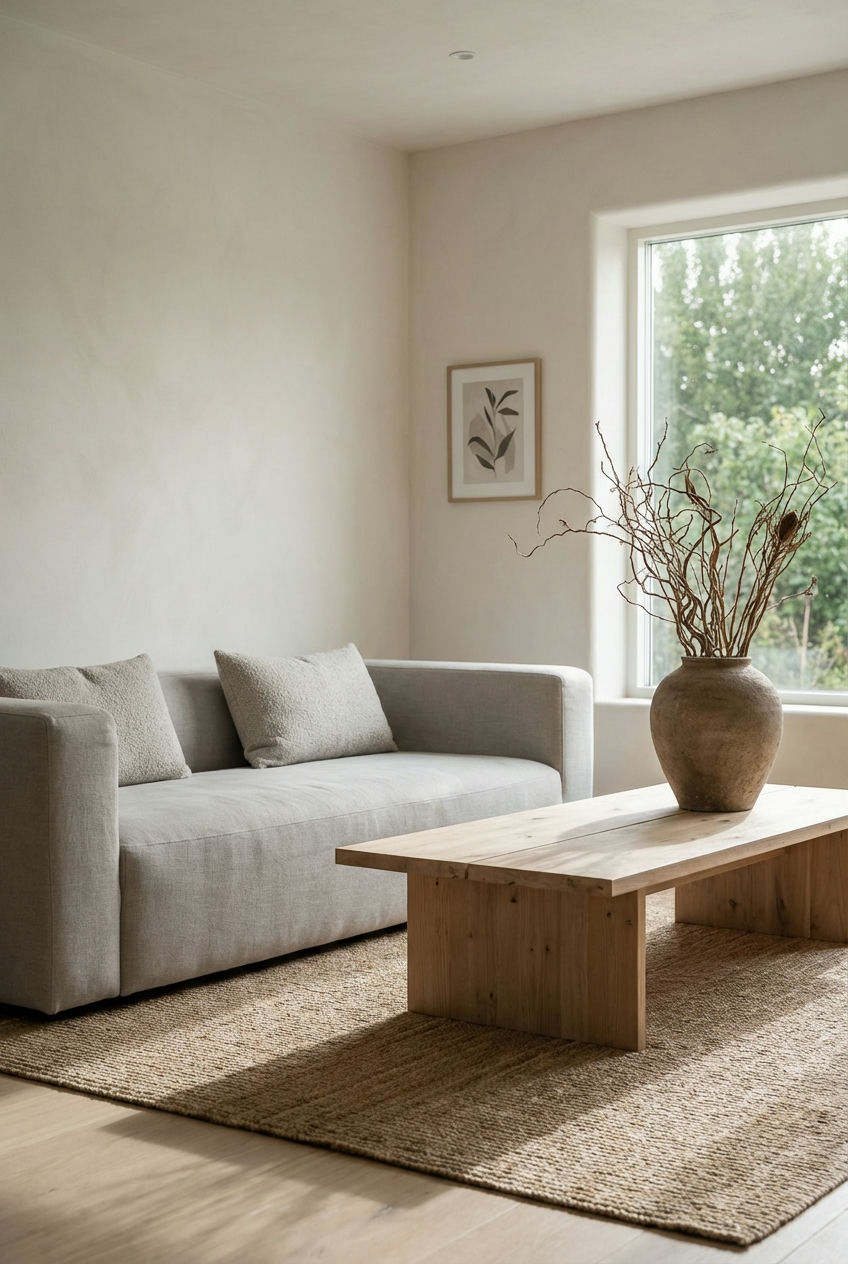
The enduring appeal of Japandi, a fusion of Japanese minimalism and Scandinavian warmth, continues to define elegant minimalist living rooms in 2026. This aesthetic emphasizes natural materials like light woods, bamboo, and ceramics, combined with a muted color palette of off-whites, grays, and soft blues or greens. Functionality, craftsmanship, and a deep respect for simplicity are at its core. Furniture often features clean lines and a low profile, promoting a sense of calm and connection to nature. It’s about creating a tranquil space that encourages mindfulness and quiet contemplation, blending the best of both design traditions into a cohesive and inviting living environment.
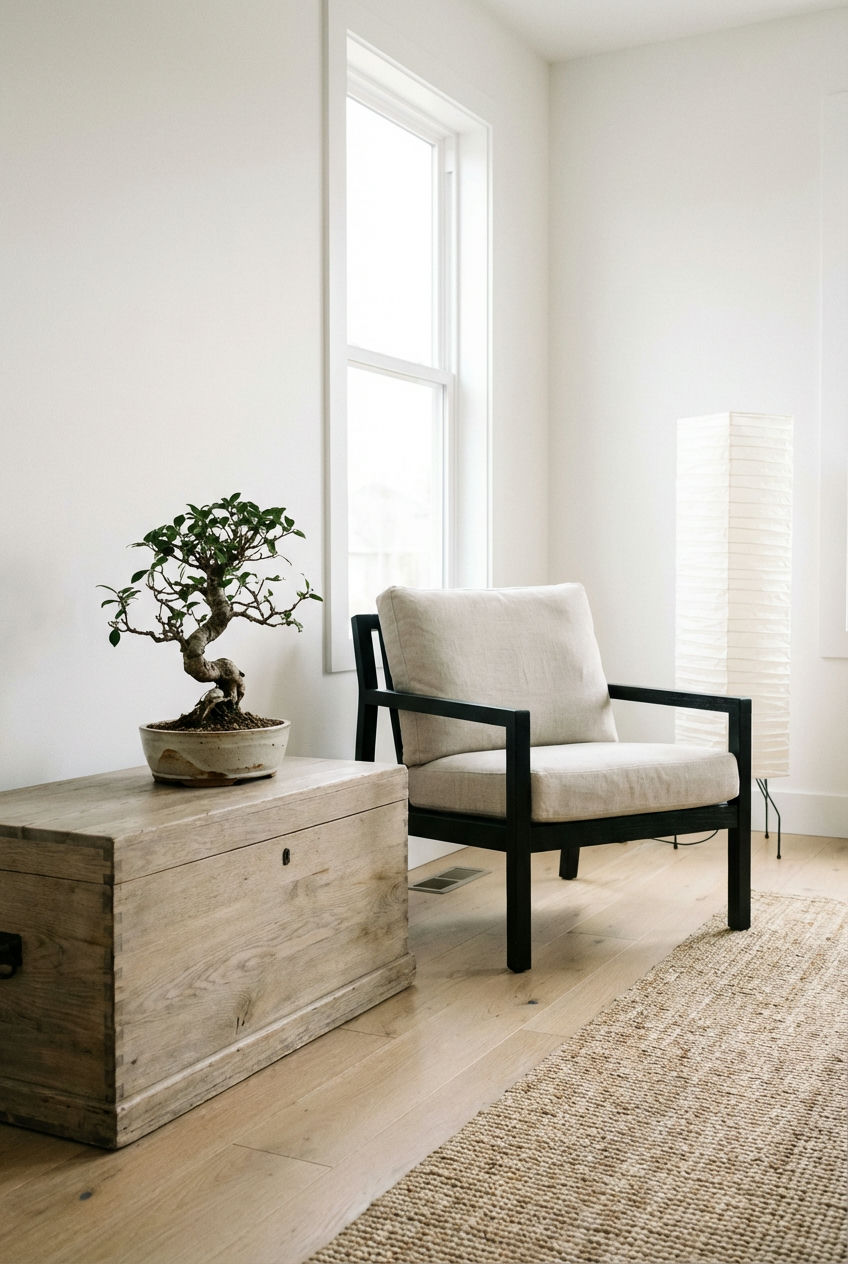
To achieve Japandi harmony, prioritize natural light and open space. Keep decor sparse and intentional, choosing pieces that serve both a practical purpose and bring aesthetic pleasure. Consider handcrafted items that tell a story, reflecting the appreciation for craftsmanship. Incorporate soft textiles like linen or wool for warmth and subtle texture. The philosophy extends to lifestyle: declutter regularly, embrace imperfections, and find beauty in the everyday. This approach to minimalism is about cultivating a mindful way of living within your home, not just a decorative style. Expert-style commentary: “Japandi is more than a trend; it’s a philosophy. It teaches us to appreciate quiet beauty and purposeful living in our most important spaces.”
17. Exposed Structural Elements
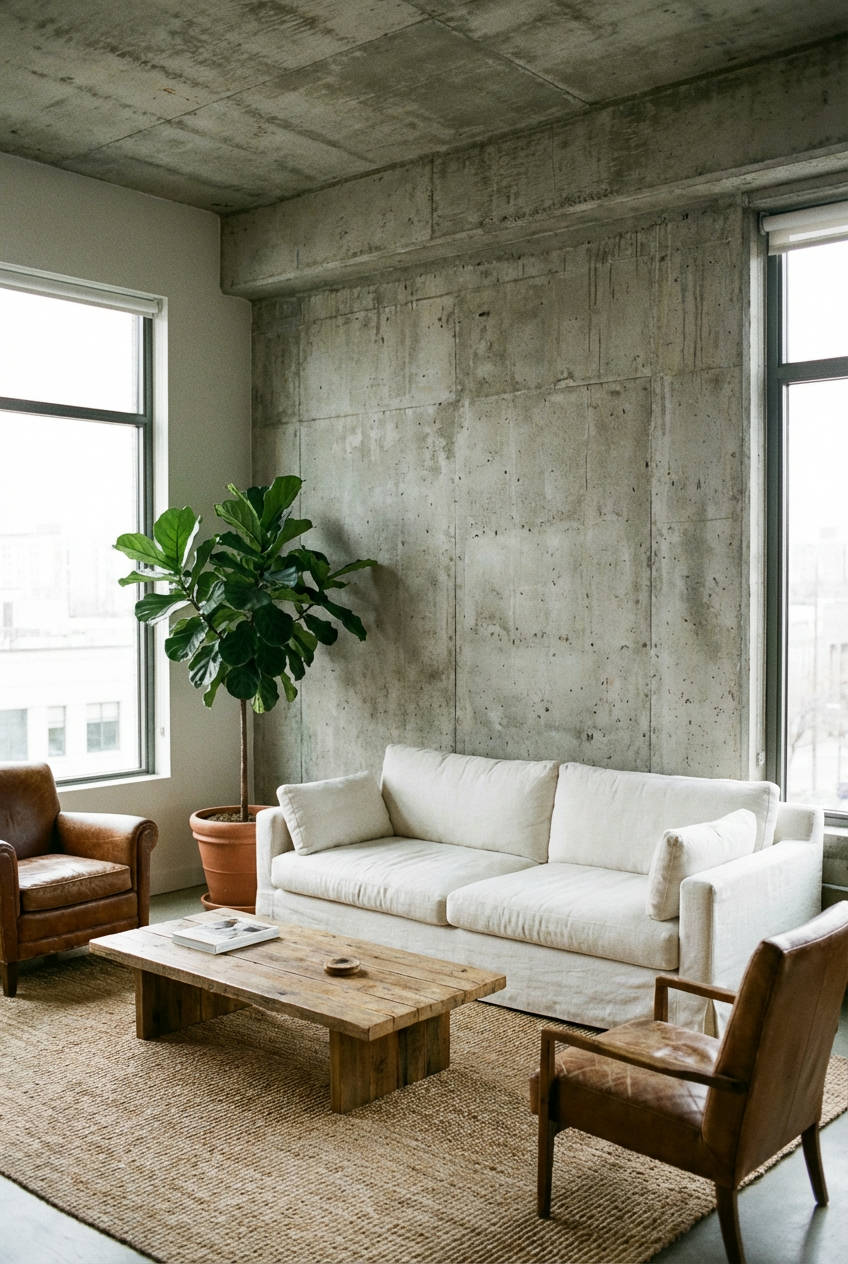
In 2026, minimalist living rooms are embracing honest architecture by exposing structural elements as intentional design features. Think raw concrete walls or ceilings, visible steel beams, or exposed brickwork that were once hidden. This industrial-inspired approach adds character, texture, and a sense of history or stark modernity to a minimalist space, creating a compelling contrast with refined furnishings. It’s about celebrating the inherent beauty of a building’s bones, allowing these raw elements to provide visual interest without needing additional decoration. This trend speaks to a desire for authenticity and an appreciation for the structural art of a home.
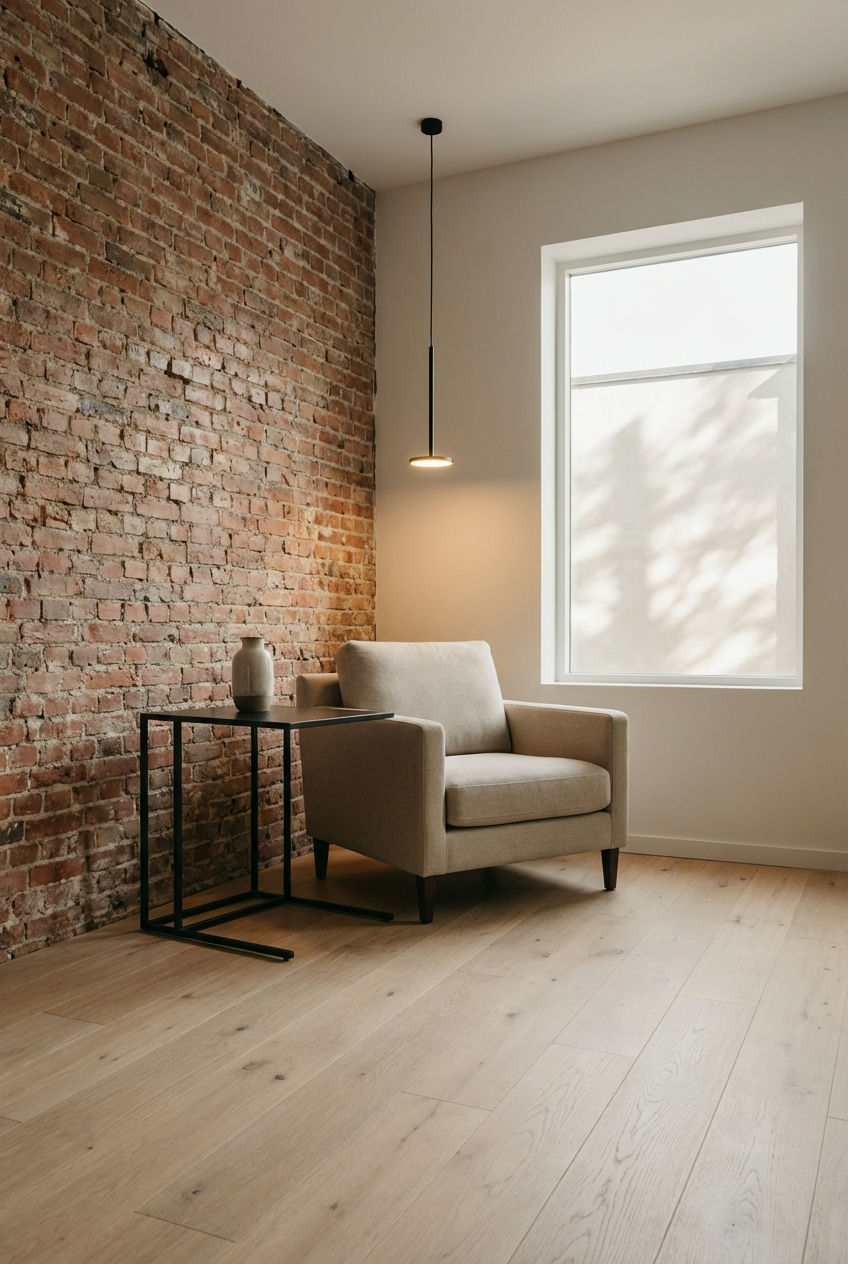
When incorporating exposed structural elements, ensure they are well-maintained and complement the overall color scheme. Polished concrete can feel luxurious, while a well-sealed brick wall adds warmth. Balance these raw textures with soft furnishings, plush rugs, and warm lighting to prevent the space from feeling cold or unfinished. This juxtaposition creates a dynamic and sophisticated environment that’s both raw and refined. A micro anecdote: My cousin Mark, after tearing down drywall during a renovation, decided to keep a section of exposed brick; it instantly transformed his generic living room into a space with unique character.
18. Hidden Technology
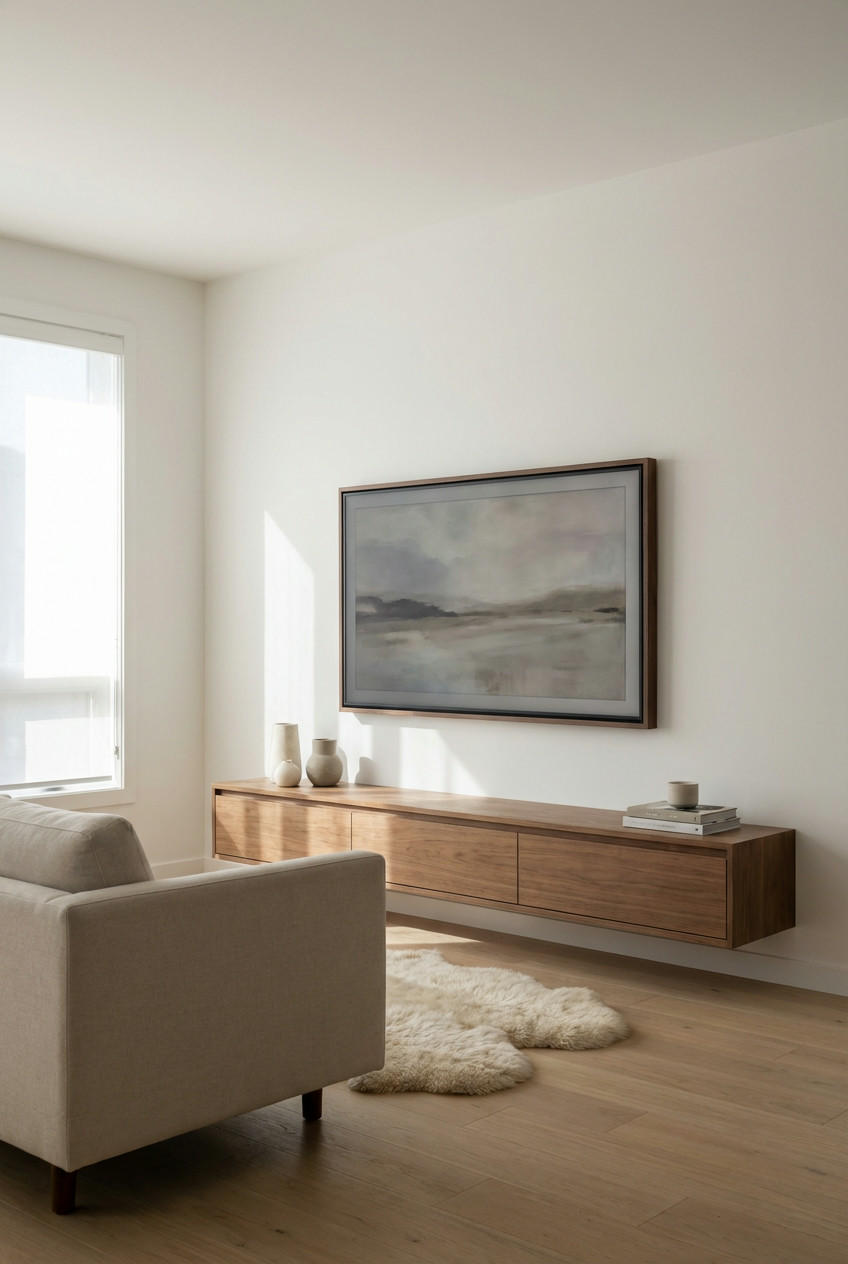
For minimalist living rooms in 2026, technology is essential but often invisible. The aim is to integrate smart home devices and entertainment systems so seamlessly that they disappear when not in use. This means wall-mounted TVs that look like art when off, speakers hidden within drywall or furniture, and charging stations concealed within drawers or side tables. The goal is to avoid the visual clutter of wires, remotes, and black boxes, maintaining a clean and serene aesthetic. Every technological element serves a purpose without dominating the interior design, allowing the room’s calm atmosphere to prevail.
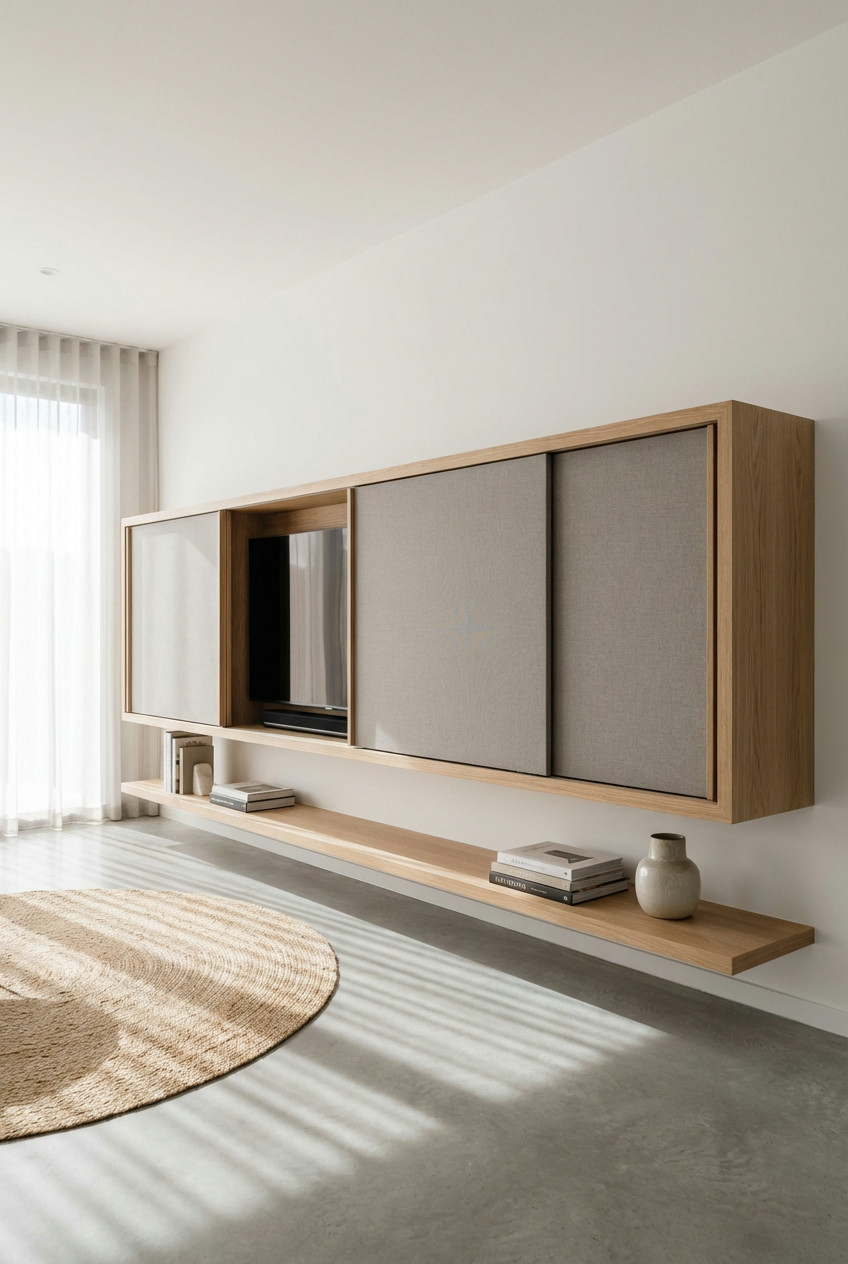
Planning for hidden technology requires foresight during the design or renovation phase. Consider running conduits behind walls for wiring, choosing furniture with integrated charge points, and selecting smart devices that minimize their physical footprint. The result is a living room that offers all the conveniences of modern life without any of its visual distractions, truly embodying a sophisticated and functional minimalist approach. This means you get a powerful sound system, smart lighting, and a crisp TV viewing experience without a single cable or device being obvious. Expert-style commentary: “The future of technology in minimalist design is its invisibility. It should enhance life without becoming a visual imposition.”
19. Sculptural Plants and Vases
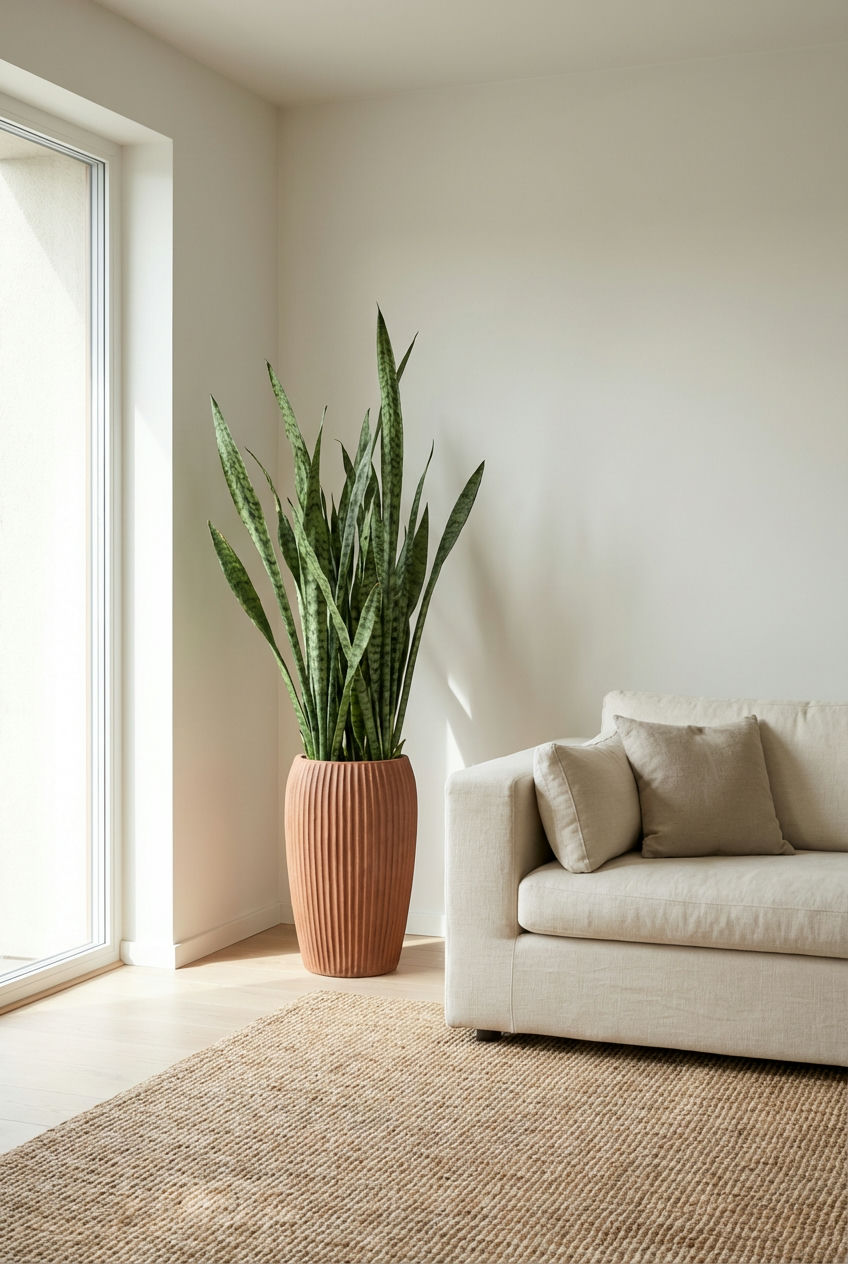
In 2026, plants and vases in minimalist living rooms are chosen not just for their natural beauty but for their sculptural qualities. Instead of many small plants, think about one dramatic, architectural plant like a Snake Plant, a towering Fiddle Leaf Fig, or a graceful Bird of Paradise, placed in an equally striking, minimalist vase. The vase itself becomes an art object, with unique forms, textures, or a handmade artisan quality. This pairing creates a powerful visual statement that brings life and organic form into the space, acting as natural sculptures that infuse warmth and personality without adding clutter.
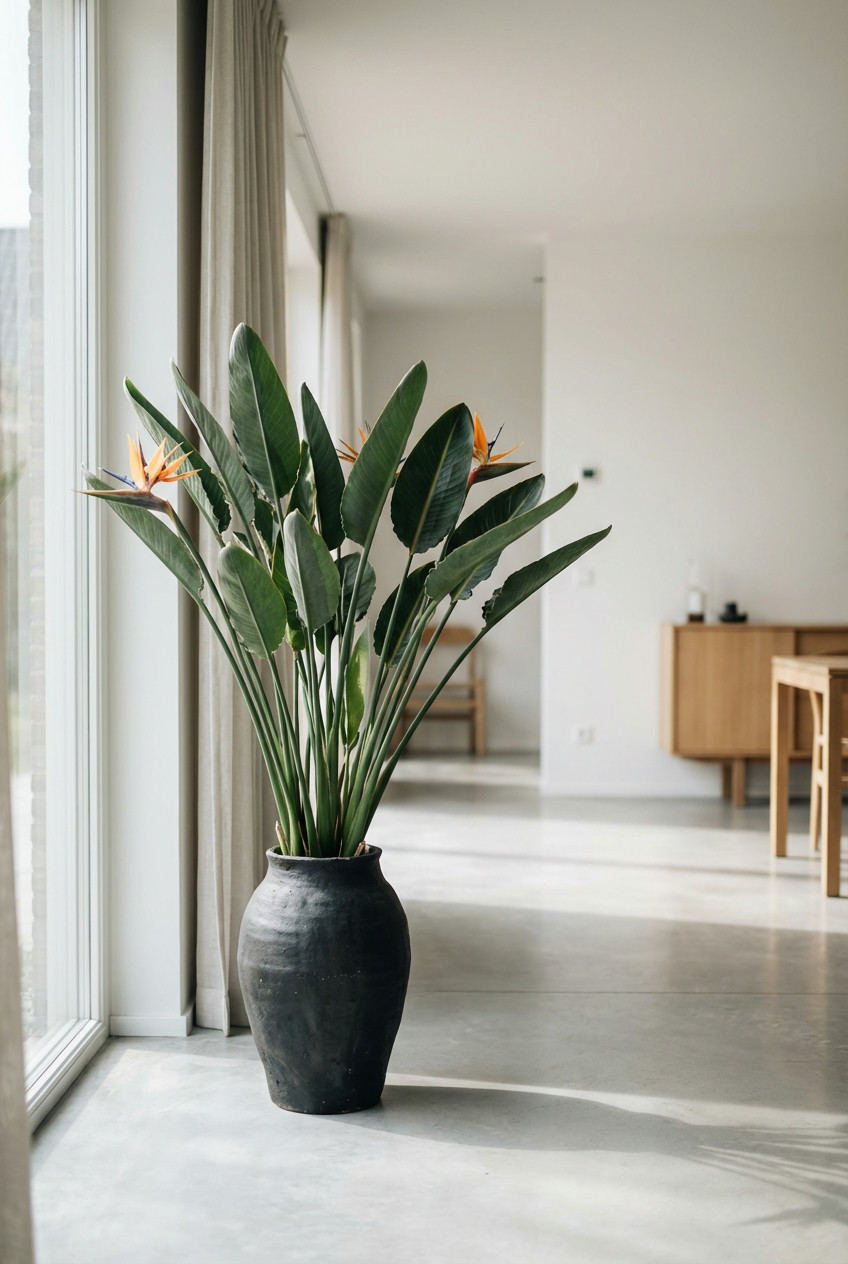
When choosing plants, consider their growth habits and how their shape will evolve over time. For vases, explore materials like unglazed stoneware, matte ceramic, or even clear glass with interesting forms. The goal is to select pieces that offer visual intrigue through their form and texture, fitting seamlessly into the minimalist aesthetic. This approach to greenery elevates plant styling from simple decoration to artful curation, contributing significantly to the calm and sophisticated atmosphere. Where it works best: This strategy is especially effective in open-plan living rooms where a single, impactful focal point can define an area without needing walls.
20. Textural Wall Treatments
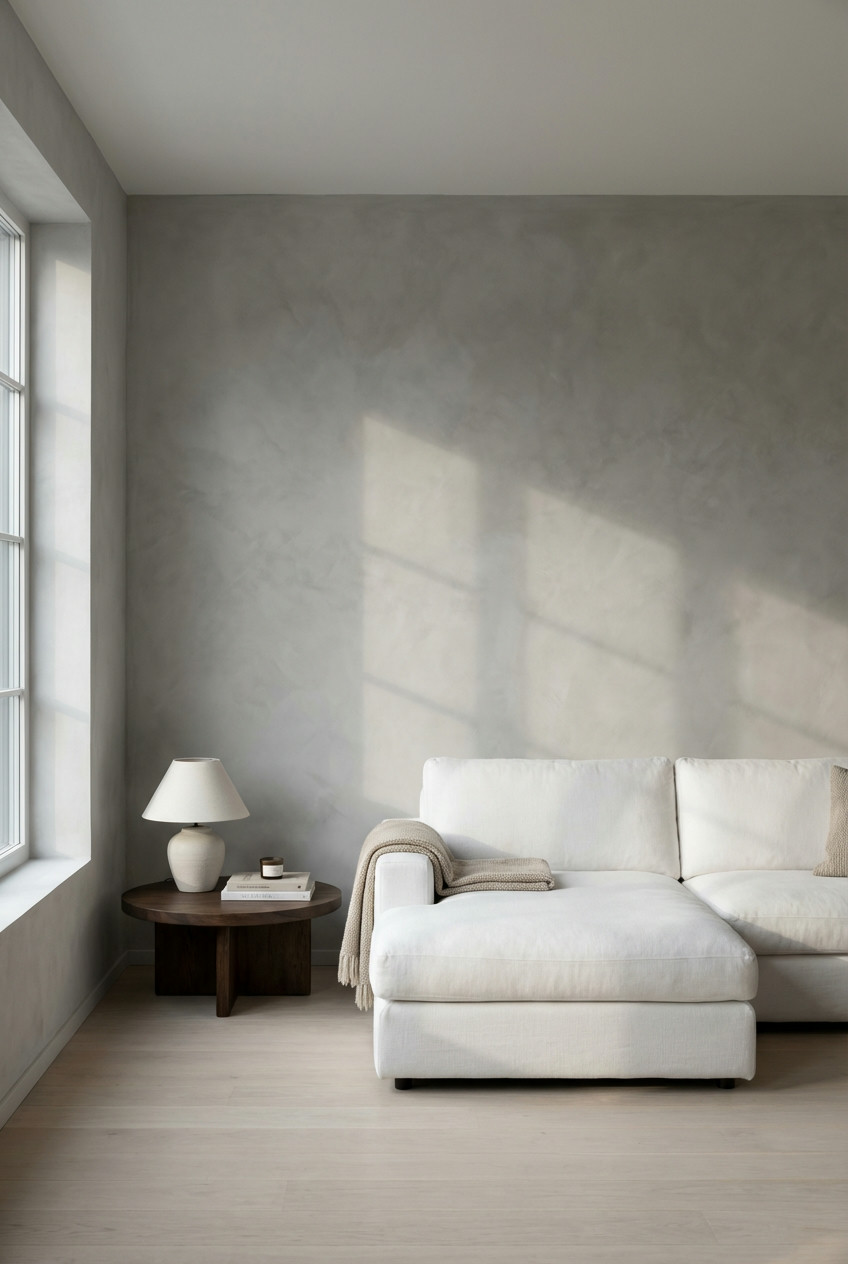
Beyond plain paint, 2026 sees minimalist living rooms embracing subtle textural wall treatments to add depth and interest without clutter. Think limewash or Venetian plaster, which create a soft, mottled effect, or subtle fluted paneling that casts gentle shadows. These finishes introduce a nuanced, tactile quality to the walls, making them a focal point in themselves without needing additional art or decoration. The beauty lies in their understated elegance, providing a sophisticated backdrop that feels both modern and rich. This allows the walls to contribute significantly to the room’s character while maintaining a perfectly clean aesthetic.
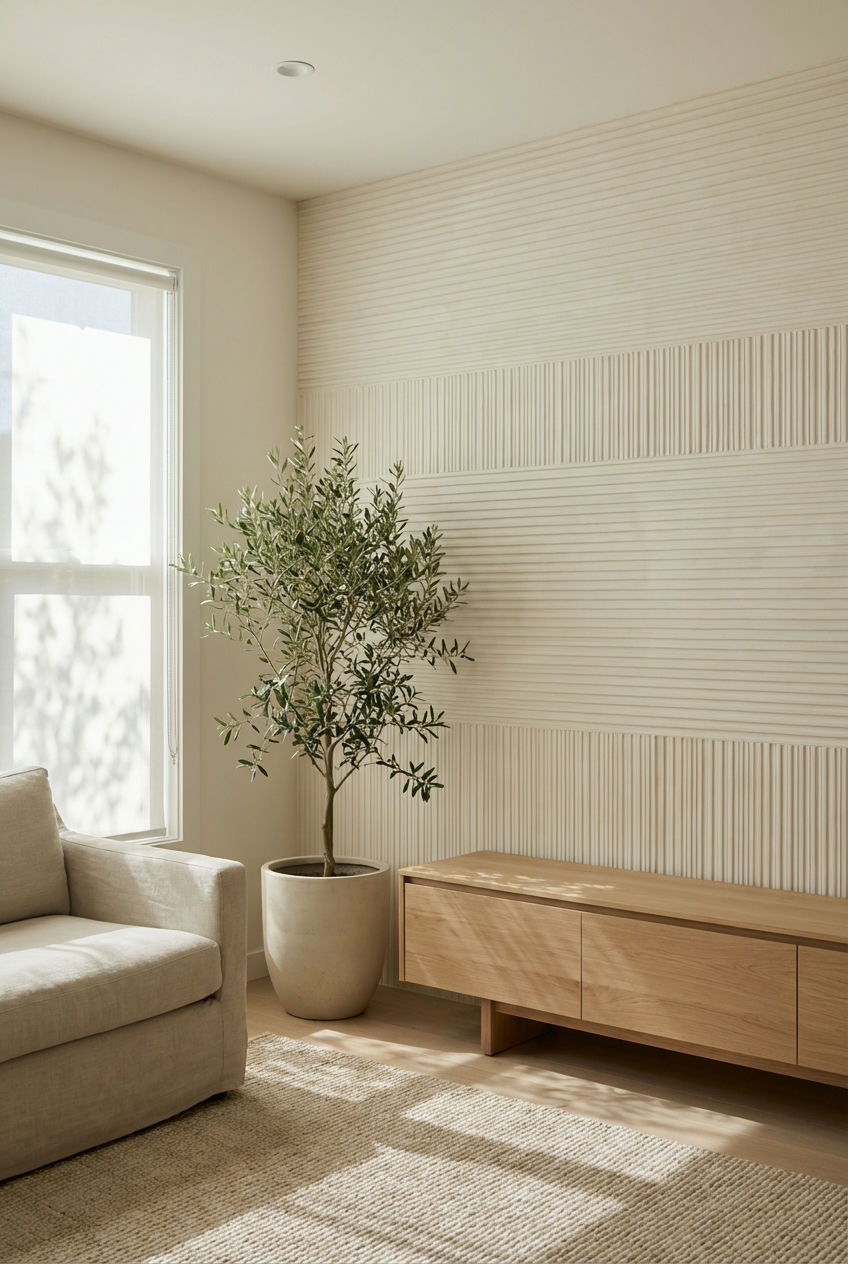
When selecting a textural wall treatment, consider how it interacts with the light in your room throughout the day. Natural light will highlight the nuances of the texture, creating dynamic patterns of light and shadow. Choose a color that aligns with your overall minimalist palette, perhaps a softer version of your dominant neutral. This approach adds a sensual quality to the space, inviting touch and further elevating the design. Practical insight: While these finishes can be more complex to apply than standard paint, the unique, high-end look they provide makes the investment worthwhile for a truly elevated minimalist space.
21. Minimalist Fire Pit Areas
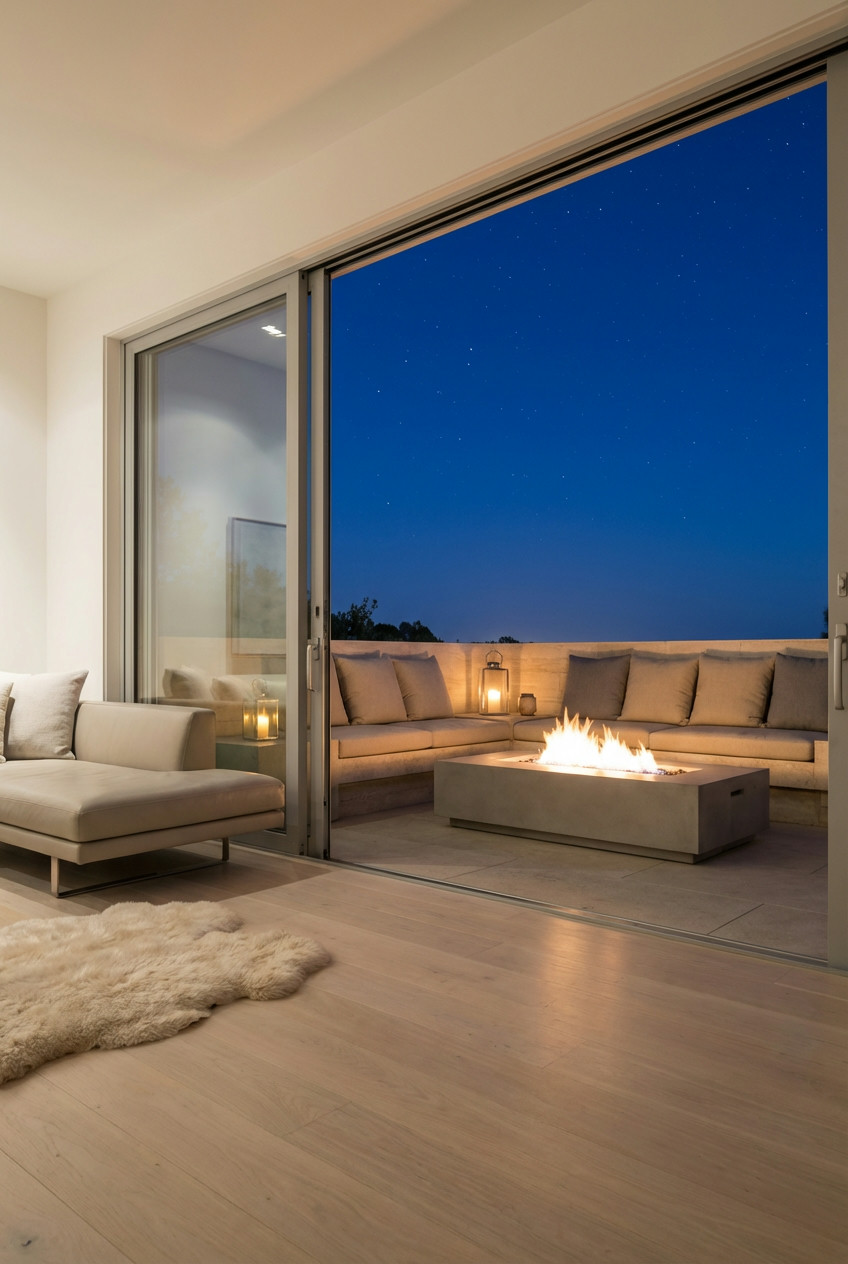
Extending the serene aesthetic outdoors, 2026 sees minimalist living rooms often flowing into equally understated fire pit areas. These outdoor spaces are designed with clean lines, durable materials like concrete or stone, and comfortable, simple seating that encourages gathering without clutter. The fire pit itself often features a sleek, geometric design, becoming a sculptural focal point. This integration of indoor and outdoor living expands the functional space of the living room, offering a seamless transition for relaxation and entertaining, perfectly aligning with a lifestyle that values simplicity and connection to the elements, all under the broad umbrella of a minimalist approach to home design.
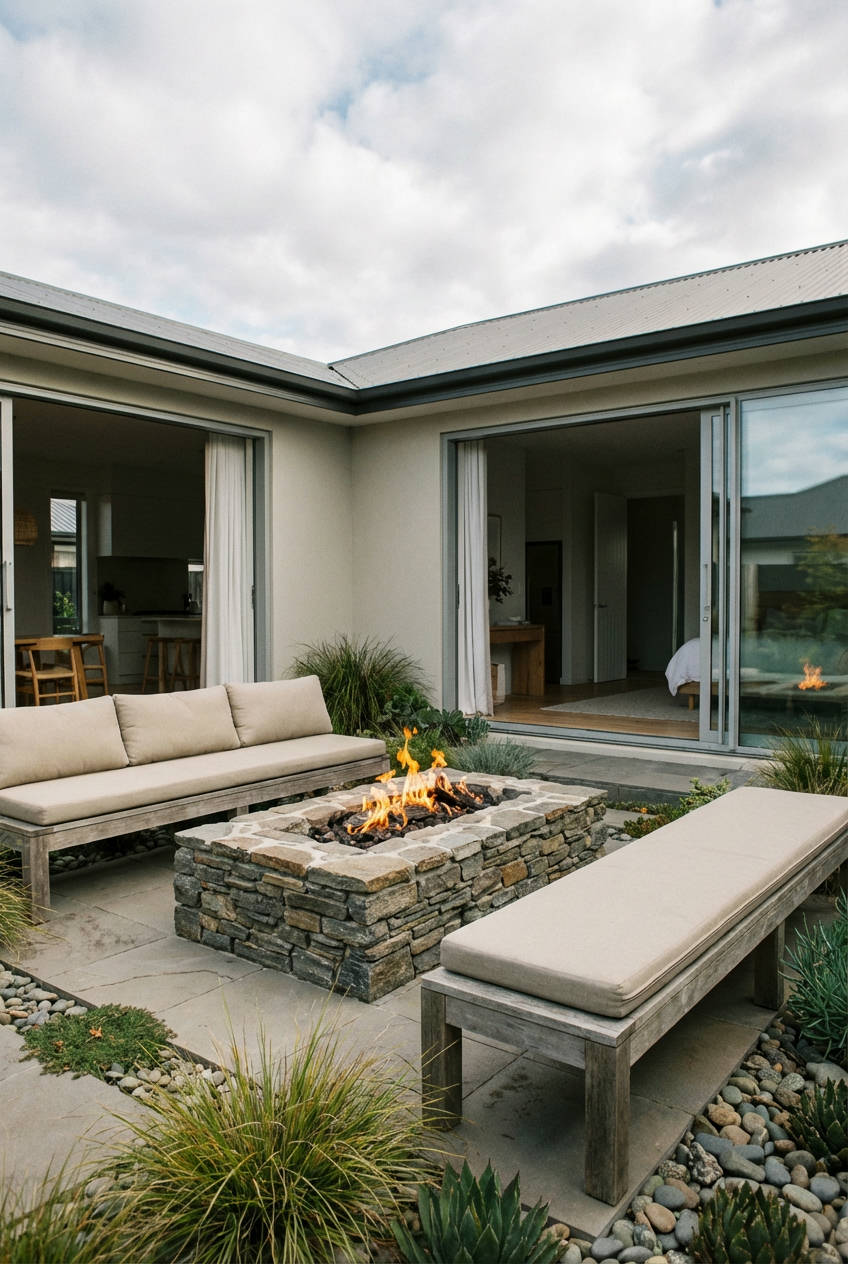
When designing a minimalist fire pit area, prioritize functionality and durability. Choose weather-resistant materials for seating and ensure the fire pit itself is easy to maintain. Keep landscaping around the area simple and structural, such as native grasses or low-maintenance succulents, to complement the clean lines. The goal is to create an extension of your indoor living space that feels calm and cohesive, providing an additional zone for relaxation and connection. Budget/price angle: While a custom built-in fire pit can be an investment, there are many sleek, pre-fabricated concrete or metal options that can achieve a similar minimalist look at a more accessible price point.
22. Elevated Reading Nooks
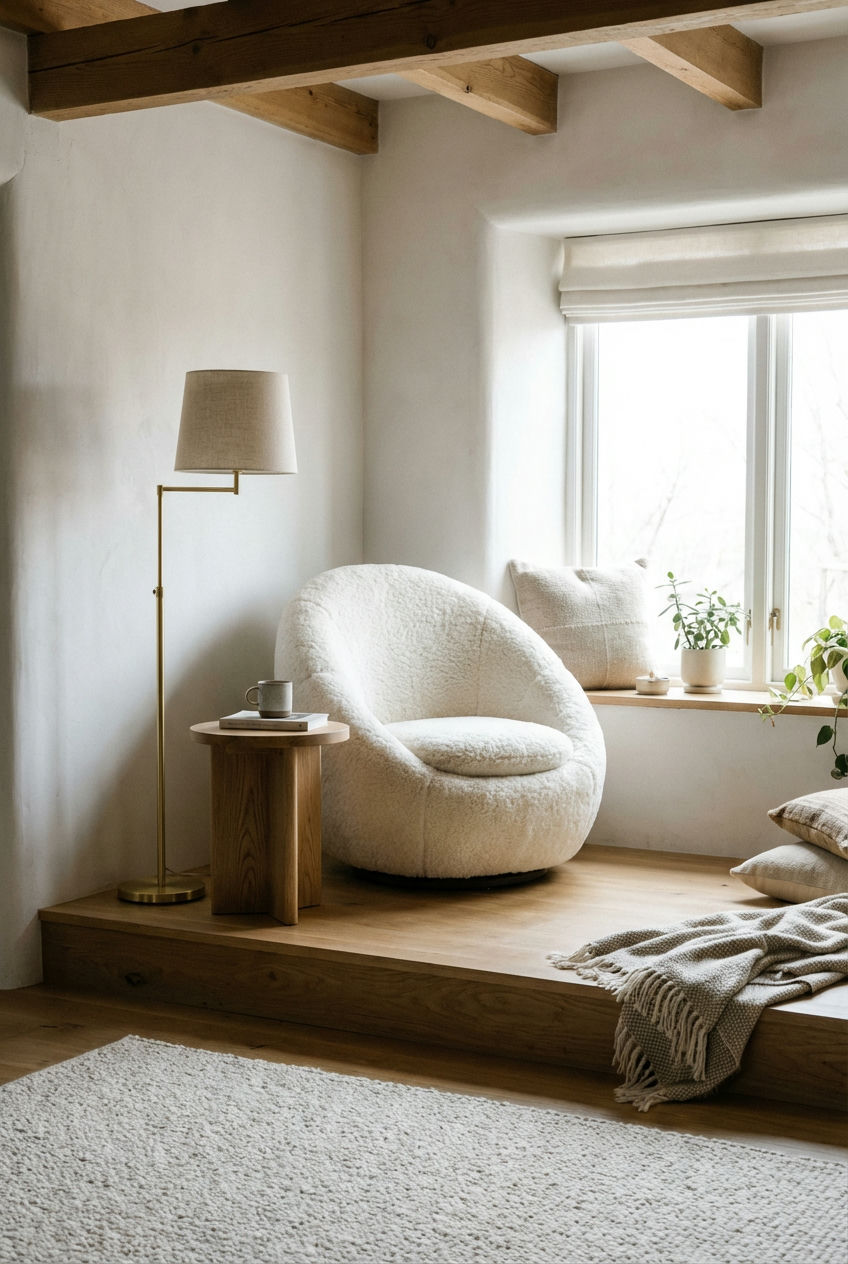
Within the serene expanse of minimalist living rooms, 2026 sees the emergence of elevated reading nooks as carefully curated sanctuaries. These aren’t just a chair in a corner; they’re thoughtfully designed pockets of comfort, often featuring a single, exquisitely comfortable armchair, a slender floor lamp, and a small, minimalist side table. Books might be displayed artfully on a floating shelf or neatly tucked into a hidden compartment. The key is to create an inviting, dedicated zone for quiet contemplation and literary escape, without accumulating clutter. It’s about intentional design that promotes relaxation and focus, even within a larger space.
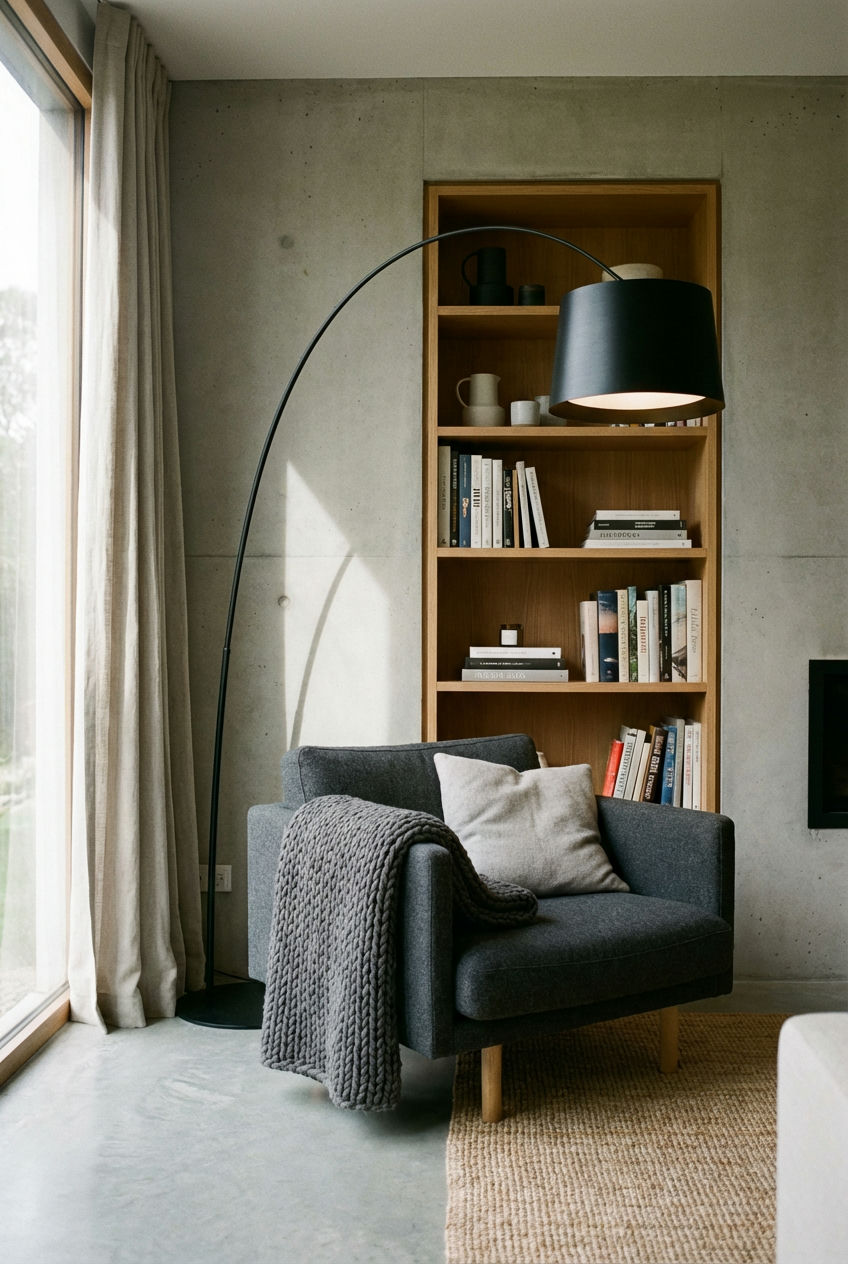
When designing your reading nook, prioritize comfort above all else – a plush cushion, a soft throw, and a lamp that provides ample, warm light. Ensure any necessary storage for books or a reading tablet is integrated efficiently to maintain the uncluttered look. This dedicated zone offers a personal retreat within the larger living space, proving that even in a highly streamlined environment, there’s room for deeply personal and comforting elements. It’s a purposeful addition that enhances the home’s liveability. Real homeowner behavior: Many people, especially those working from home, crave a distinct “offline” zone, and a minimalist reading nook perfectly fulfills this need.
23. Subtle Pattern Play
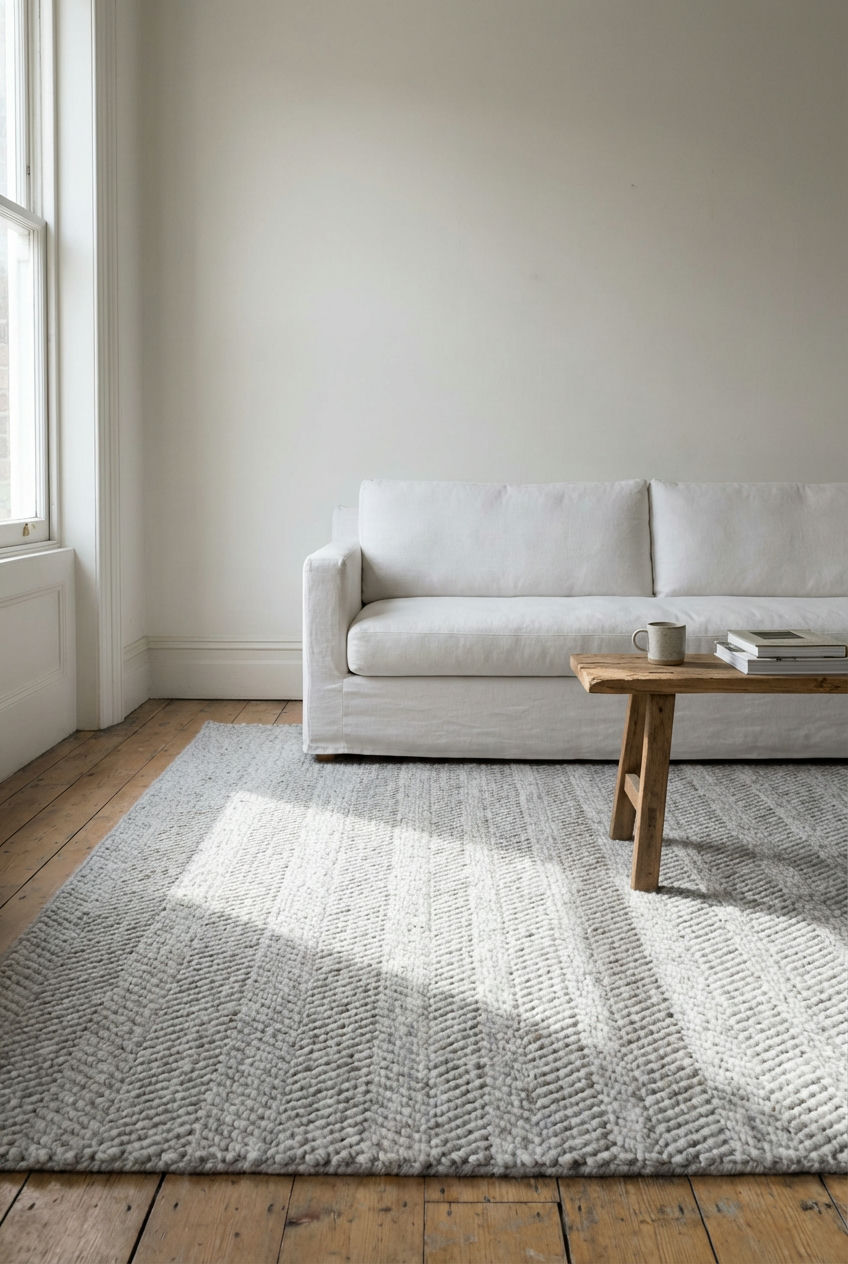
While bold patterns are typically avoided in minimalist living rooms, 2026 introduces the concept of subtle pattern play to add quiet interest. This involves incorporating delicate, tone-on-tone patterns through textures, weaves, or very faint prints, usually within a neutral color scheme. Think a herringbone fabric on an accent chair, a subtle geometric relief on a ceramic vase, or a rug with a barely-there stripe. These quiet patterns offer visual engagement without overwhelming the calm aesthetic, adding depth and sophistication in an understated manner. They invite a closer look and prevent the space from feeling too uniform or uninspired, aligning with refined minimalist design principles.
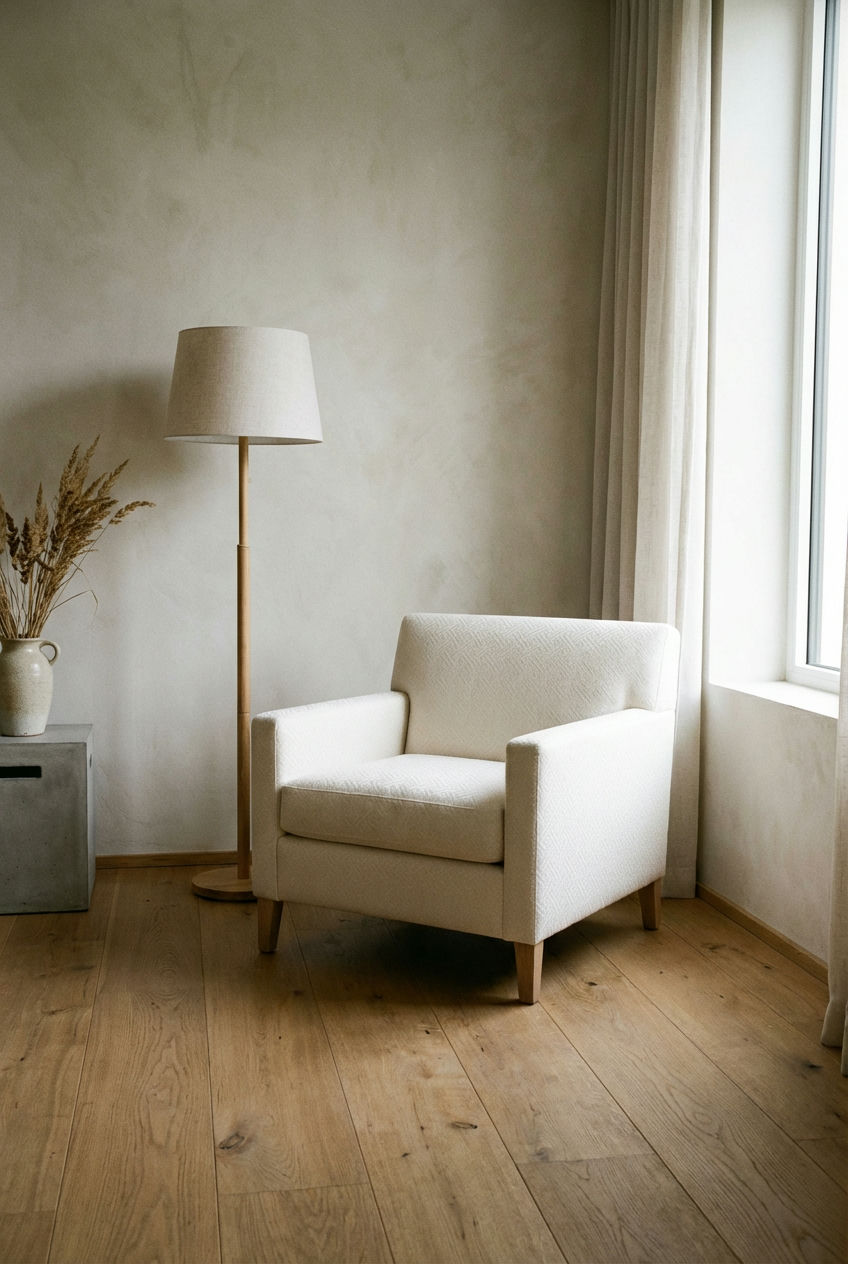
When experimenting with subtle patterns, remember that texture is your best friend. A patterned throw pillow works best when its colors are nearly identical to the sofa it rests on, allowing the pattern to be discovered rather than loudly announced. The key is moderation – use one or two carefully chosen pieces to create this effect. This approach injects personality and warmth without compromising the core principles of simplicity and uncluttered aesthetic. This is a sophisticated way to add layers to a simplified design. Common mistakes and how to avoid them: Don’t introduce too many different subtle patterns; stick to one or two that harmonize, or the “subtle” effect will be lost.
24. Floating Shelves, Floating Feels
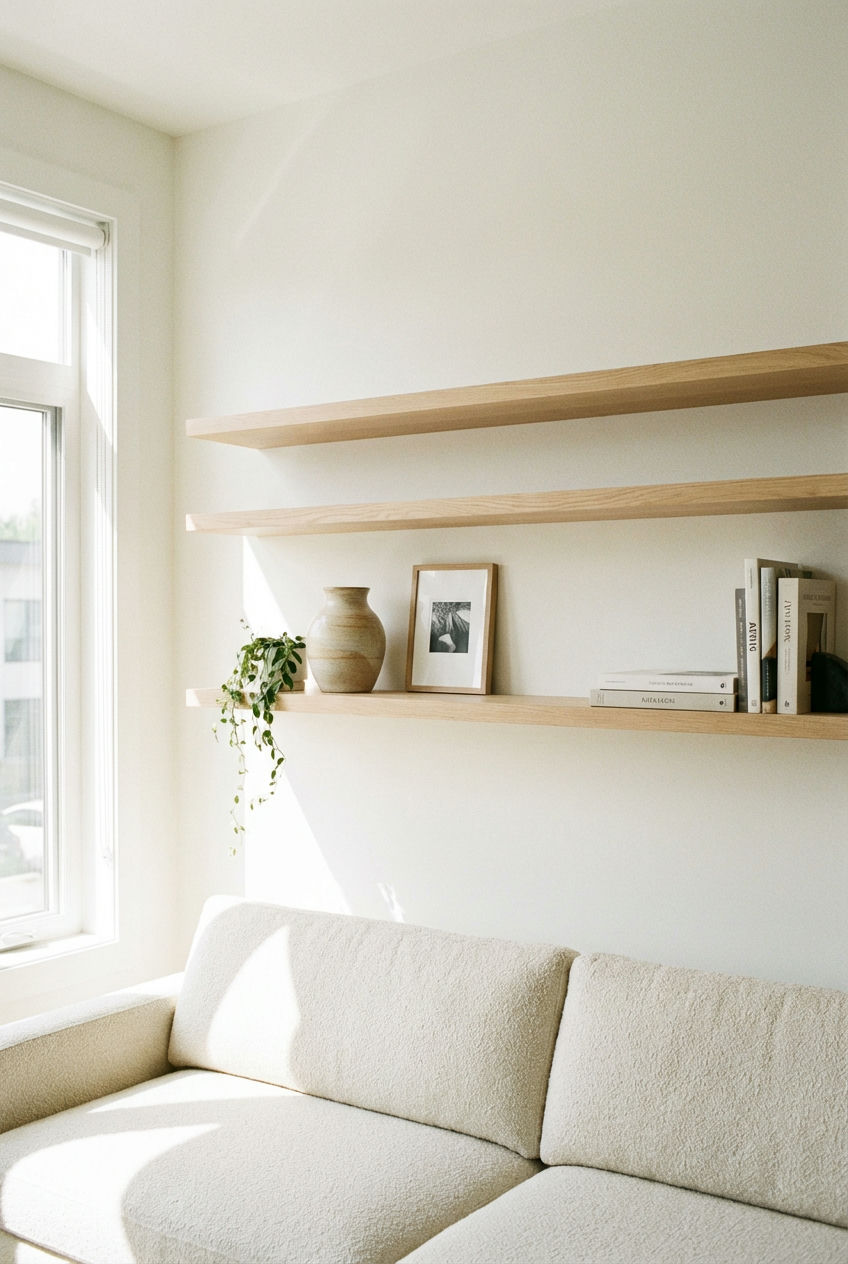
In minimalist living rooms of 2026, floating shelves are a perennial favorite for their ability to offer discreet storage and display without visual bulk. Mounted directly into the wall with hidden brackets, they create an illusion of lightness, appearing to float effortlessly. This design choice maximizes floor space and maintains an open, airy feel, perfect for showcasing a few curated items like a small plant, a cherished book, or a piece of pottery. They offer vertical interest without the visual weight of traditional shelving units, keeping the aesthetic clean and uncluttered. The simplicity of their form is highly appealing in a streamlined environment.
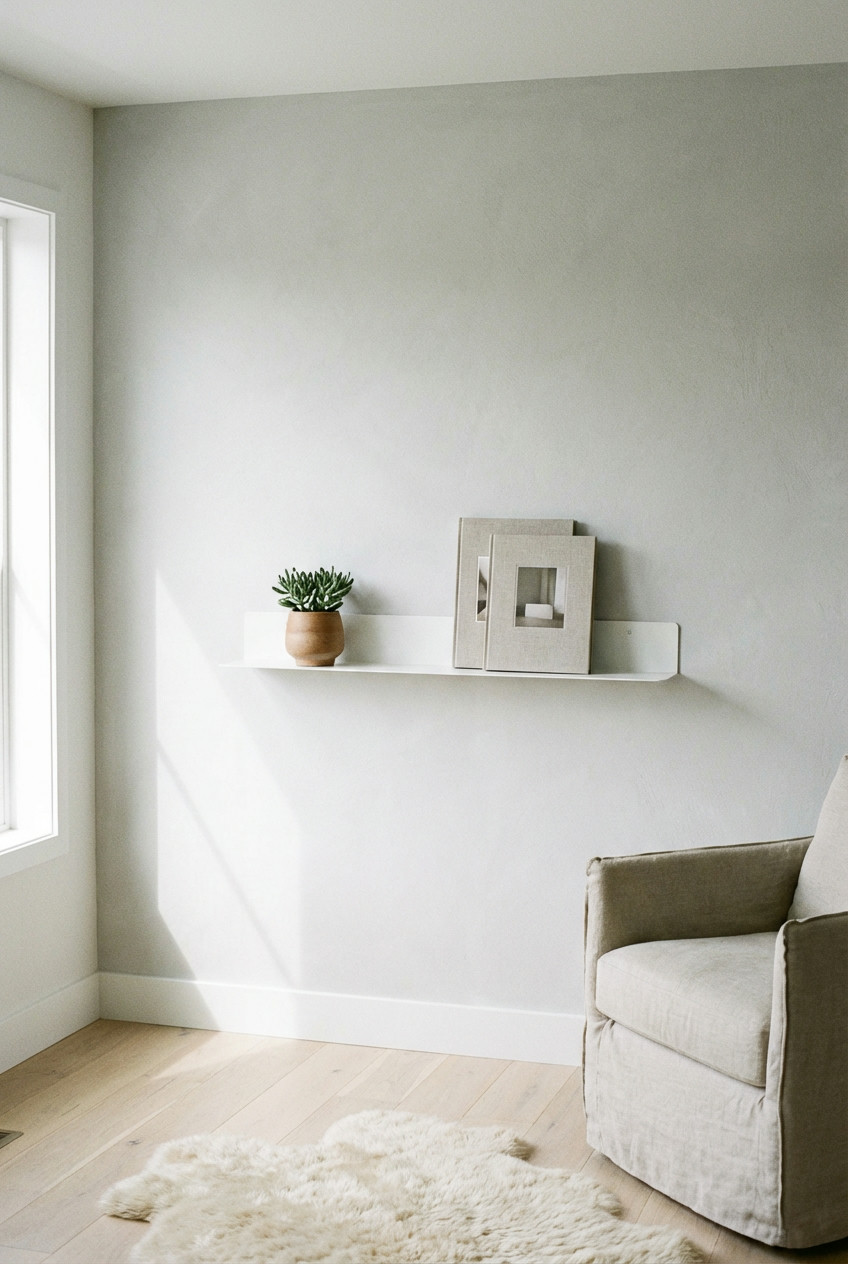
When styling floating shelves, exercise restraint. The effectiveness of minimalist design comes from careful curation. Don’t overcrowd them; leave ample negative space around each object to allow it to breathe and be appreciated. Consider incorporating different heights and textures among the displayed items to create visual interest. This deliberate approach ensures the shelves enhance the room’s aesthetic rather than becoming another surface for clutter. Where it works best: Floating shelves are particularly effective in smaller living rooms or narrow walls where traditional bookcases would feel too bulky, allowing for display without sacrificing precious floor space.
25. Curated Coziness
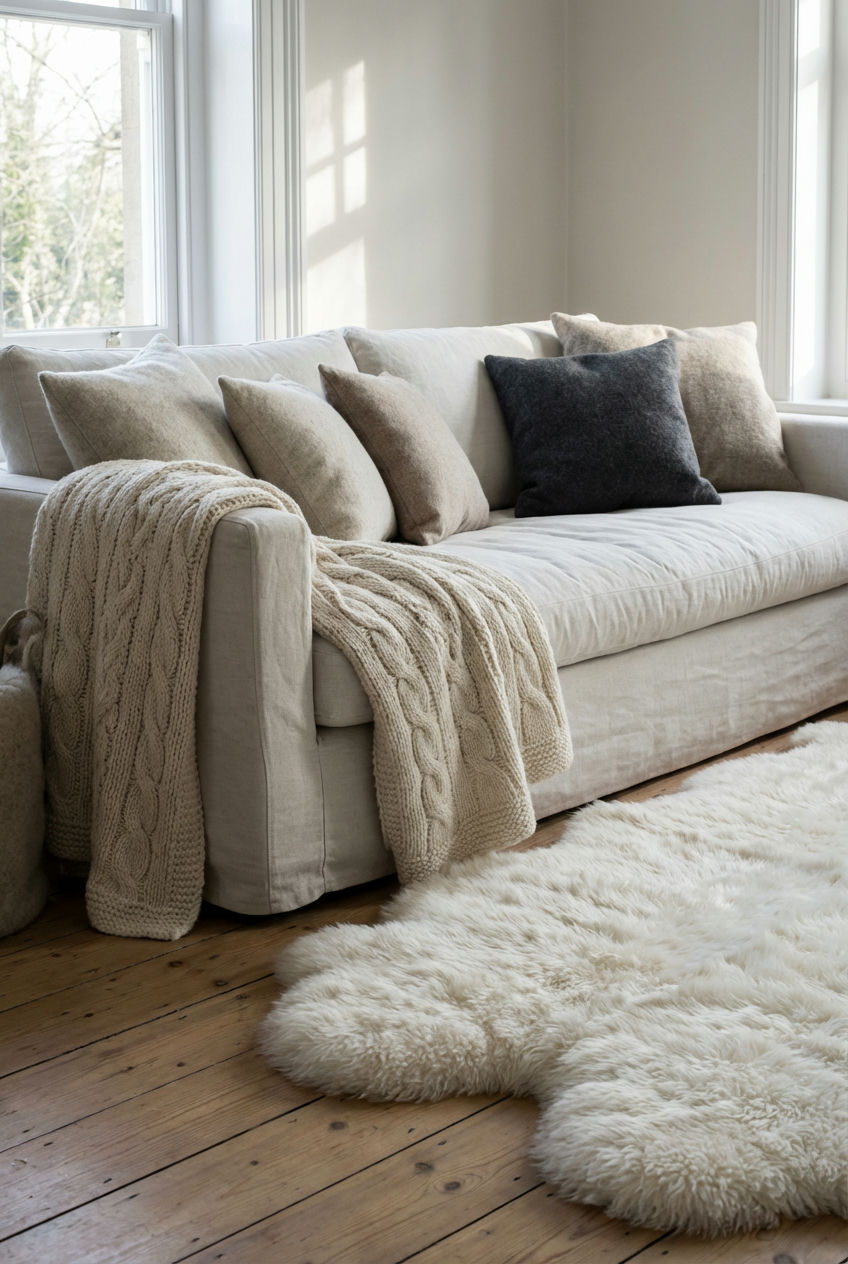
The notion that minimalist living rooms must be cold or austere is outdated; in 2026, the focus is on “curated coziness.” This means intentionally selecting a few high-quality, comforting elements that invite relaxation and warmth, rather than relying on endless layers of decorative items. Think a luxurious sheepskin rug, a sumptuously soft throw blanket draped over a sofa, or a collection of tactile cushions in various natural textures. These chosen pieces are not merely functional; they are aesthetically pleasing and contribute to an inviting, snug atmosphere, proving that simplicity can also be incredibly comfortable and soft. The key is to ensure every cozy element feels considered, rather than an afterthought.
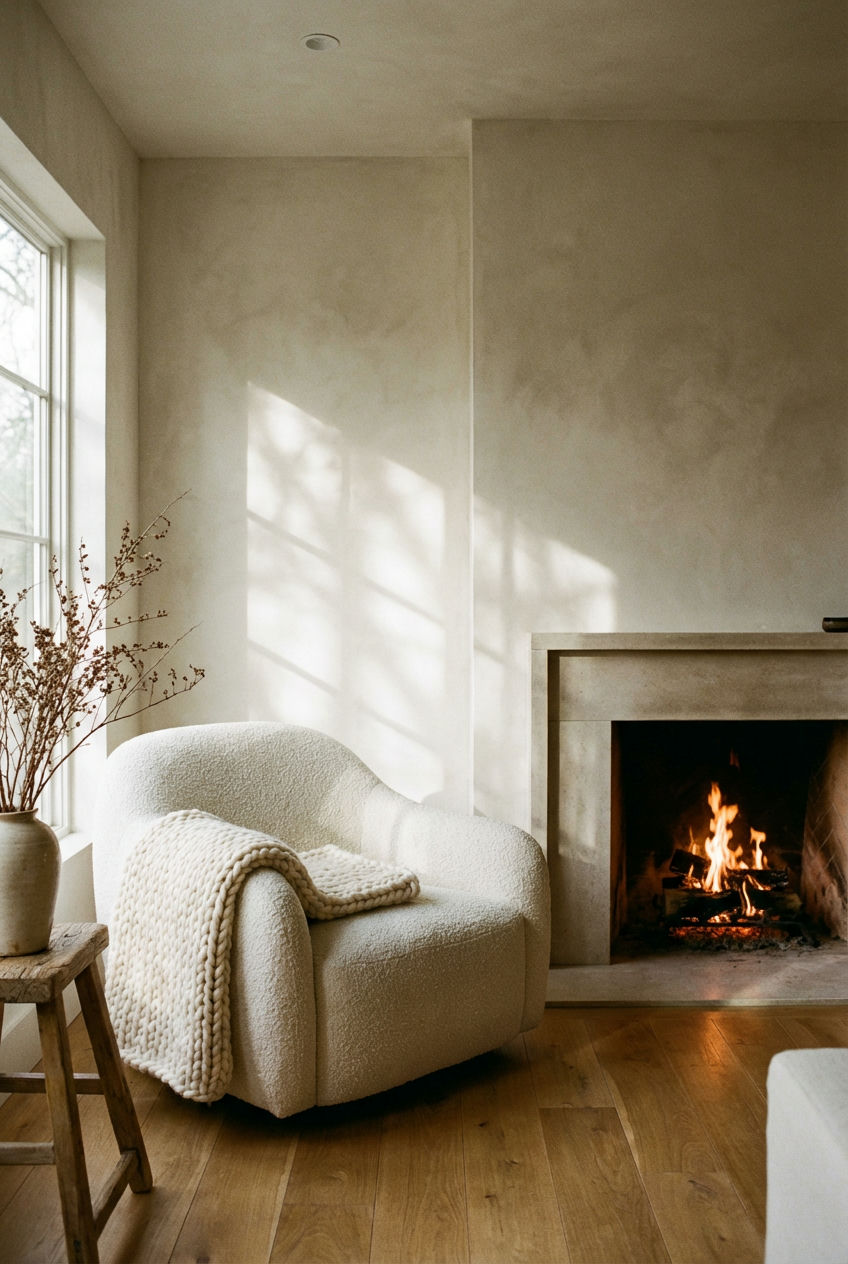
To achieve curated coziness, focus on rich textures and comforting materials in your chosen items. A soft alpaca throw, a velvet cushion, or a deeply piled rug can instantly elevate the tactile experience of your living room. Avoid excessive layering or too many small, distracting elements. Each cozy addition should feel like a luxurious indulgence, a deliberate choice to enhance comfort and visual appeal without detracting from the minimalist ethos. Practical insight: When selecting textiles for coziness, opt for natural, breathable fibers like wool, linen, or high-quality cotton; they tend to drape better and feel softer than synthetics.
26. Minimalist Overhead Lighting
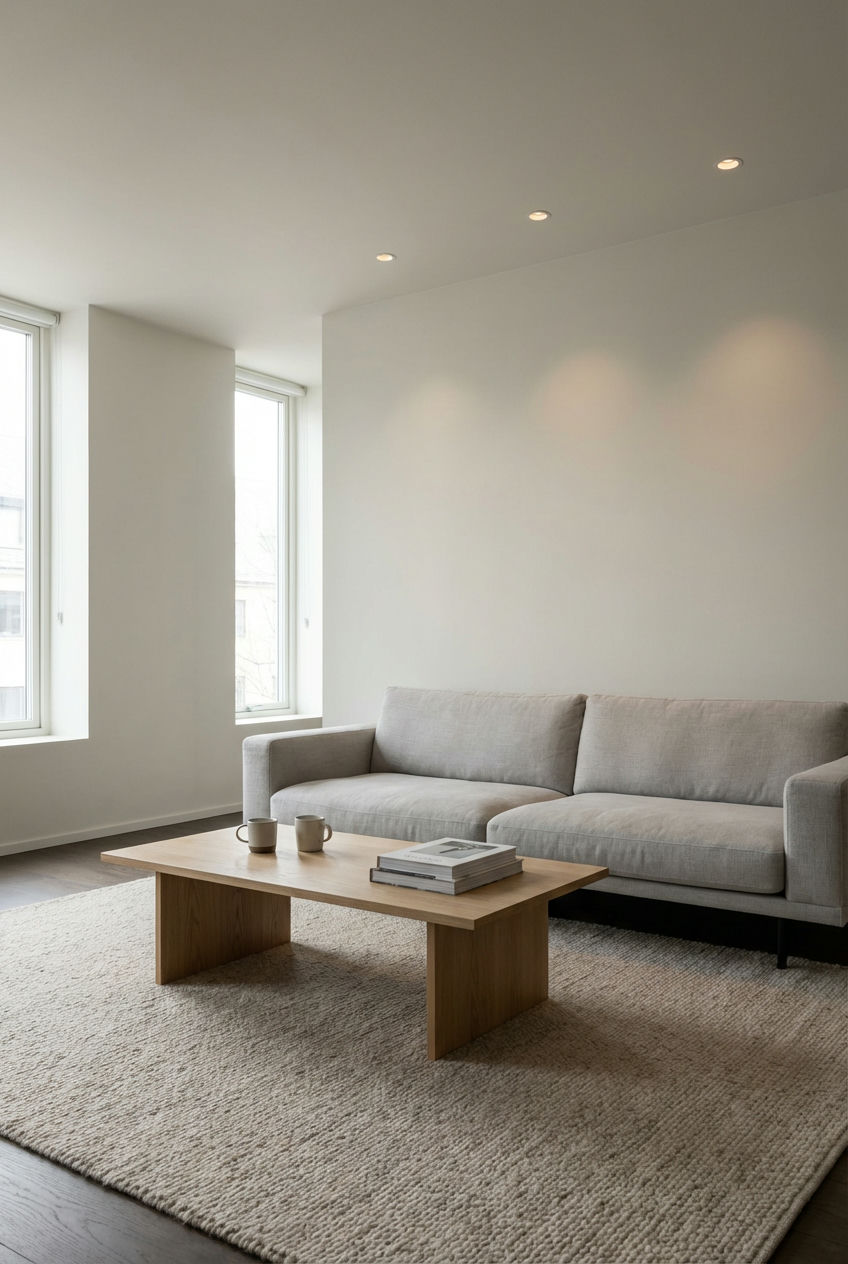
In minimalist living rooms of 2026, overhead lighting is deliberately understated, functioning more as ambient illumination than a decorative statement. Rather than ornate chandeliers, think sleek recessed lighting, barely-there flush mounts, or architectural track lighting that blends into the ceiling. The goal is to provide ample, diffused light while keeping the ceiling plane clean and uncluttered. These fixtures are chosen for their efficiency and discretion, allowing other elements of the room, such as a sculptural sofa or a statement piece of art, to take center stage. The lighting works quietly in the background, creating an even, inviting glow.
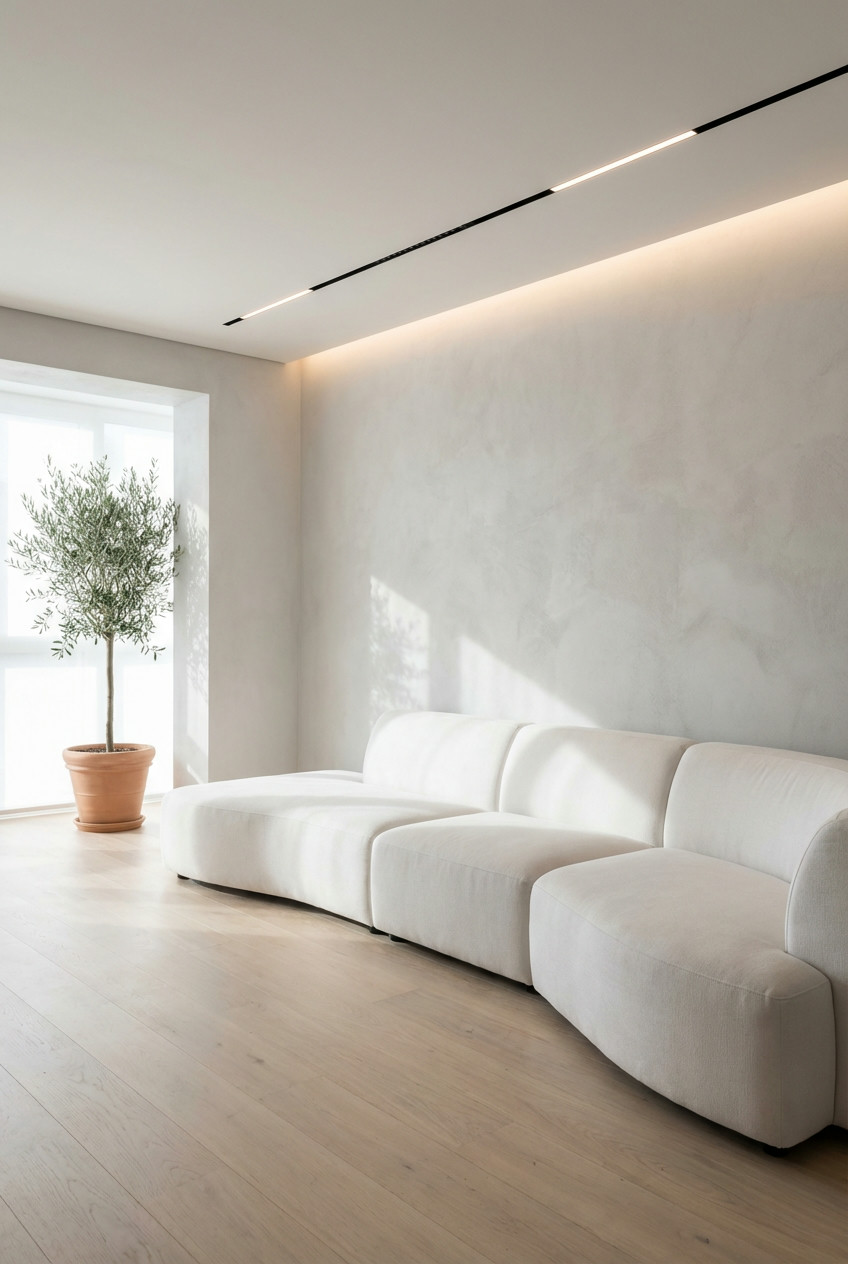
When planning minimalist overhead lighting, consider the overall light temperature and how it complements your chosen color palette. Warm white light creates a cozier atmosphere, while cooler tones can feel more contemporary. Dimmers are absolutely essential for flexibility, allowing you to adjust the luminosity based on the time of day or activity. This strategic approach to overhead lighting supports the calm and uncluttered aesthetic, ensuring the focus remains on the spaciousness and careful curation of your living room. Budget/price angle: While custom integrated lighting can be costly, using simple, high-quality recessed LED lights provides an excellent minimalist solution at a more affordable price point.
27. Subtle Scents and Sounds
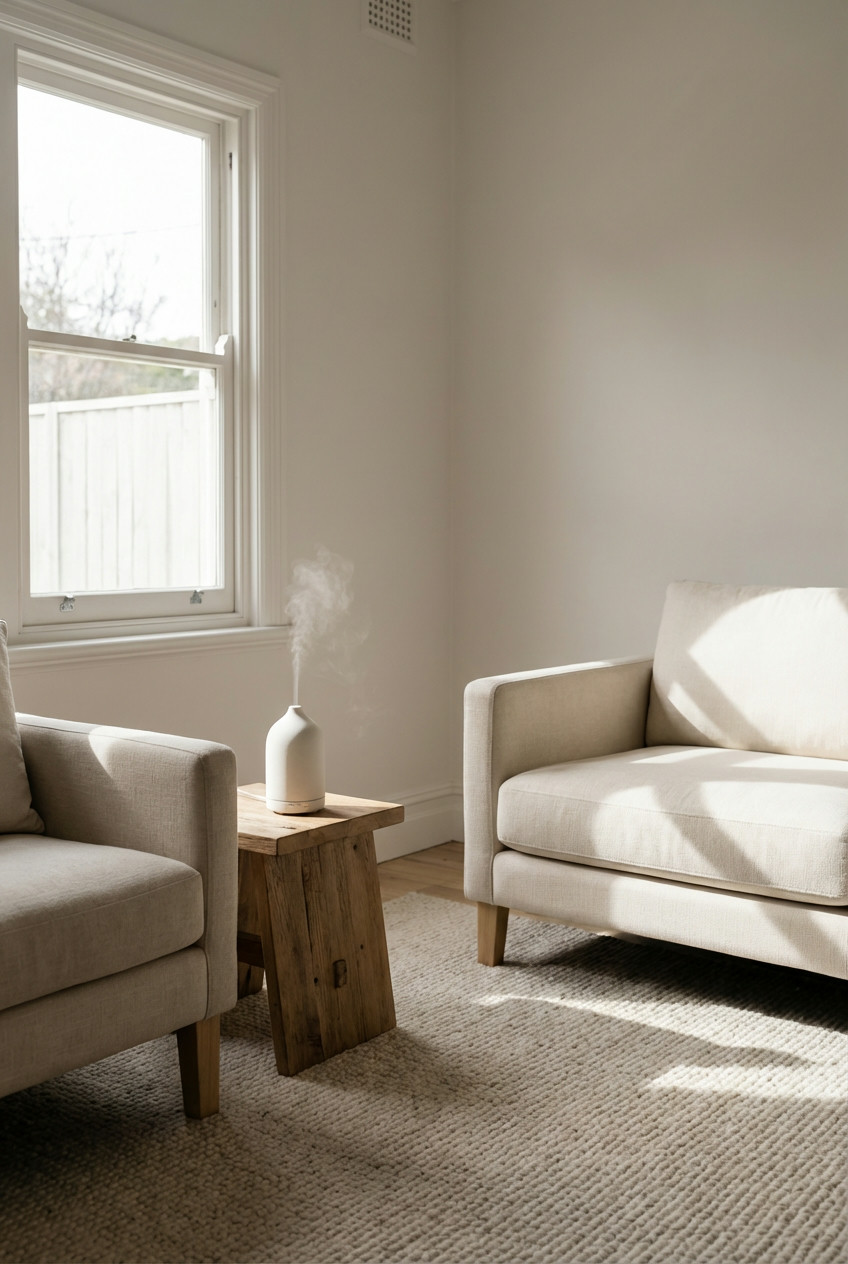
Beyond visual appeal, minimalist living rooms in 2026 engage all senses, with a particular emphasis on subtle scents and sounds to create a holistic, calming environment. Imagine the gentle fragrance of essential oils diffused through a sleek, unobtrusive device, or the quiet hum of ambient music played from hidden speakers. These elements are chosen for their ability to enhance well-being and tranquility without adding any visual clutter. It’s about creating an atmosphere that feels truly restorative and deeply inviting, where sensory experiences are carefully curated to promote relaxation and focus. The experience is often refined, a natural fit for a streamlined aesthetic.
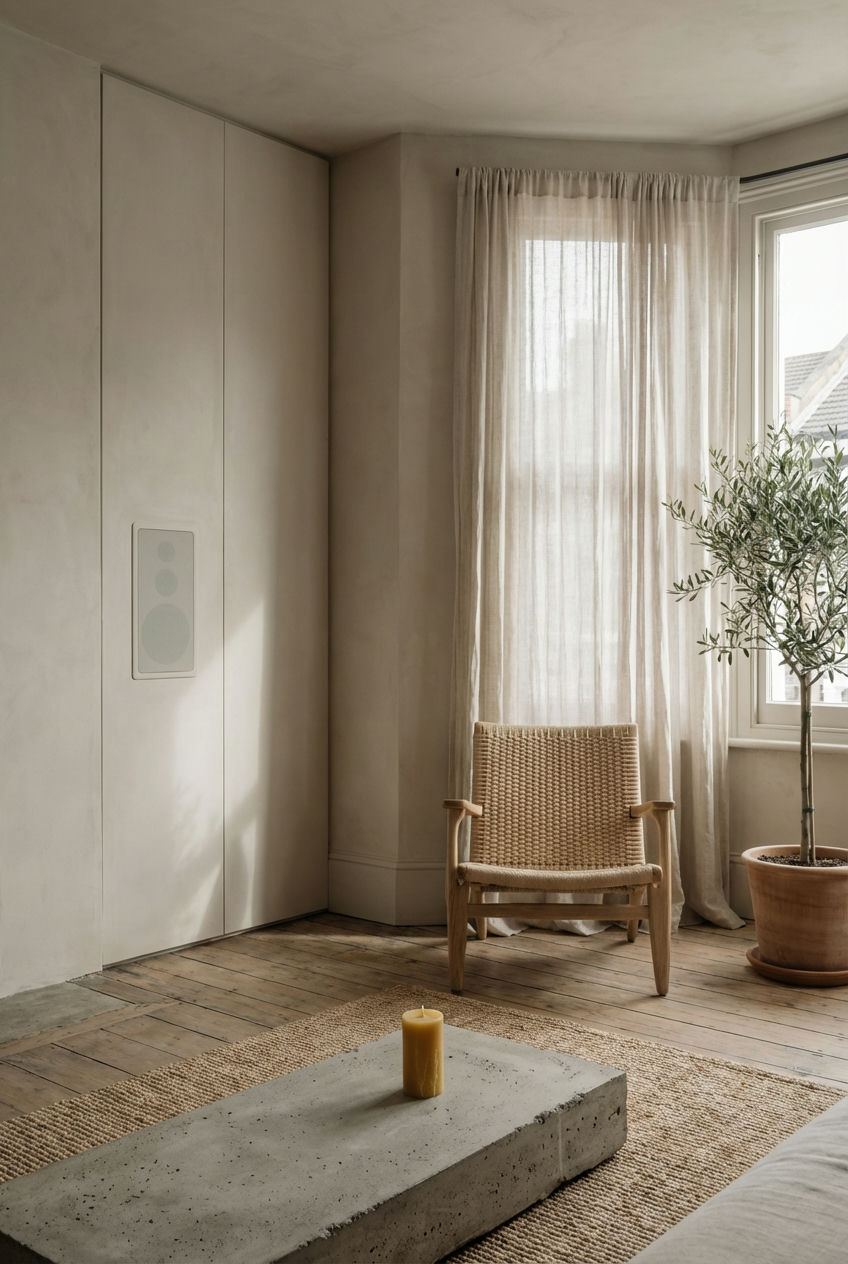
When integrating scents, opt for natural, subtle aromas like sandalwood, lavender, or a clean linen scent, avoiding anything overpowering. For sounds, consider white noise machines, smart speakers integrated into furniture, or simply ensuring good acoustics that minimize outside noise pollution. This conscious attention to the non-visual elements of a room significantly deepens the overall sense of peace and refinement. It’s about crafting an immersive experience that aligns perfectly with the quiet luxury of a simplified home. Real homeowner behavior: Increasingly, homeowners are investing in high-quality candles and diffusers, and even sound machines, to enhance their home’s atmosphere beyond just what the eye can see.
28. The Intentional Empty Space
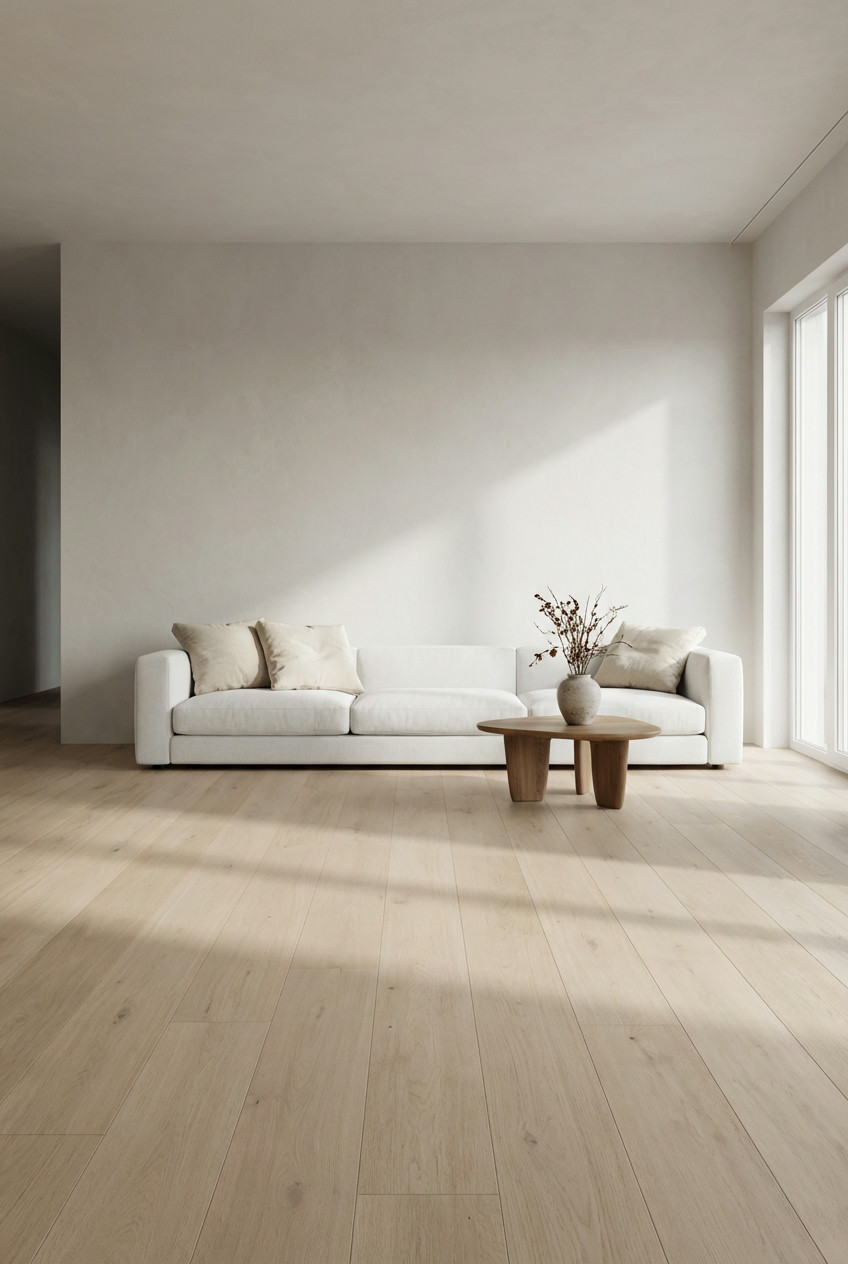
Perhaps the most defining characteristic of truly effective minimalist living rooms in 2026 is the deliberate use of empty space. This isn’t just a void; it’s a carefully considered element that allows objects to breathe, clarifies sightlines, and fosters a profound sense of calm and openness. An empty wall adjacent to a single piece of art, or a clear expanse of floor in front of a sofa, serves to prevent visual overwhelm and promote mental clarity within a simplified space. It’s the whitespace of interior design, giving the eye a place to rest and enhancing the appreciation for the few, carefully chosen items that do exist. This core tenet of minimalist design is about giving visual weight to nothingness and the quiet power it holds.
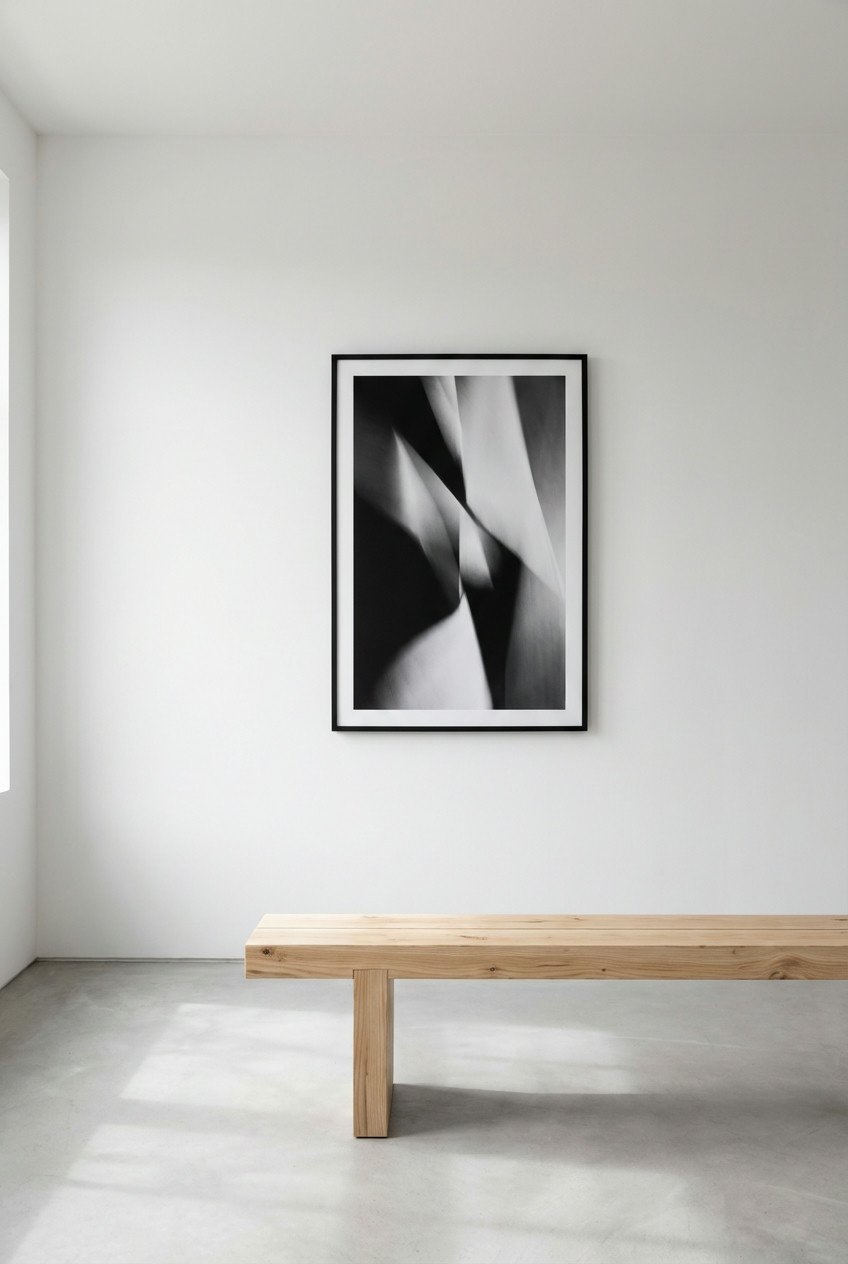
To master intentional empty space, resist the urge to fill every corner or surface. Think about how objects relate to the negative space around them. Allow pathways to remain clear, and create visual breaks between groupings of furniture or decor. This deliberate absence of clutter allows the quality and form of your chosen pieces to truly stand out, enhancing their impact. It’s an act of respect for the space itself, transforming it into a luxurious canvas for living. Expert-style commentary: “Empty space is not an absence; it’s a presence. It’s the critical ingredient that allows a minimalist room to feel both profound and peaceful.”
Minimalist living rooms in 2026 are truly evolving beyond stark functionality; they’re becoming inviting, thoughtful, and deeply personal sanctuaries. By blending natural beauty, smart solutions, and curated comfort, these spaces offer a much-needed retreat from the everyday. We hope these 28 ideas inspire you to craft a living room that not only simplifies your surroundings but also enriches your daily life. Which of these trends resonates most with your vision for 2026? Share your thoughts and favorite ideas in the comments below!