64 Jaw-Dropping Living Room Design Ideas for 2026 That Will Transform Your Home

As we glide towards 2026, the heart of our homes—the living room—continues its beautiful evolution. This isn’t just about new trends; it’s about a deeper understanding of how our spaces impact our well-being, connections, and daily routines. From sustainable choices to artful arrangements, the focus is squarely on creating a living environment that truly resonates with who we are. Get ready to discover fresh perspectives and inspiring ideas that will transform your living room into a sanctuary of style and comfort.
1. Biophilic Bliss
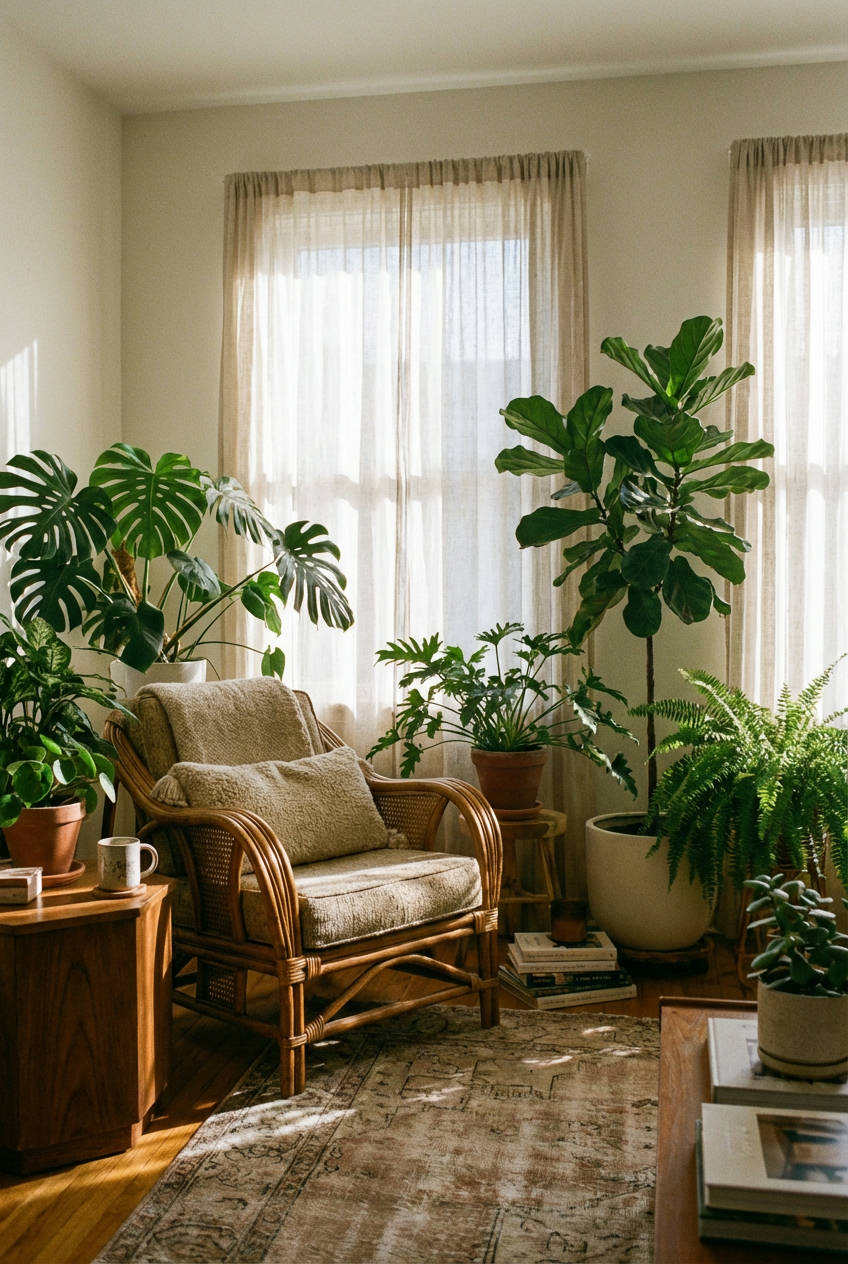
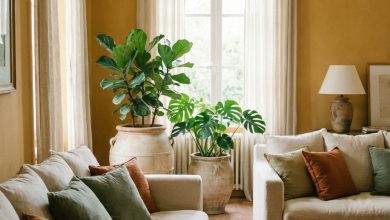
Embracing biophilic design means bringing the outdoors in, creating a serene and invigorating living space that connects you with nature. Think lush indoor gardens, vertical plant walls, and abundant natural light filtering through large windows. This approach not only enhances aesthetic appeal but also improves air quality and overall well-being, making your living room a true sanctuary. Imagine climbing fig vines artfully draped over shelving units, creating a canopy effect. The interplay of textures from natural wood and organic fabrics further grounds this visual narrative.
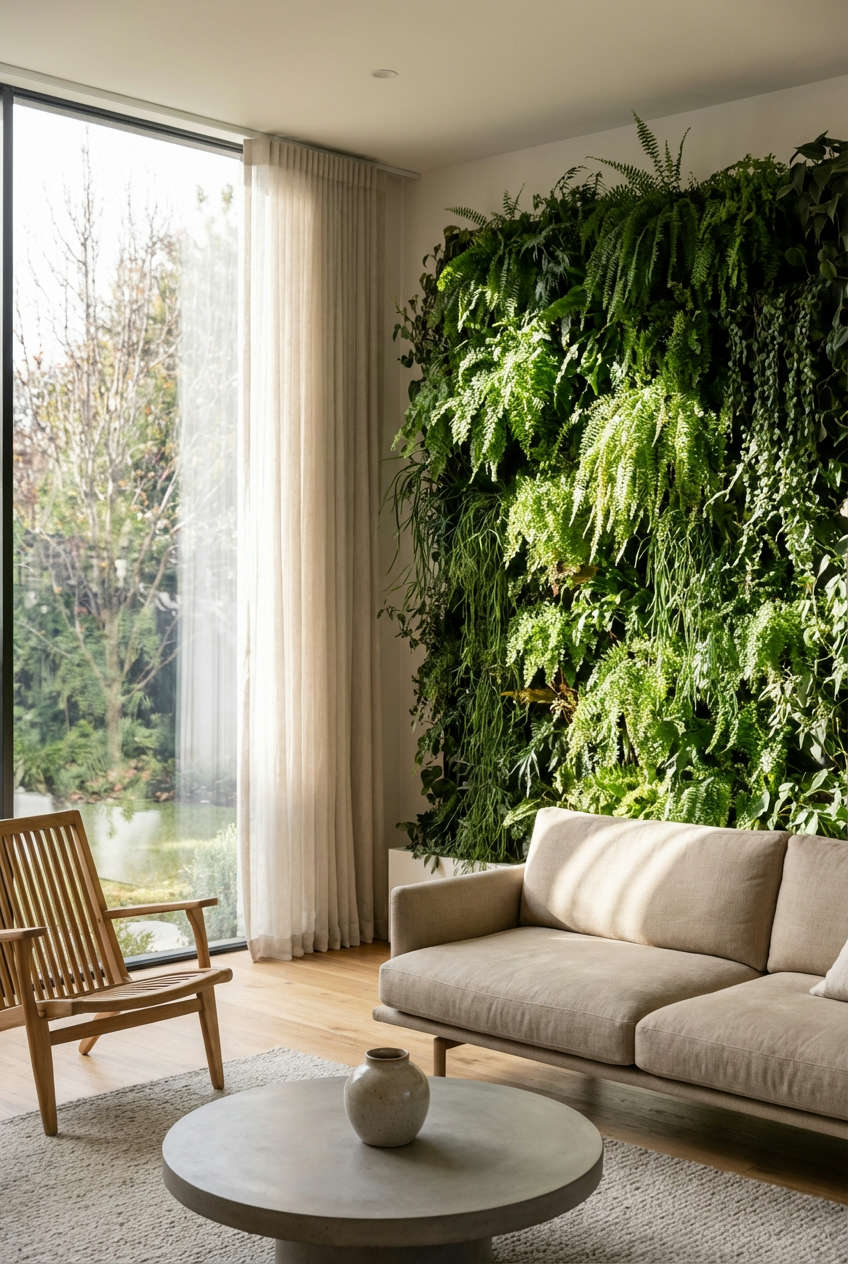
The beauty of biophilic design lies in its versatility; it can be adapted to any style, from bohemian to minimalist. Incorporating elements like natural stone, wood accents, and water features (even small, tabletop ones) can further enhance the sensory experience. It’s about cultivating a thriving interior landscape that encourages relaxation and mindfulness. Where it works best: This approach is particularly effective in urban apartments where access to green spaces is limited, bringing much-needed tranquility indoors.
2. Sculptural Seating
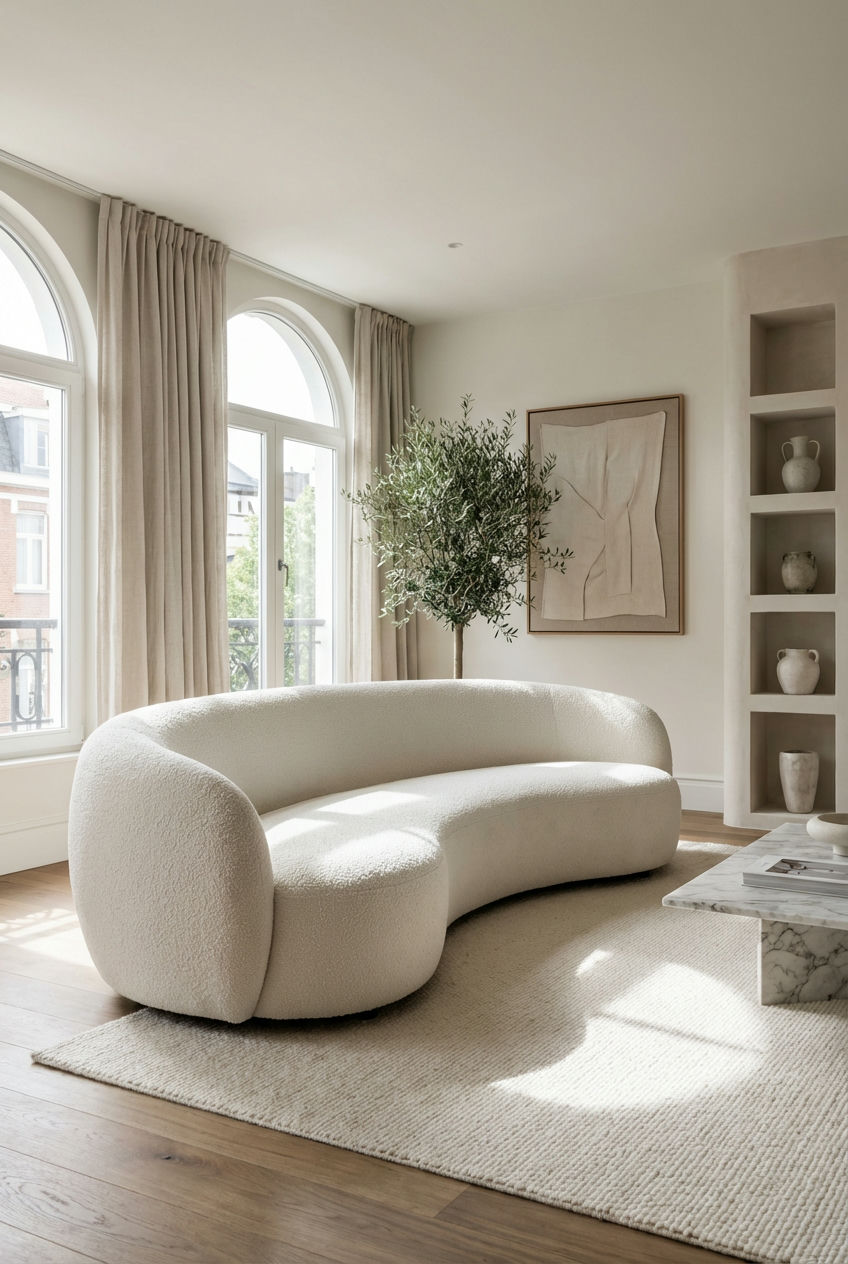
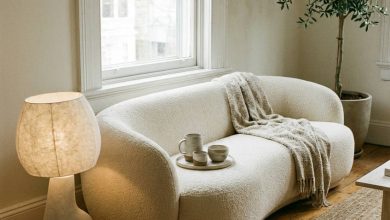
Move over, basic sofas! Living room design in 2026 embraces seating that doubles as art. Think curvy chaises, modular sectionals with unexpected angles, and armchairs that look like they belong in a gallery. These pieces become focal points, adding intrigue and personality to your living space. Materials like bouclé, deeply textured wools, and rich velvets enhance their luxurious appeal, inviting both admiration and comfort. Consider a chaise lounge with an undulating backrest as the centerpiece, commanding attention.
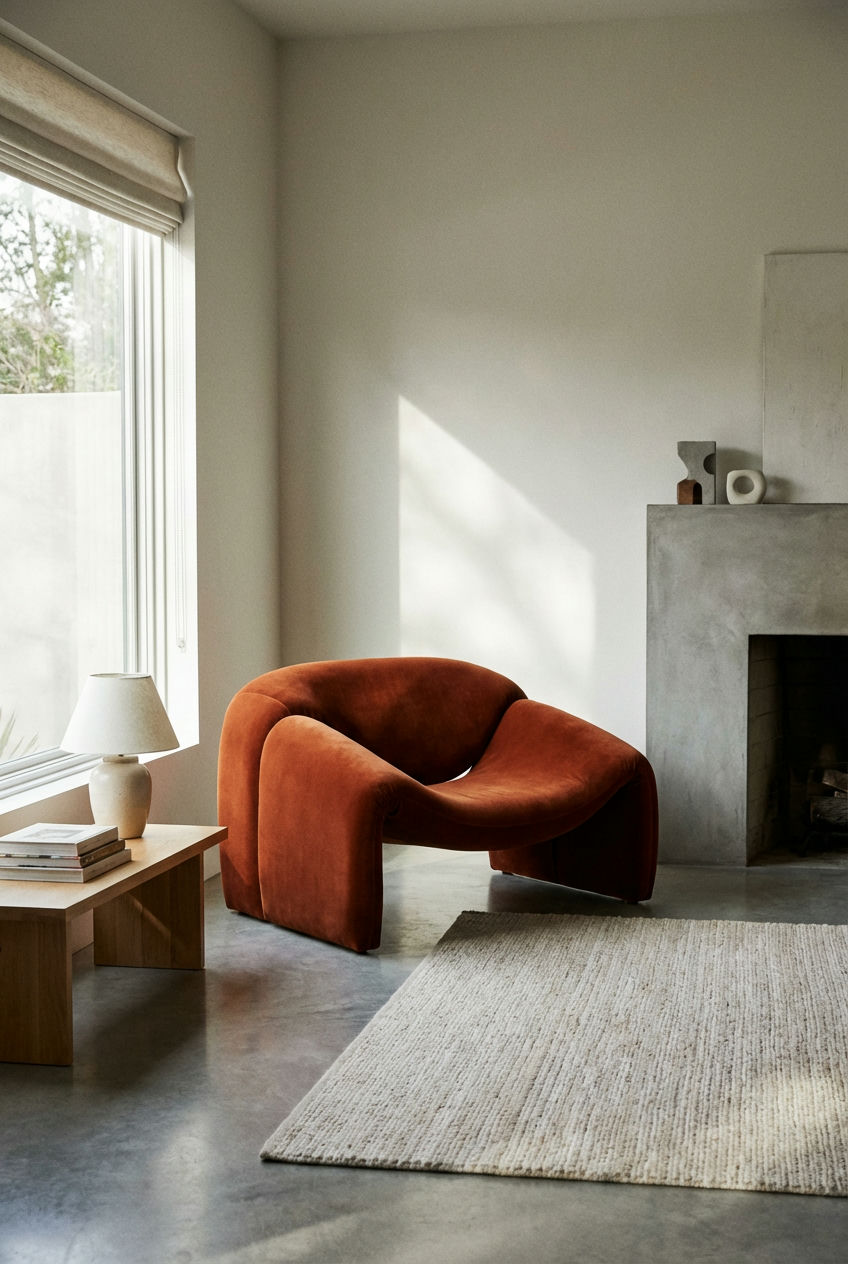
These statement seating arrangements are not just about looks; they often encourage more dynamic interaction and conversation, breaking away from conventional layouts. Pairing them with understated tables and lighting allows their forms to truly shine. Opt for durable fabrics for high-traffic areas to ensure longevity. Practical insight: When choosing sculptural seating, always check for comfort and scale relative to your room to ensure it’s functional as well as beautiful.
3. Warm Minimalism
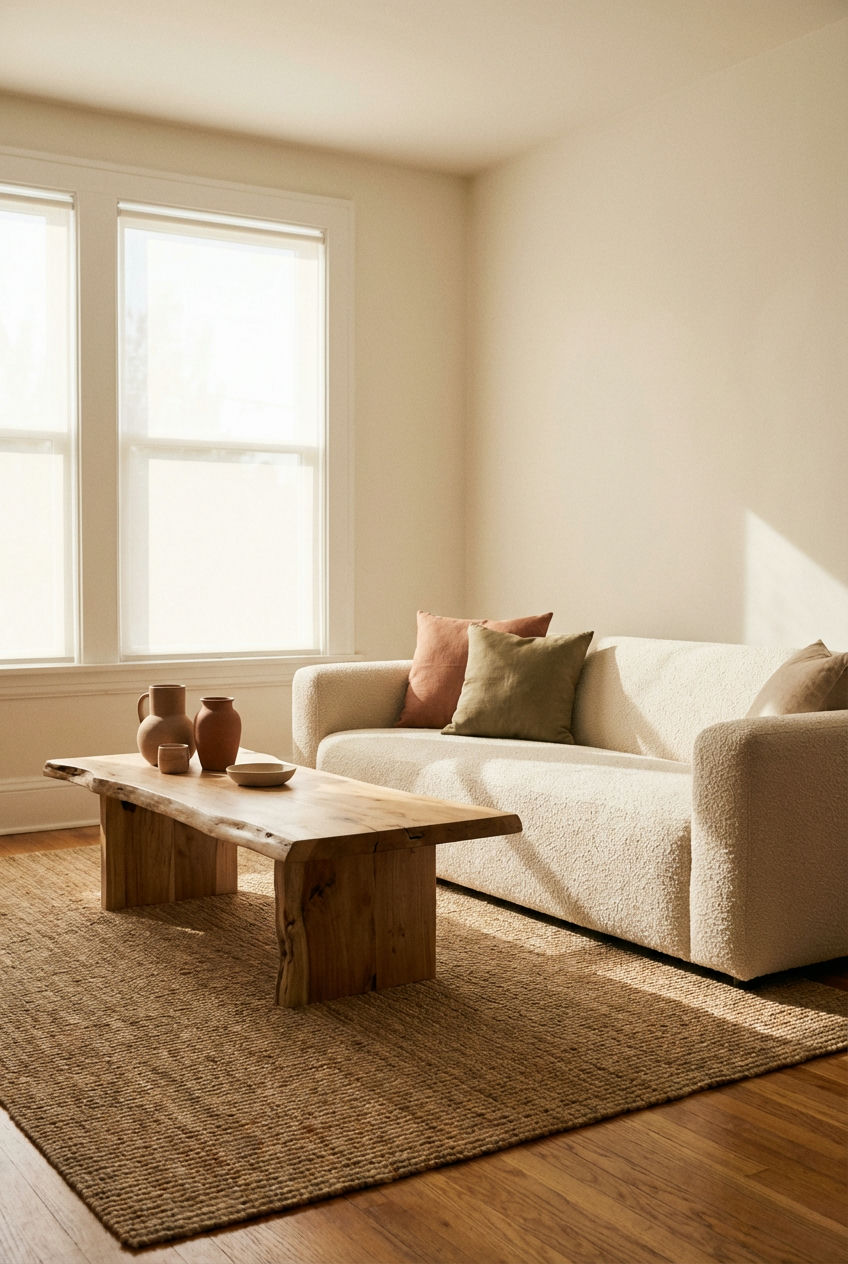
The stark, cold minimalism of yesteryear is evolving into something far more inviting. Warm minimalism for 2026 infuses clean lines and uncluttered spaces with rich textures, earthy tones, and soft lighting, creating a serene yet cozy living atmosphere. This approach prioritizes functionality and comfort without sacrificing sophistication. Imagine pale oak floors complemented by creamy walls and a substantial linen sofa. Every object serves a purpose, preventing visual noise in your living area.
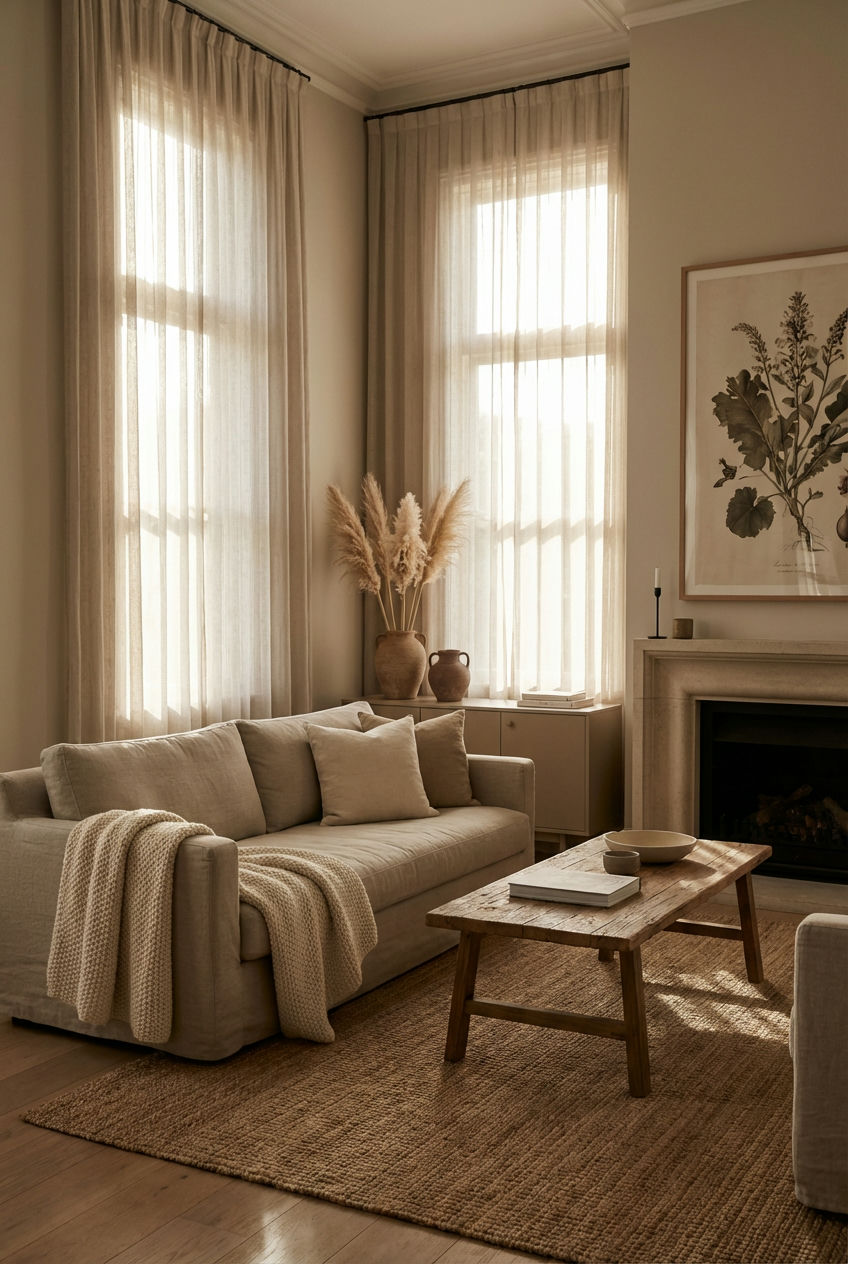
Achieving warm minimalism involves a careful curation of items, focusing on quality over quantity. Natural materials like wood, stone, linen, and wool play a significant role in adding warmth. Ambient lighting, from dimmable lamps to strategically placed wall sconces, helps create an inviting glow. This style values simplicity but not at the expense of comfort, ensuring your living room feels personal and welcoming. American lifestyle or regional context: This aesthetic appeals to homeowners seeking calm amidst busy modern lives, resonating with a desire for mindful living.
4. Artistic Rugs as Anchors
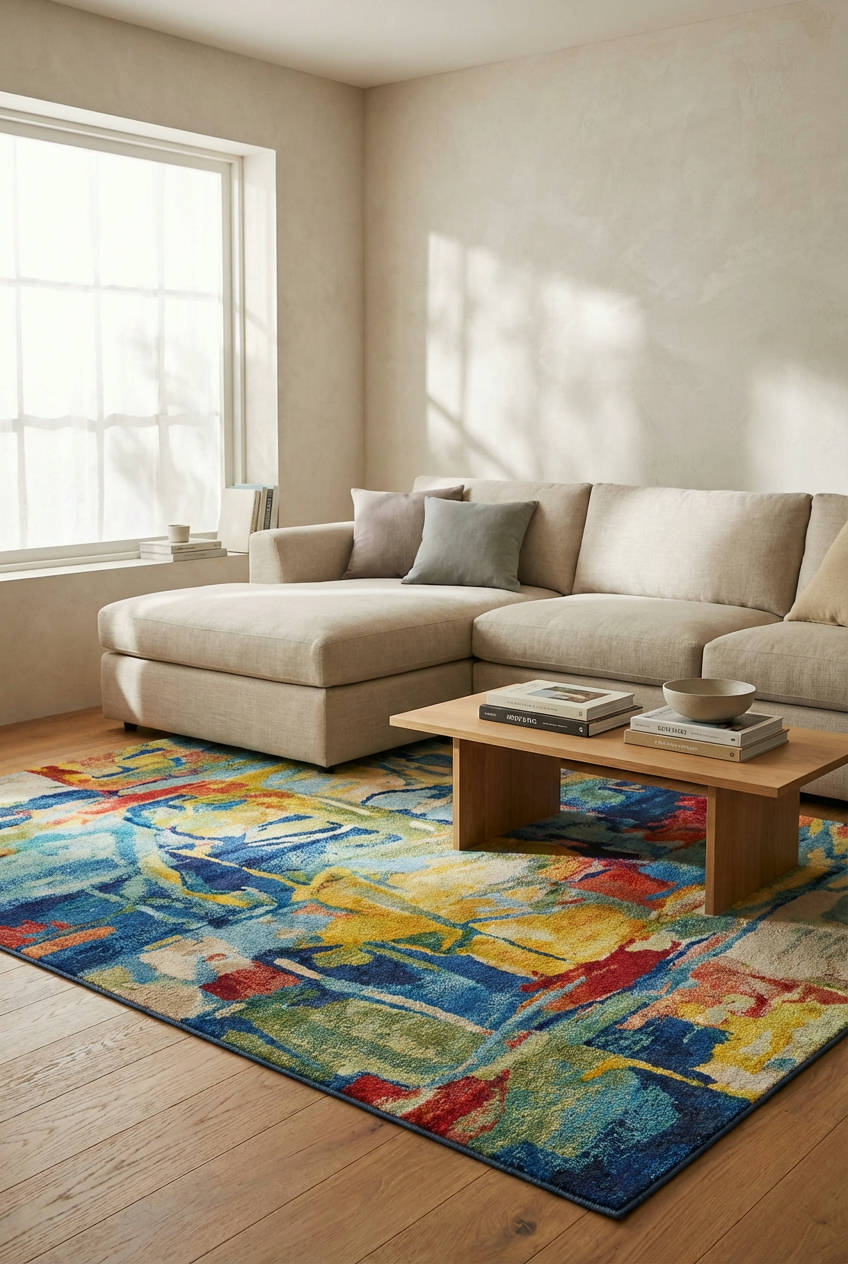
Forget subtle floor coverings; in 2026, rugs are bold statements. Think abstract patterns, vibrant colors, and unique textures that act as a central art piece for your living room. A well-chosen rug can define zones, add warmth, and pull together disparate elements into a cohesive, stylish space. Consider a hand-knotted wool rug featuring an oversized, painterly motif in deep jewel tones, instantly elevating the entire room’s aesthetic. It’s an easy way to inject personality and color into any living area without commitment.
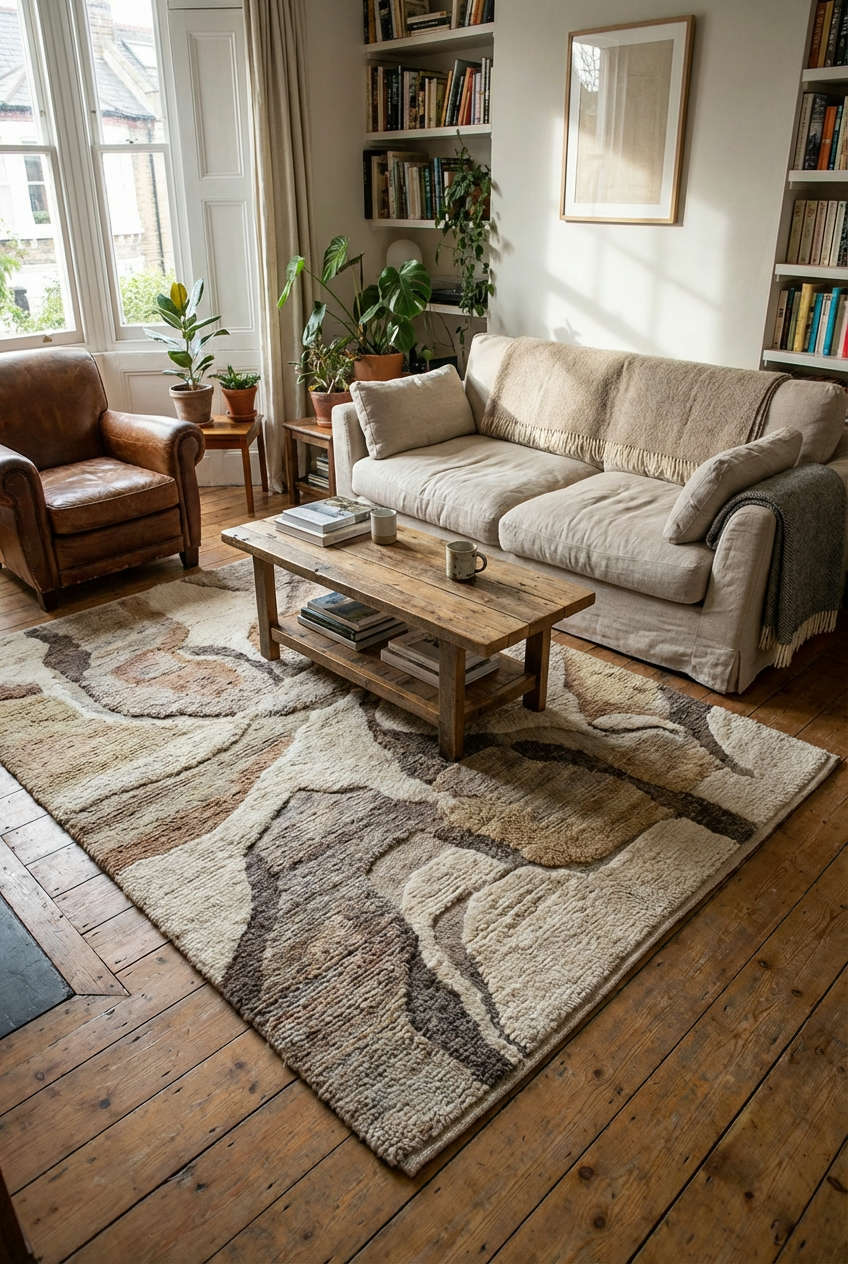
When selecting an artistic rug, consider its scale relative to your furniture. It should be large enough so that at least the front legs of your main seating pieces rest on it. This creates a visually cohesive grouping. Don’t be afraid to mix patterns, but keep color palettes complementary. A micro anecdote: My friend Sarah once bought a vintage Persian rug that completely transformed her rather plain living room, making it feel instantly richer and more collected.
5. Layered Lighting Narratives
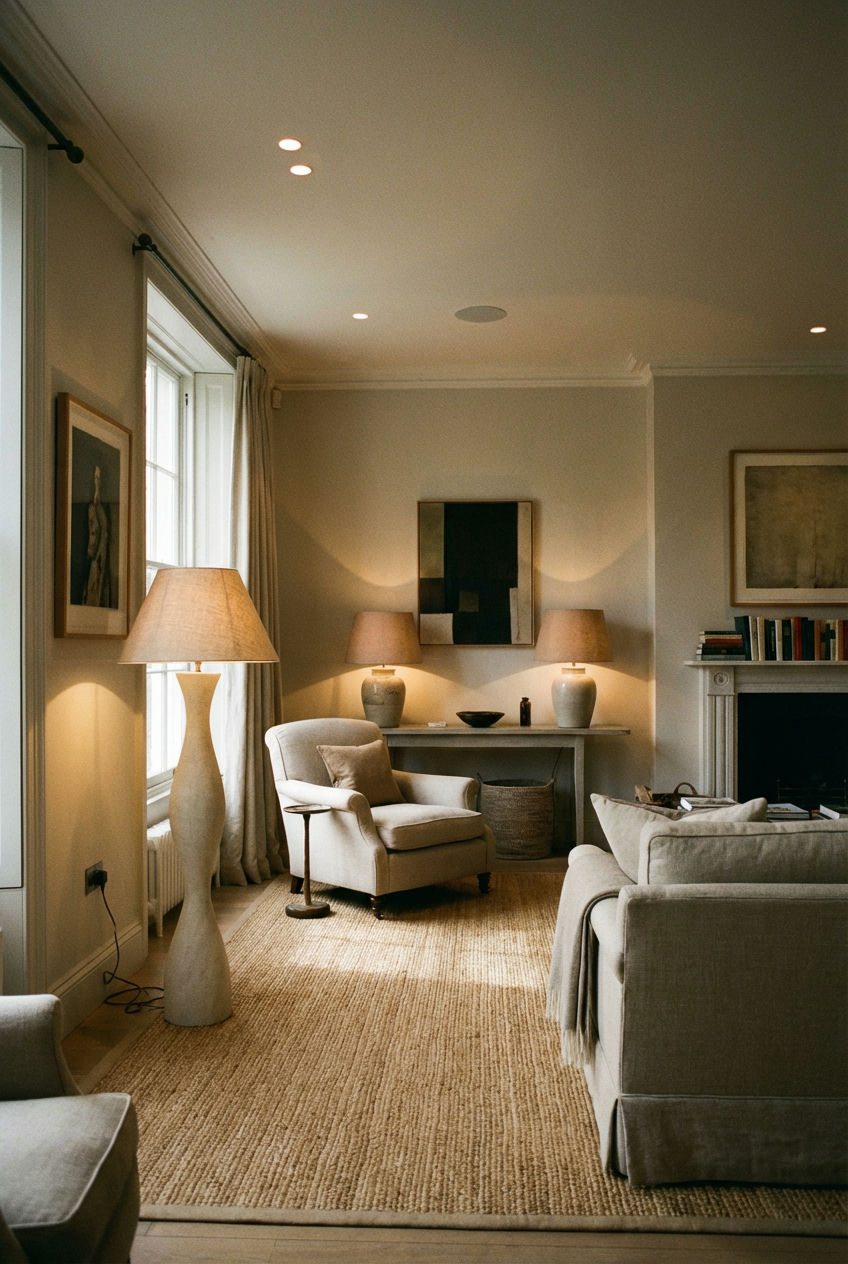
Beyond a single overhead fixture, living room design in 2026 champions layered lighting. This means incorporating ambient, task, and accent lighting to create depth, mood, and functionality in your space. Think dimmable sconces, elegant floor lamps for reading, and subtle uplights to highlight artwork. This thoughtful approach allows you to adjust the atmosphere of your living area to suit any occasion, from a bright work session to a cozy movie night. Imagine recessed lighting subtly illuminating a textured wall.
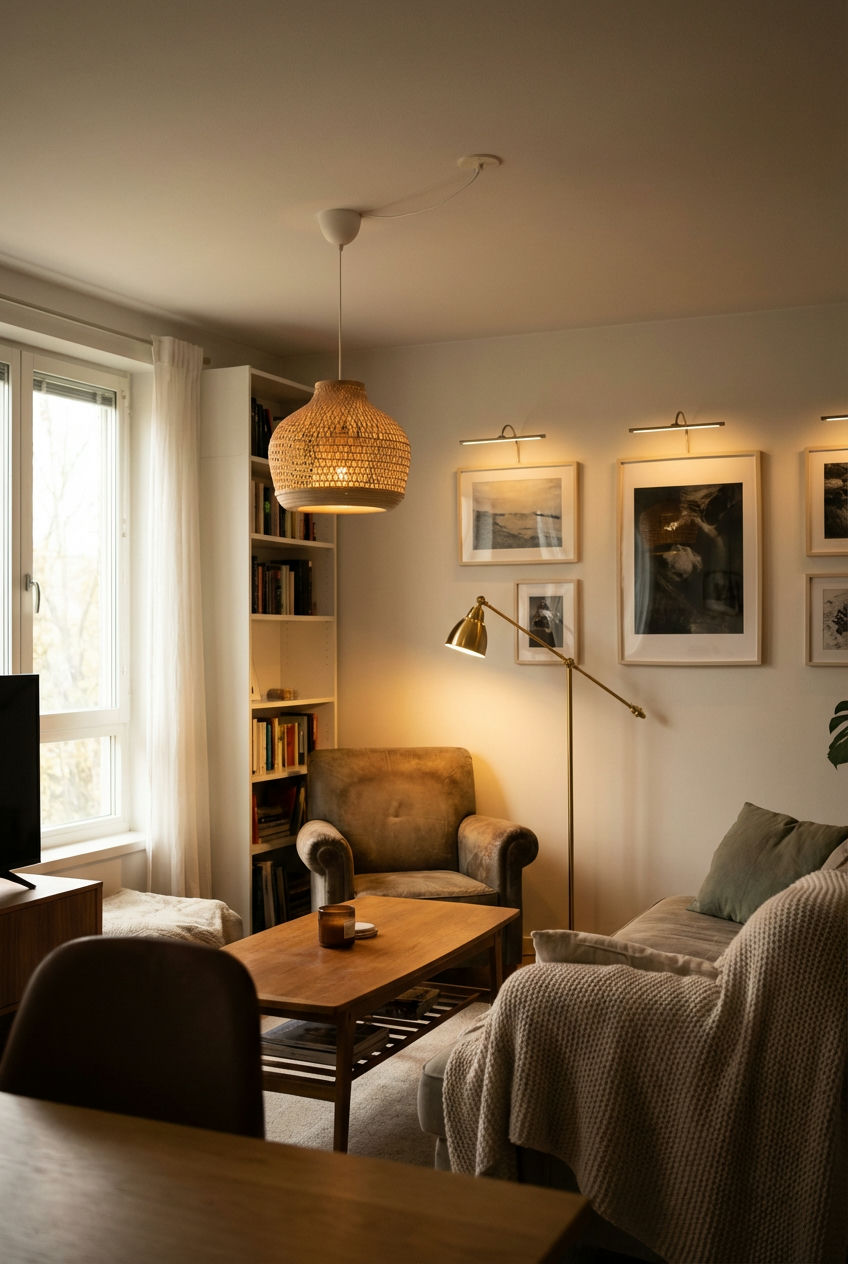
Each layer of lighting serves a distinct purpose. Ambient lighting provides overall illumination, task lighting is directed for specific activities, and accent lighting draws attention to features. The key is to have them all on dimmers for ultimate control. Experiment with different light temperatures – warmer tones for relaxation, cooler for focus. Expert-style commentary: “Good lighting is the unsung hero of interior design; it dictates perception, enhances textures, and fundamentally shapes the emotional experience of a room.”
6. Textural Play
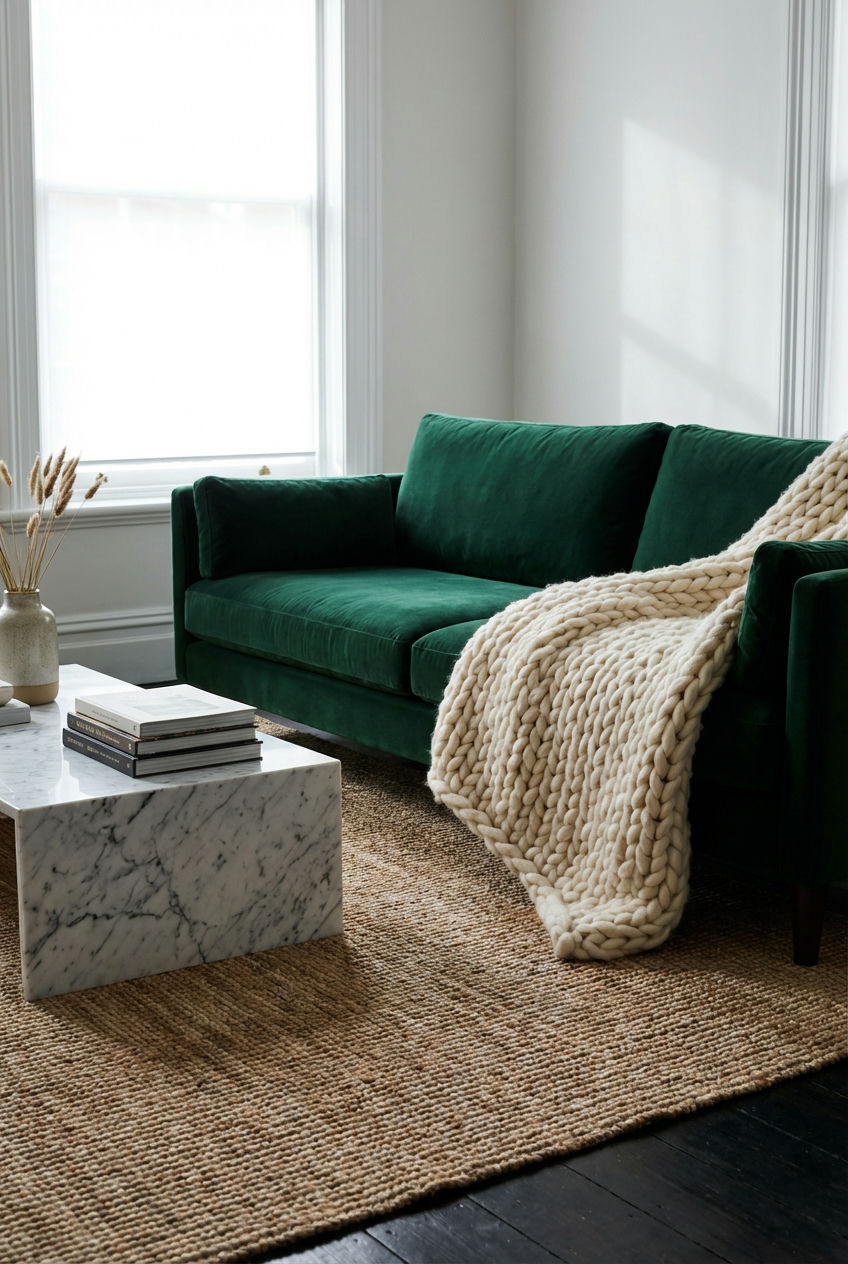
Smooth surfaces are no longer enough; 2026 embraces a symphony of textures to add depth and interest to the living room. Imagine combining rough-hewn wood with soft velvet, nubby wool with sleek metal, and ribbed glass with polished stone. This tactile approach makes a space feel richer and more inviting, encouraging you to reach out and touch. A deep pile shag rug next to a smooth leather sofa creates an appealing contrast, making your living space more dynamic and engaging. Don’t shy away from mixing materials.
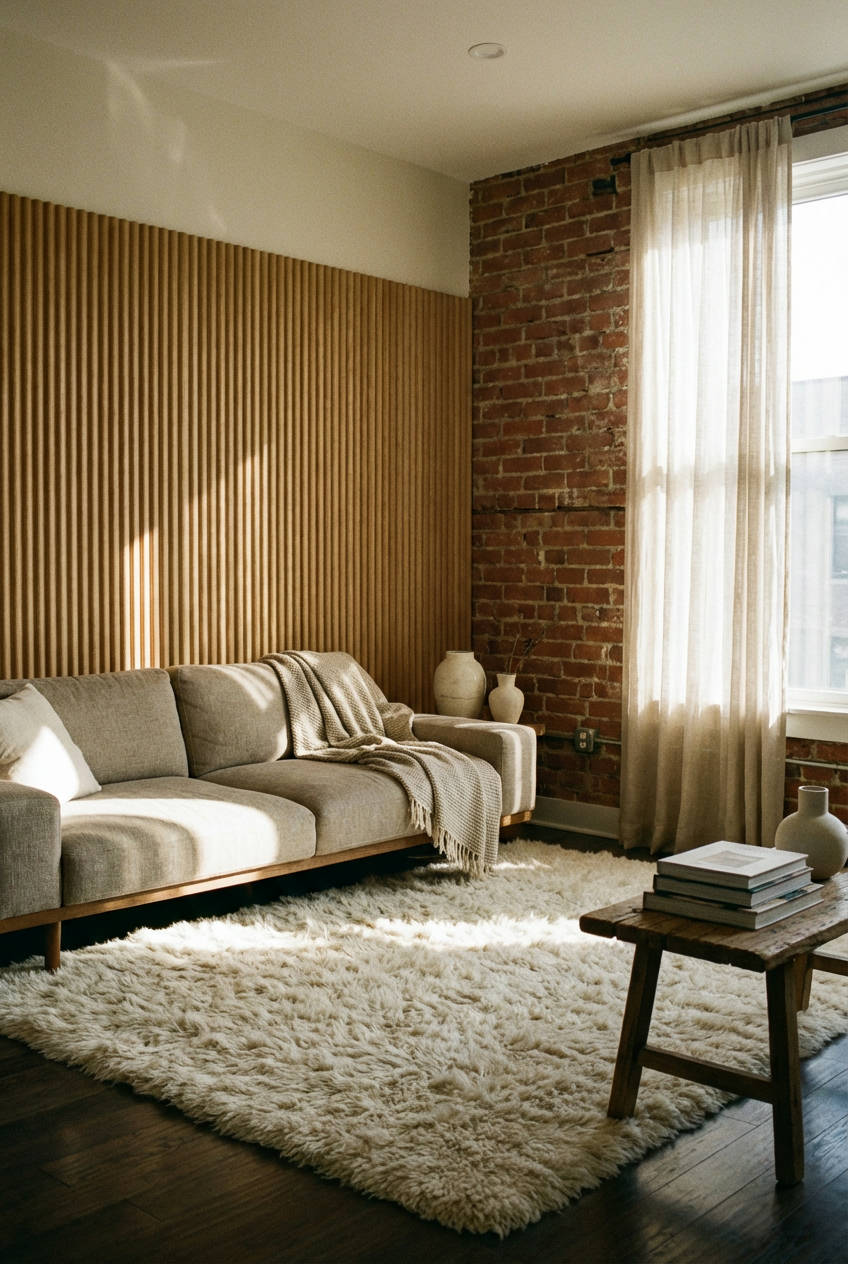
To successfully layer textures, vary the materials and their finishes. Think about how light interacts with each surface – matte, glossy, reflective. It’s about creating visual and tactile interest without overwhelming the eye. Even subtle changes in fabric weave can make a big difference. This also makes a space feel more unique and personalized. Budget/price angle: Incorporating textures doesn’t have to be expensive; throw pillows, blankets, and natural baskets are affordable ways to introduce tactile variety.
7. Curated Collections
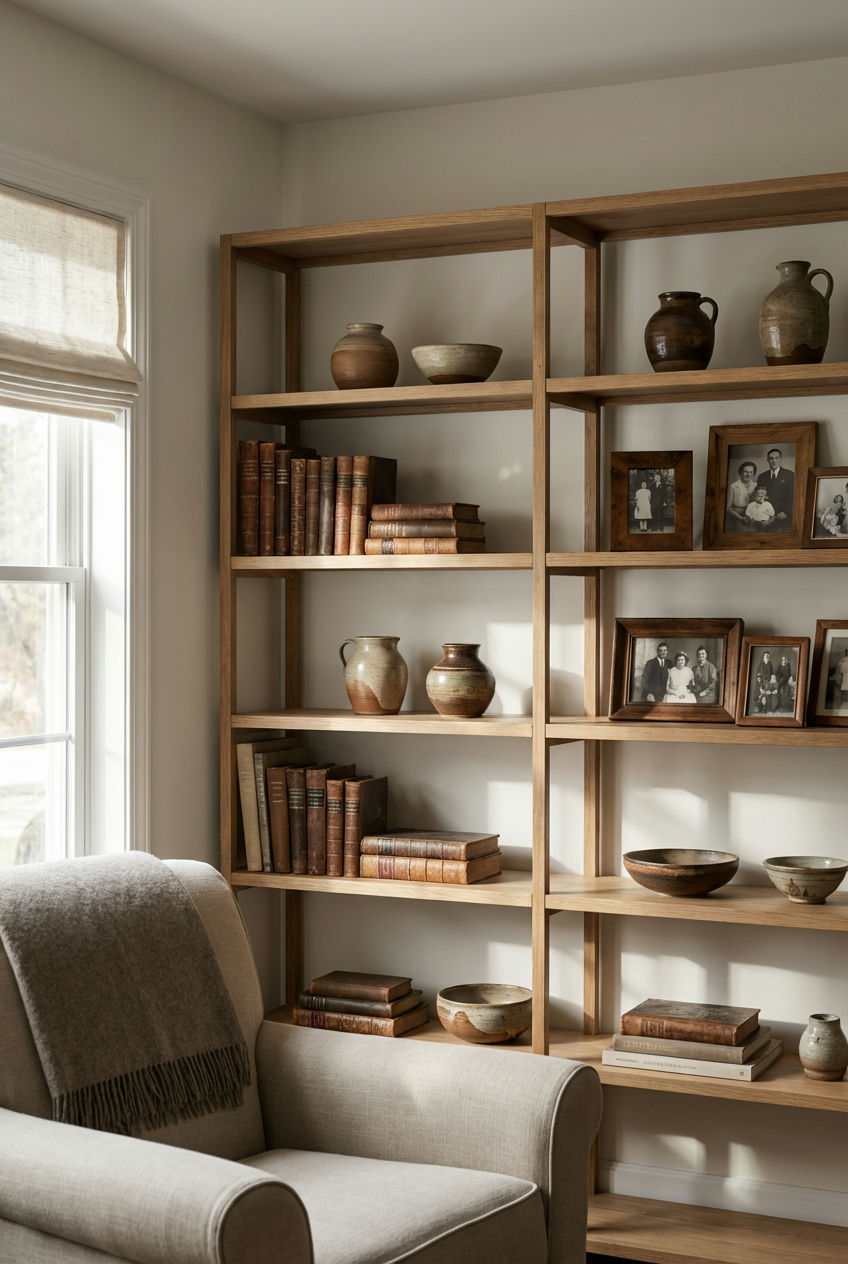
Your living room should tell your story, and in 2026, this means thoughtfully displaying curated collections that hold meaning. Rather than clutter, think purposeful arrangements of art, books, travel finds, or vintage pottery. These collections add character and depth, making your living space uniquely yours. Imagine a floating shelf displaying a series of handcrafted ceramic vases, each one a different shape but in a complementary color palette. This approach transforms everyday objects into personal gallery pieces.
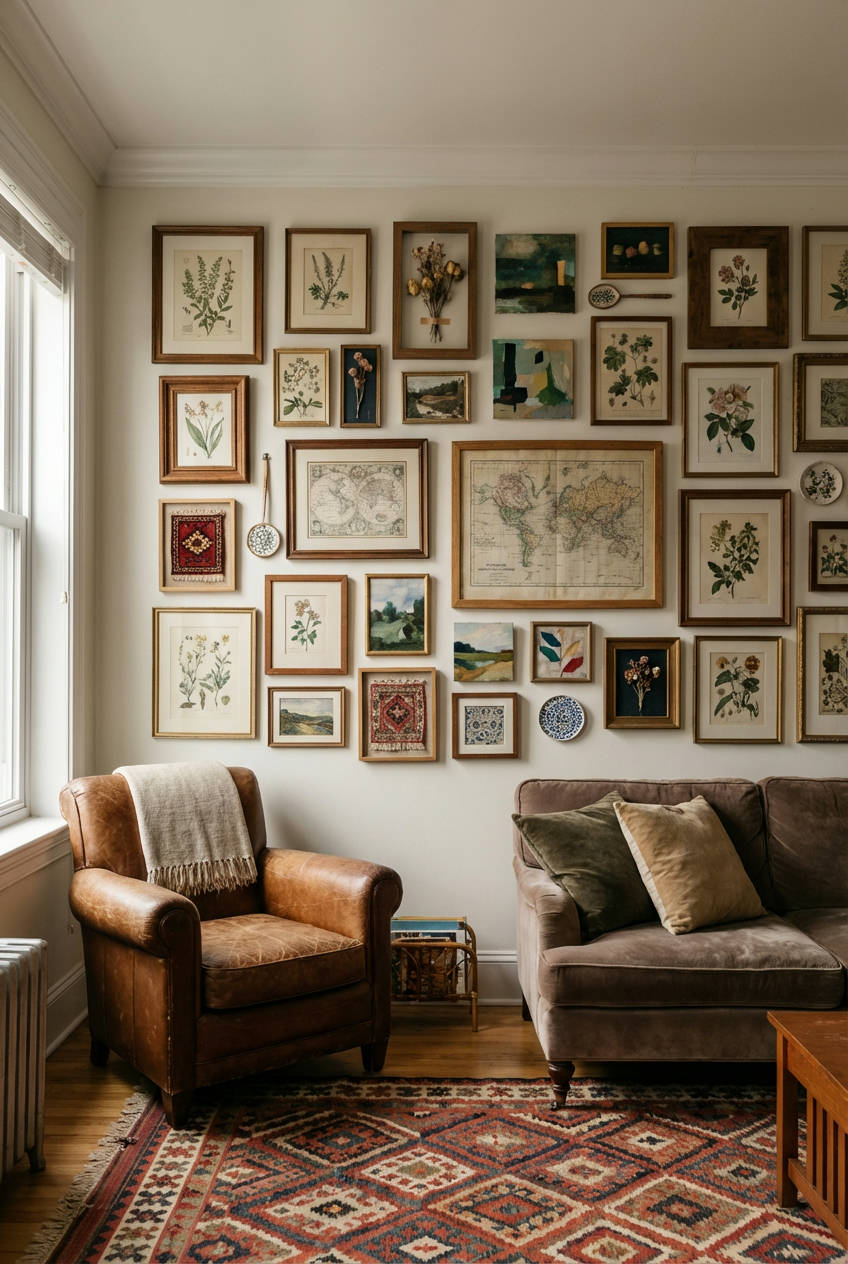
The key to successful curation is editing and arrangement. Group similar items, vary heights, and leave some breathing room to prevent a crowded look. Consider lighting your collections to draw attention to them. Rotating items seasonally or as new pieces are acquired keeps the display fresh and engaging. Real homeowner behavior: Many homeowners are moving away from mass-produced decor towards items with sentimental value or unique origins, reflecting a desire for authenticity.
8. Earthy Color Palettes
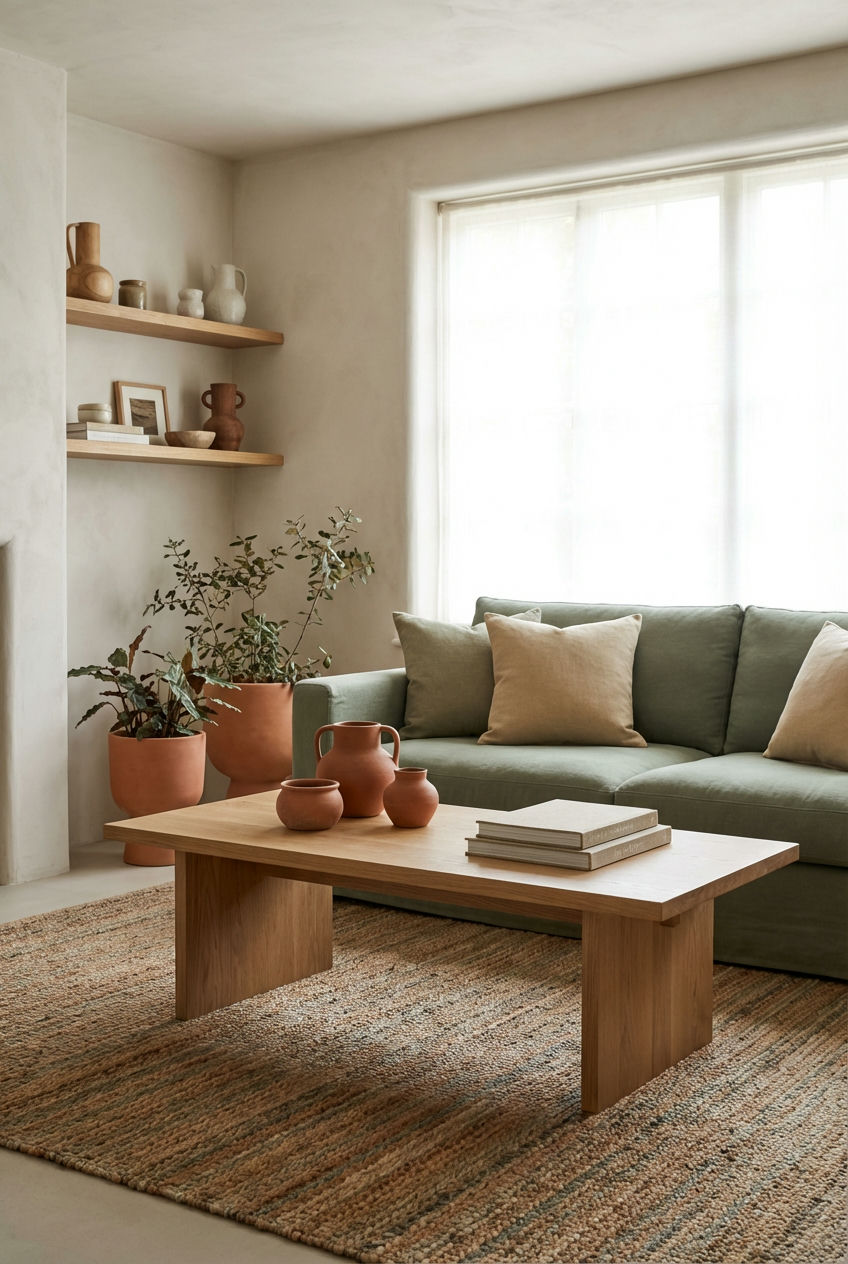
Gone are the days of stark grays; 2026 welcomes grounding, nature-inspired hues into the living room. Think shades of terracotta, sage green, sandy beige, soft clay, and deep rust. These colors create a calming, restorative atmosphere, perfect for a peaceful living space that feels connected to the natural world. Picture a sofa in a warm, muted sage green, complemented by throw pillows in ochre and cream, bringing an organic sensibility indoors. This palette promotes relaxation and offers comforting visual depth.
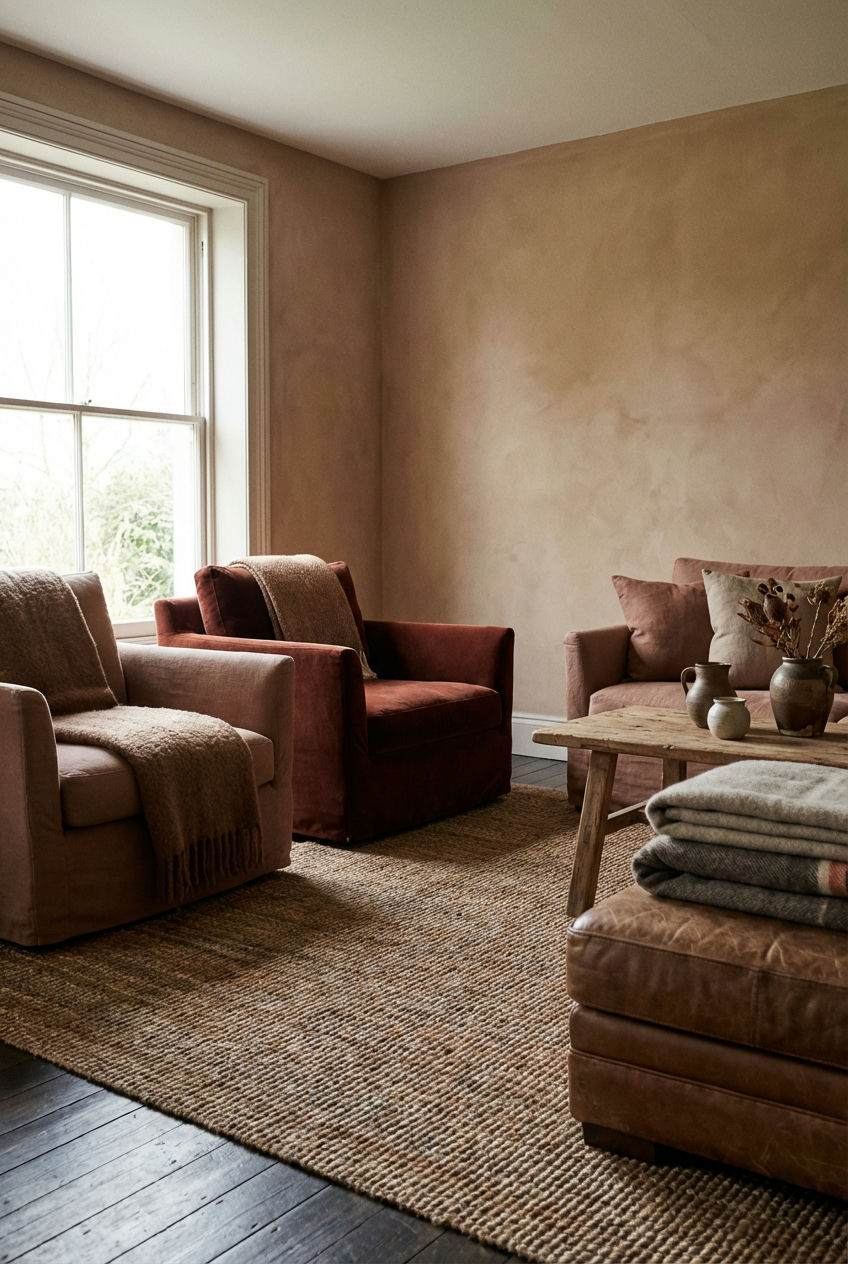
When working with an earthy palette, pay attention to the undertones of your chosen colors to ensure they harmonize rather than clash. Incorporating natural materials like wood, jute, and linen will further enhance this organic feel. These palettes are incredibly versatile, providing a tranquil backdrop for both modern and traditional furnishings. Common mistakes and how to avoid them: Overdoing one color can make a space feel monotonous; introduce variations and complementary shades to add visual interest.
9. Integrated Technology
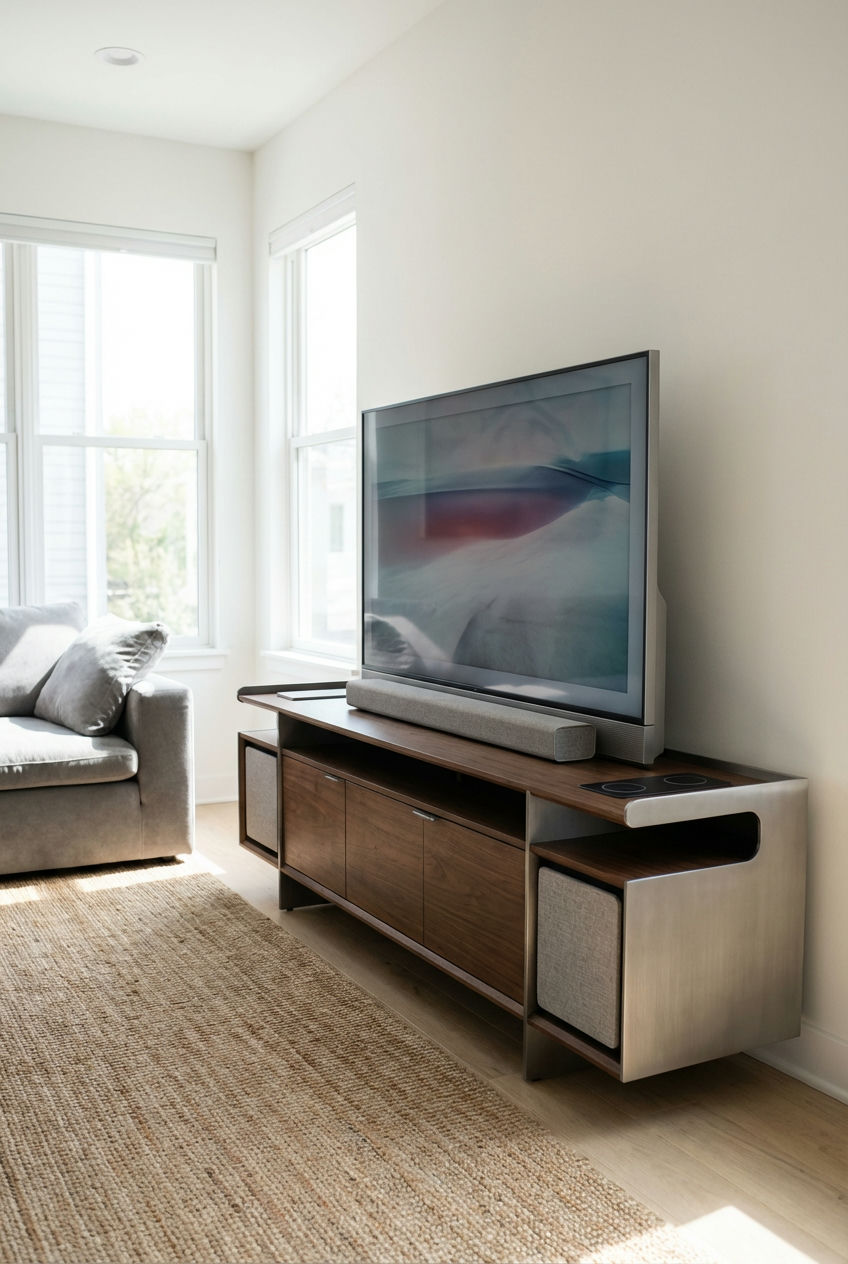
The living room of 2026 seamlessly blends smart technology into the design, making life easier and more enjoyable without compromising aesthetics. Think hidden charging stations, smart lighting systems controlled by voice, and integrated sound systems that deliver supreme audio without bulky speakers. This approach ensures your living space remains uncluttered while being highly functional. Imagine a subtly recessed media console that houses all electronics, keeping cables out of sight and the focus on design. This is about tech enhancing life, not dominating it.
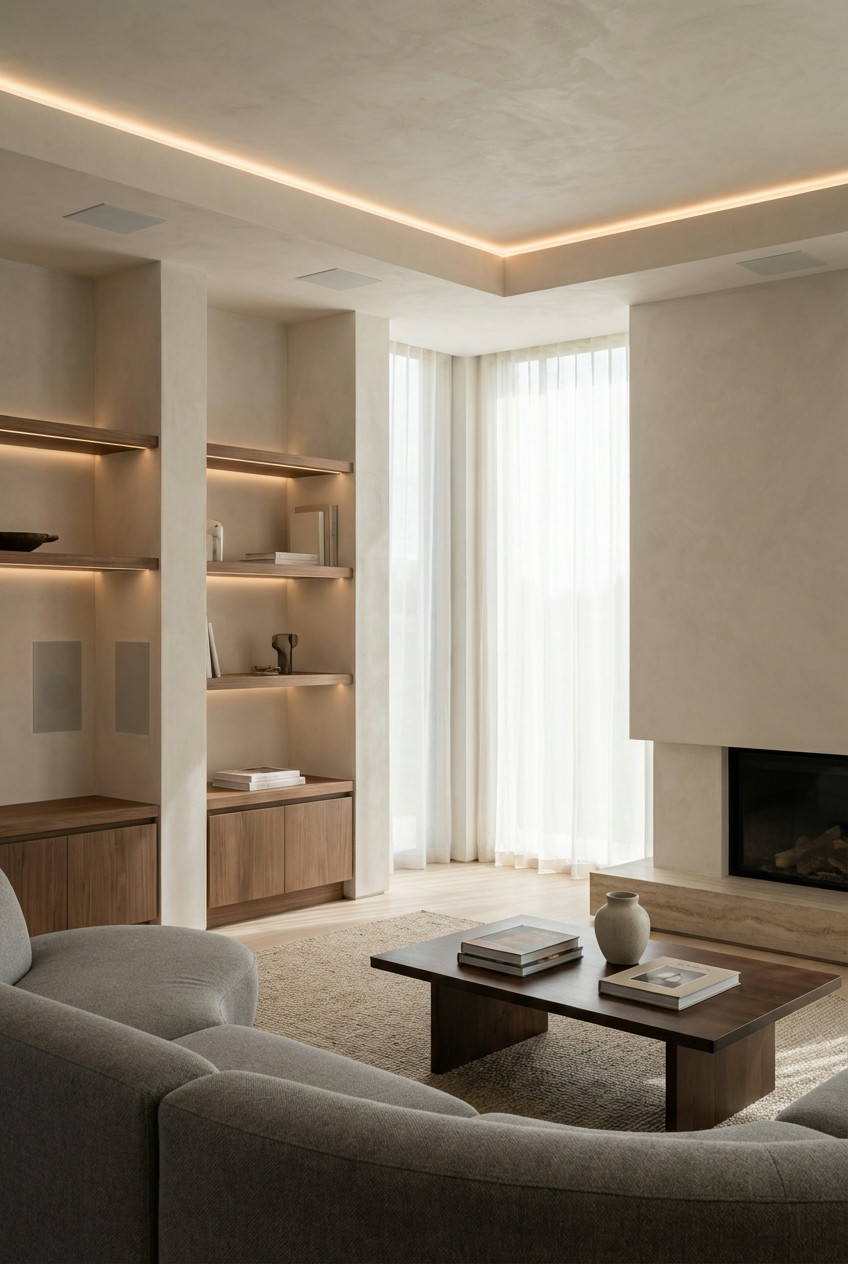
The goal is to make technology disappear when not in use, enhancing the overall comfort and convenience of the living area. Consider smart climate controls, automated blinds, and even hidden projectors that transform a wall into a screen. Planning for integrated tech during renovations or new builds is key for a truly seamless look. Practical insight: Prioritize universal compatibility and future-proofing when investing in smart home devices to ensure longevity and avoid rapid obsolescence.
10. Vintage Finds with Modern Flair
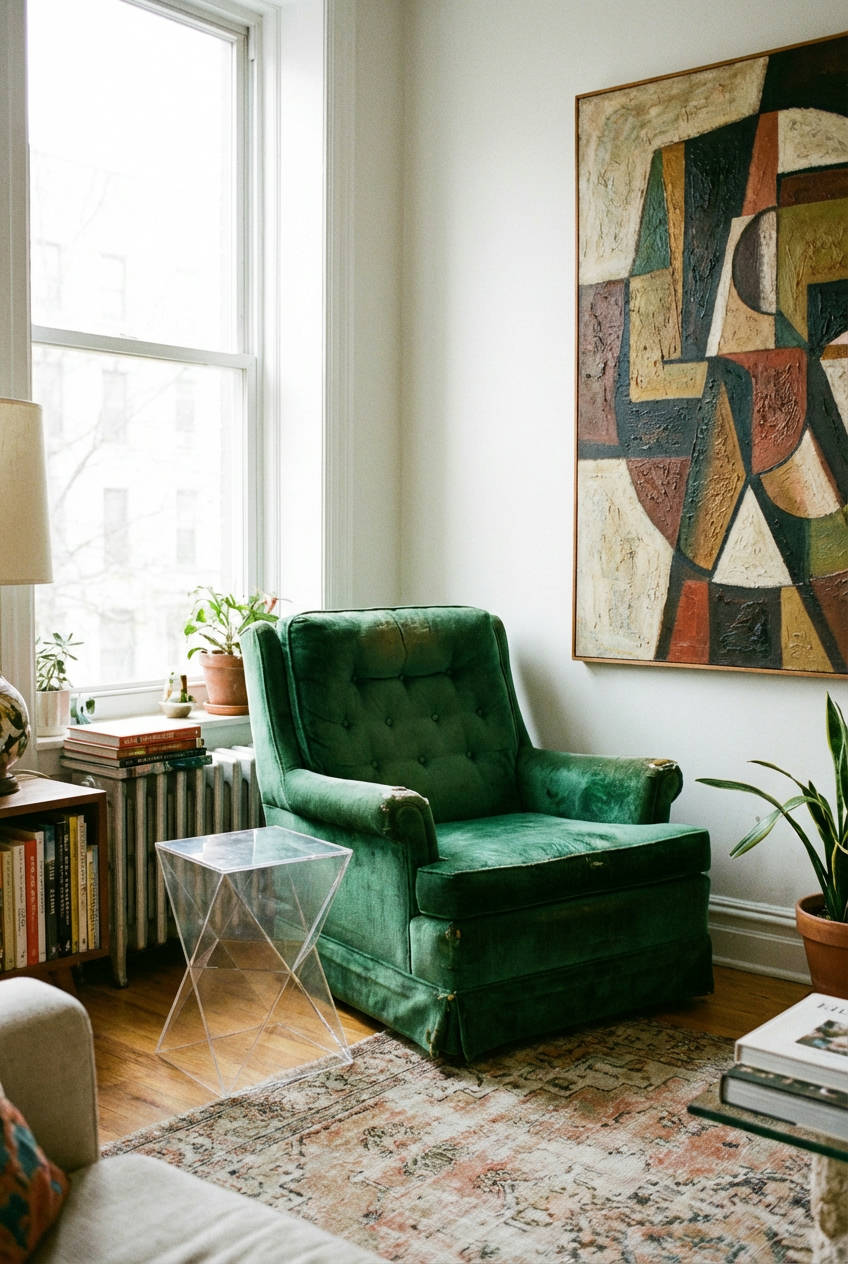
Mixing old and new continues to be a cornerstone of sophisticated living room design in 2026. Pairing a mid-century modern credenza with a contemporary abstract painting or a vintage Persian rug with a sleek, minimalist sofa creates a unique and layered look. These unexpected combinations give your living space character and a sense of history. Imagine an antique gilded mirror reflecting a modern modular sectional, creating a dynamic interplay of eras. This approach prevents a room from feeling too sterile or one-note.
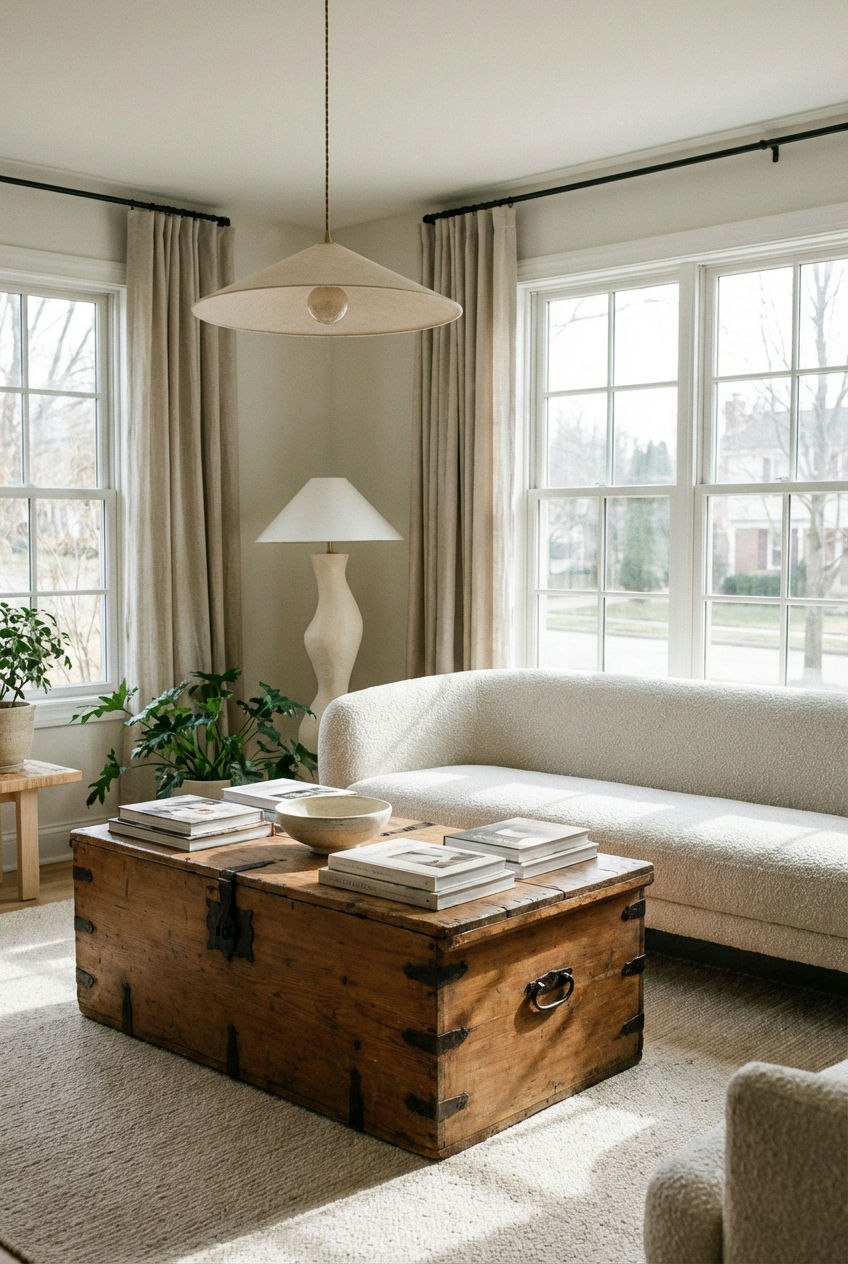
The trick to successfully blending vintage and modern is balance. Let one style dominate slightly, or choose one show-stopping vintage piece and surround it with simpler, contemporary items. This prevents the room from looking like a jumbled antique shop. It’s about creating a dialogue between different eras. American lifestyle or regional context: Americans often love the story behind a vintage piece, giving their homes a sense of history and individuality even in new builds.
11. Defined Multi-Functional Zones
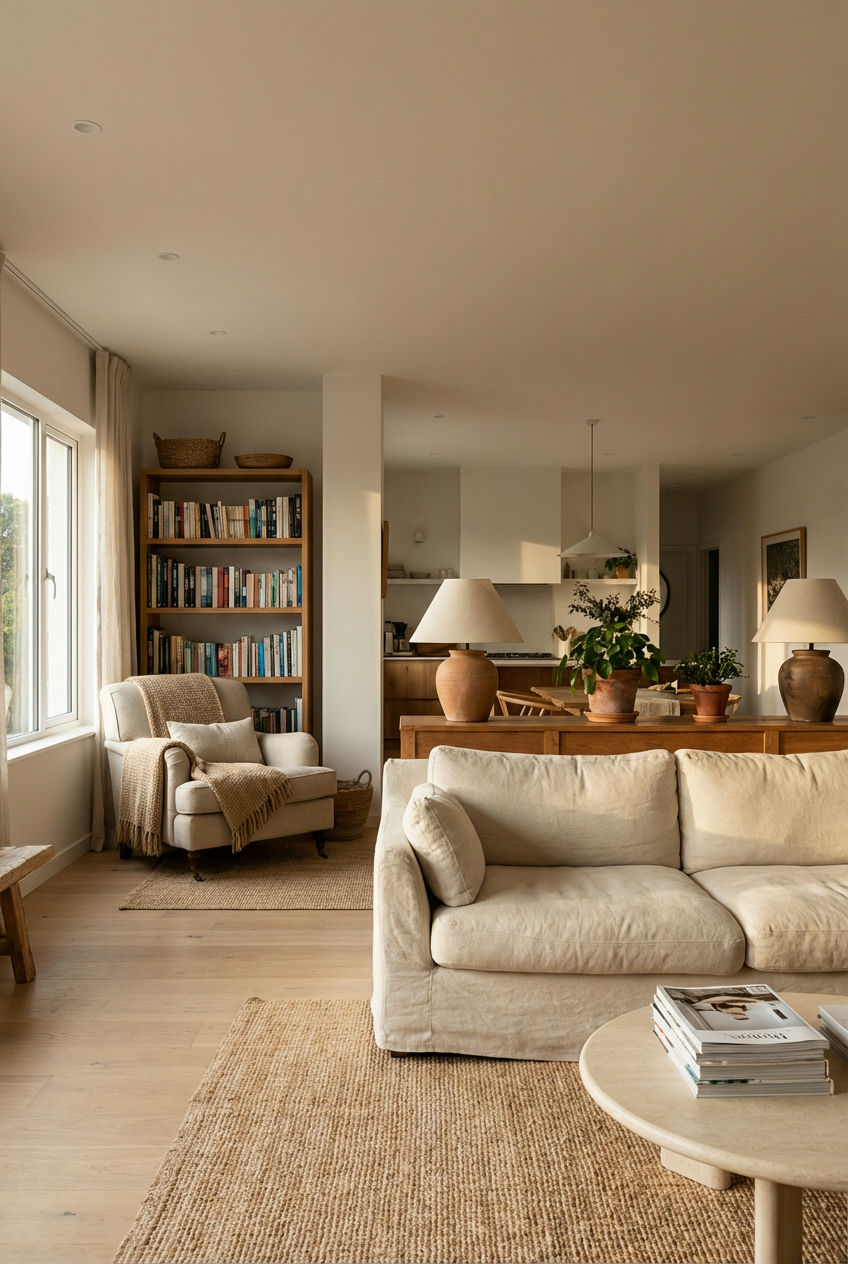
As our homes increasingly serve multiple purposes, the living room of 2026 embraces clearly defined functional zones. Whether it’s a cozy reading nook, a compact home office area, or a dedicated meditation corner, these zones allow your living space to adapt to various needs throughout the day. Room dividers, distinct rugs, or even strategic furniture placement can subtly delineate these areas without needing walls. Picture a stylish, freestanding bookshelf separating a lounge area from a small, elegant desk space.
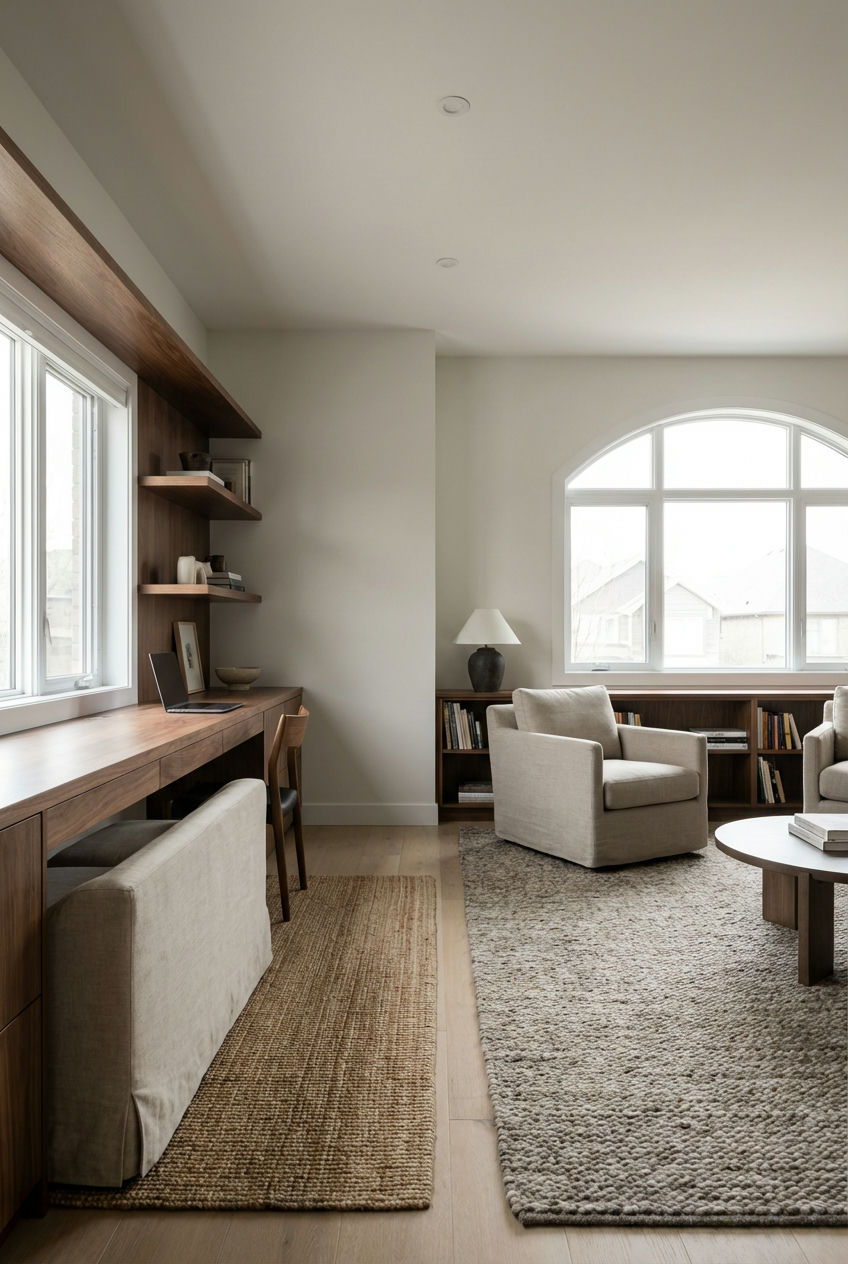
The beauty of this trend is its adaptability. Even in smaller living rooms, careful planning can create distinct areas without sacrificing flow. Think about how you use your space and what activities regularly take place there. Visual cues like different lighting fixtures or decorative elements can also help define each zone. A micro anecdote: I helped a friend carve out a tiny yoga space in her living room just by using a large plant and a dedicated mat, and she said it completely changed her daily routine.
12. Statement Fireplaces
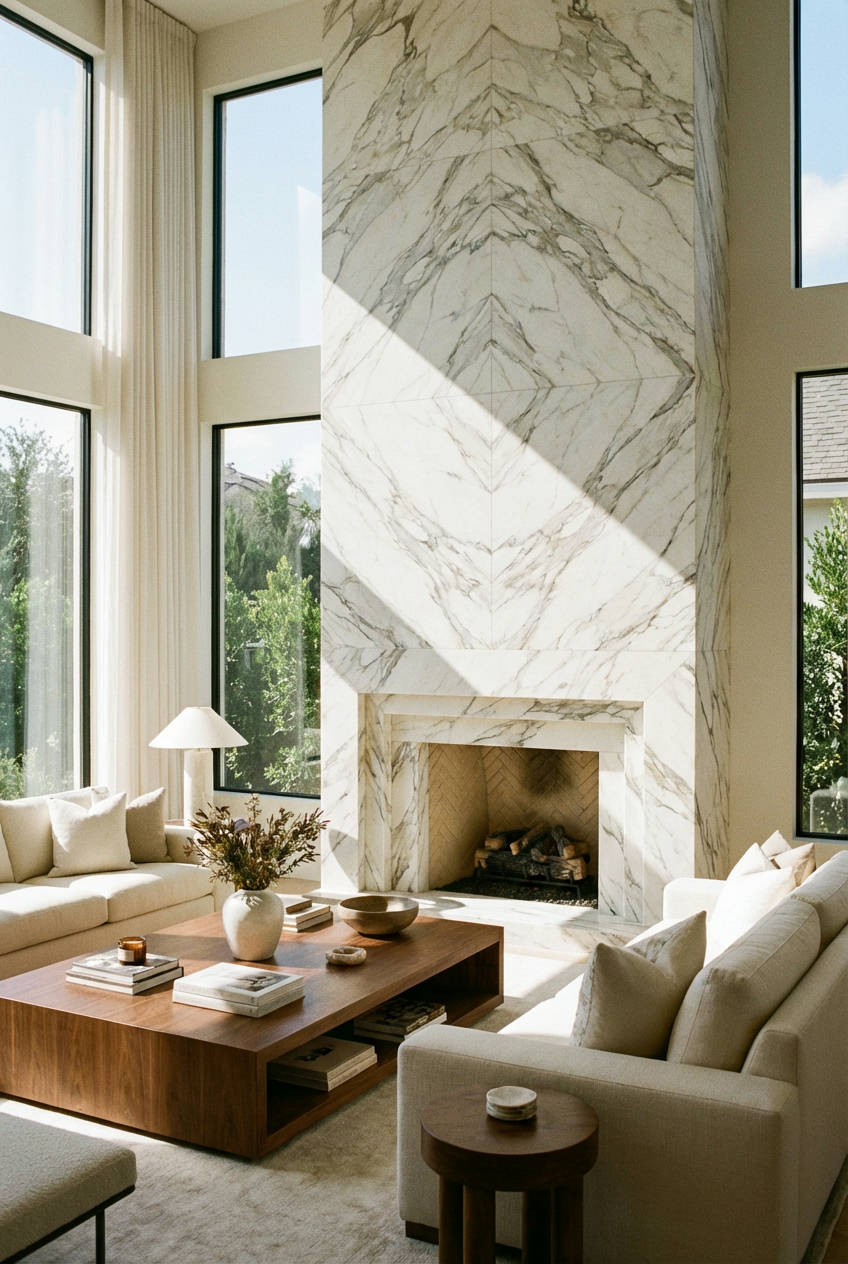
The fireplace is reclaiming its role as a grand focal point in the 2026 living room. This isn’t just about functionality; it’s about architectural presence. Think oversized hearths, modern concrete designs, traditional stone surrounds, or even dramatic, floor-to-ceiling facades. These elements draw the eye and create a cozy gathering point for any living area. Imagine a sleek, built-in gas fireplace with a cantilevered concrete mantelpiece, exuding contemporary elegance. It brings a sophisticated warmth to the entire space.
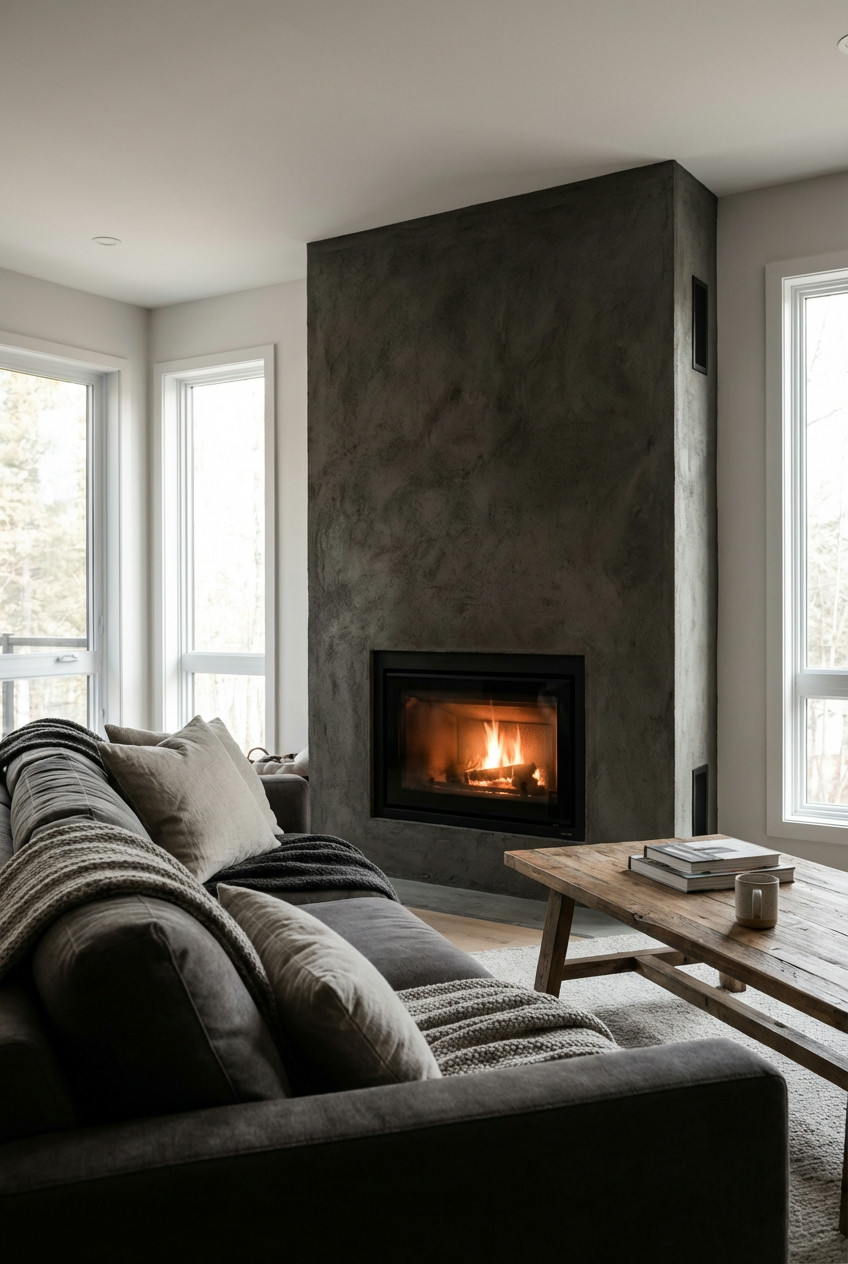
Whether you have a traditional wood-burning fireplace or a modern electric unit, emphasizing its design elements can dramatically impact the room’s overall aesthetic. Consider adding built-in shelving or seating around it for extra functionality and appeal. A statement fireplace transforms the room into a true gathering space. Where it works best: In homes aiming for a luxurious or architecturally significant feel, making the fireplace a central design element enhances the sense of permanence and grandeur.
13. Natural Wood Accents
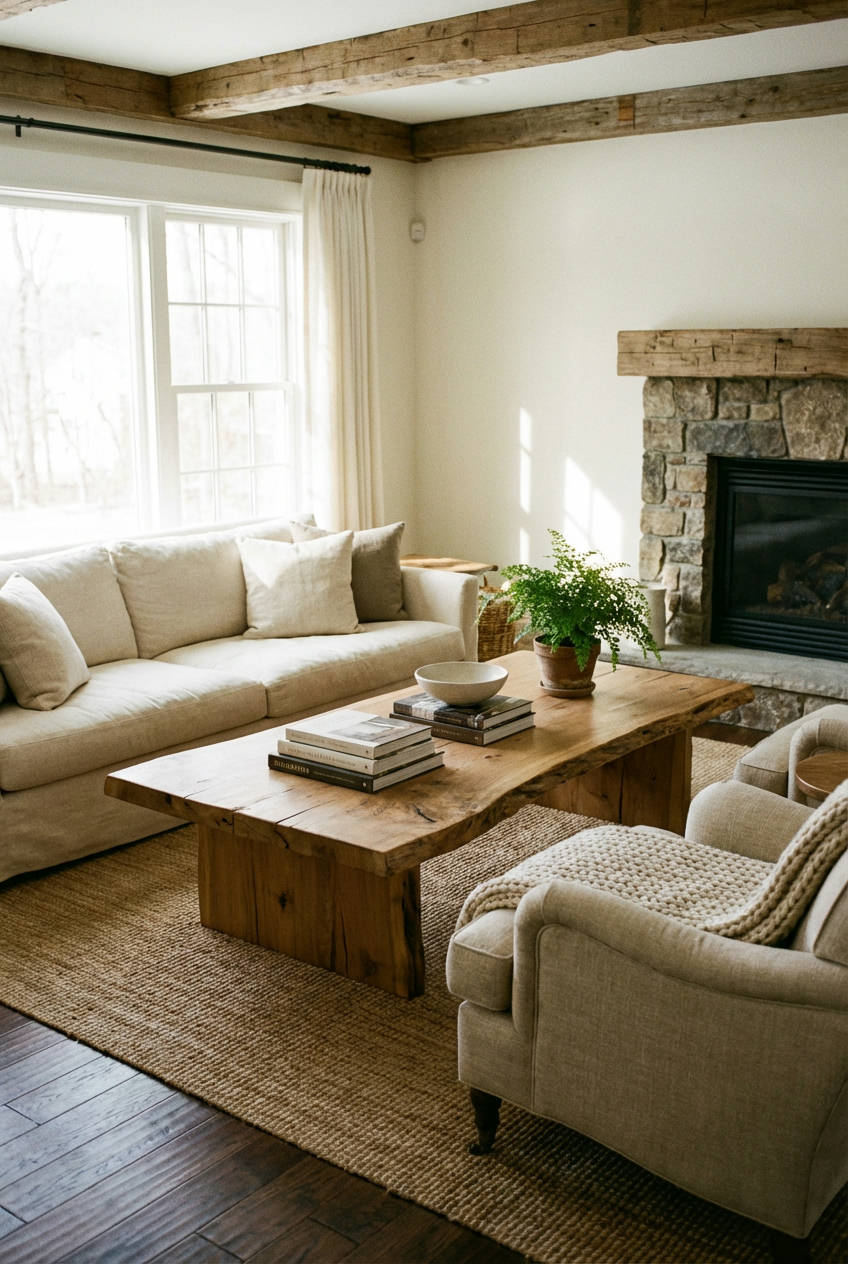
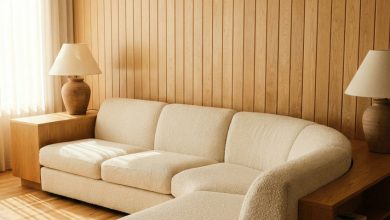
Raw and authentic, natural wood is taking center stage in 2026 living room design. From live-edge coffee tables to exposed ceiling beams and intricately carved side tables, wood brings warmth, texture, and a touch of organic elegance to any living space. The key is to celebrate the natural grain and imperfections. Imagine an accent wall clad in reclaimed weathered oak planks, providing rich texture and a rustic, yet modern, feel. It’s about embracing the beauty of natural materials.
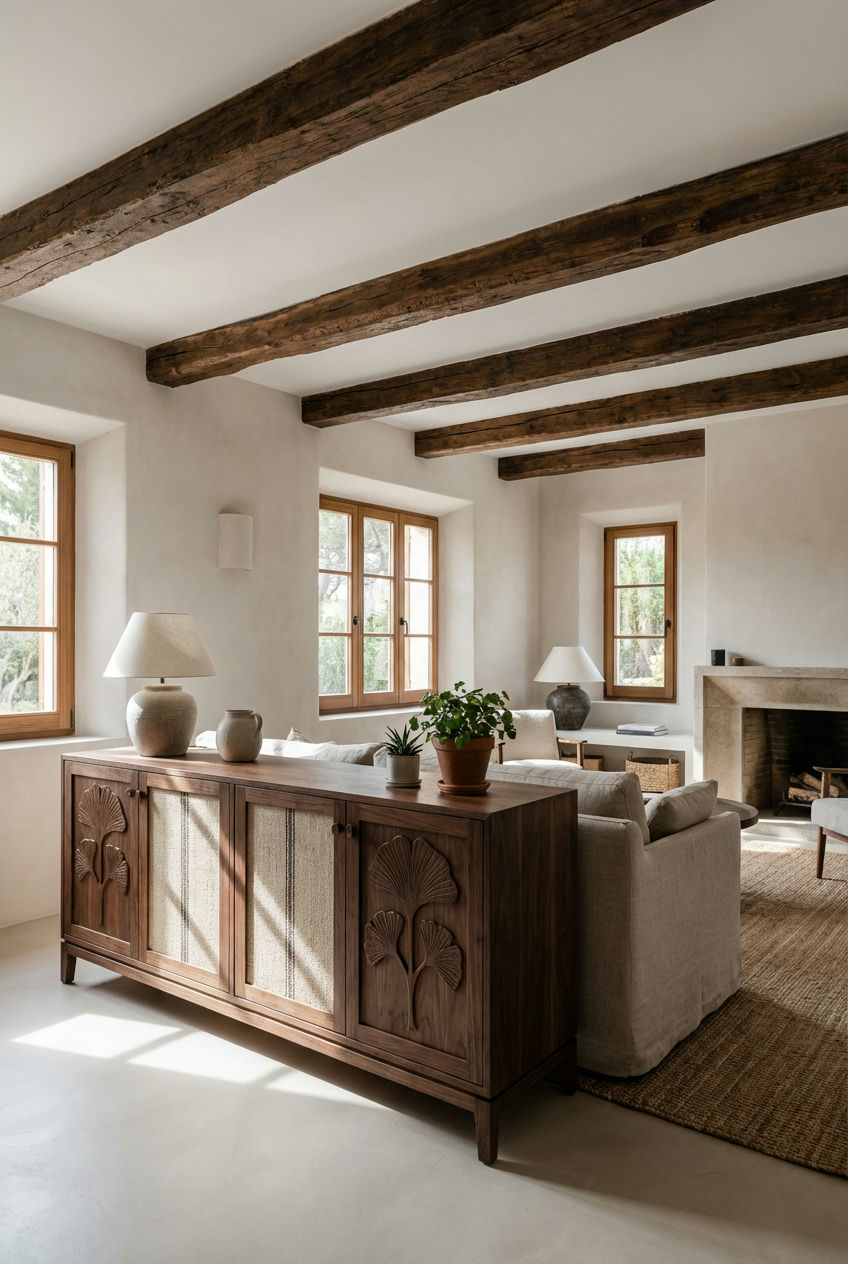
When incorporating natural wood, consider the type of wood and its finish. Lighter woods like maple or ash offer a more contemporary feel, while darker woods like walnut or cherry exude classic sophistication. Mix different types and finishes for added visual interest. Also, consider the origin of the wood for sustainability points. Expert-style commentary: “Natural wood acts as a grounding element, connecting us to nature and providing a timeless foundation that can complement any evolving design trend.”
14. Soft, Rounded Forms
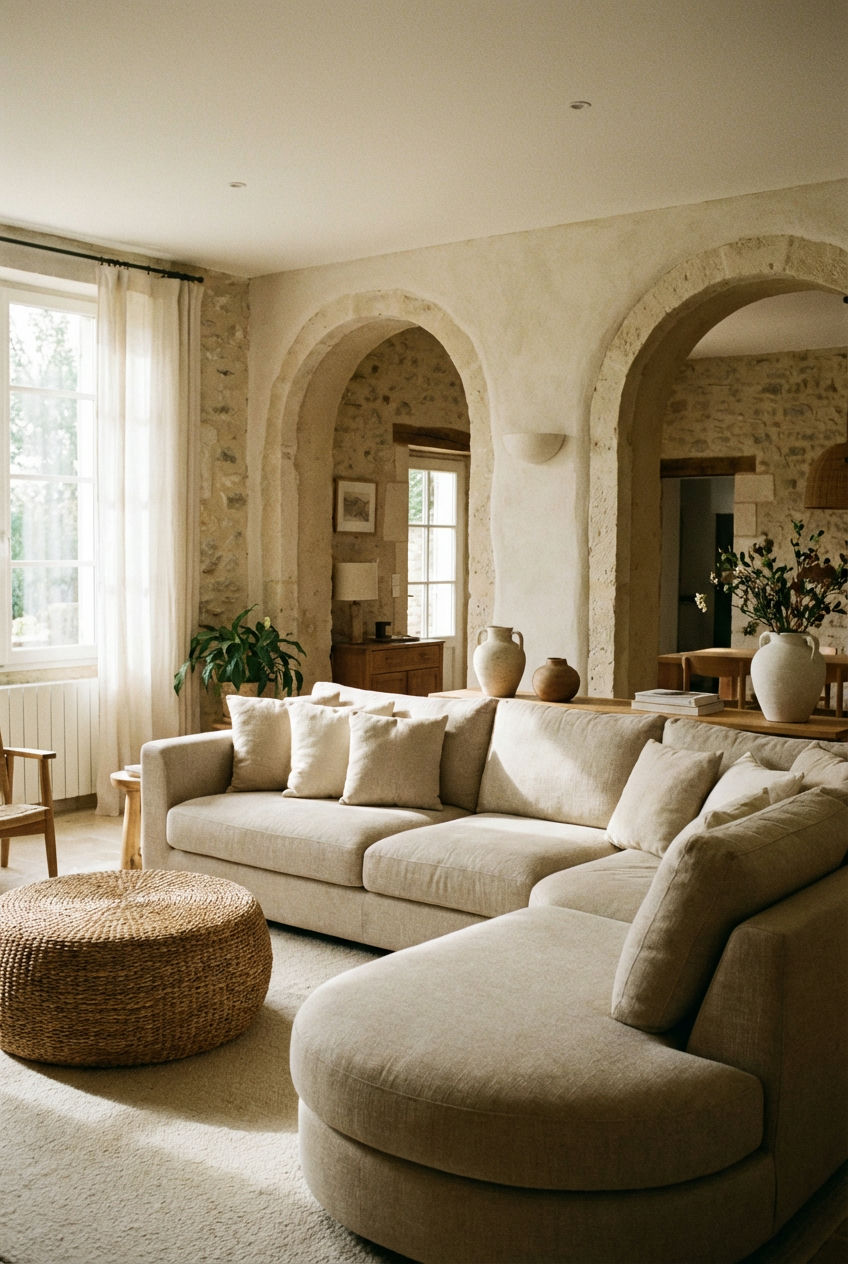
Sharp angles are softening in 2026, giving way to comforting curves and rounded edges in living room furniture and decor. Think plump sofas, circular coffee tables, and archways that create a sense of softness and fluidity. These organic shapes contribute to a more approachable and inviting living space, encouraging relaxation and comfort. Imagine a cloud-like modular sofa with rounded corners, inviting you to sink in and unwind. This trend creates a more gentle and aesthetically pleasing environment.
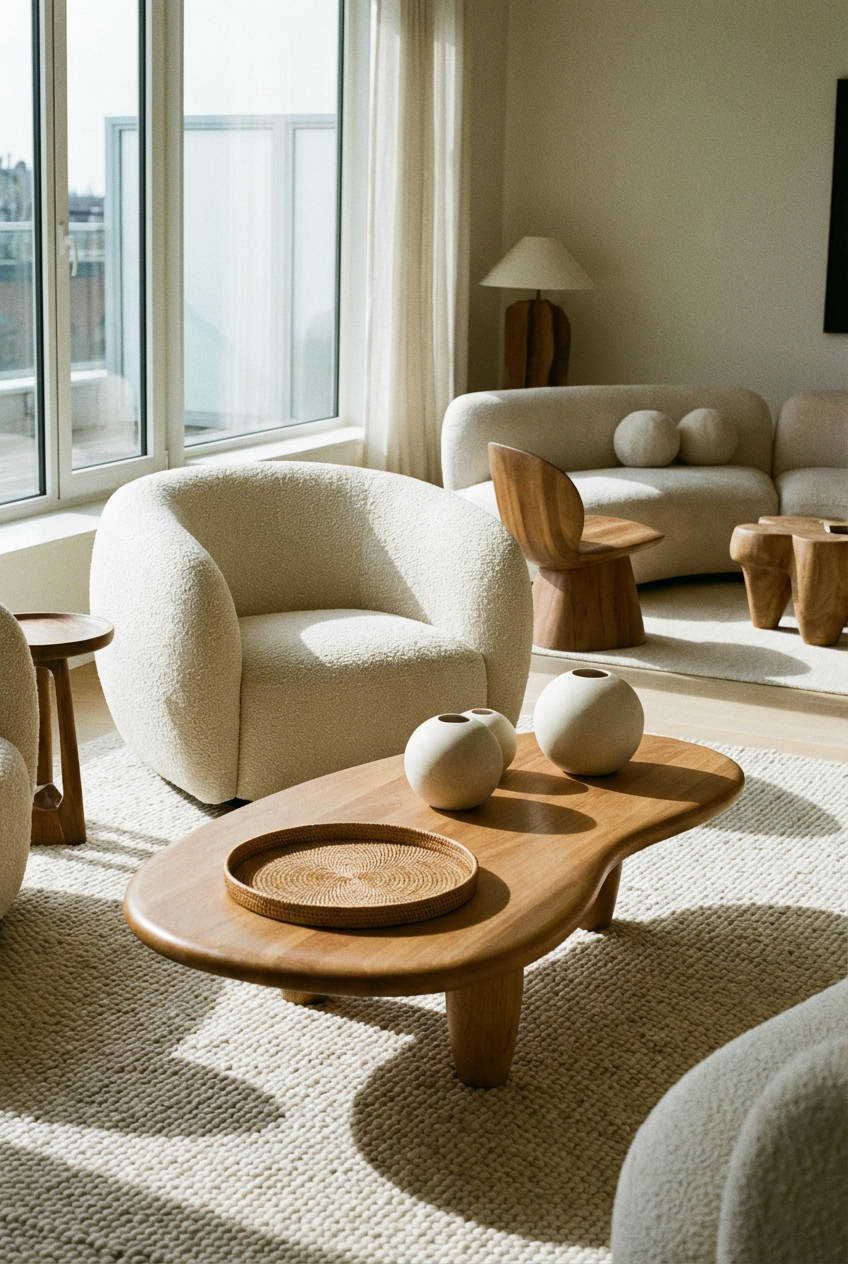
Rounded forms not only enhance comfort but also improve flow in your living area, making it easier to circulate around furniture. They can soften a stark architectural space and create a more cocoon-like atmosphere. Even small touches like a round mirror or a spherical vase can contribute to this aesthetic. Budget/price angle: You can incorporate this trend affordably with rounded throw pillows, ceramic decor, or even by rearranging existing furniture to create softer sightlines.
15. Statement Wall Art
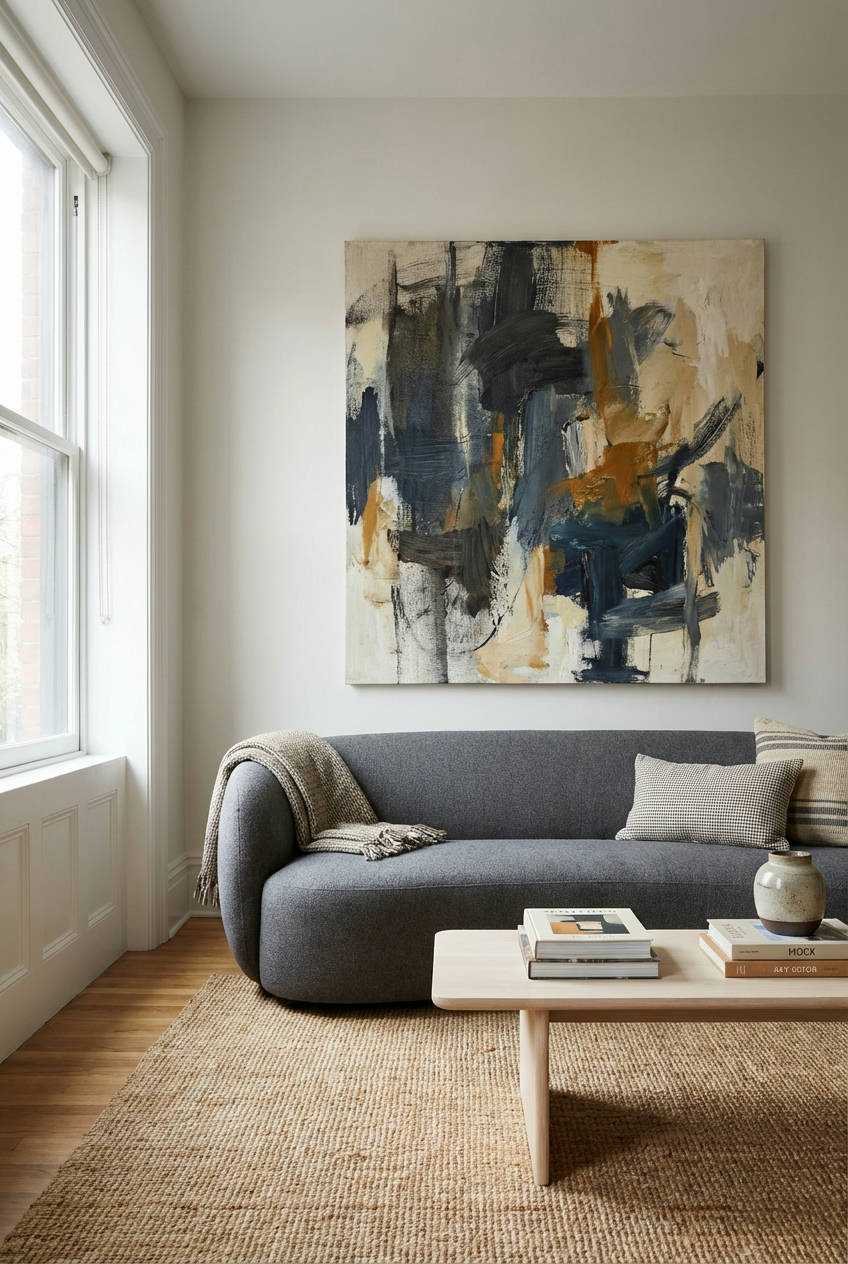
In 2026, your living room demands a conversation starter in the form of impactful wall art. This could be an oversized abstract painting, a dramatic photographic print, or a sculptural textile hanging that commands attention. A single, powerful piece can anchor the entire living space and reveal your personality more effectively than a gallery wall of smaller items. Imagine a vast canvas of vibrant, swirling colors hung above a minimalist sofa, immediately drawing the eye and setting the artistic tone for the room.
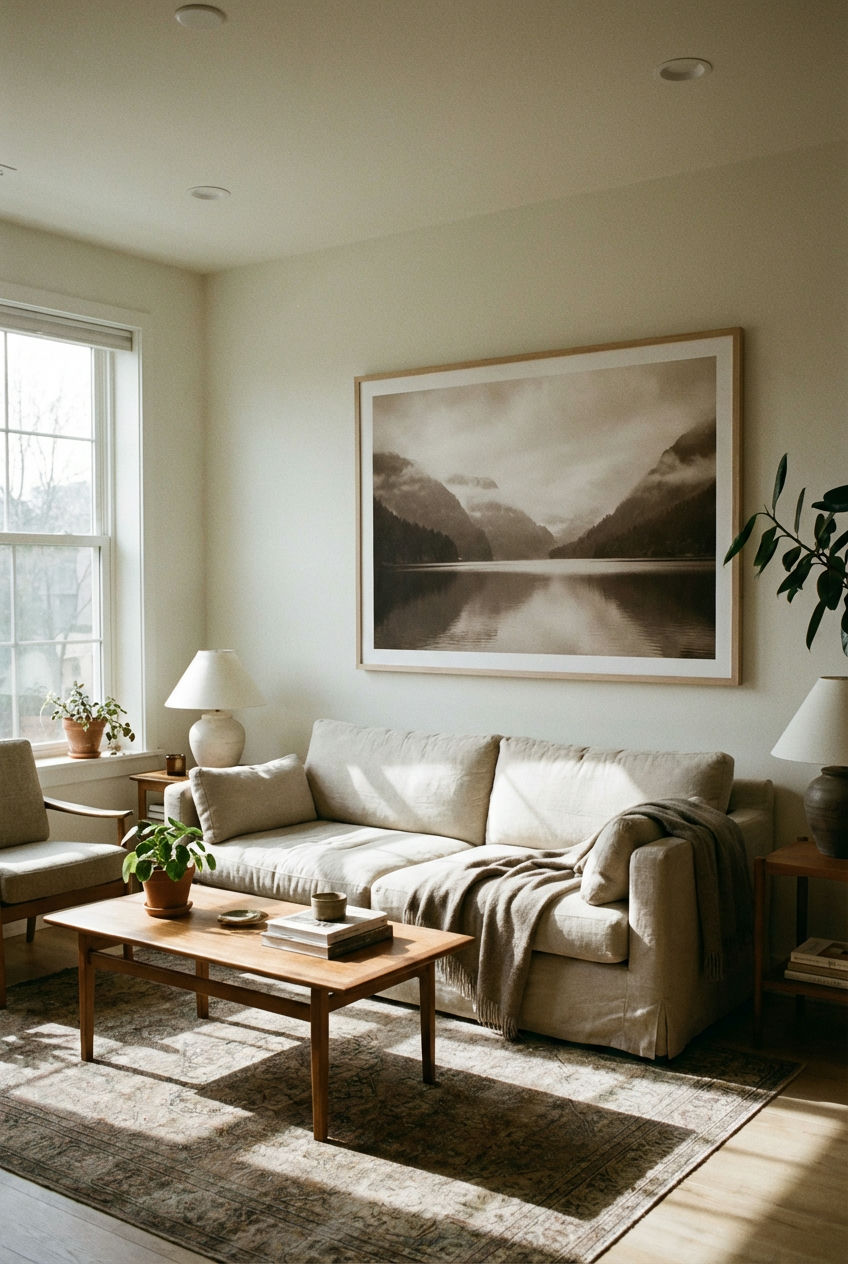
When choosing a statement piece, consider its size in relation to the wall and surrounding furniture. It should be large enough to feel impactful but not so big that it overwhelms the room. The color palette of the art can either complement or contrast with your existing decor, depending on the desired effect. Real homeowner behavior: Homeowners are often willing to invest more in meaningful art that resonates with them personally, treating it as an heirloom rather than just decor.
16. Mindful Material Choices
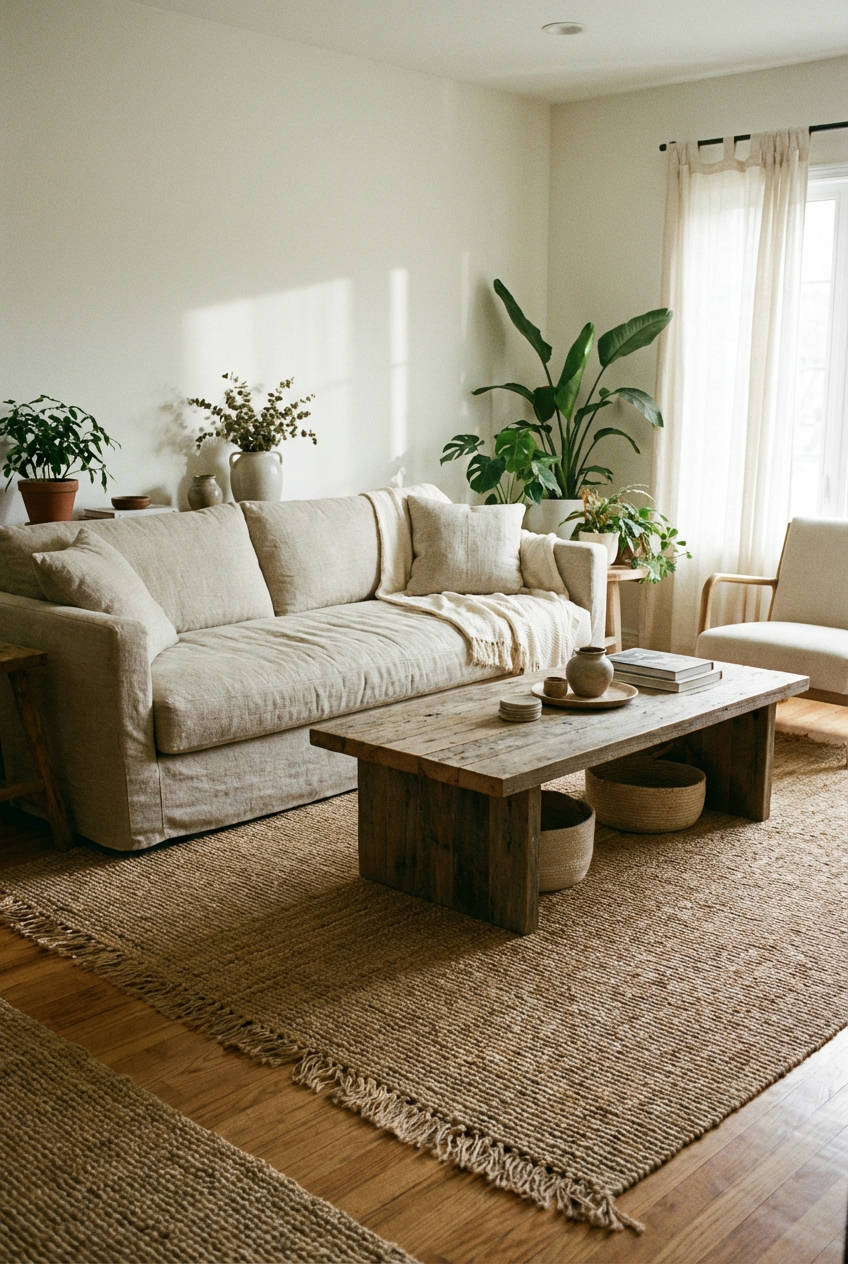
Sustainability and ethical sourcing are paramount in 2026 living room design. This means opting for furniture and decor made from recycled materials, sustainably harvested wood, organic cotton, linen, or consciously upcycled pieces. Making mindful choices contributes to a healthier planet and a more thoughtful living environment. Think a sofa upholstered in recycled content fabric, or a coffee table crafted from reclaimed barn wood, telling a story of thoughtful design. Choosing these materials creates a ripple effect of positive impact.
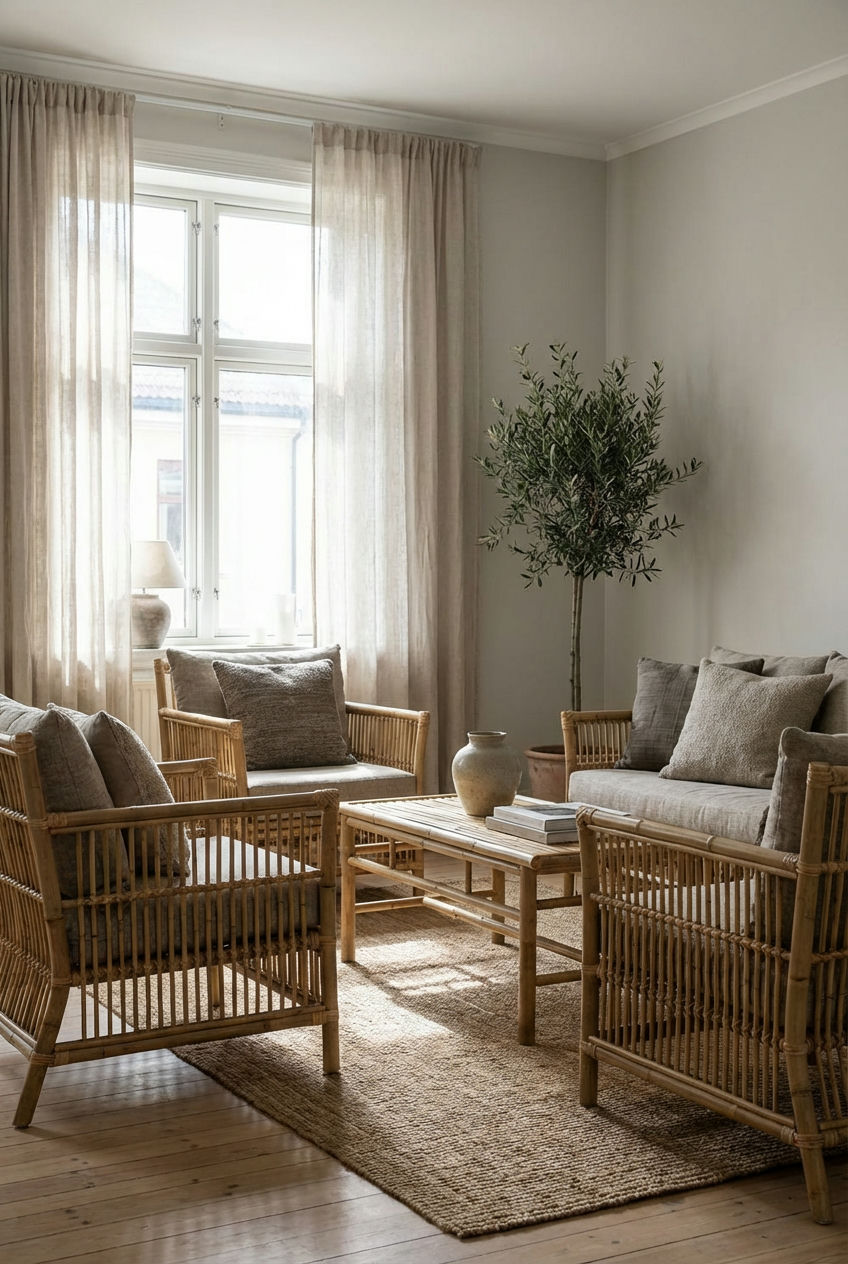
Beyond the primary materials, consider the entire lifecycle of a product, from manufacturing processes to its end-of-life disposal. Even small decisions, like choosing a local artisan for a custom piece, can reduce your environmental footprint. Look for certifications and transparency from brands. Common mistakes and how to avoid them: Don’t sacrifice quality for sustainability; many eco-friendly options are incredibly durable and beautiful. Always research brands thoroughly to avoid “greenwashing.”
17. Japandi Influence
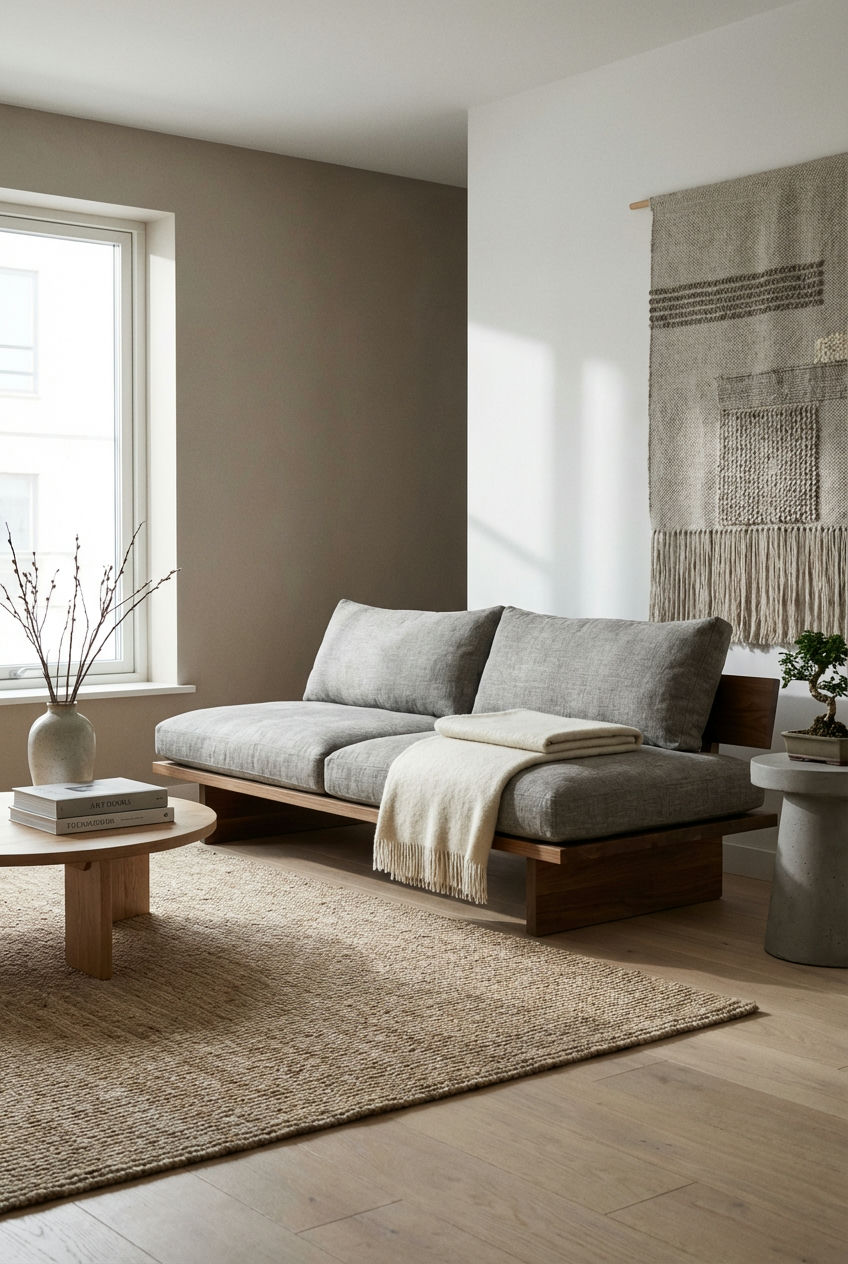
The serene blend of Japanese minimalism and Scandinavian warmth, known as Japandi, continues to shape 2026 living room aesthetics. This style emphasizes clean lines, natural materials, muted color palettes, and a focus on functionality and craftsmanship. It creates a calm and harmonious living space that values simplicity and timeless design. Picture a low-slung, simple wooden sofa paired with a ceramic tea set on a minimalist coffee table, creating an atmosphere of quiet contemplation. This approach embodies thoughtful living.
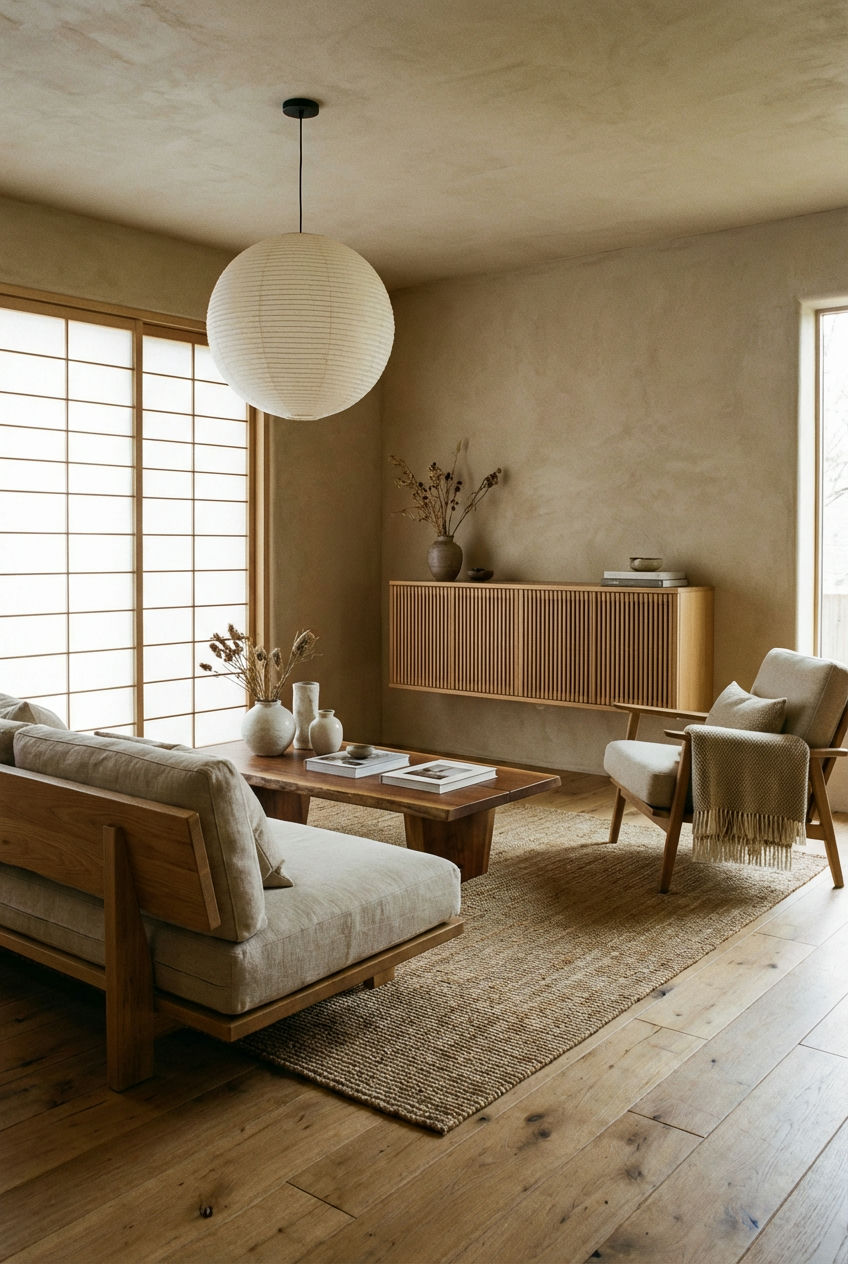
To achieve a Japandi look, declutter ruthlessly and focus on quality pieces with purposeful design. Incorporate natural woods, bamboo, linen, and ceramics. The color palette typically leans towards neutrals, punctuated by subtle earthy tones. The goal is to create a peaceful environment that fosters well-being and appreciation for simple beauty. Practical insight: Invest in a few key, well-crafted pieces rather than many inexpensive ones; quality is a hallmark of this enduring style.
18. Architectural Details as Decor
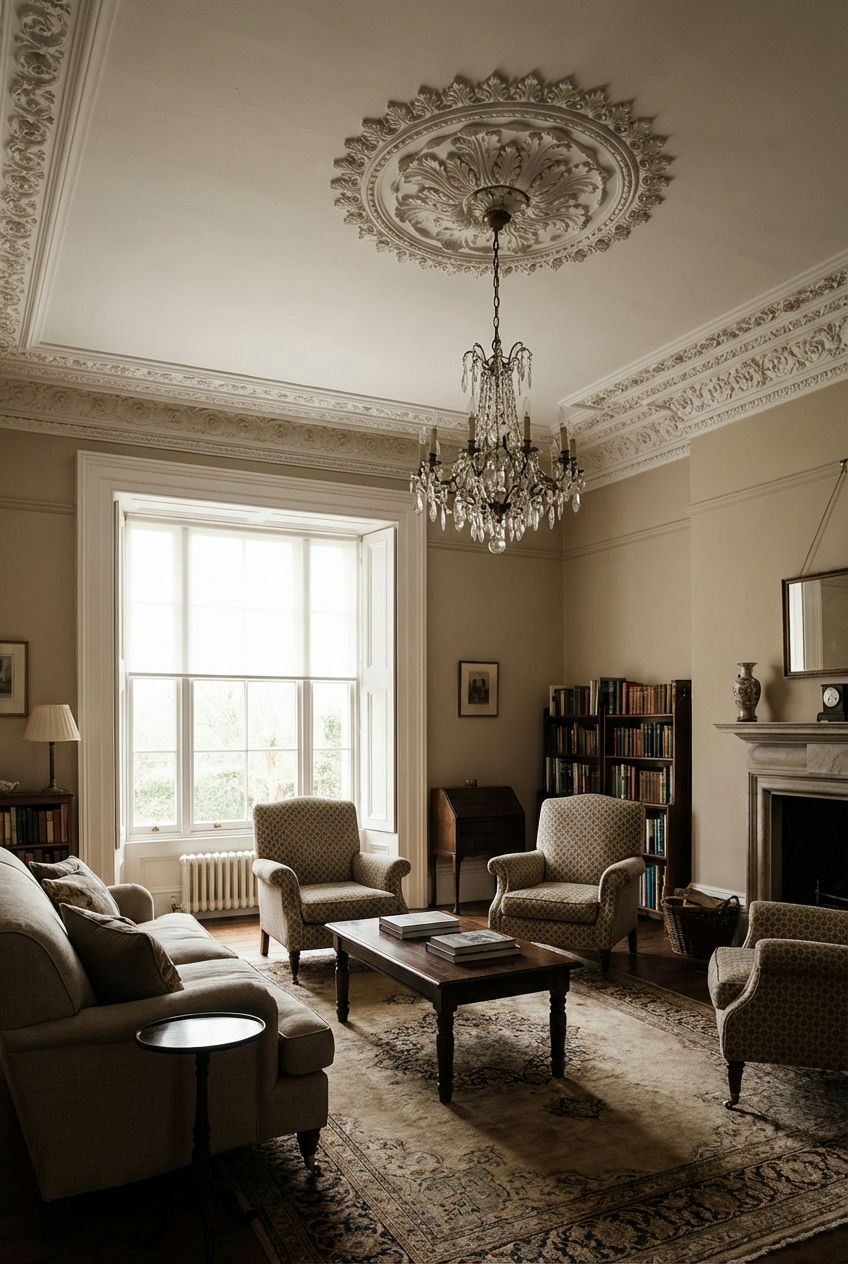
Beyond paint and furniture, 2026 living room design celebrates inherent architectural features. Think exposed brick walls, intricate crown molding, decorative ceiling medallions, or built-in shelving that enhances the character of the space. These elements add an enduring sense of history and sophistication to your living area. Imagine a restored fireplace with its original tile work, serving as the room’s undeniable focal point, complemented by subtle art rather than competing with it. Let the bones of the room tell a story.
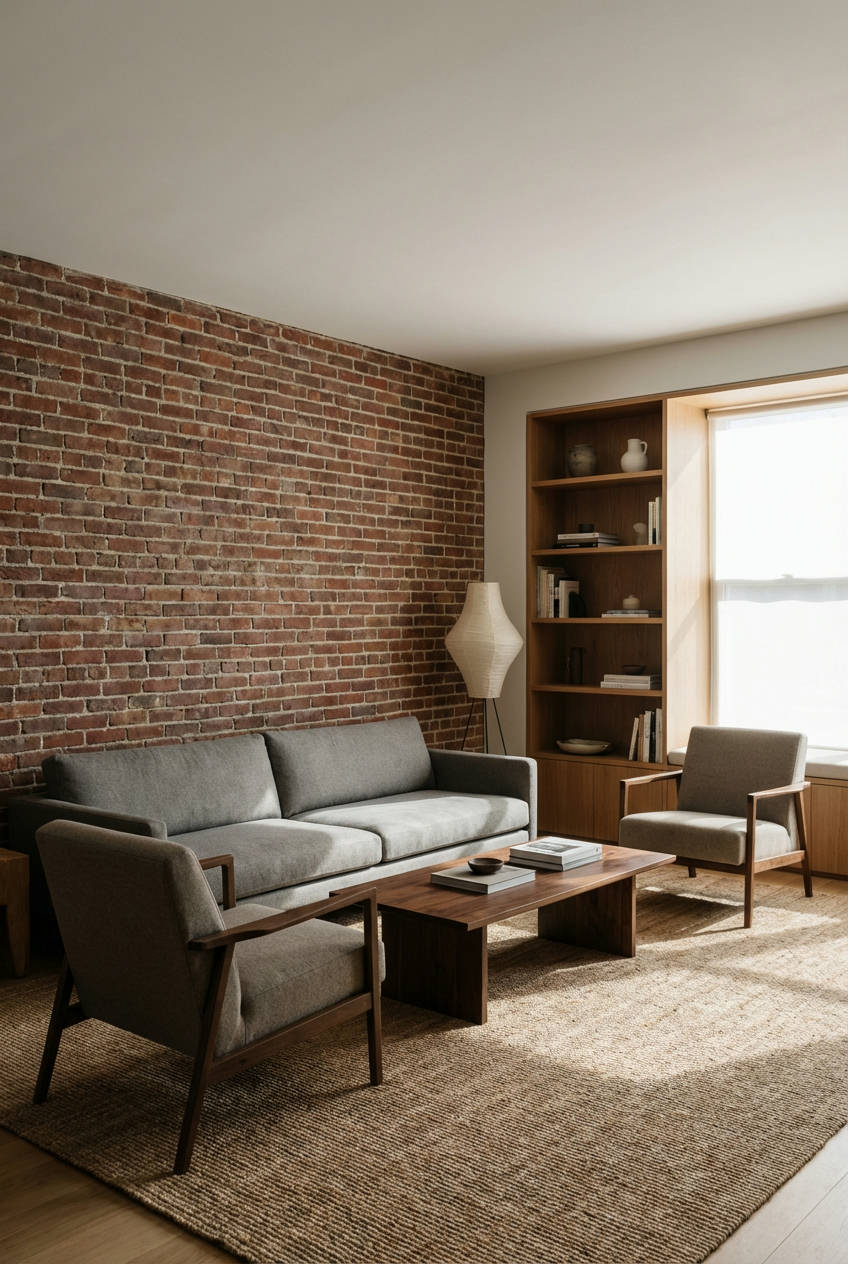
If your home lacks natural architectural charm, you can introduce it with applied moldings, wainscoting, or even a statement wall using textured plaster or wood paneling. These elements create visual interest and depth, making the room feel more substantial. Highlighting these features with strategic lighting can further enhance their impact. American lifestyle or regional context: Many historic homes across the US boast beautiful architectural details that, when preserved and accentuated, elevate the entire living space.
19. Comfort-First Seating
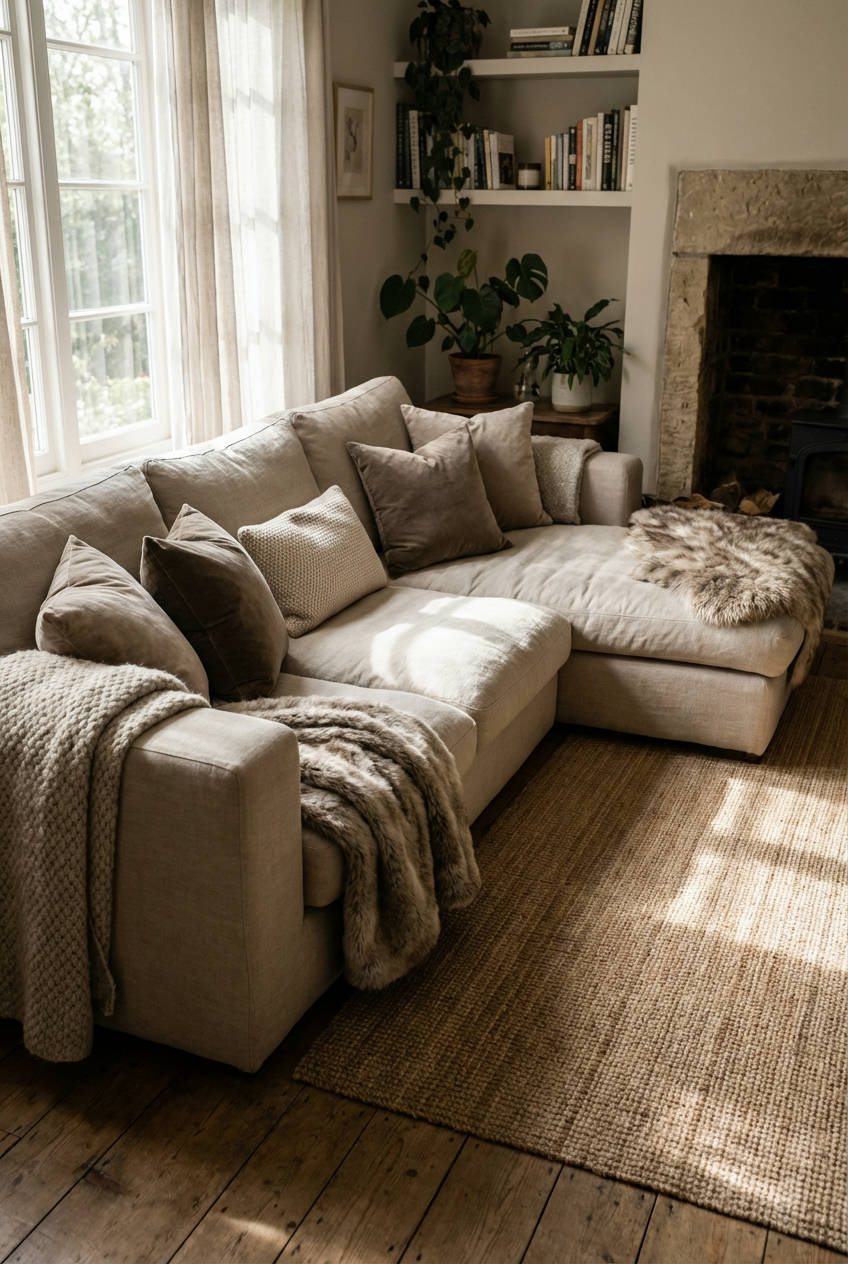
The aesthetic demands of the past are making way for ultimate comfort in 2026 living room seating. Think deep cushions, plush fabrics, and ergonomic designs that prioritize relaxation and coziness. Sofas, armchairs, and ottomans should invite you to sink in and unwind, making your living space a true haven. Imagine an oversized sectional sofa upholstered in soft, durable performance velvet, perfect for sprawling out during a movie night. This trend recognizes that true luxury lies in absolute comfort.
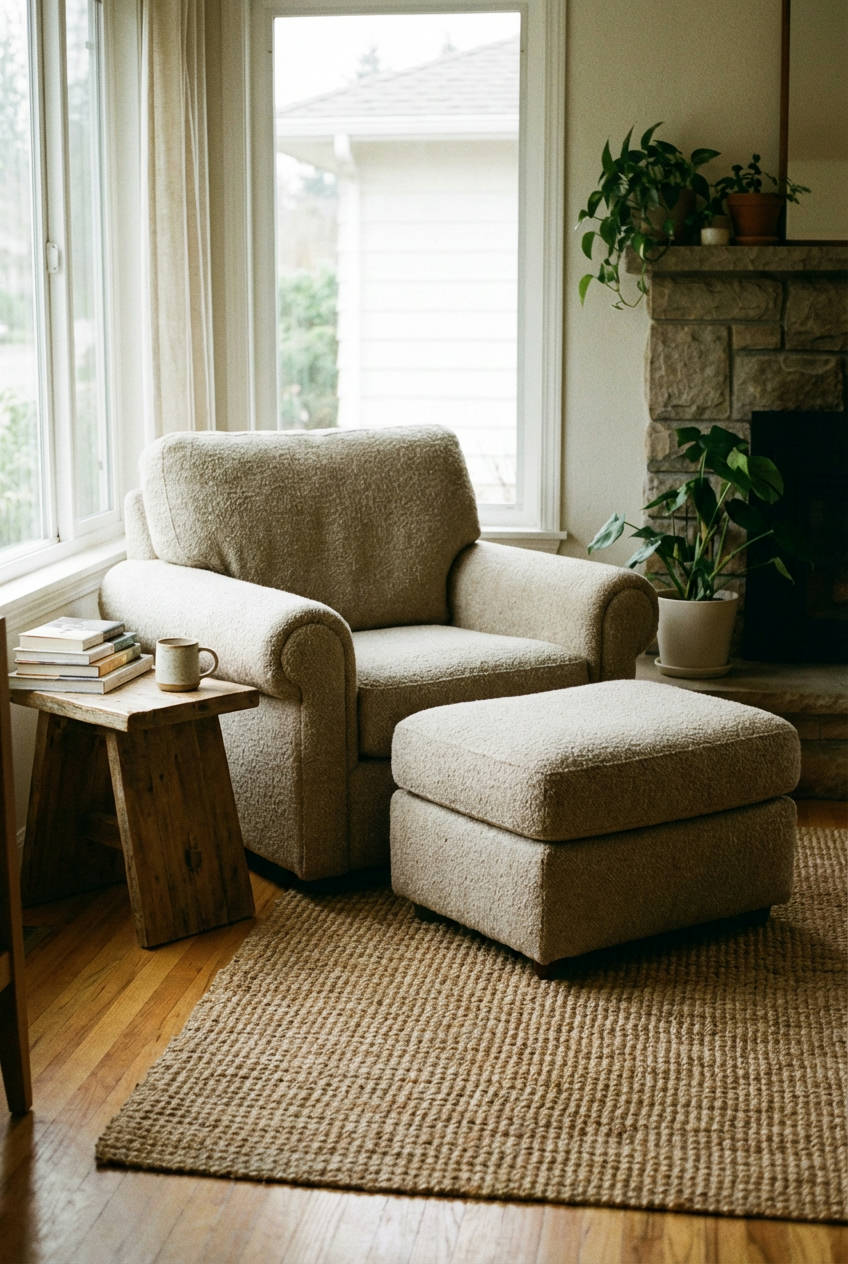
When selecting comfort-first seating, pay attention to cushion fill (down-wrapped foam offers a great balance of softness and support), seat depth, and fabric durability. Performance fabrics are excellent for homes with families and pets, ensuring longevity without sacrificing softness. A good sofa should make you want to stay awhile. A micro anecdote: My parents always prioritized comfort, and now their living room is the first place everyone gathers, precisely because of their huge, inviting sofa.
20. Geometric Patterns with Softness
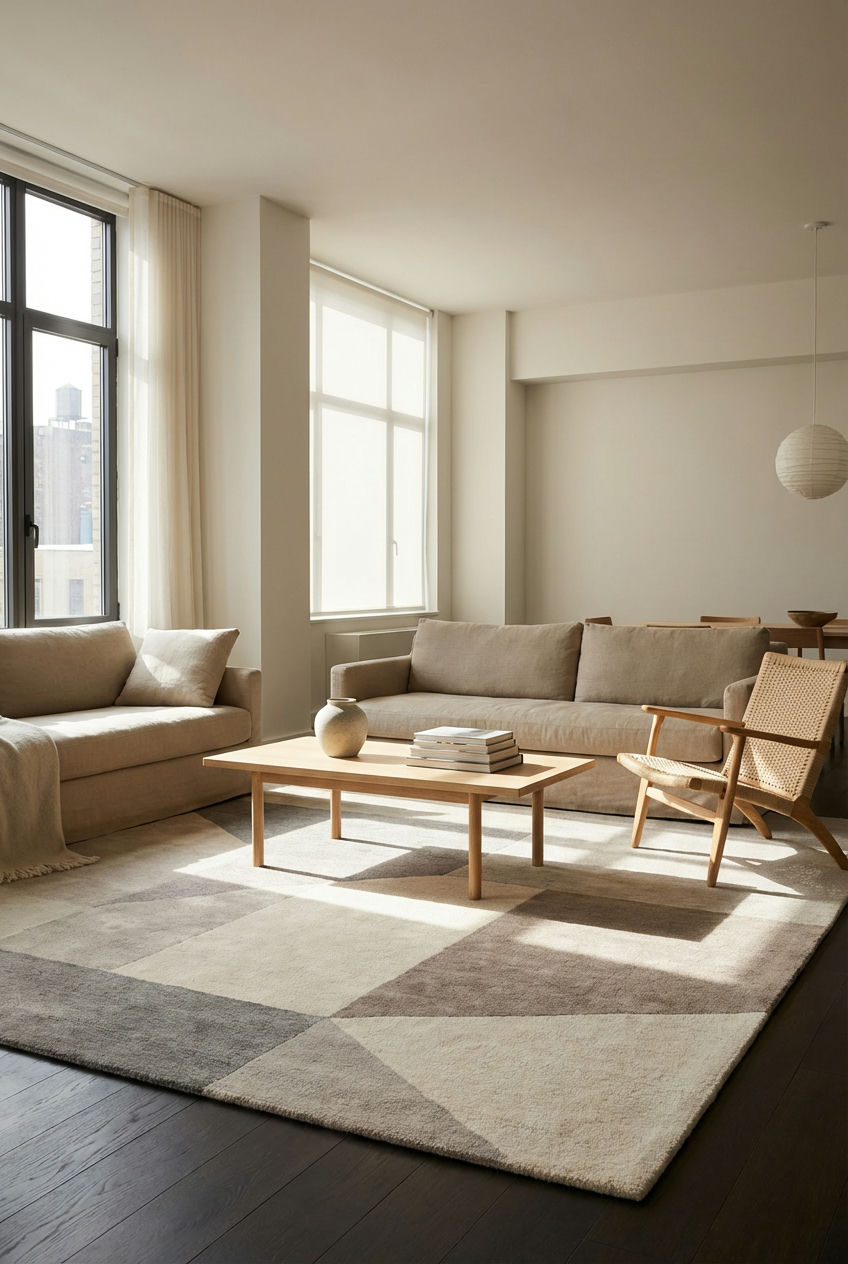
Geometric patterns are still in vogue for 2026, but with a softer touch in the living room. Think muted tones, subtle textures, and organic interpretations of classic shapes rather than stark, bold lines. These patterns add visual rhythm and contemporary flair without overwhelming the senses, making for a sophisticated living environment. Picture a rug featuring a large-scale, interlocking curvilinear pattern in shades of cream and grey, adding subtle dynamism. This approach combines structure with an inviting visual appeal.
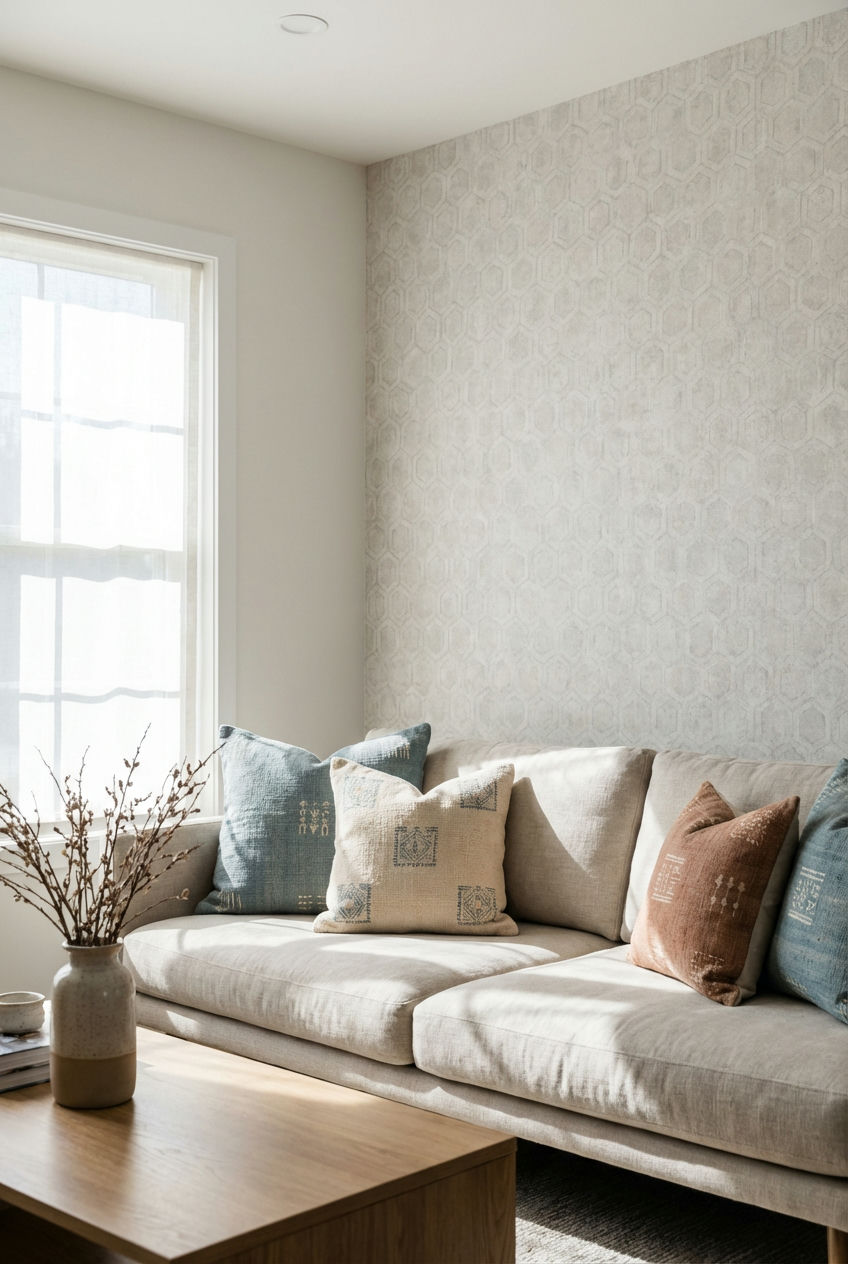
Introduce geometric patterns through textiles like throw pillows, rugs, or subtle wallpaper. They can add a contemporary edge to an otherwise traditional space. The key is to keep the colors harmonious and the scale varied. Too many bold patterns can feel chaotic. This nuanced approach ensures that your living space feels both modern and comfortable. Where it works best: This trend is ideal for rooms that need a touch of modern sophistication without losing their inviting character, perfect for transitional styles.
21. Multi-Generational Appeal
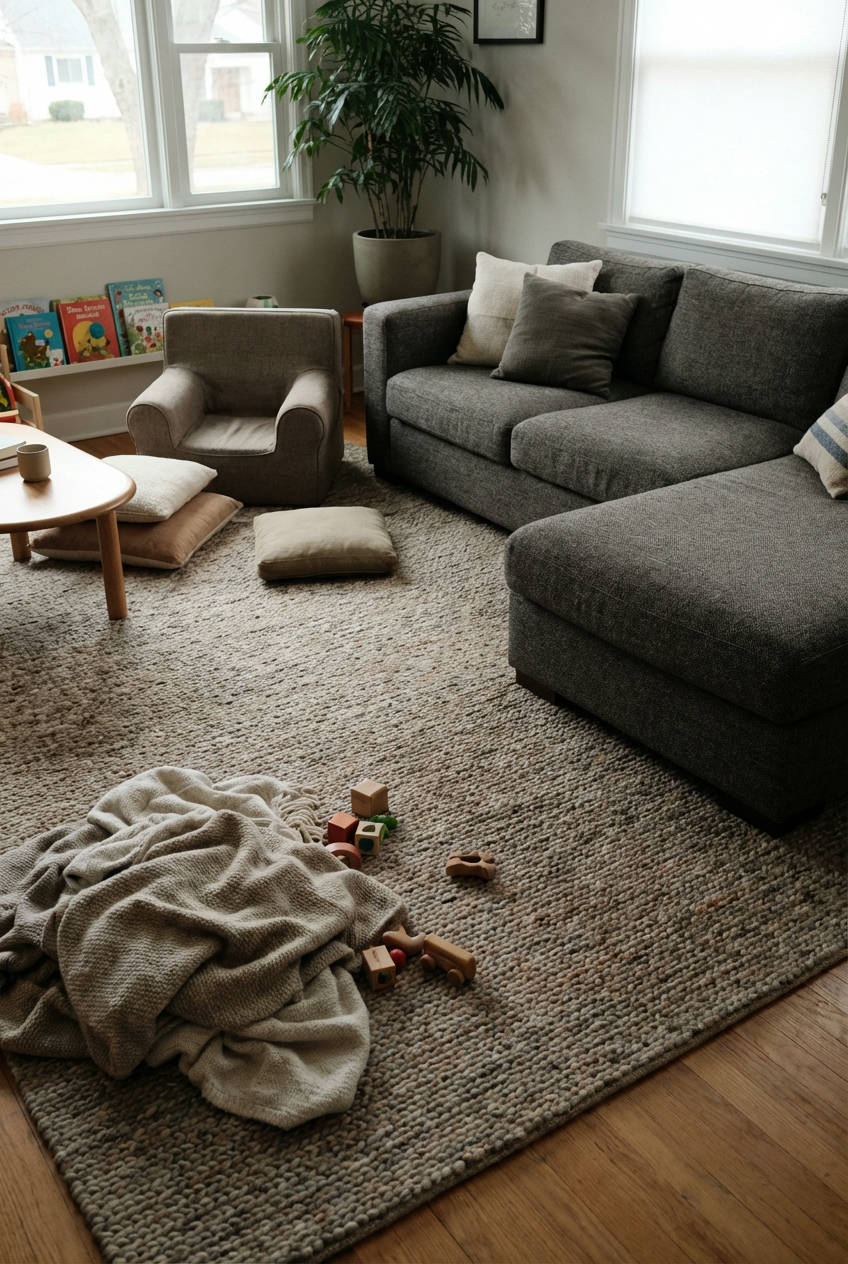
Designing a living room for 2026 often means catering to multiple generations living under one roof or frequently gathering. This translates to durable, easy-to-clean fabrics, comfortable seating for all ages, and versatile pieces that can adapt to different activities. The goal is to create a welcoming and functional living space that everyone can enjoy, from toddlers to grandparents. Imagine an expansive, modular sectional that can be reconfigured for a toddler’s play area or a grandparent’s quiet reading corner, all in the same room. It fosters togetherness.
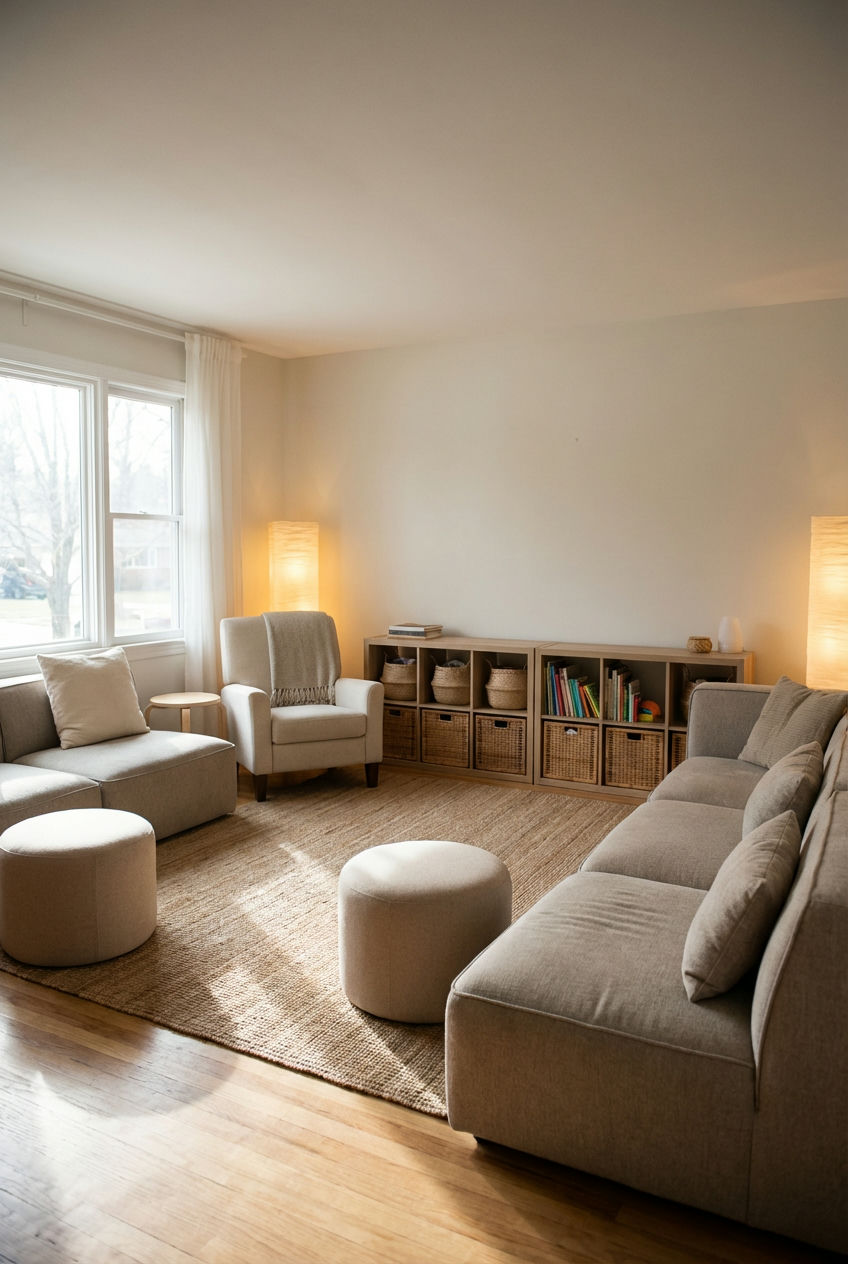
Consider furniture with rounded edges to prevent bumps, and storage solutions that keep toys and devices neatly tucked away. Performance fabrics are a godsend for busy households. Thoughtful layout planning ensures good flow and easy access for everyone. This holistic approach makes a house truly feel like a home for all. Expert-style commentary: “Designing for multiple generations isn’t about compromise; it’s about intelligent design that anticipates and accommodates diverse needs, creating a truly inclusive home.”
22. Darker, Moodier Tones
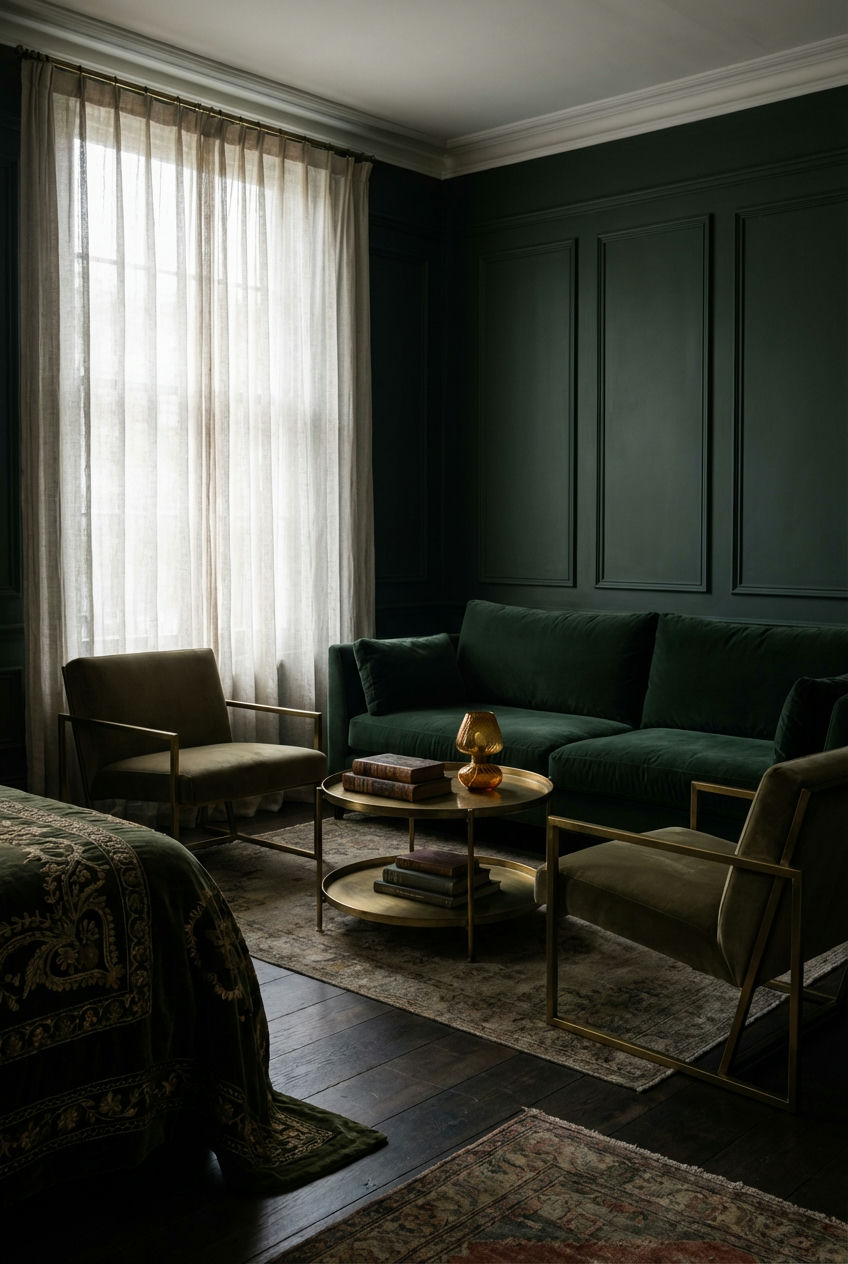
While earthy neutrals remain strong, 2026 also sees a resurgence of deeper, moodier color palettes in the living room. Think rich charcoal grays, deep forest greens, navy blues, and even warm blacks on accent walls or upholstered furniture. These sophisticated hues create an intimate and luxurious atmosphere, perfect for a cozy and inviting living space. Imagine an entire wall painted in a deep, velvety navy blue, providing a dramatic backdrop for lighter furniture and metallic accents. It adds gravitas and elegance.
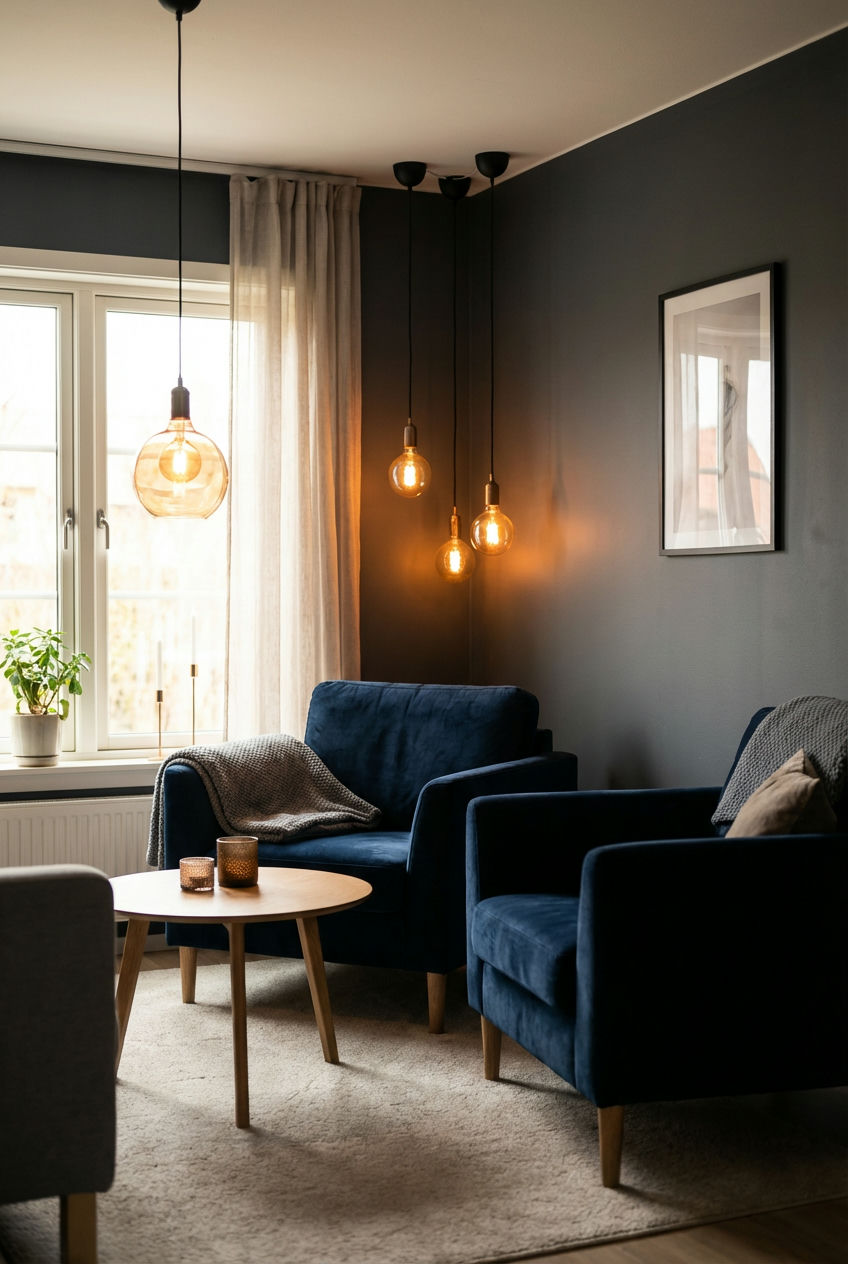
When working with darker tones, balance them with plenty of light – both natural and artificial – to prevent the room from feeling too heavy. Incorporate metallic accents like brass or gold, and use contrasting textures to add depth. These colors pair wonderfully with natural wood tones. Budget/price angle: A single can of dark paint for an accent wall can completely transform the mood and create a luxurious feel without a huge investment.
23. Bespoke Built-Ins
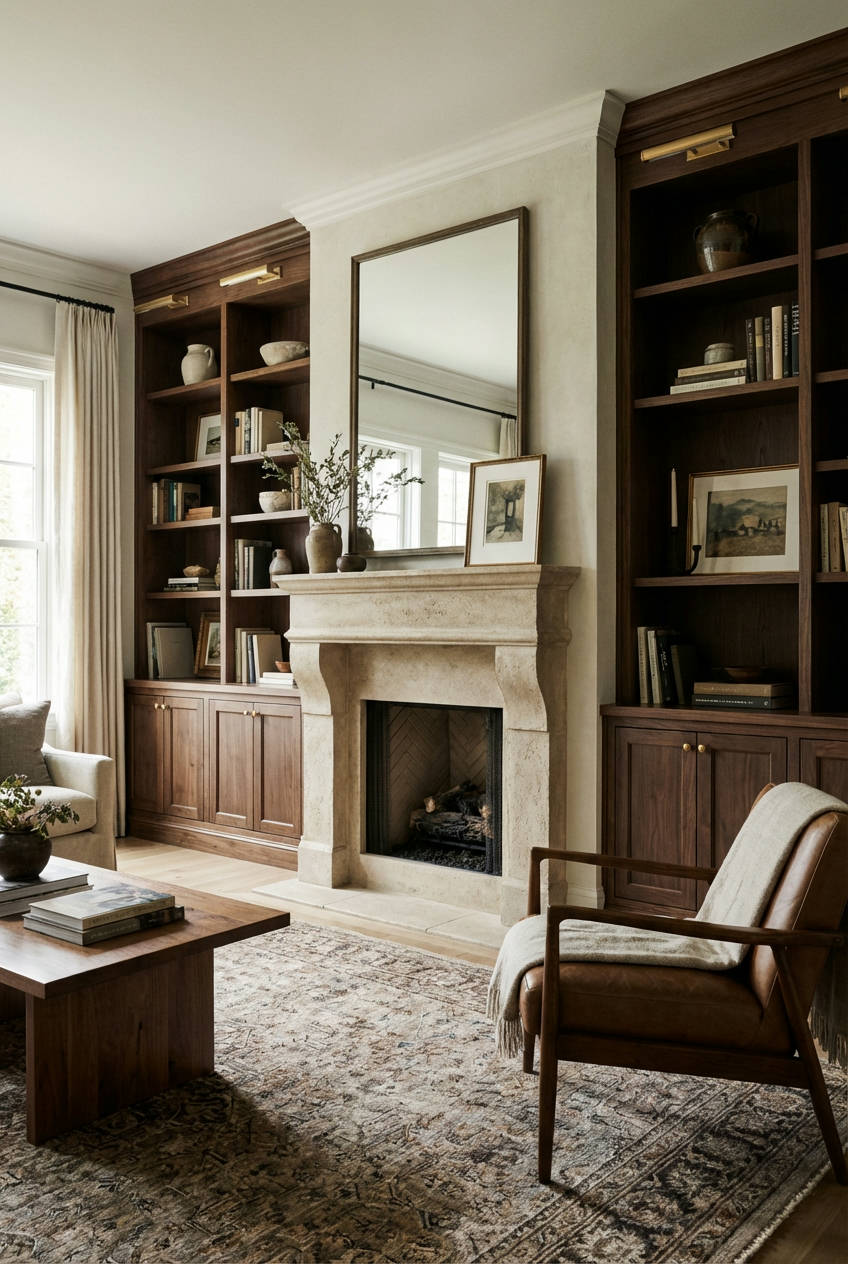
Customization is key for 2026 living room design, and bespoke built-ins offer both style and supreme functionality. Think custom shelving units, banquette seating, or media centers that are seamlessly integrated into the architecture of your living space. These tailored solutions maximize storage, create cohesive design, and add significant value to your home. Imagine a floor-to-ceiling bookshelf meticulously designed to house your entire collection, with a cozy window seat integrated at the base. It’s about optimizing every inch.
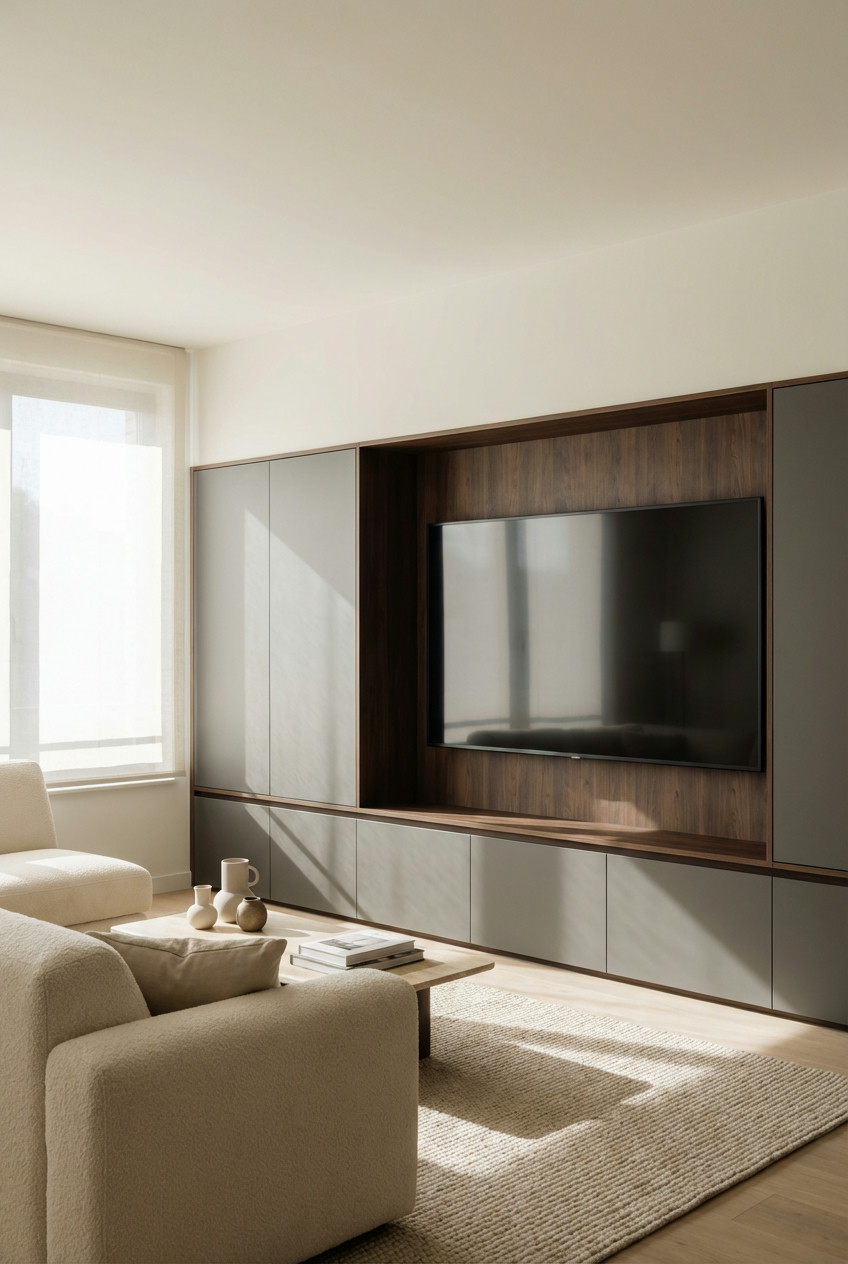
Built-ins create a polished, integrated look that loose furniture often can’t achieve. They are perfect for showcasing curated collections, hiding clutter, or even creating a discreet home office. Thoughtful planning of lighting within shelves can further enhance their display capabilities. Real homeowner behavior: Many homeowners are investing in custom built-ins as a long-term solution for storage and aesthetics, seeing them as a functional upgrade rather than just decor.
24. Sculptural Lighting Fixtures
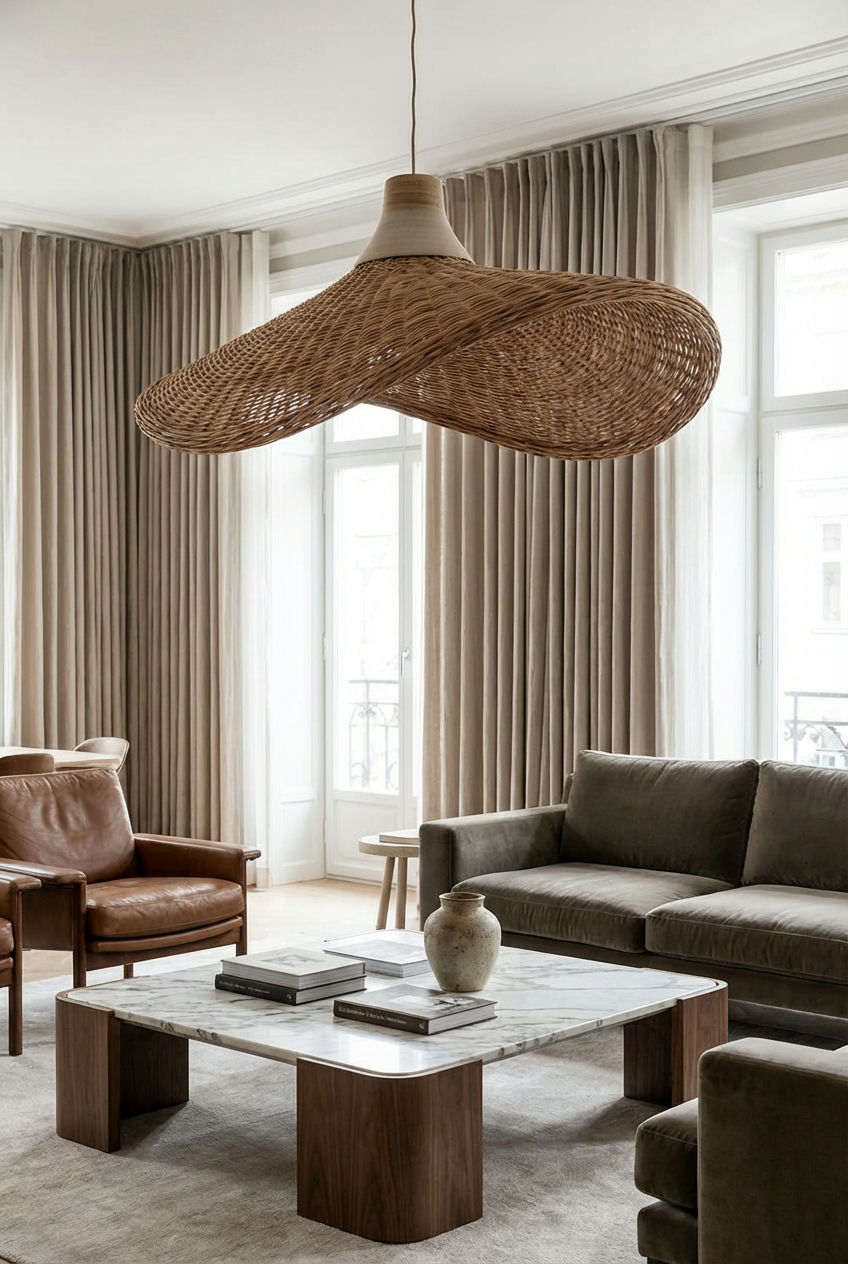
Lighting in the living room for 2026 goes beyond illumination; fixtures are becoming art pieces themselves. Think dramatic chandeliers with organic shapes, oversized pendant lights that make a statement, or minimalist floor lamps with unique silhouettes. These sculptural elements add visual drama and a focal point to any living space, even when turned off. Imagine a chandelier composed of interconnected glass spheres, creating an ethereal glow and an artistic presence above the seating area. It’s about lighting as an experience.
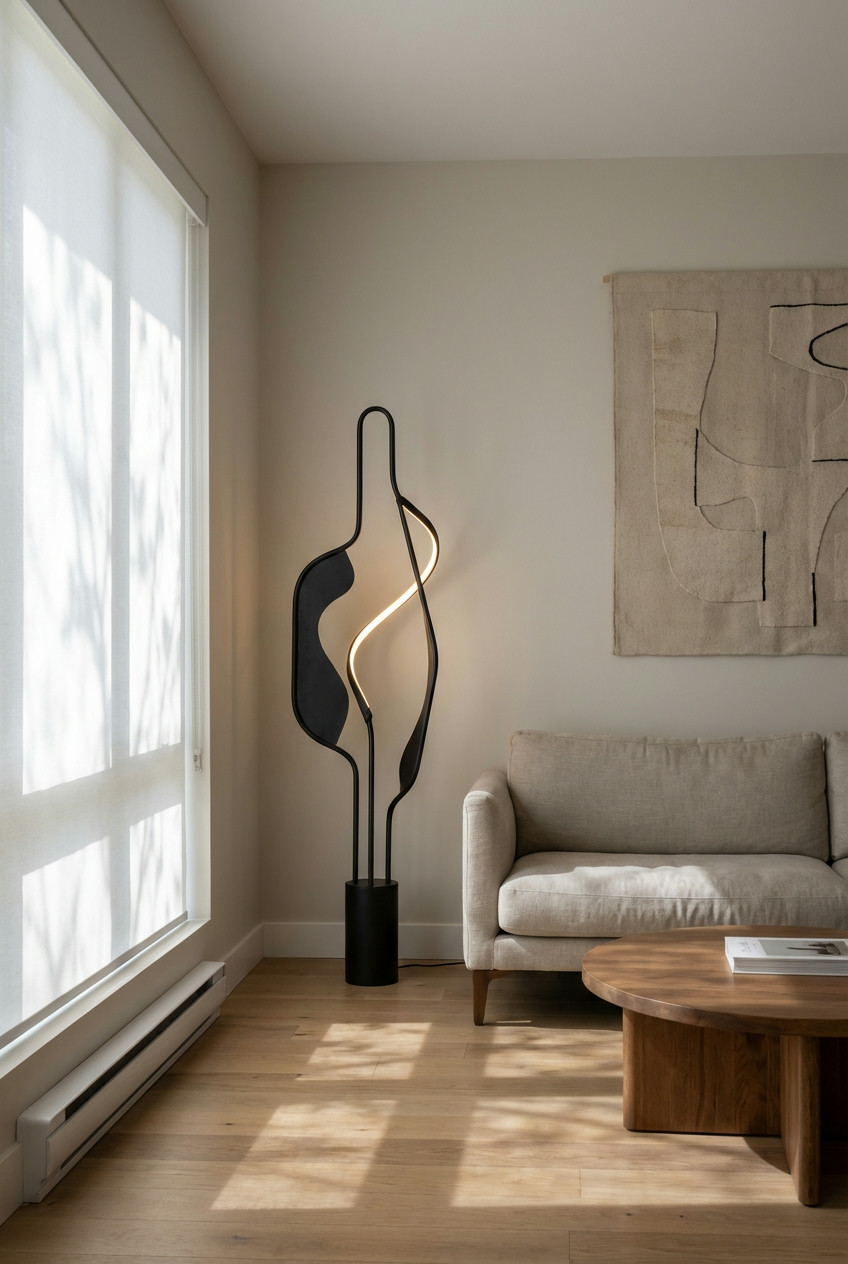
When choosing sculptural lighting, consider the scale of the fixture in relation to your room’s ceiling height and furniture arrangement. It should enhance, not overpower. Dimmable options are essential to control the ambiance. Even a simple, well-designed table lamp can offer a sculptural element. Common mistakes and how to avoid them: Don’t choose a light fixture solely for its looks; ensure it provides adequate and appropriate illumination for the intended function of the space.
25. Wellness-Centric Spaces
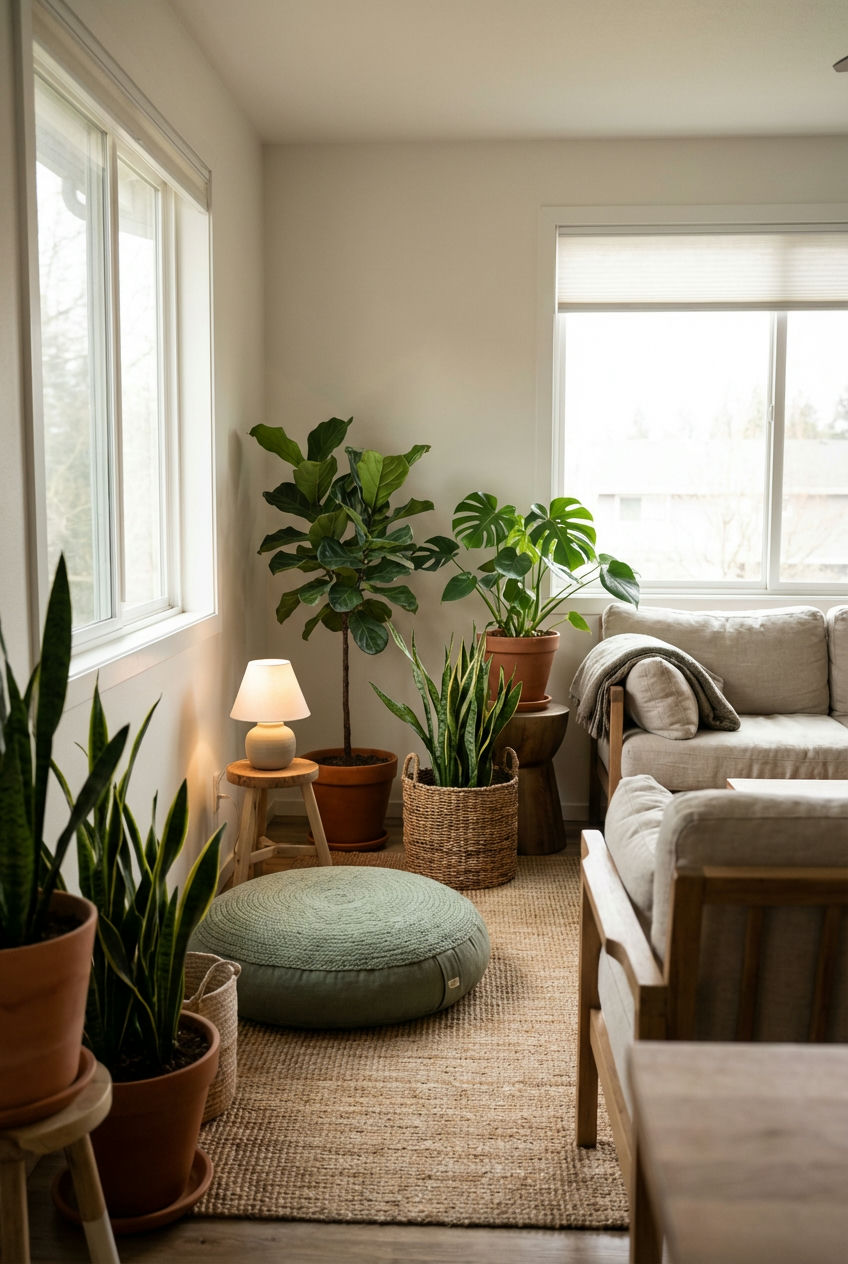
The living room of 2026 is increasingly designed with wellness in mind, focusing on elements that promote calm, relaxation, and mental clarity. This includes incorporating natural light, optimizing acoustics, using air-purifying plants, and creating dedicated spaces for mindfulness or meditation within the main living area. It’s about designing a sanctuary from the outside world. Imagine a sun-drenched corner with a comfortable meditation cushion, surrounded by potted plants, creating a quiet retreat for daily practice. This approach prioritizes occupant well-being.
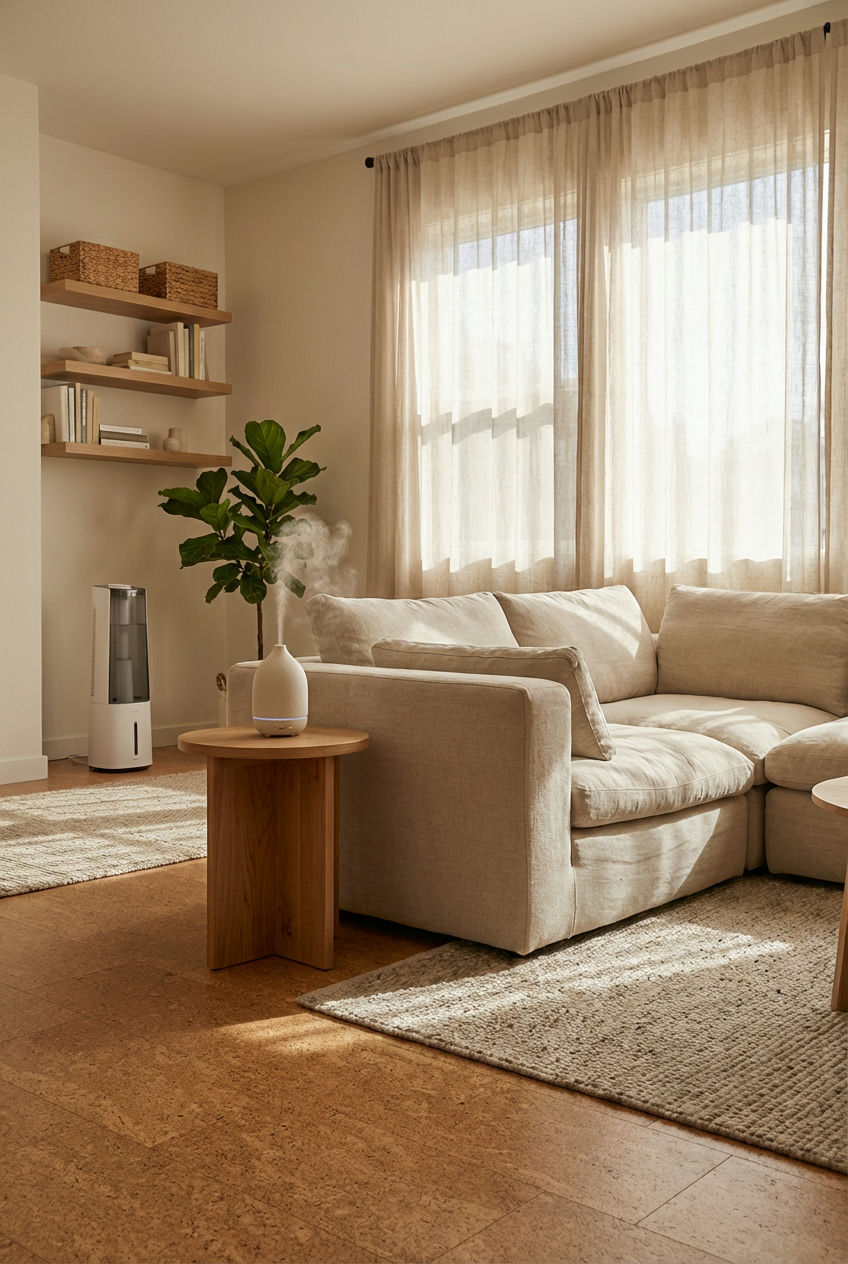
Consider elements like subtle water features for soothing sounds, blackout curtains for better sleep in adjacent rooms, and ergonomic seating. The goal is to minimize stress and maximize comfort in every aspect of the design. Focus on tactile materials that feel good to touch. Practical insight: Incorporating smart air purifiers or investing in quality indoor plants can significantly improve air quality and contribute to a healthier living environment.
26. Curtains as Soft Architecture
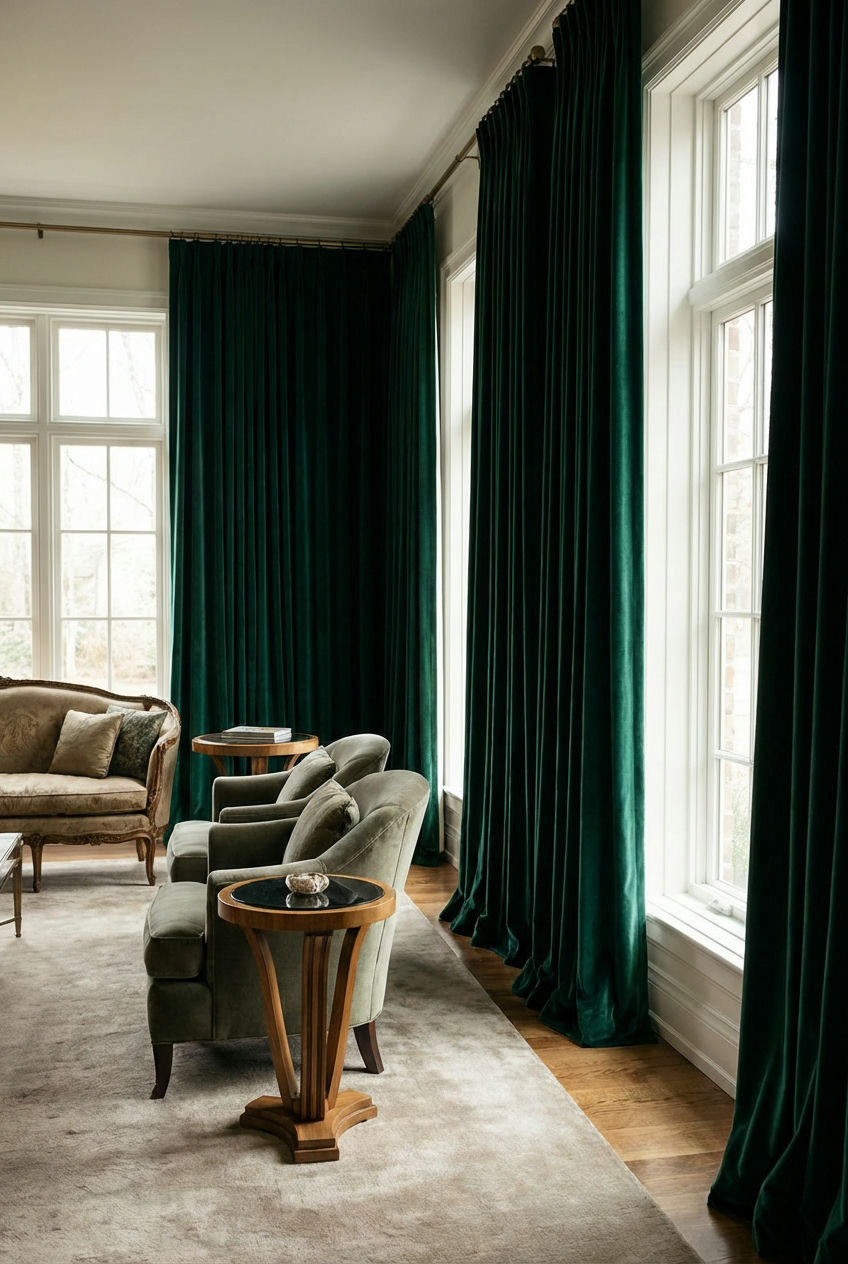
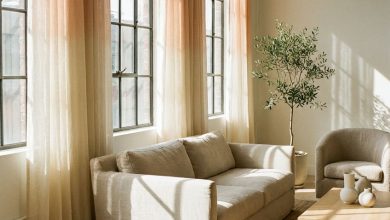
Beyond privacy, curtains in 2026 living room designs are treated as soft architectural elements. Think floor-to-ceiling drapes in luxurious, billowy fabrics that add height, softness, and a theatrical flourish to your windows. They can soften harsh lines, introduce color and texture, and even define zones within an open-plan living space. Imagine sheer linen curtains that gently diffuse the sunlight, creating a dreamy, ethereal glow throughout the entire room. This elevates a utilitarian item to a design statement.
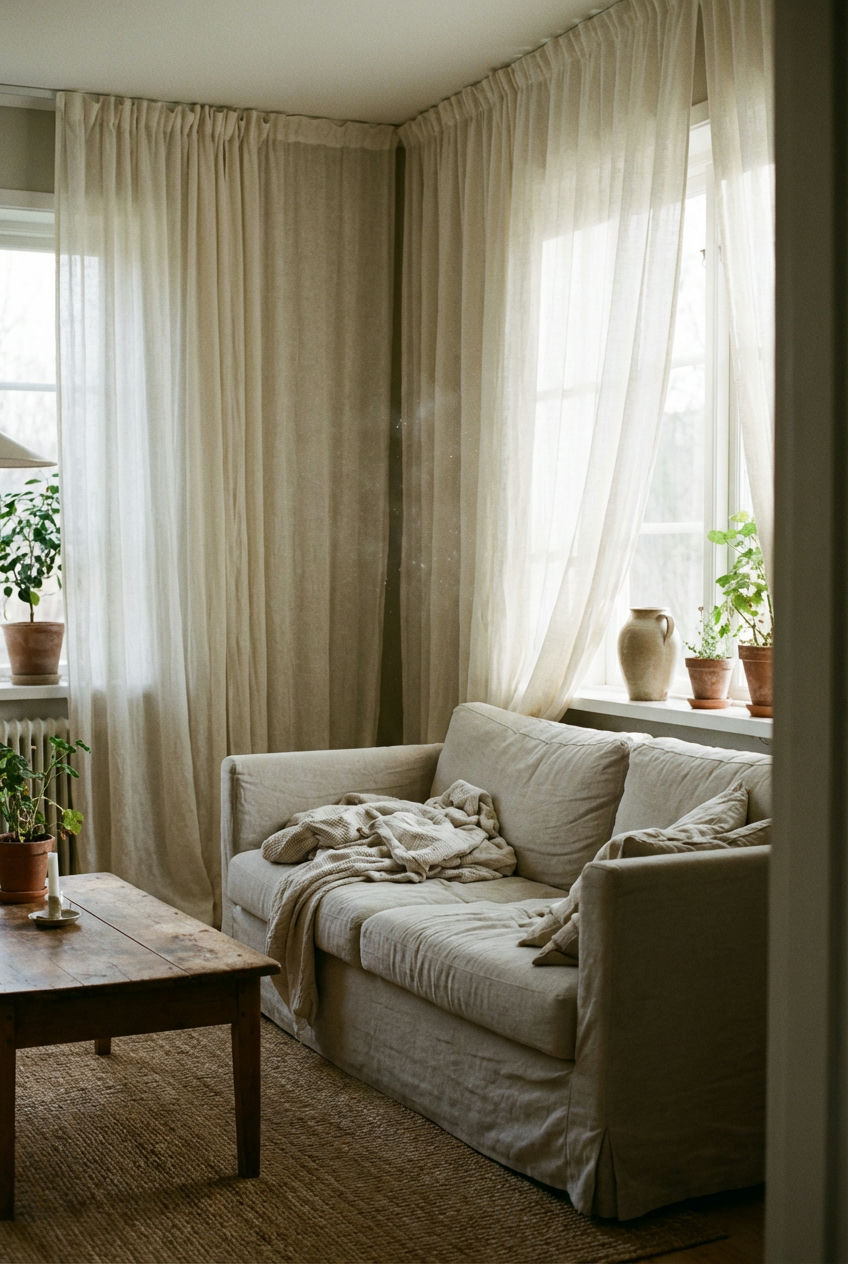
When choosing curtains, consider the fabric’s drape and how it interacts with light. Natural fibers like linen, cotton, or silk offer beautiful textures. Be sure to mount curtain rods high and wide to visually expand the window and make the room appear taller. Double rods allow for layering sheers with heavier drapes for versatility. American lifestyle or regional context: In homes with large windows, especially in sunny regions, beautiful curtains are crucial for managing light and adding comfort.
27. Monochromatic Layers
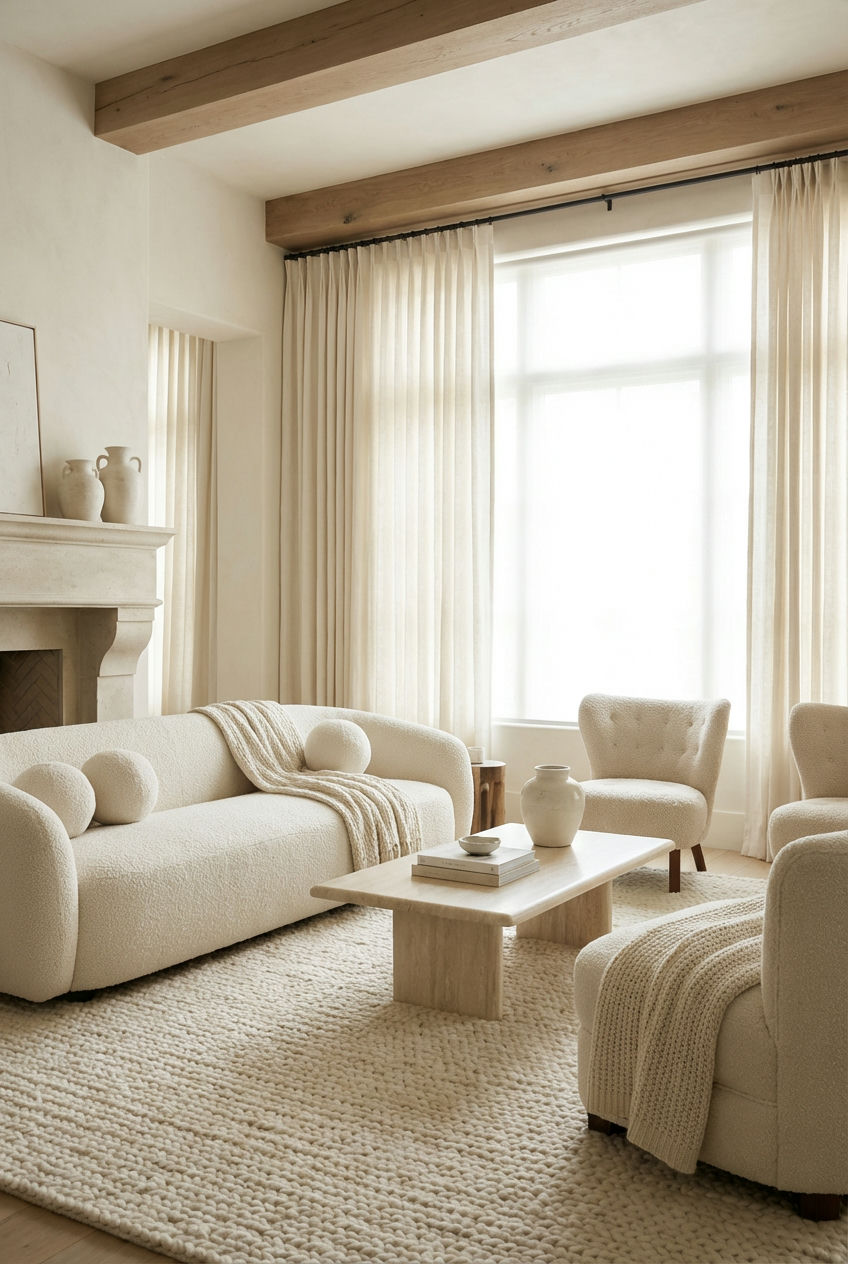
Far from boring, monochromatic living room design in 2026 is all about layering various shades and textures of a single color. This creates a sophisticated, cohesive, and deeply calming aesthetic that emphasizes form and texture over stark color contrasts. Think a room entirely in shades of cream, grey-blue, or soft green, with subtle variations that add depth. Imagine a living space where every element, from the sofa to the curtains, is a different shade of warm beige, creating an envelope of soothing color. It’s chic and serene.
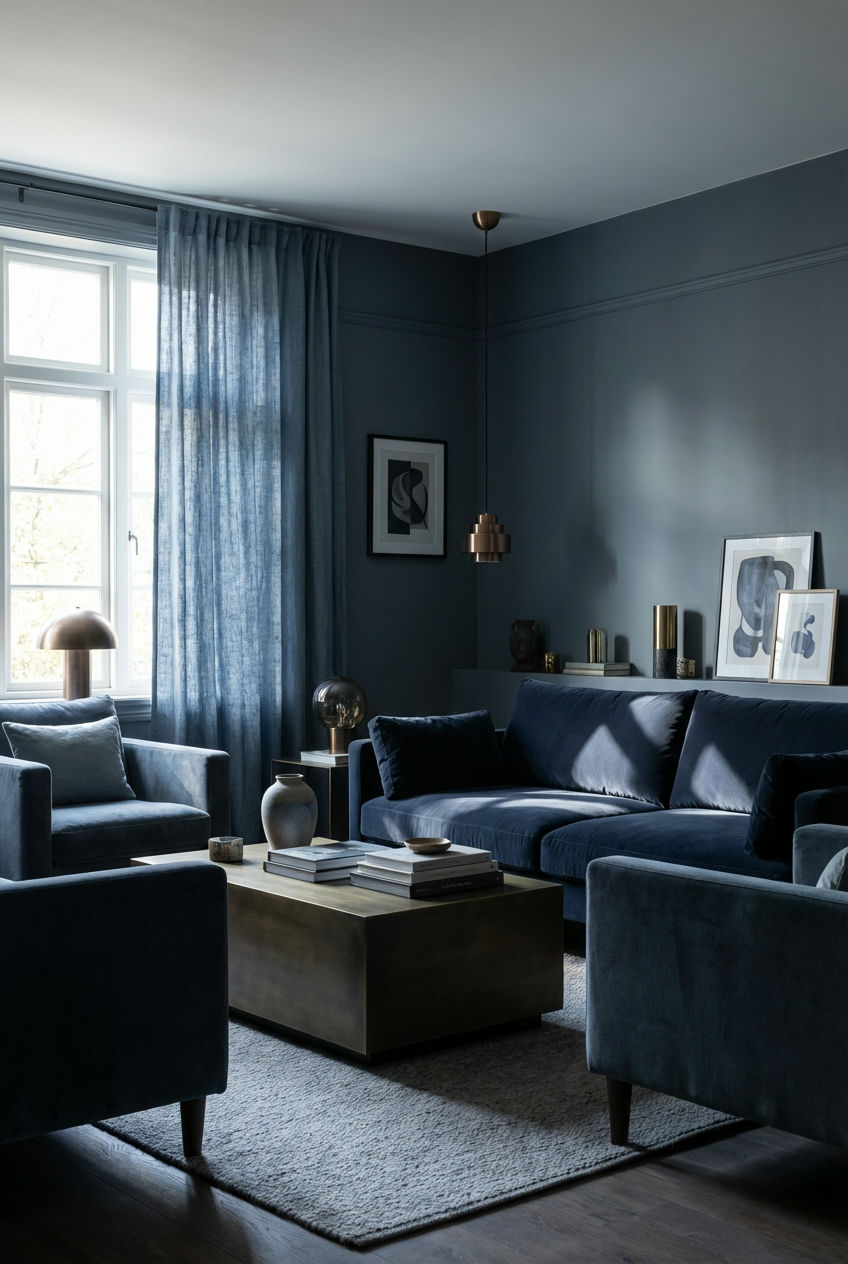
The success of a monochromatic scheme relies heavily on the interplay of textures. Mix matte and glossy finishes, smooth and nubby fabrics, and hard and soft surfaces. Introduce subtle patterns within the same color family to prevent flatness. Natural light is essential to highlight these nuances. A micro anecdote: I once saw a living room entirely in shades of greige, and the owner confessed it felt so calming, like a big, soft hug after a long day.
28. Tech-Free Zones
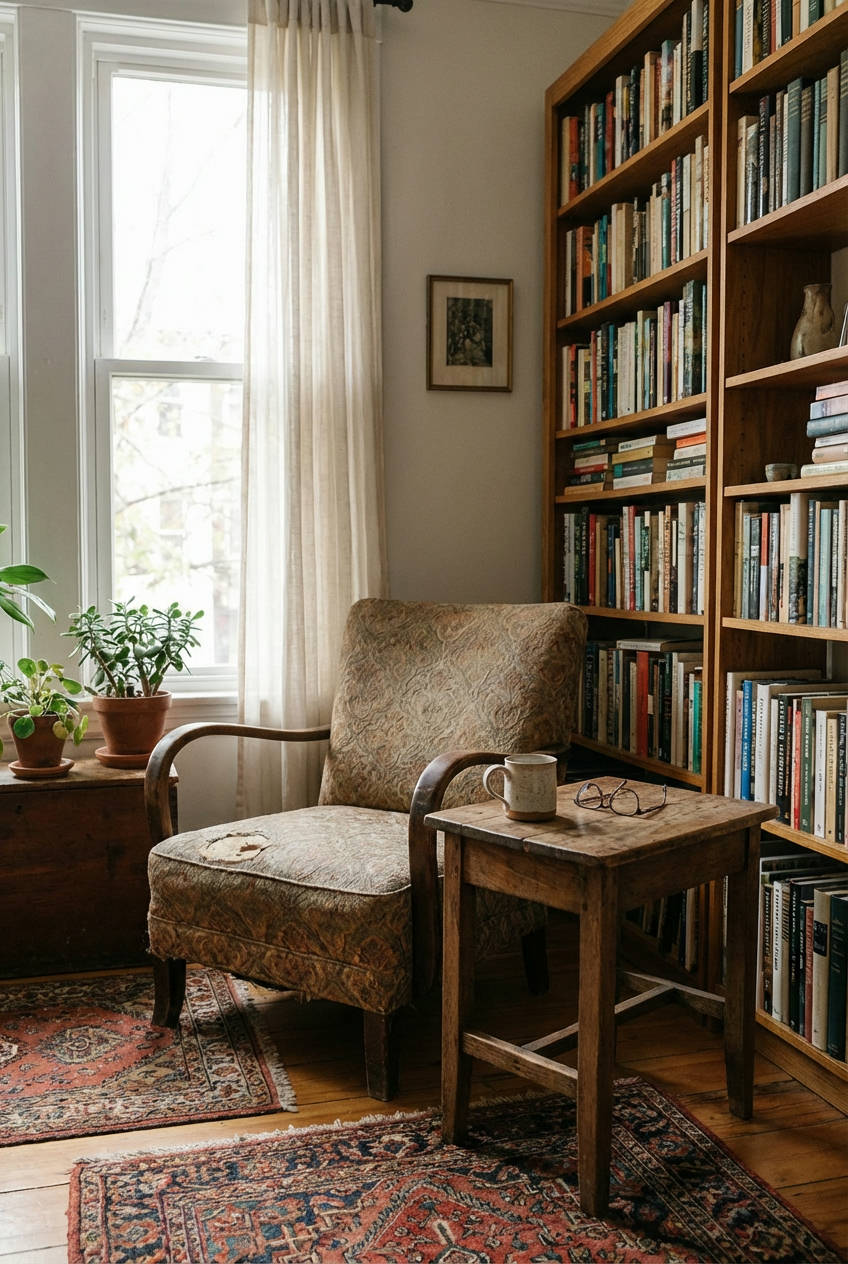
In contrast to integrated technology, another strong trend for 2026 living room design is the deliberate creation of tech-free zones. These dedicated areas encourage unplugging, conversation, and quiet contemplation, offering a respite from digital overload. Think comfortable nooks with good lighting for reading, or seating arrangements optimized for face-to-face interaction without a screen in sight. This promotes connection and mindful presence in your shared living space. Imagine a small, cozy corner with two armchairs facing each other, a bookshelf, and no visible electronics.
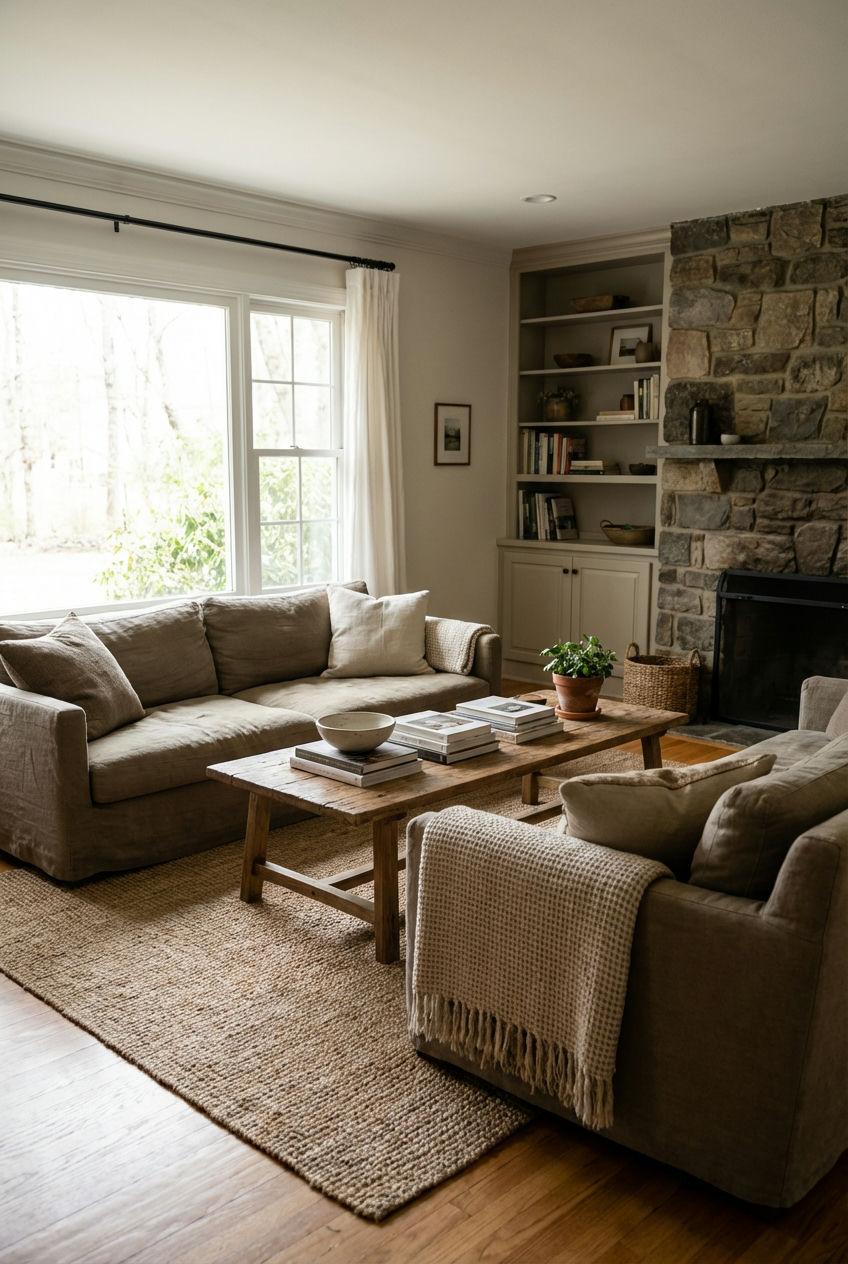
Design a tech-free zone by providing comfortable seating, good lighting, and stimulating analogue elements like books, board games, or journaling supplies. The absence of a prominent television or device charging hub subtly encourages different activities. It’s about being intentional about how you spend your time at home. Expert-style commentary: “Creating tech-free zones is a counter-trend reflecting a deeper human need for genuine connection and digital detox in our increasingly connected lives.”
29. Repurposed & Upcycled Pieces
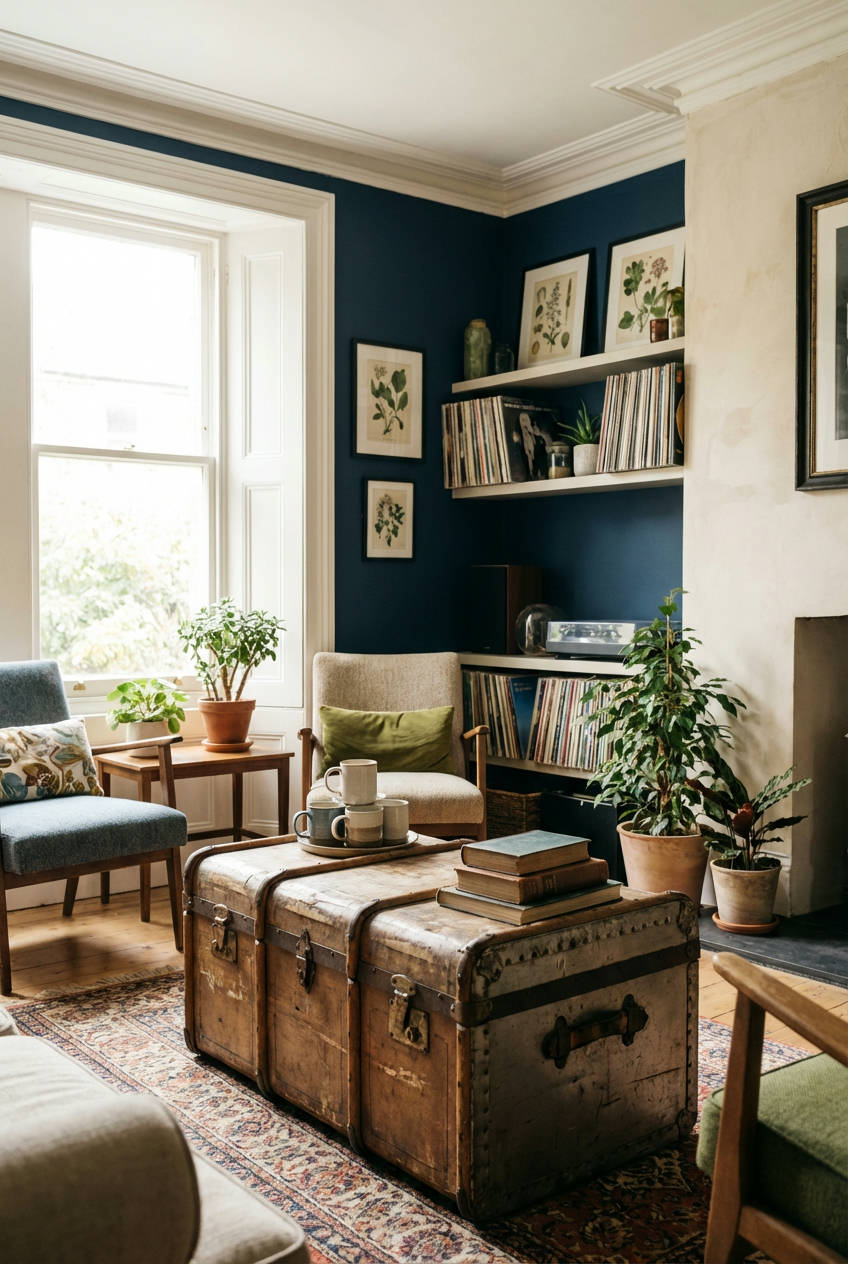
Sustainability meets individuality with the trend of incorporating repurposed and upcycled pieces into the 2026 living room. This means giving new life to old furniture, transforming vintage finds, or crafting unique items from salvaged materials. It adds character, tells a story, and reduces environmental impact. Imagine an old wooden chest lovingly restored and reimagined as a coffee table, acting as a conversation piece in your stylish living space. Each piece holds history and unique charm.
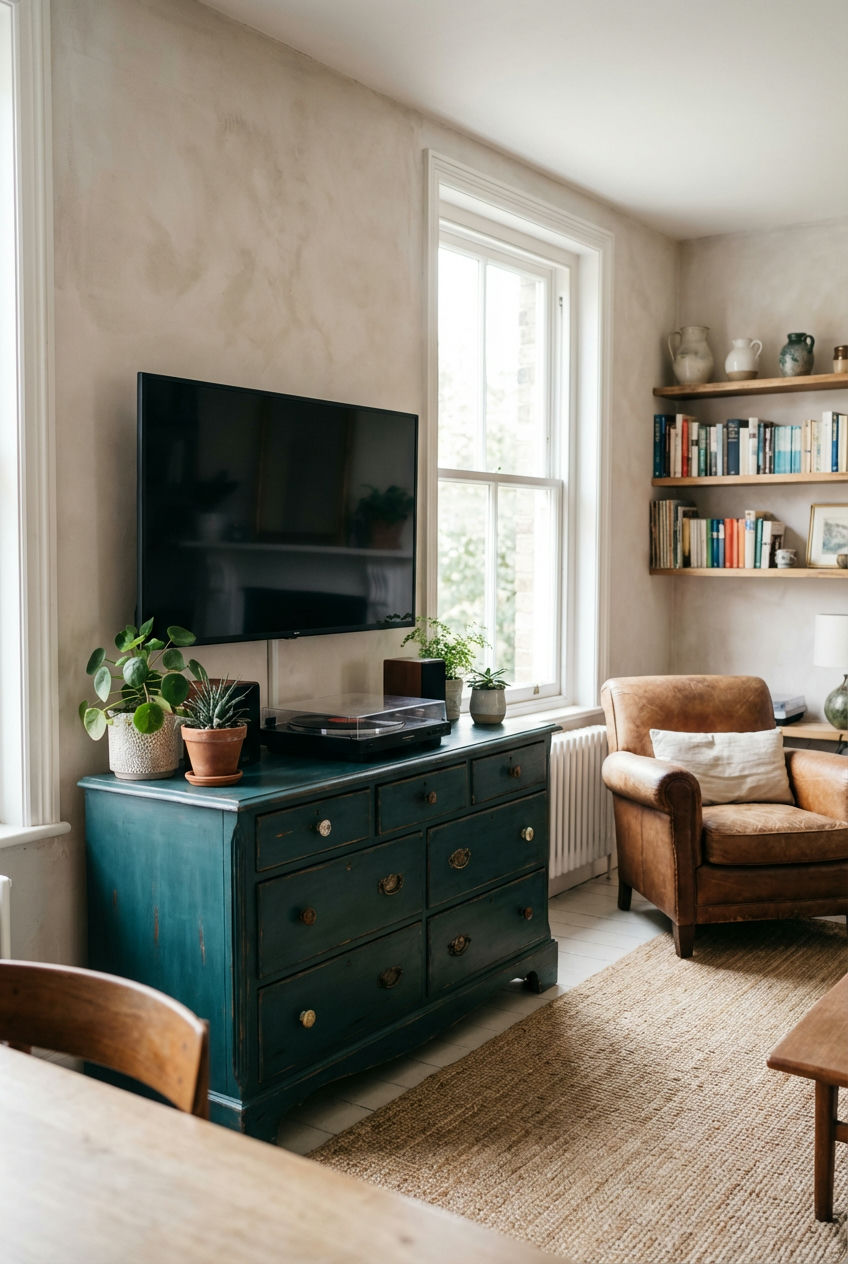
The beauty of repurposed pieces lies in their uniqueness; no two are exactly alike. They can add a layer of authenticity and warmth that mass-produced items lack. Whether it’s a painted vintage dresser or a collection of old bottles used as vases, these elements infuse personality. Budget/price angle: This is an excellent way to furnish your home affordably and sustainably, often allowing for higher quality materials at a fraction of the cost of new.
30. Patterned Wallpapers
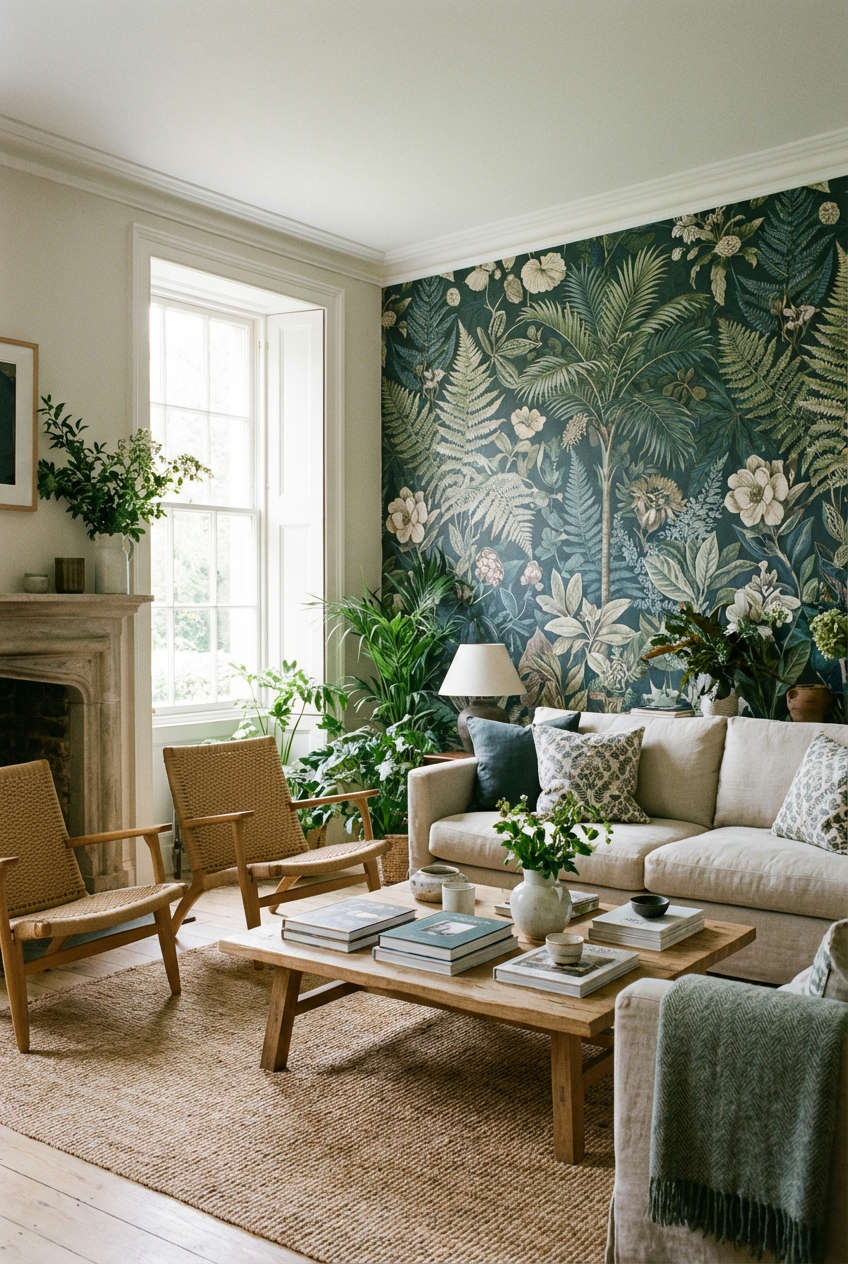
Patterned wallpapers are making a strong comeback in 2026, offering a dynamic way to add personality and depth to the living room. From botanical motifs to subtle geometrics or bold abstract designs, a well-chosen wallpaper can transform an ordinary wall into a captivating focal point. It’s an excellent way to introduce color and texture without committing to a full painted wall, making your living space feel more intimate and customized. Imagine a feature wall adorned with a delicate botanical print in muted greens and creams.
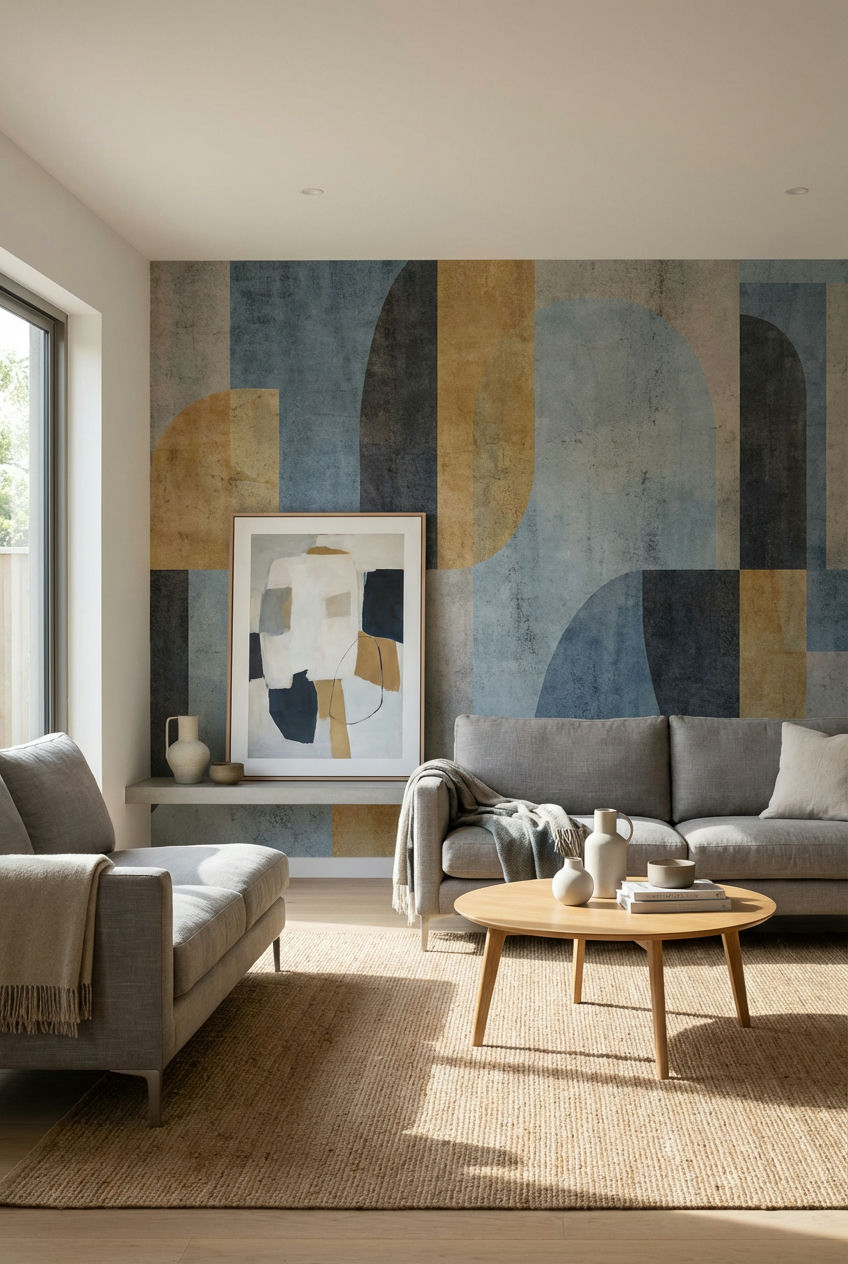
When selecting wallpaper, consider the scale of the pattern relative to your room’s size. Large patterns work well in spacious rooms, while smaller, repeating motifs suit more compact areas. A single accent wall is a great way to experiment without overwhelming the space. Peel-and-stick options offer flexibility for renters or those who like to change their decor frequently. Real homeowner behavior: Homeowners are becoming more adventurous with wallpaper, seeing it as an artistic expression rather than a dated trend.
31. Smart Storage Solutions
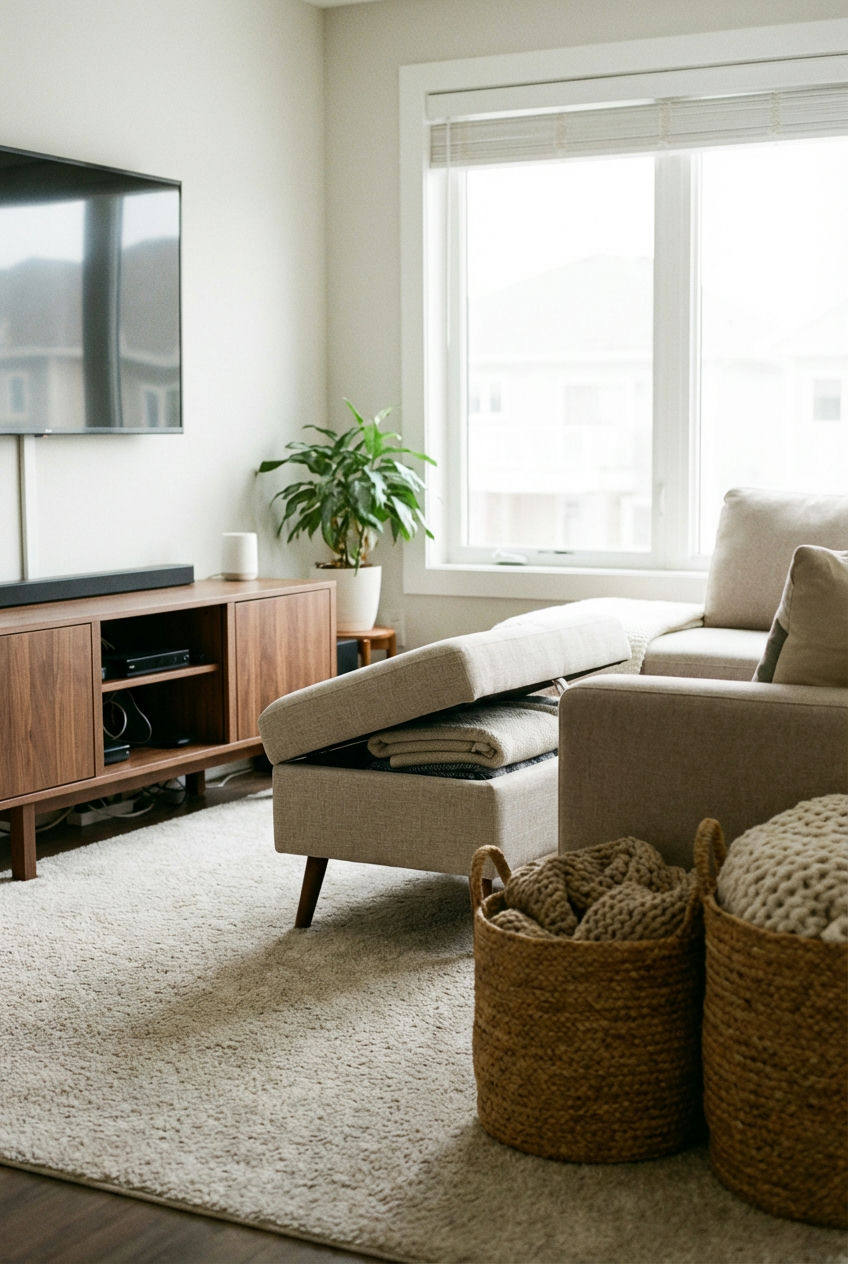
Clutter is the enemy of calm, and 2026 living room design prioritizes smart, discreet storage. Think ottomans with hidden compartments, coffee tables with integrated drawers, media consoles that neatly conceal electronics, and decorative baskets. These solutions keep your living space tidy and functional without sacrificing style. Imagine a stylish upholstered ottoman that flips open to reveal ample space for blankets and remote controls, maintaining a streamlined look. It’s about creating order without visible mess.

Consider multi-functional furniture that doubles as storage, like a bench with a lift-top seat or a modular shelving unit with closed cabinets. Vertical storage solutions can maximize space in smaller rooms. The key is to blend storage seamlessly into the overall design. Common mistakes and how to avoid them: Don’t just buy more storage; first declutter to reduce what needs to be stored, then invest in solutions that truly fit your lifestyle and decor.
32. Eclectic Global Influences
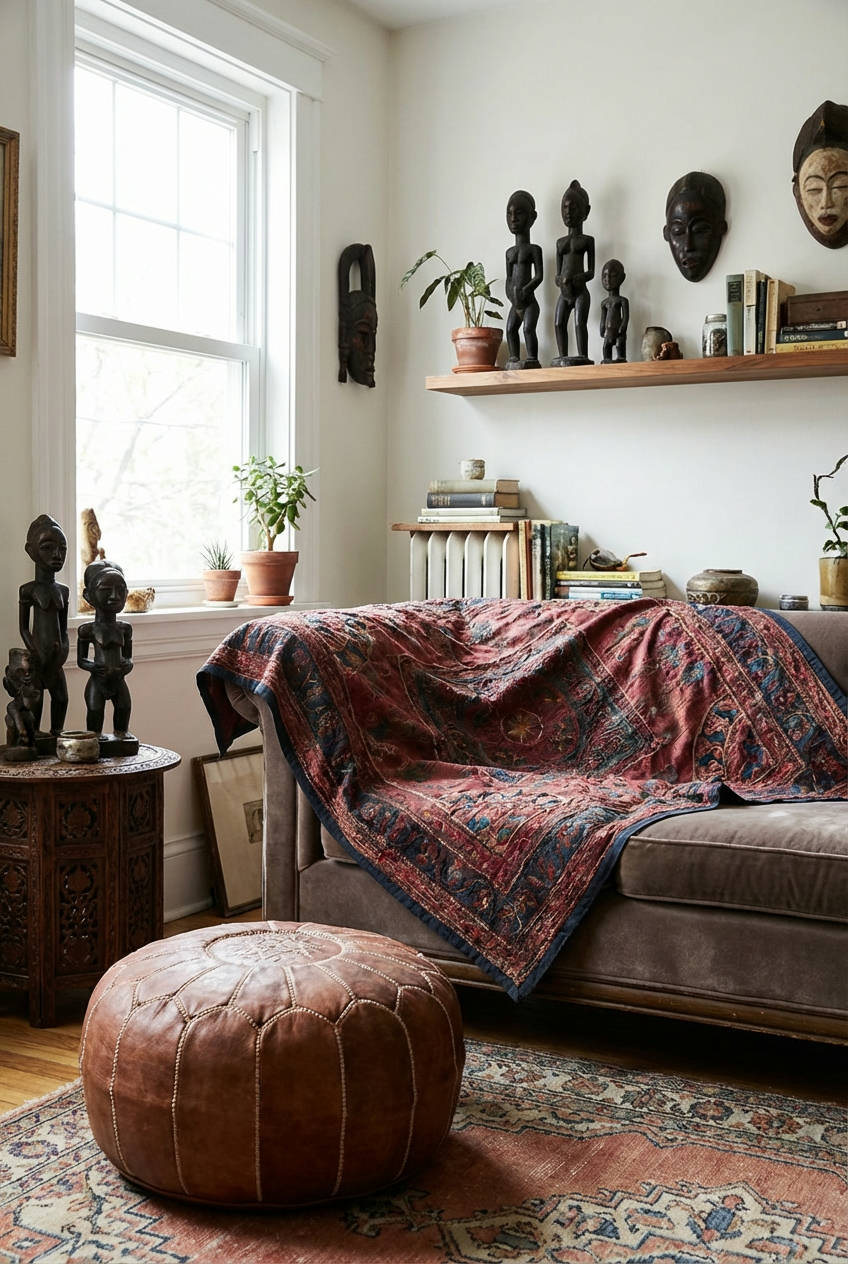
The 2026 living room celebrates cultural diversity through eclectic global influences. This means incorporating elements from different cultures – a Moroccan pouf, an antique Indian textile, African basketry, or a Japanese ceramic vase – to create a well-traveled, layered look. These pieces tell a story and infuse your living space with character and warmth. Imagine a handcrafted wooden console from Bali paired with a richly colored kilim rug and a collection of unique, hand-dyed throw pillows. It creates an adventurous and personalized atmosphere.
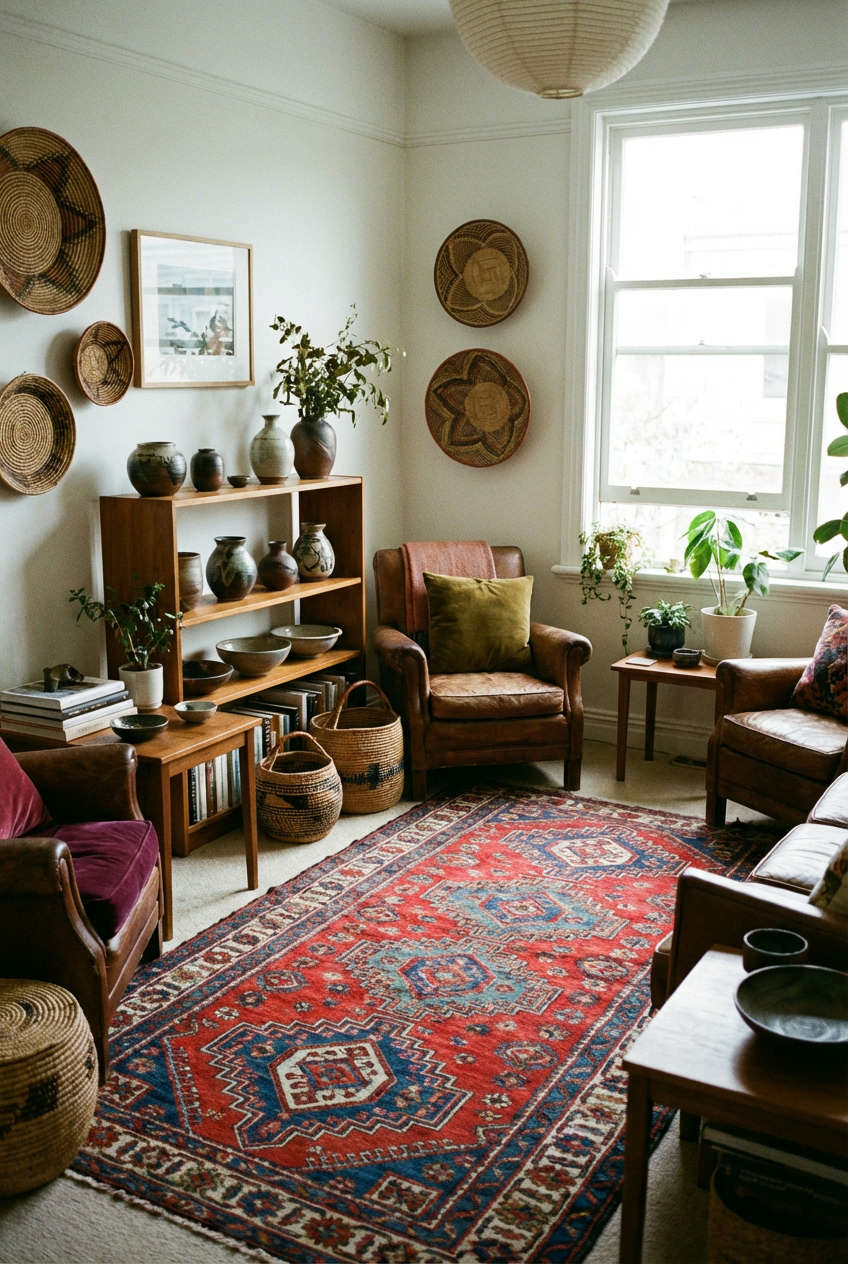
The trick to successfully blending global influences is curation. Choose pieces that resonate with you personally and ensure there’s a unifying element – perhaps a consistent color palette or a shared textural quality. Avoid overwhelming the space; let each special item have room to breathe. These elements often come with fascinating backstories. Practical insight: Source globally inspired items from ethical fair-trade organizations or local artisan markets to ensure both quality and positive impact.
There you have it—32 fresh ideas shaping living room design for 2026! From biophilic sanctuaries to bold architectural statements, the future of our homes is looking more intentional, personal, and connected than ever. Which of these trends caught your eye? We’d love to hear how you envision transforming your own living space. Share your favorite ideas or inspired plans in the comments below!